
Louise Tran On Thriving Social Enterprise Solutions Addressing Food Waste And Empowering Communities
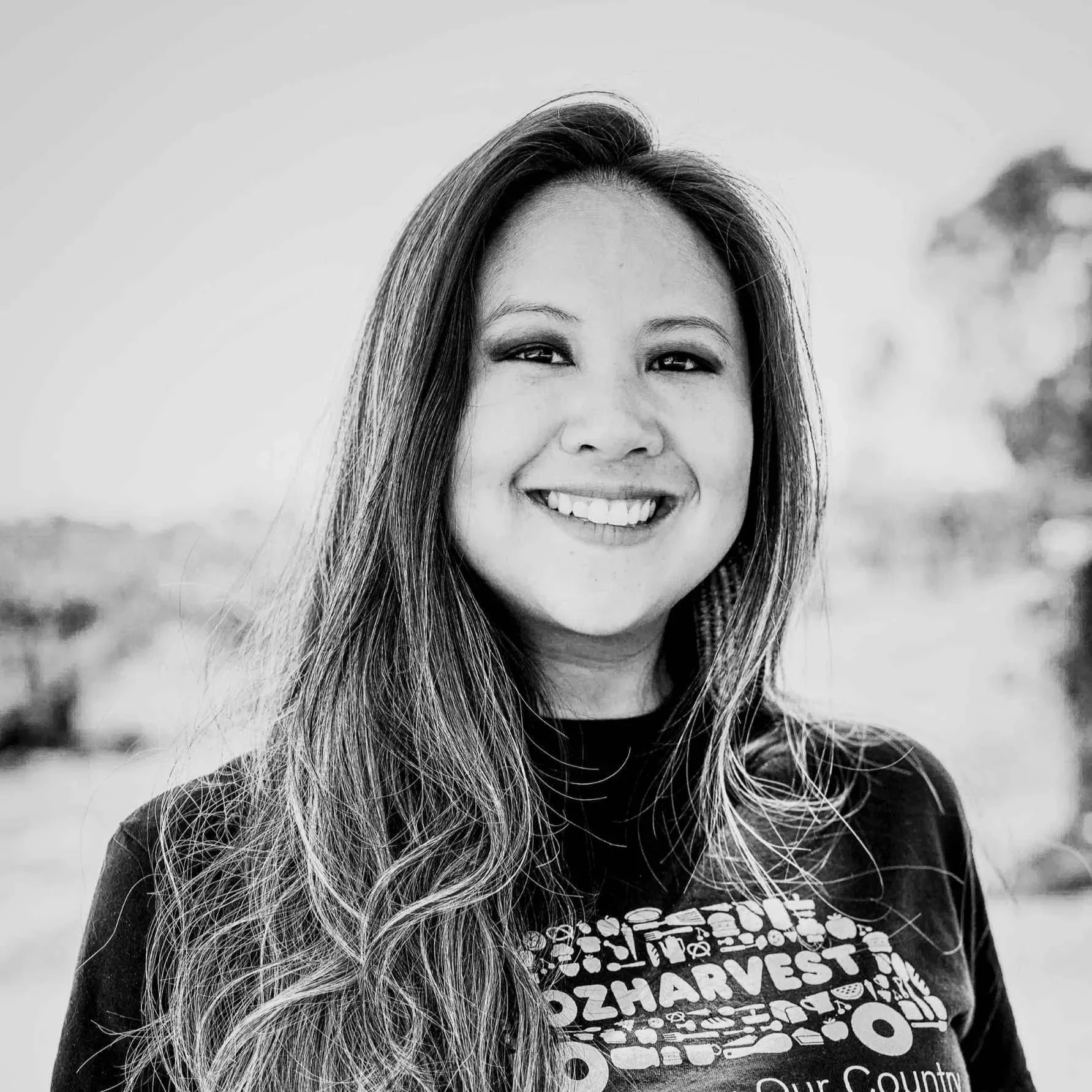
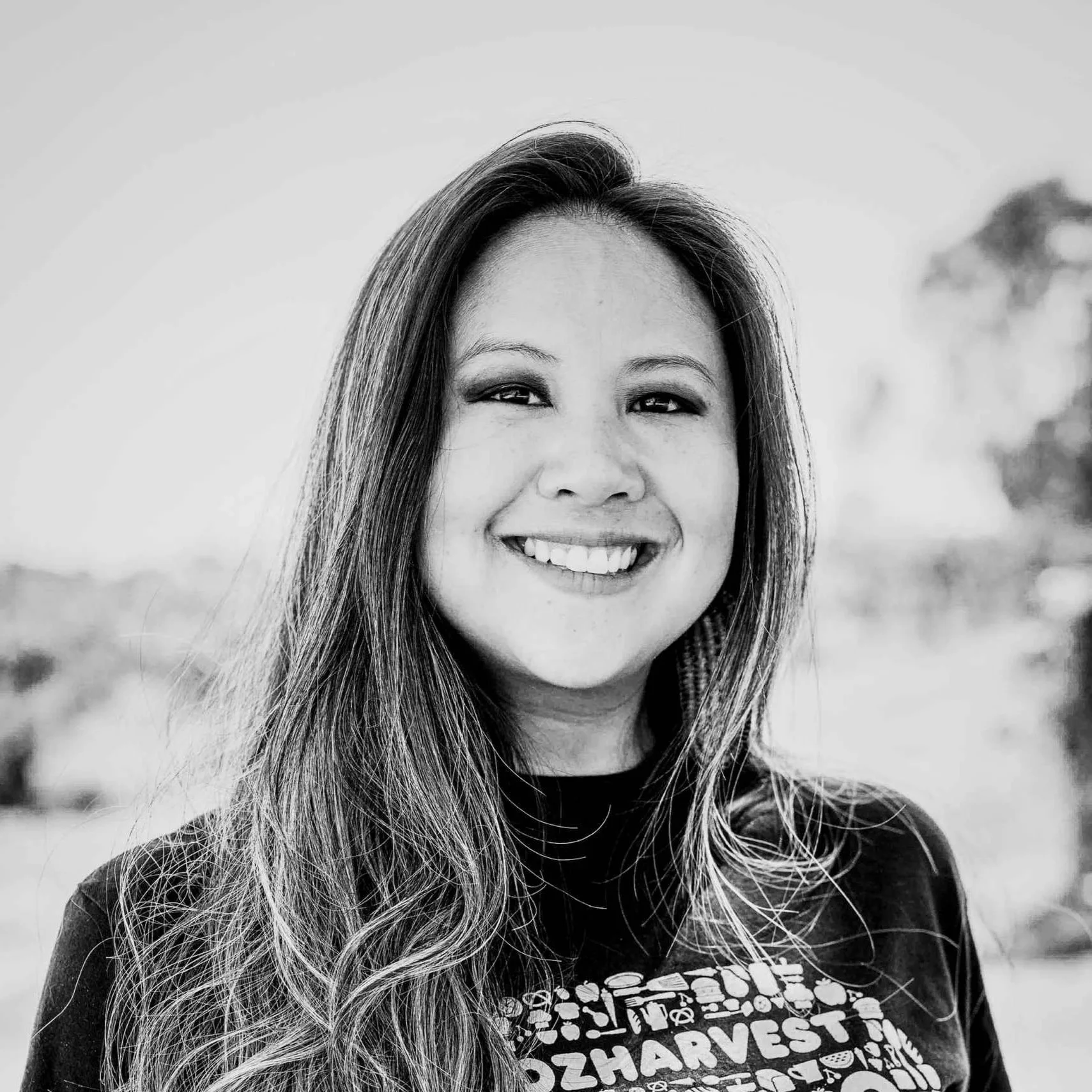
Louise Tran is a changemaker in food and sustainability, leading OzHarvest Ventures to design bold, innovative, circular business models that drive positive impact on the food system.
As a member of OzHarvest’s leadership team, she has spent more than 15 years shaping social enterprises and building purpose-driven business models. In 2022, she co-founded VietHarvest based on the OzHarvest model, which has already served 200,000 meals to people across three cities in Vietnam, saving thousands of kilos of food from ending up in landfill.
As Founding Chair of the Multicultural Leadership Initiative, she champions culturally diverse leadership in the climate movement. A strategist, storyteller, and culture-builder, Louise believes business at its best blends profit and purpose to create lasting change for people and the planet.
Louise discusses the unique ways businesses for good approach designing and implementing sustainable systems to tackle food waste, and why empowering consumers through purposeful products and storytelling leads to tangible and lasting impact.
Highlights from the interview (listen to the podcast for full details)
[Indio Myles] - To start off, can you please share a bit about your background and what led you to working in social entrepreneurship?
[Louise Tran] - Where do I begin? I’m an Australian-born Vietnamese who grew up in Western Sydney. I like to paint the picture of growing up in Western Sydney because it really shaped my foundations and values over time.
I like to share this one story because it gives a picture of where I’ve come from. My parents were refugees after the Vietnam War, leaving Vietnam in the 1970s. Growing up in Western Sydney, I was surrounded by this beautiful multicultural community who really looked after each other and supported one another. That’s where my roots are.
When it comes to what led me to social entrepreneurship, it’s not a straight line; it’s quite curvy and not linear at all. I share that story of my parents because that’s the foundation that shaped me and led me towards social impact work, purpose-led business, and the work of helping people.
That’s a space where I feel extremely comfortable and incredibly grateful to be surrounded by people who care about helping others.
You’re the Head of OzHarvest Ventures and you’re also the founder of VietHarvest. We touched on some of the achievements earlier, but could you share more about these emerging social enterprises and how they’re tackling food waste and driving change?
I was exposed to the work of OzHarvest about 15 years ago when I first met Ronni Kahn, who founded the organisation. At the time, I was working across marketing, branding, and public relations in a company with a lot of food clients. This includes many of the large, major FMCG brands you’d recognise walking down the aisles of the supermarket.
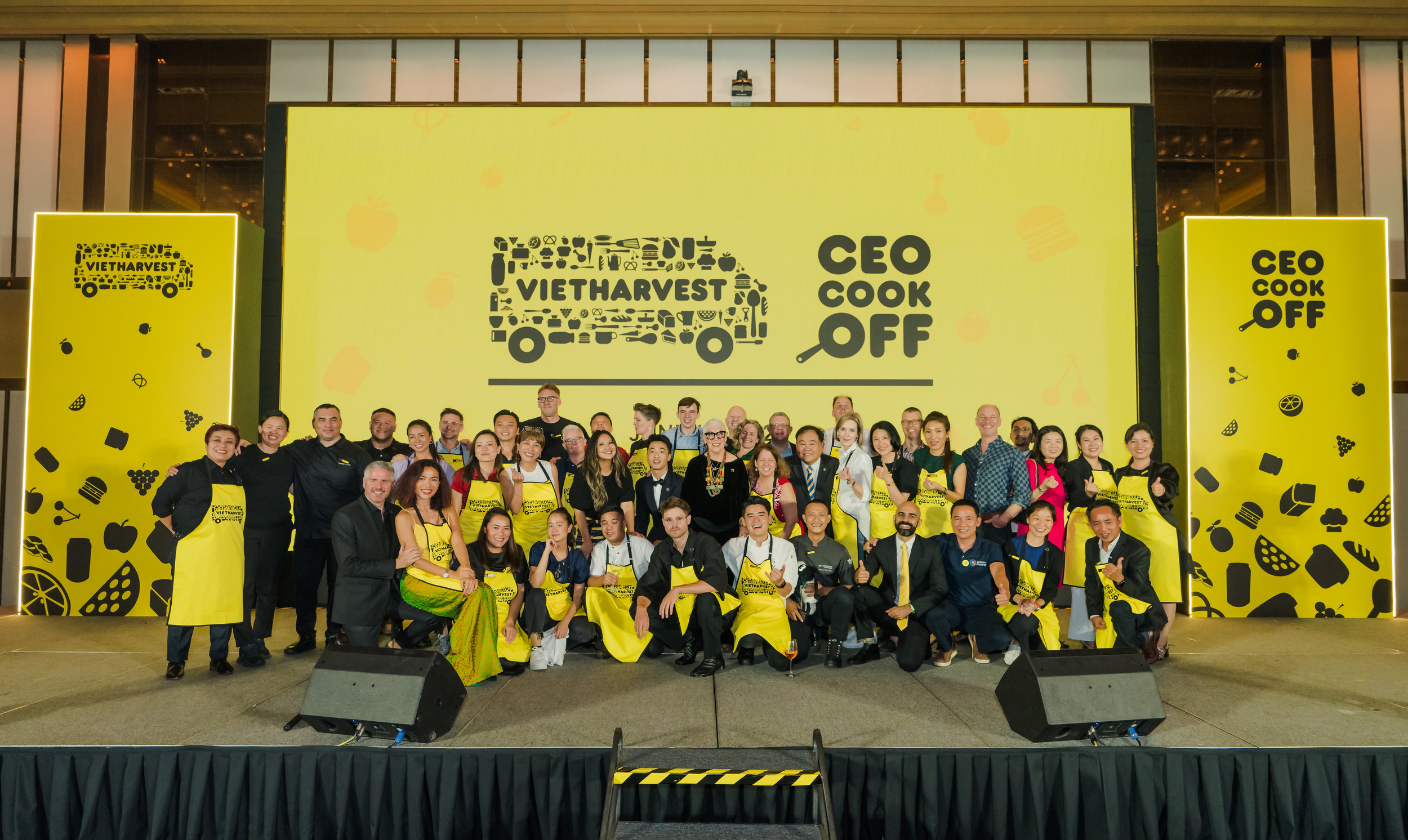
VietHarvest's first CEO CookOff hosted in Ho Chi Minh City in 2023.
Being exposed to OzHarvest was such an eye-opener. I realised there was food waste happening right here in Australia (millions of dollars’ worth) at a time when people were going hungry and in real need of food relief.
That drew me to the work, and of course, being exposed to such a visionary founder like Ronni Kahn. You can’t forget her once you’ve met her, and I was immediately struck by the tangible impact OzHarvest had.
I remember one day (this is going back 13 years ago), we got a call from an orange farmer named Angelo, who’s based in a rural area. He had an orchard with hundreds of trees growing beautiful oranges, but he just couldn’t sell them. He couldn’t find a market and wanted to donate the oranges to a good cause to help feed people.
Through that experience of learning about the challenges in our food system and being exposed to people who were really in need and struggling to put food on the table, I was immediately drawn in. That moment truly solidified my interest in the work and impact of OzHarvest.
That was about 13 or 14 years ago, and I’ve been hooked ever since. It led me to officially start working with OzHarvest, after some time spent volunteering, and now I’ve been with the organisation for about 13 years. Over that time, we’ve seen food waste finally taken seriously as a national issue.
In Australia, $36 billion worth of food is wasted every single year. That equates to 7.6 million tonnes of food ending up in landfill. But there are real solutions out there; solutions that make a tangible impact. What OzHarvest does day to day is exactly that: we feed people and divert food waste from landfill.
That evolution over time has led me to the work I now do at OzHarvest Ventures, and it’s also led to the model expanding internationally, including, for me personally, starting the model in Vietnam.
As Head of OzHarvest Ventures and Founder of VietHarvest, can you please share more about these emerging social enterprises and how they’re tackling food waste and driving systemic change?
In terms of our evolution, OzHarvest has, over the last 20 years, diverted over 300 million meals from landfill, feeding people in need and directly bringing nourishment to communities across the country. That’s an incredibly effective and impactful solution.
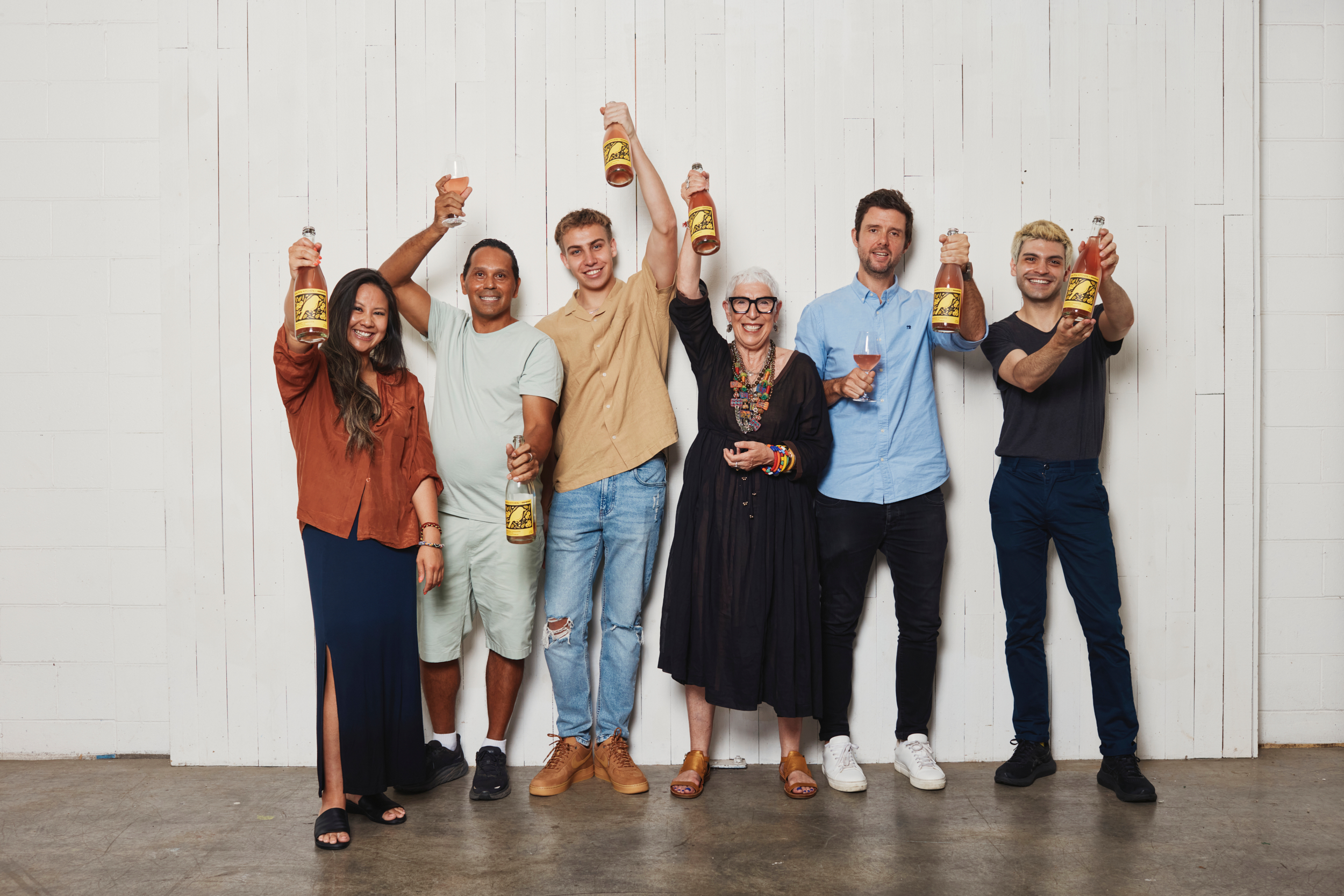
Conscious Drink Collaboration with Kakadu Kitchen Ben Tyler and ALTD Spirits Tim Triggs
But what we’ve recognised over time is that food waste happens at every stage, from farm all the way to consumers at home. So the question became: what more can we do to drive down food waste and accelerate our impact? That’s where OzHarvest Ventures comes in.
OzHarvest Ventures was established to align with OzHarvest’s core purpose to nourish our country, but with a fresh approach. We’re focused on accelerating impact by building a more sustainable food system. That means asking ourselves what practical steps we can take day to day to make this a reality. We launched OzHarvest Ventures as a social enterprise in 2023. It sits alongside OzHarvest as a separate entity and explores innovative ways to generate funds to support our food rescue work.
One of those innovations is the development of what we call “products for good.” These are products made from rescued produce, upcycled into delicious, high-quality offerings that delight consumers.
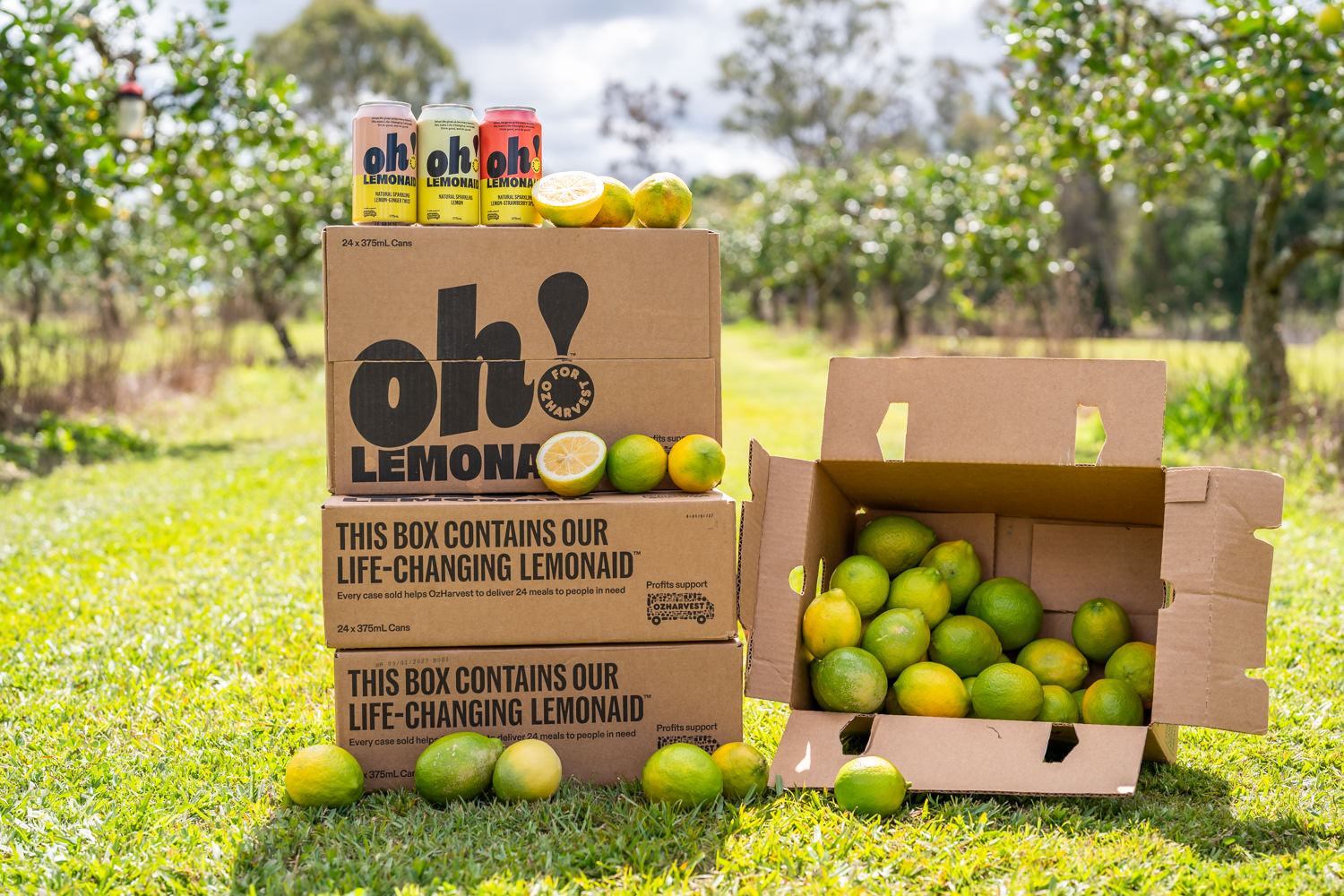
For example, we’re working directly with farmers to rescue produce from farms that would otherwise go to waste. That produce is then transformed into products like Oh! LemonAid, a refreshing beverage made from lemons that couldn’t be sold through traditional retail channels. It’s a win-win: consumers get to enjoy a great product, and every can of Oh! LemonAid purchased helps feed a person in need.
We’ve spent the last two years exploring how to better connect the dots between where food is wasted and how we can transform that into something valuable. Part of our mission is about empowering consumers to realise that they can make a real difference just through their purchasing choices; by choosing social enterprise products that deliver both quality and impact.
It’s about giving that choice to consumers and providing the option to do good and to buy for good. I think that’s really the crux of social enterprise. At the end of the day, we are all consumers, and we have the power to make a difference through our purchasing habits.
To share more about VietHarvest, in 2013, I was invited to work with the United Nations in Vietnam to raise awareness globally around how food waste impacts our climate. At the time, the United Nations Environment Programme was setting up the Sustainable Development Goals, and one of those goals was to halve food waste by 2030.
In Australia, the work we were doing with OzHarvest was quite transformative then, and it still is today. Innovation is really in our DNA. So, being on the global stage, working alongside the UN to create awareness in places like Lima and Bangkok, we were educating people about this innovative model that diverts food waste to feed people.
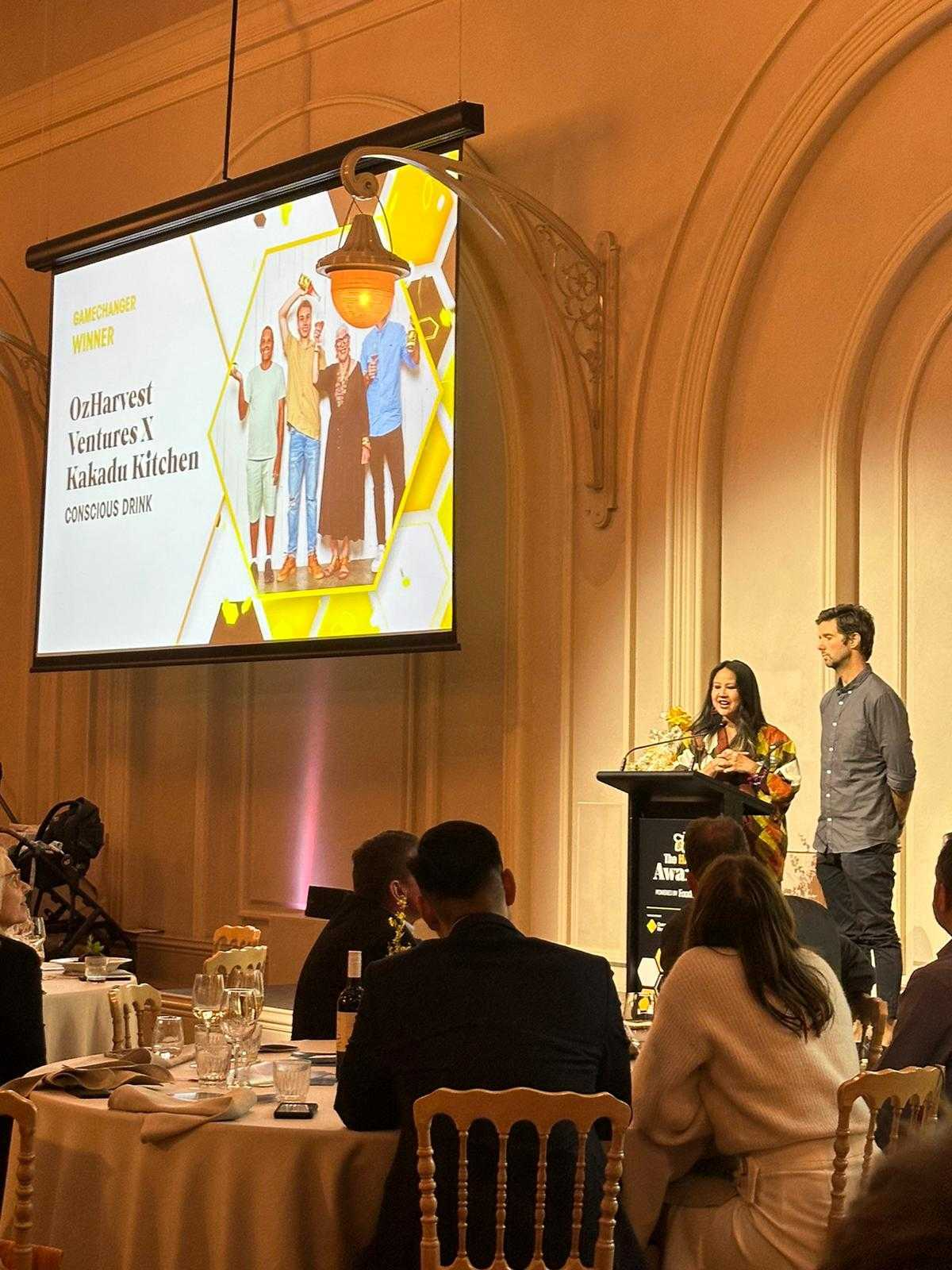
Conscious Drink winning the GameChanger Award at the Food & Drink Business Hive Awards in 2024
That eventually evolved into growing interest from people around the world. We started receiving inquiries about how to set up the Harvest model overseas. Today, we have South Africa Harvest, Japan Harvest, Kiwi Harvest, UK Harvest, and more.
A few years ago, I decided to take that momentum and apply it to Vietnam, a country I’m deeply connected to through my ancestry. That connection to place, culture, and identity meant a lot to me, and I saw an opportunity to contribute positively to a country that’s part of who I am.
In 2022, I officially established VietHarvest. I partnered with Jimmy Pham, a well-known social entrepreneur in Vietnam, who founded a social business called KOTO (Know One, Teach One). Together, we collaborated to bring VietHarvest to life.
To date, VietHarvest has delivered over 200,000 meals in Vietnam. That equates to hundreds of thousands of kilograms of food diverted from landfill. More importantly, it’s created a groundswell of local support, from businesses wanting to drive change, to individuals who are purpose-driven and committed to making an impact. We’ve built an incredible local team in Vietnam who are powering this movement forward.
What do you see as the role of social enterprise in driving sustainable change, and what unique advantages does this model have for tackling complex social or environmental challenges?
Social and environmental challenges are incredibly complex. As individuals, we’re often bombarded with crisis after crisis: extreme weather events, the broader climate emergency, or even just hearing that food waste is costing the Australian economy $36 billion each year. It’s easy to feel helpless in the face of that scale.
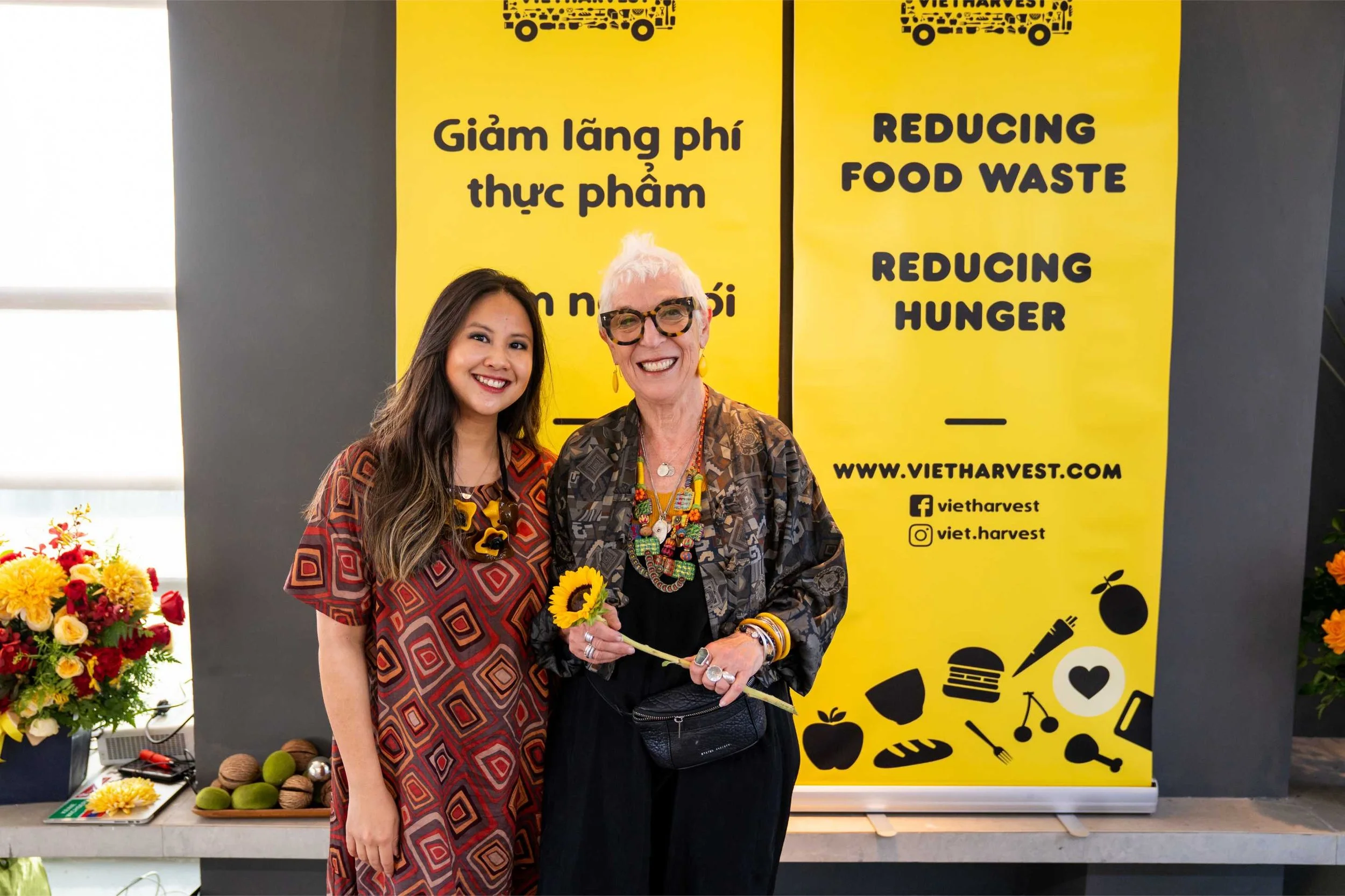
Louise Tran and Ronni Kahn at the launch of VietHarvest in 2022
That’s where social enterprise plays a critical role. It gives power back to individuals by helping them feel like they can actually make a difference. What we’re creating is a way to turn that sense of overwhelm into tangible action.
Take, for example, our Oh! LemonAid product. It’s made entirely from rescued lemons from Rob’s farm, and shoutout to Rob Rusty McClane who’s based in Northern New South Wales. Rob had been hit hard by continuous flooding, and his lemons (tonnes of them) were going to landfill because he couldn’t sell them.
He reached out to us and asked, “Is there anything we can do?” We connected, collaborated, and transformed those lemons into lemonade.
Here’s what’s powerful: when someone purchases that can of Oh! LemonAid, they’re doing three things. First, they’re supporting Rob directly: we buy the lemons, so that income goes straight to him. Second, they’re helping the planet by preventing food waste and keeping those lemons out of landfill. Third, every can sold allows OzHarvest to deliver a meal to someone in need.
That is a real, tangible, positive action that consumers can take. It’s a small act, but it’s part of a much larger solution. That’s what I love about the role of social enterprise, finding practical, impactful ways to solve complex problems while enabling individuals to be an active part of the solution.
Where are you seeing key opportunities to grow the business for good movement, and what’s needed to take it to the next level (bringing it to more consumers and into the mainstream)?
I’m feeling the growth of the business for good movement, and it’s being helped along by some incredible ecosystem builders, Impact Boom being a great example of that.
The more social enterprises are spotlighted and recognised in the mainstream, the more I see real opportunities for this movement to take on major institutional players. Whether through products, services, or initiatives driving local or regional change, it’s visibility and storytelling that truly matter.
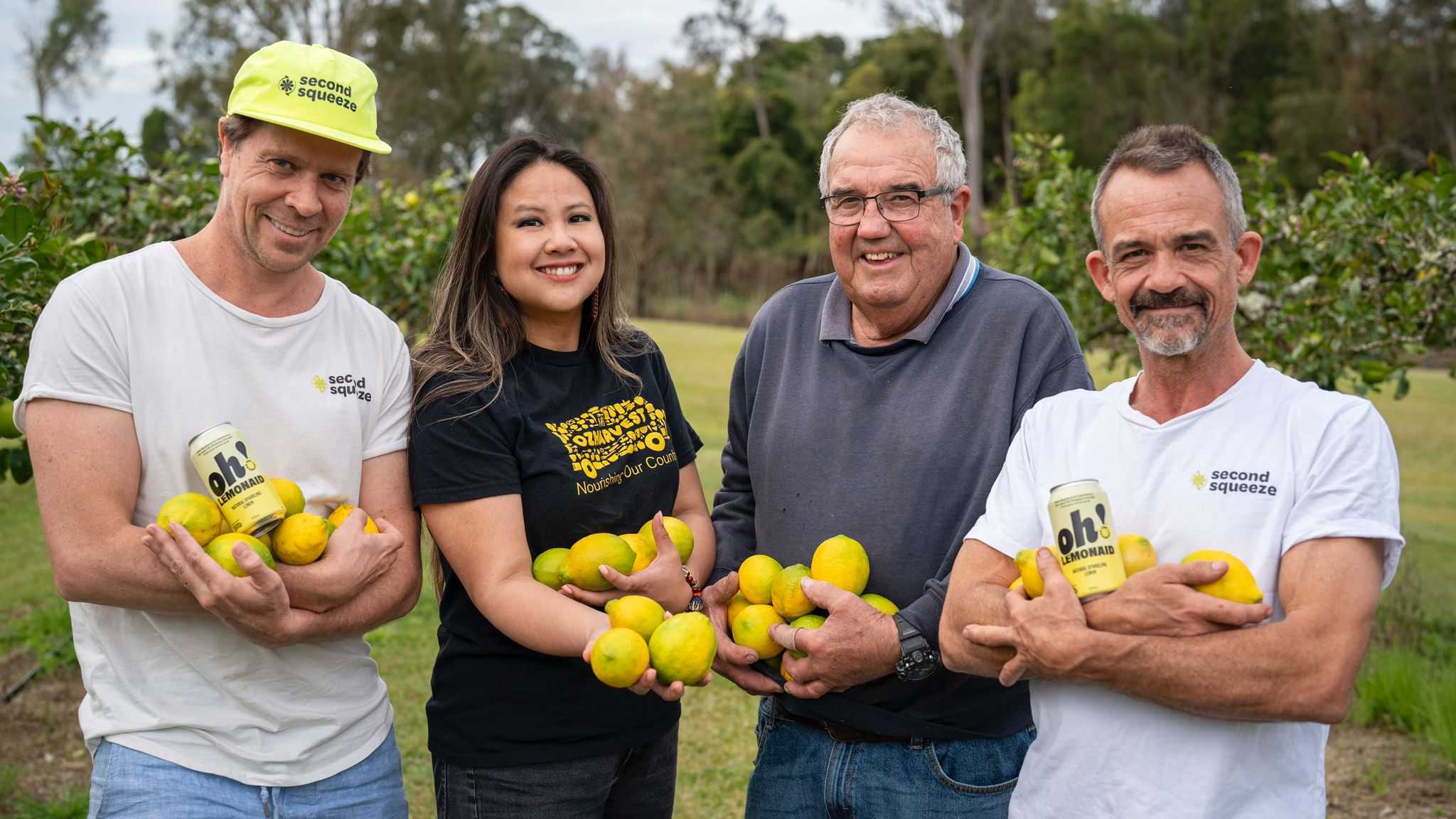
Oh! Lemonaid collaboration with Second Squeeze and Rob Rusty McLean
The more stories we can share and the more impact we communicate through storytelling, the more we can inspire better business practices. Because at the end of the day, whether you’re a social enterprise or a profit-driven business, we all operate within communities, and we all operate within the environment we’re based in.
Businesses must consider the impact they have on people and the planet. We can no longer sustain extractive business models, they simply won’t hold up in the long term. So the key opportunities for this movement lie in continuing to support and champion one another. We need to shout each other out, collaborate meaningfully, and take collective action. These words of support champion collaboration, and they need to be brought to life through real-world impact.
If we keep doing this, I believe we’ll build a truly strong and resilient movement moving forward.
What have you learned about the power of storytelling in mobilising people around a cause or a problem?
Over the years with OzHarvest, what I’ve recognised is that the power of the brand comes through the authentic stories it spotlights and shares. These are stories from the people receiving food, children and families who may not have had breakfast that morning, who’ve gone without for weeks, and who are now able to receive nourishing meals. You can’t make that up. These are true, authentic stories from people whose lives are being impacted.
I shared Rob the farmer’s story earlier, and I couldn’t make that up either. These are real experiences we hear every single day. Rob told me how it pained him to see the lemons he’d grown with so much care. The water, the energy, the time he spent handpicking them was all going to waste, simply because they were a little spotty on the outside or not yellow enough for what the market expects.
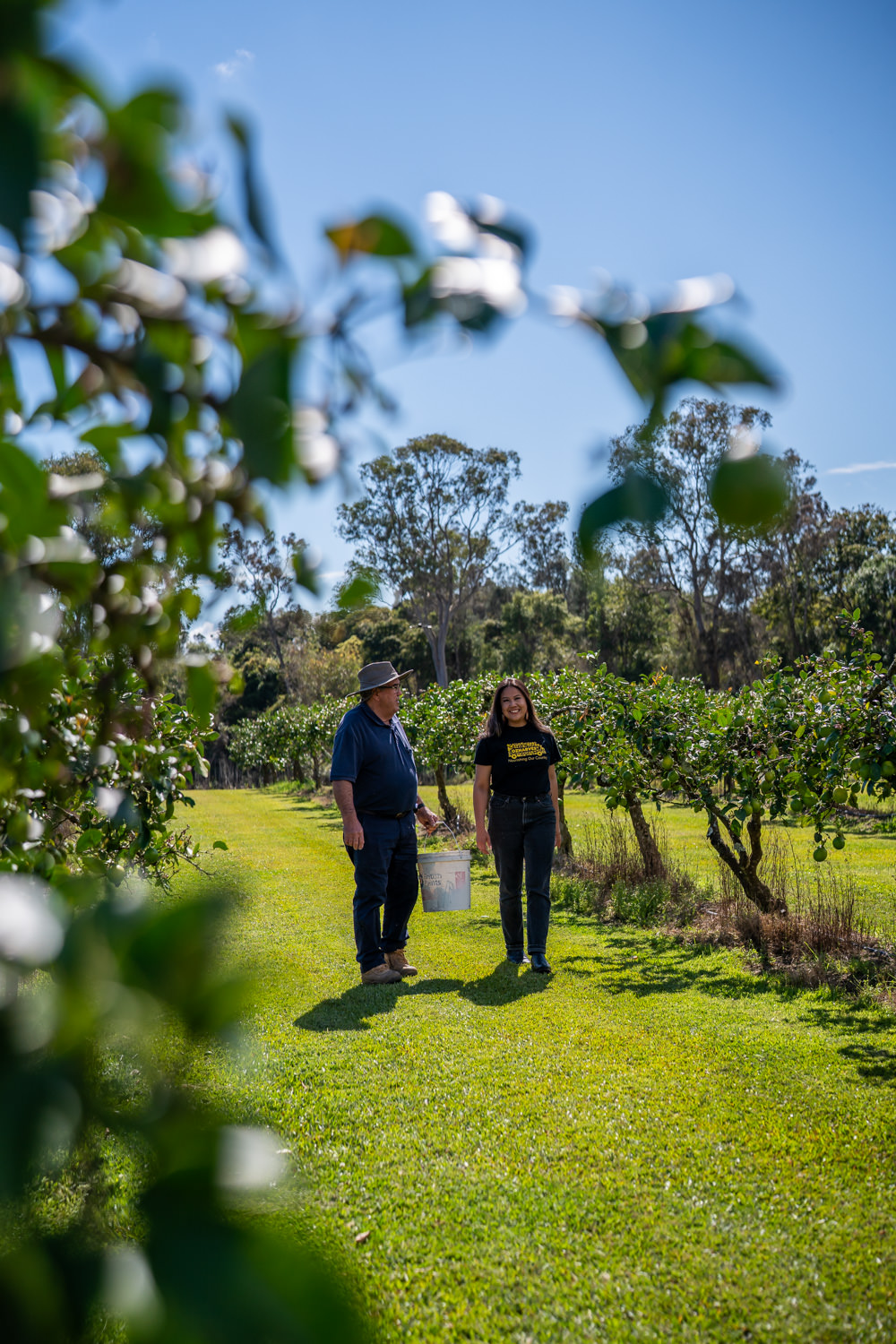
On Rob Rusty McLean's lemon farm in Woodburn, NSW
Seeing how happy he was to know those lemons went to a good home and became a product that brings joy to others, and that’s the power of storytelling.
A brand is just a brand. But if it doesn’t exist for something, if it doesn’t have a purpose, then it doesn’t have substance. What I’ve learned, being a custodian of the OzHarvest brand and its storytelling, is that the authenticity and impact of a brand is only as strong as the real-world impact it creates.
I can’t fabricate impact. It’s there in the millions of people OzHarvest has fed and nourished. It’s there in the tonnes of food diverted from landfill, helping our planet. It’s there in the beautiful partnerships we’ve built, whether with farmers, food donors, or through OzHarvest Ventures and the meaningful products we’ve developed.
One example is our Conscious Drink, a collaboration with Ben Tyler (founder of Kakadu Kitchen) and Tim Triggs. That partnership is layered with meaning. It’s about food sustainability, ethical harvesting of native bush foods, and the broader impact each bottle of Conscious Drink has on both people and planet.
These are real stories, and they represent real impact. That’s the secret. It’s the essence of a brand. Without that essence, without purpose or the “why” behind an organisation or product, there’s no real substance. What I’ve come to deeply understand over my time at OzHarvest, and continue to learn today, is that we have a strong purpose, and that purpose is reflected in everything we do, especially through the stories we choose to tell.
What inspiring projects or initiatives have you come across recently creating a positive change?
I was going to shout out KOTO, so definitely check them out, but I also really want to highlight HopeBox, which was founded by a graduate and alumni of KOTO. This is a beautiful example of the ripple effect that can happen when you change one life.
One of the alumni from KOTO, Huong Dang, is such an inspiration to me and so many others. She went through the KOTO program and has since gone on to create her own social enterprise initiative called HopeBox.
HopeBox provides training, employment, and financial independence for women escaping domestic violence in Vietnam. It’s a truly powerful organisation. I encourage everyone to learn about her story. Huong is incredible, and so is the work she’s doing.
To finish off, what books or resources would you recommend to our audience?
I hope this isn’t too cheesy, but I’ve had the privilege of working alongside Ronni Kahn for almost 15 years. She’s a friend, a mentor, a sister, and a mother to me, so I often forget that not everyone has had the chance to get to know Ronni the way I have!
I recommend reading her book, A Repurposed Life. It offers an incredible insight into how visionary she is, but also how deeply human she is. It’s the story of one woman who found a way to solve a problem she was faced with, and it’s full of beautiful, powerful storytelling.
Initiatives, Resources and people mentioned on the podcast
Recommended books
A Repurposed Life by Ronni Kahn

On Episode 648 of Impact Boom, Callum Champagne of Grow the Future discusses using regenerative farming to create employment and learning pathways for youth, and why place-based approaches strengthen regional communities and contribute to more prosperous and equitable futures.