Neal Harvey On Building Patient Philanthropic Partnerships To Tackle Complex Social Challenges
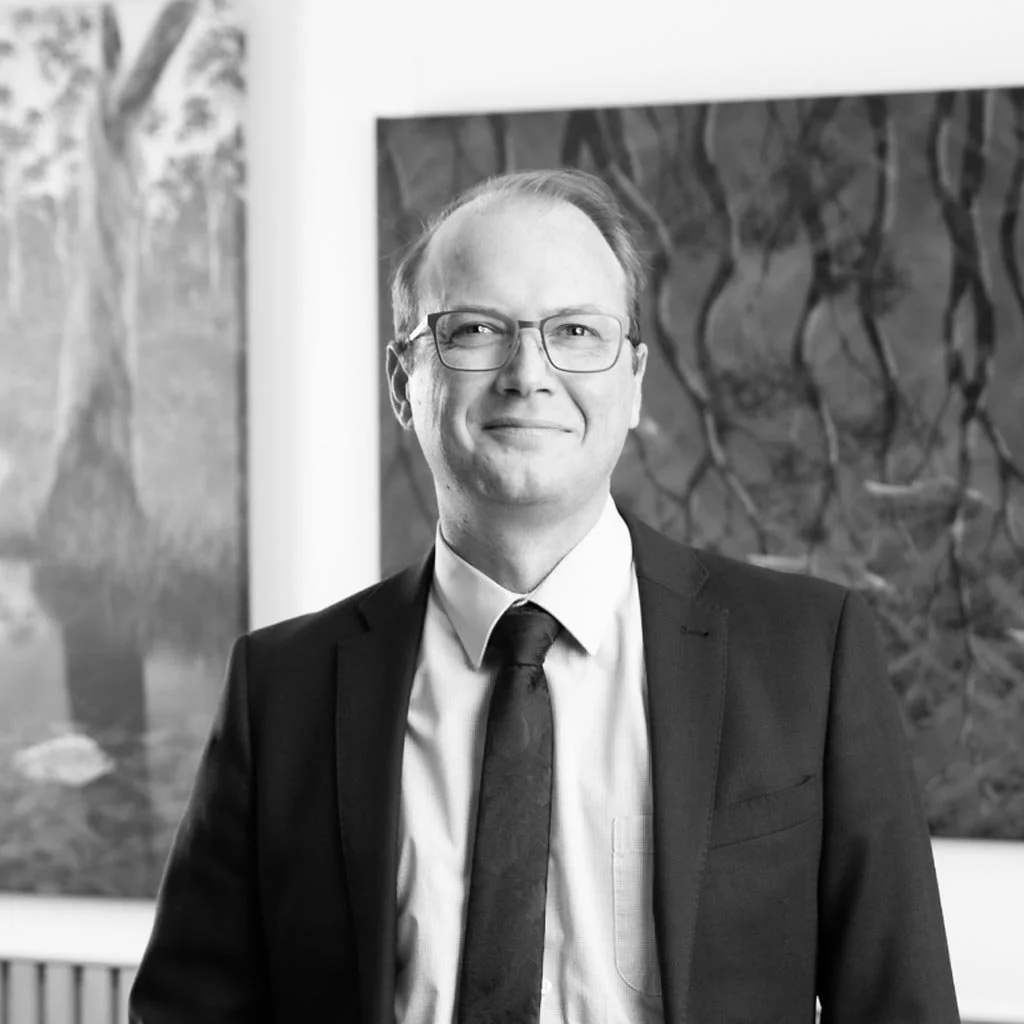
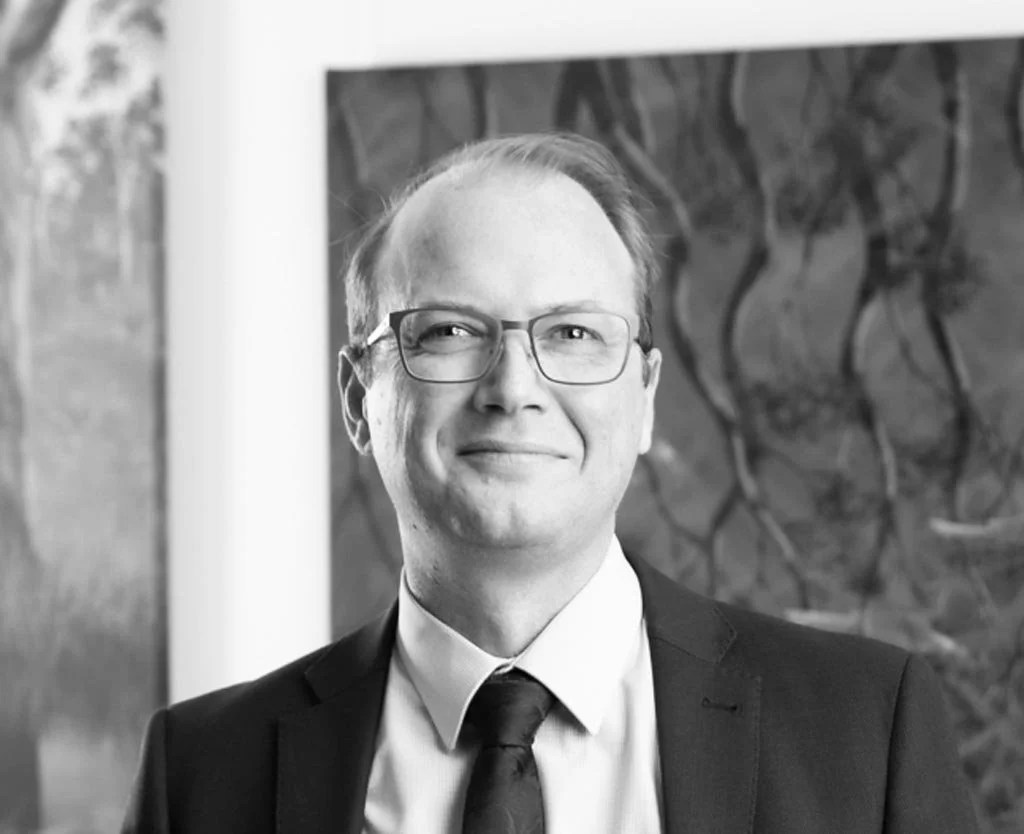
Neal commenced as CEO of the Tim Fairfax Family Foundation in January 2021. Prior to this role, Neal was a Program Manager at The Myer Foundation and Sidney Myer Fund where he supported the Arts & Culture Committee, the Mental Health Committee, and the Merlyn Myer Fund.
Neal sits on the Board of the Queensland Children’s Hospital Foundation, is past Chair of Yarra City Council’s Arts Advisory Committee, Melbourne company Snuff Puppets, and Philanthropy Australia’s Arts Funders Network.
Neal has a First-Class Honours BA and a PhD from the University of Queensland and an MBA from University of Melbourne/Melbourne Business School. Neal is a Fellow of the Queensland Academy of Arts and Sciences.
Neal discusses enabling philanthropy through long-term partnerships, tackling systemic youth mental health challenges in regional Australia, and why patience, curiosity and relationships are essential for effective impact.
Highlights from the interview (listen to the podcast for full details)
[Tom Allen] - To start off, can you please share a bit about your background and what led you to work in philanthropy?
[Neal Harvey] - It’s a fairly circuitous journey, but I can make sense of it retrospectively. First of all, I’m not the philanthropist. Tim, Gina, Sarah, Lucy, Fiona and Prue are. I would not have the opportunity to do what I do if their generosity didn’t exist. They are remarkably committed to the work of the foundation, and it’s a real privilege to work for them and help them realise the mission of the organisation.
I would describe my work for them as an enabler and a facilitator, and that’s probably the common denominator across the different careers I’ve had.
In tertiary education, I worked as a research assistant helping other academics realise their projects. When I worked in the arts sector, I was never a performer. I was always in a backstage role as a production manager, a producer or a stage manager, helping others realise their performance. They were strong support roles.
That’s essentially what I do now working in the philanthropic sector; I help some of Australia’s most generous and committed philanthropists realise their ambitions for our community. I think being an enabler is what has ultimately led me to this work.
As Chief Executive Officer of the Tim Fairfax Family Foundation, can you please share more about its key areas of focus and what impact you are aiming to create?
The need in our community is vast and dwarfs the foundation’s resources, as generous as Tim and Gina are. We need to narrow our focus in order to amplify our impact.
The foundation is largely focused, as you mentioned in the introduction, on multi-year operating support. That means providing good leaders who are doing good work with the resources they need to deliver programs and services in the community.
There is also some more ambitious work that forms part of the foundation’s portfolio where we are trying to address longer-term systemic issues. I won’t recite the statistics around mental health issues in the community, particularly among young people, as I know your listeners will be familiar with that wicked problem.
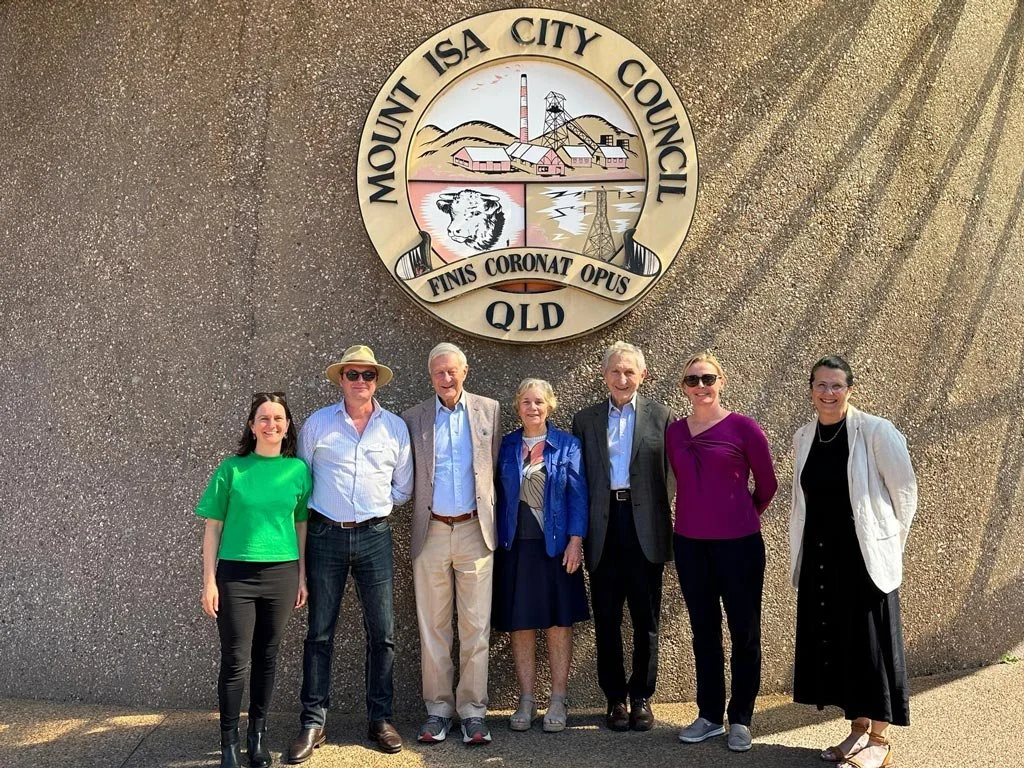
We are working with some experts to right-size a program for Queensland children to see if we can make a meaningful dent in this challenge. The experts we are working with are the Murdoch Children’s Research Institute in Victoria and the Child Health Research Centre at the University of Queensland. Together, we have designed a Brain Health in Primary Schools pilot program that is currently being rolled out in the Mount Isa region.
Across seven schools, we employ a mental health and wellbeing coordinator in each school. That person becomes a central resource for children experiencing challenges and for families needing support, and acts as a gateway to referral pathways into systems that can provide additional help.
This program has been successfully rolled out in Victoria, and we now need to adapt it for Queensland. The pilot is going well at the moment, and we have recently secured co-funding for a second pilot with the Queensland Mental Health Commission. We will roll that pilot out this year in the Darling Downs region.
That will give us two live pilots, and I think the third will probably be in Far North Queensland. The early evidence base emerging from the pilots is looking really positive. That is a good example of the work I am excited about and seeing the foundation bring to fruition.
Mount Isa is a remote place with very specific and entrenched challenges. Addressing those challenges requires a collaborative, system-wide and community-wide approach. That is one of the things philanthropy can be very good at doing; it can bring people together who might otherwise be siloed from one another.
For example, the Queensland Department of Education is also shadowing this work, which is great to see.
What advice would you give to purpose-driven leaders looking to build long-term partnerships and attract philanthropic funding?
This is always the question, isn’t it? How do we do it and how do we attract funding? As I mentioned earlier, the number of deserving projects and initiatives dwarfs the resources available. There are so many good people doing such good work, and it’s a real privilege to meet them through this work.
I suspect I’m not going to have a particularly popular answer here. Practice patience. Partnerships that create impact are long-term propositions. You are trying to make a friend as well as a business partner. It can’t be a transaction, it must be a relationship.
You need to find a way to continue progressing your project while maintaining regular touchpoints with a prospective partner or investor. Each time you connect with them, you should have something meaningful to share. Not every meeting can be about asking them to come on board. It’s about building a relationship over time, and that requires patience.
It’s a marathon, not a sprint. I understand that ideas can feel urgent and that the needs in communities are urgent, but the most successful, impactful and enduring partnerships are built the same way we fall asleep or fall in love: gradually, and then all at once (hat tip to John Green, after Hemmingway).
That can make it difficult to find patience when you feel so compelled to act and intervene in the community. There is always a tension between the urgency of the need and the time it takes to build strong partnerships.
Along the journey don’t forget to be curious. Ask about your partner and learn about them. As I mentioned earlier, you are trying to build a friendship and rapport. It doesn’t always have to be about you or your initiative, no matter how impactful and well-intentioned it might be.
Be curious and be patient if you can.
How can leaders balance urgency with the patience required to build these meaningful partnerships?
There is always that urge to create change immediately when you are facing a wicked problem in a community. Many purpose-driven people feel a deep passion to respond and act quickly, and that urgency can be incredibly powerful.
At the same time, it becomes a lesson in resilience over time. Building authentic relationships requires patience, and that can be difficult when you feel such a strong responsibility to deliver change.
Urgency is actually one of the hardest things to communicate. You only have to look at some of the major challenges the world is facing at the moment. There is a real urgency around them, and yet somehow that has not been enough to carry the day. We have to pivot towards communicating values and building rapport through something beyond the cause itself, and ultimately, it comes back to the relationship.
What qualities stand out in leaders who are creating meaningful and lasting social impact?
There are many different expressions of leadership within our communities. One of the most profound examples comes from First Nations leaders, colleagues and Elders. We have so much to learn from First Nations communities, and the more time any of us spend with them, the more we realise what a gift that is.
Their ability to persevere and lead in the face of immense challenge and adversity is incredibly inspiring. When you talk about long timeframes and resilience, those examples really stand out.
Leaders who are able to persist through adversity often have a remarkable capacity for kindness and generosity. Somehow those qualities sustain and fuel them, even through extremely difficult circumstances. Their ability to understand their community and recognise the challenges people face seems to come from a deep well of generosity and care for others.
I think we could all be a little kinder to each other. I don’t think anyone wakes up in the morning intending to be a difficult person. Everyone’s day intersects with someone else’s day.
I often reflect on what sort of day we want others to go home and describe to their partner or friends, and what role we played in shaping that experience.
The leaders who stand out to me are outward-facing and deeply connected to their communities. They lead with empathy as well as intelligence. There are many people doing great work, but when I reflect on those who shine most brightly, it often comes back to their kindness and generosity.
They are simply good human beings. They build long-term, trusting relationships with others and seem to be connected to something deeper. They often have an awareness or intuition about things before others do.
Maybe that’s not the most popular answer, but it’s the one that resonates most strongly for me.
What do you believe is holding back the ‘business for good’ movement from becoming mainstream?
At the moment, it is quite a fragmented and unconsolidated sector. It often relies on passionate individuals who are largely self-taught in how to navigate the system and carve out space within it.
Because of that, there can unintentionally be a level of competitiveness within the sector. Funding is scarce, and the number of deserving initiatives far outweighs the resources available. The challenge then becomes how we can smooth that out and create greater efficiency, coordination and collaboration.
I think philanthropy has a role to play in that space, particularly in incentivising collaboration and bringing people together where possible. Some of that is beginning to happen here in Queensland.
For example, the Office for Social Impact now sits within the Queensland Treasury, and there is a group of philanthropic funders exploring how they can complement the funds coming out of government rather than duplicate them.
The question becomes what additional initiatives could be funded to ensure that government investment lands as successfully as possible.
When we look at the broader commercial economy, I also think the workforce entering the labour market now is demanding that employers embed “business for good” elements into their products, services and operations. In many ways, that expectation is being pulled through the system by employees rather than pushed by institutions.
If organisations are competing for talent, as many are in a constrained labour market, they need to understand what motivates people to join and remain in a workplace. Increasingly, that includes purpose and impact.
Government policy is also evolving. Social procurement policies are updating, and smaller organisations are finding ways to become eligible to secure those contracts. I think progress is happening, although it may be slower than many of us would like.
Where we do see positive developments or green shoots emerging, the important thing is to lean into those opportunities and amplify the good that is already happening.
What inspiring organisations or initiatives have you come across creating positive outcomes?
There are many, and it would be a very long list. I’m fortunate to work alongside some remarkable colleagues here in Queensland.
For example, Sara from Hand Heart Pocket, Tara from the Queensland Community Foundation, Fiona from the John Villiers Trust, Matthew from the Brian Foundation, and Peter from the Clem Jones Foundation.
I could keep going, but I’ll stop there because I’m sure I would end up leaving someone out, and that tends to happen when there are a lot of great people doing great work!
I also feel fortunate to live in a city where Impact Boom exists and where we get to have conversations like this. When you think about the amount of good that has come from more than 620 podcasts being produced and shared with the world from Brisbane, it is quite remarkable.
There are many people doing great work. But I’ll resist being asked to hand out the Brownlow votes!
To finish off, what books or resources would you recommend to our audience?
I’ve actually brought a book for you, Tom: The Boy, the Mole, the Fox and the Horse by Charlie Mackesy.
I recommend it to you and to your listeners. Once this book enters your life, I guarantee you’ll return to it again and again.
It’s not a long read, but it’s full of wisdom. Charlie Mackesy both wrote and illustrated the book, and it’s beautifully done. It’s the kind of book you can open to any page and find a reflection that stays with you.
Initiatives, Resources and people mentioned on the podcast
Peter Johnstone (The Clem Jones Foundation)
Recommended books
The Boy, the Mole, the Fox and the Horse by Charlie Mackesy