Aaron Reid On Harnessing Procurement And Collaboration To Create Lasting Social Value
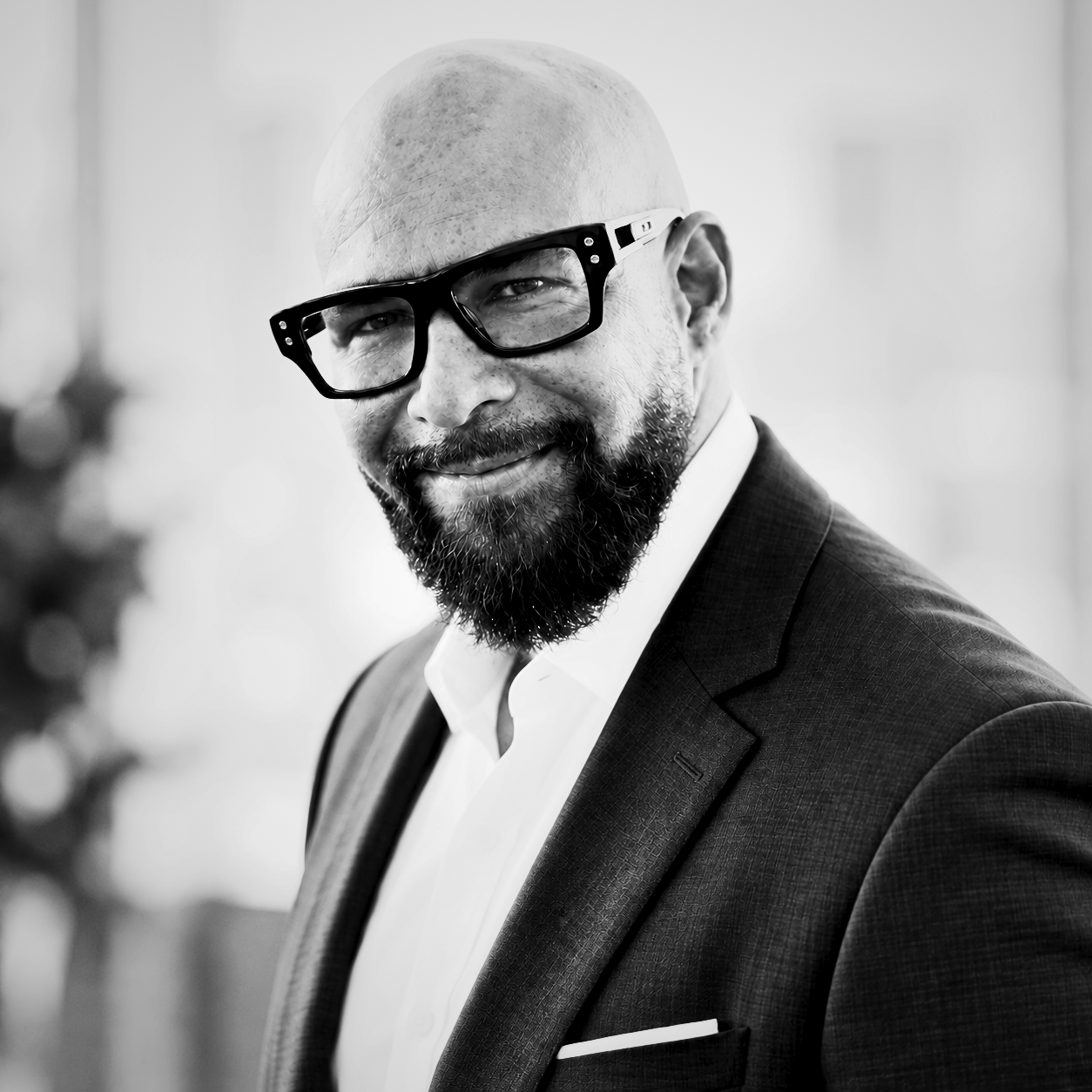
Aaron is helping translate Ventia’s purpose, ‘making infrastructure work for communities’, into practical actions that deliver better outcomes for people, communities and the business.
He leads procurement-driven social value, turning policy intent into measurable, enforceable outcomes without compromising commercial or delivery performance.
He is currently GM Social Value at Ventia, with over 30 years' experience across the UK and Australia in sustainable procurement, social value measurement, and inclusive workforce and supply-chain reform.
He co-founded and co-chairs the Australian Social Value Taskforce, which developed the Global TOM System for Australia, used to define, compare, and manage social value in procurement. Aaron also played a pivotal role in the relaunch of the Supply Chain Sustainability School in Australia a collaboration to create free sustainability learning materials for non sustainability professionals.
His work focuses on moving social value from intent to impact through clear contract requirements, robust measurement, and evidence-first reporting.
Aaron believes in the need for radical collaboration because there is no one organisation or government who can solve the challenges of sustainability alone and there’s nothing to be gained by competing on issues such as climate resilience, social equity or ethical supply chains.
Aaron discusses harnessing procurement to create social value, embedding meaningful measurement into business decisions, and why collaboration across sectors is essential for improving community outcomes and making sustainable business practices mainstream.
Highlights from the interview (listen to the podcast for full details)
[Indio Myles] - To start off, can you please share a bit about your background and what led you to a career driving social value creation and change?
[Aaron Reid] - I certainly wish I’d been more intentional about it from the beginning, given where I’ve ended up. But I’ve had a great time. I’m a very lucky person to work for some of the organisations that I have. I kind of fell into it, if I’m honest.
I fell into recruitment many years ago and was fascinated by what I observed there in terms of who got jobs, who didn’t get jobs and the reasons why they got jobs. It wasn’t always because things were fair, and it wasn’t always the best candidate who necessarily got the job. So I kind of came out of a career, or a short career, in recruitment a little bit disillusioned, but that kind of motivated me to go into a career in diversity.
I worked for an organisation in Birmingham in the UK called Birmingham Professional Diversity, which was a government-funded thing. The idea behind it was to support companies to remove the barriers to attracting the best of all available applicants, noting that the best of all available applicants won’t all live the same, learn the same, love the same, et cetera. So if we want to recruit the best, then we maybe need to look at how we remove some of those barriers.
That was a fascinating piece of work, particularly coming on the back of working in the recruitment industry. But what I really got out of that experience was understanding, or starting to understand, the power of procurement.
I spent a lot of time in Birmingham working with organisations, asking them nicely to sign pledges and commit to recruiting more inclusively. I remember one person in particular who was very direct in their dismissal of what we were trying to do. I remember being very motivated by that and saying, “If it’s the last thing I do, they are going to do the thing that we need them to do.”
I remember I stopped asking her nicely and started talking to some of her customers and saying, “Wouldn’t it be interesting if we could start putting requirements in contracts to compel people to do the things that they might not otherwise do, that we know are in the best interests of society?”
We called it passback at the time, and that’s kind of led to this thing that we called responsible procurement or sustainable procurement and other things. I fell in love with the power of procurement to incentivise organisations, institutions and individuals to compete, actually, on delivering more good for society. Not just to want to do it, but actually to start competing on it.
I left there and went to work for a guy in London called Boris Johnson. He was Mayor of London. I worked at a project called Diversity Works for London, and we focused in on this power of procurement thing. I wrote this mayoral standard for equality, and we embedded it in procurement and put it across lots of different London boroughs, the Metropolitan Police and Transport for London. It ended up being embedded into the London 2012 Olympics and things like that.
Working at Diversity Works for London and the London Development Agency at the time was a real kind of lesson in how to use the power of procurement as leverage to get those policy commitments, the government policy commitments, delivered through procurement.
I came out of that experience and was hunter turned gatekeeper. So after spending years integrating sustainability considerations into procurement, I then came out and worked in the private sector, trying to help the private sector to meet some of those requirements, which was an interesting kind of way to see things.
When you ask people nicely, there are lots of organisations out there who will do the right thing for the right reason, but that's not every organisation and some organisations need more of an incentive. What I find is when you embed and make conditional doing the right thing in order to access public procurement organisations tend to form an oddly queue and get on with it.
But at the end of the day, what we had was loads of organisations who had the right intent but weren’t necessarily having the impact that we were hoping for. It wasn’t because they weren’t spending the money. It wasn’t because they weren’t spending the time. So going in, going native if you like, going inside those organisations really helped me to get a better understanding that you can’t just drop a requirement in and everything will be fine. You actually need to support them to build that capability.
I suppose everything I’ve done up until this point led me to this point. I was lucky with some of the people I got to work with along the way. People like Barbara Morton and Shaun McCarthy, who were some of the authors of the original responsible procurement flexible framework that came out of the UN way back when, and the authors of BS 8903 and ISO 20400, about how we consistently integrate sustainability into procurement.
It was inevitable. I think I’ve always been somebody who’s keen on fairness and likes to see social justice, but realised that asking people nicely probably wasn’t going to be the most effective way to deliver those outcomes. I’m super pleased I stumbled across the power of procurement as a way to do that, and now I find myself here in Australia.
As GM for Social Value at Ventia, can you share more about your role and how you’re creating positive social impact through procurement and infrastructure?
I’ve only been in Australia three years. I came here for Ventia. My entire understanding of how we do things in Australia is very much through a Ventia lens.
What I think they saw very early on, and part of the reason I think I’m here, is a couple of things. One, I think, is that sustainability challenges are too great for any one organisation to try and solve by itself, or for any one country to try and solve by itself. There’s nothing to be gained by competing on climate change, social justice or modern slavery. We have to come together and work with other people if we want to deliver better outcomes.
This isn’t an exercise in counting things. It’s an exercise in impact. We recognise, or Ventia certainly recognises, that there’s a need to collaborate, and so that was built into my role, which I’ll come to.
The other thing I think they saw pretty early on is that sustainability and social sustainability, as much as it’s the right thing to do, is not a fluffy agenda. If you treat it as such, then you’ll get the outcomes you deserve. They very much were trying to be intentional with the investment, the initiatives and the activity so that it achieved an outcome, which was to contribute towards delivering against their sustainability objectives and their customers’ sustainability objectives.
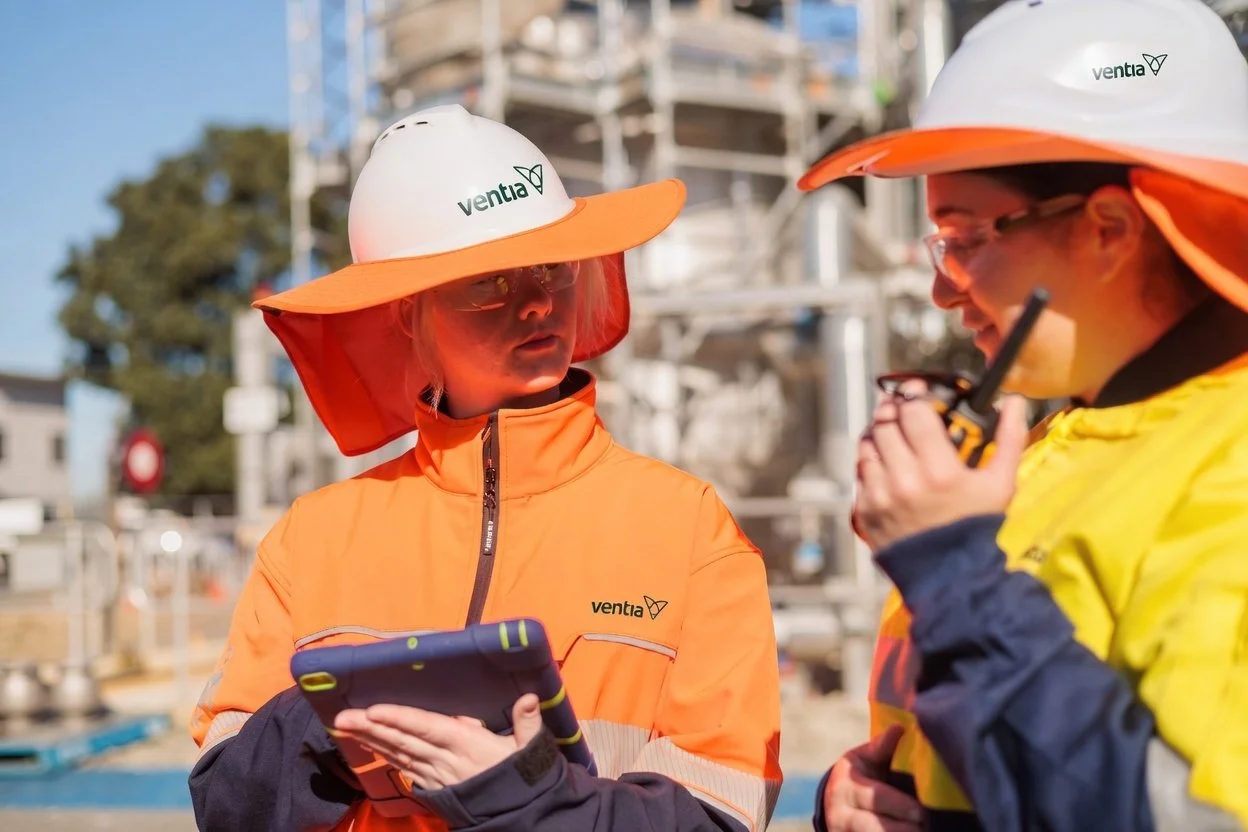
This, I think, is one of the key things around what I do. Something like 75–80% of our customers at Ventia are public sector organisations, and increasingly they are putting more and more weighting in their bidding process on social sustainability. We’re seeing upwards of 30% weighting on things like local spend and local employment. That doesn’t even include things around environmental impact or value for money.
It’s a very significant weighting, and where all other things are equal, this relatively new thing called social value is now differentiating and deciding who wins and who loses work. This is a great thing to do, and I love my job. I love seeing the impact that we can have on people, places and individuals. But I also love the fact that it’s a sustainable thing to do because we win work because we support organisations to be successful and deliver on their customer requirements.
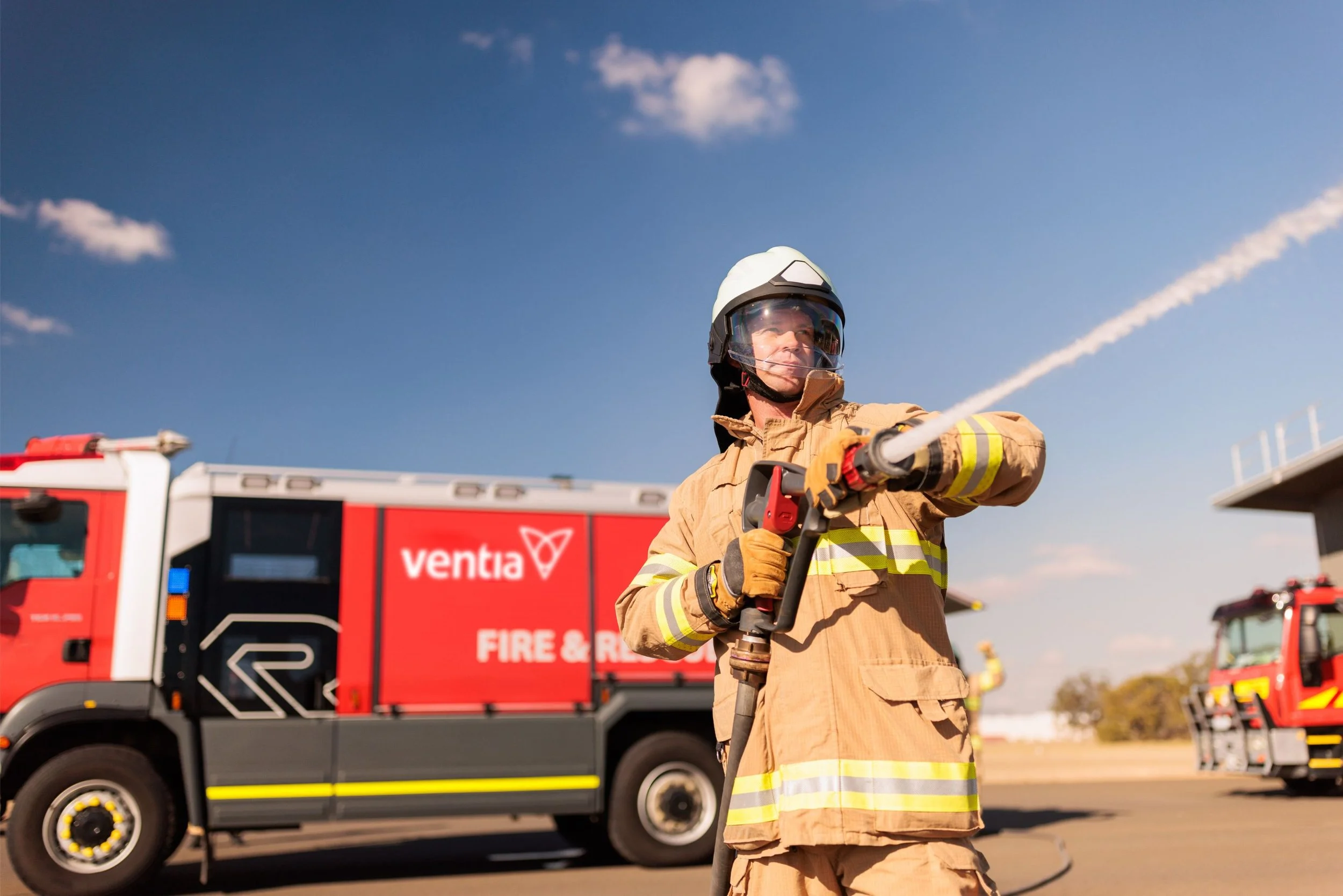
My role at Ventia is very much around trying to build a common and consistent approach to social sustainability across our business, but also across our industry. We are doing work with the Social Value Taskforce, and this was that collaboration piece where we understood we can’t do this by ourselves.
One of the big challenges around social impact measurement is the lack of consistency. There are thousands of different methodologies for calculating social return on investment. Everybody’s got a new one, and everybody’s is better than the one before.
It’s great. I’ve had wonderful arguments with people about why one is better than the other. The problem is it’s all apples and pears, and so I cannot tell whether somebody’s wonderfully polished golden pears are more or less valuable or impactful to society than somebody else’s shiny apples.
There needs to be, in my view, a common and consistent way that we can compare these things and talk in the same language. That’s what we tried to do with the Social Value Taskforce. That was 60-odd different organisations from the public, private and voluntary sectors, all kind of coming together to find a better way to do things so that we can understand the work that we’re doing.
My role at Ventia is around trying to develop a common and consistent approach to social value, both across our business and across our industry, so we can begin to compare and understand our relative performance in these spaces. There are so many different methodologies for social return on investment, but they’re so different that we can’t actually compare.
As a buying organisation, you can’t tell who’s better or worse. As a supplying organisation, we want our customers to be really clear on the value of our contribution versus somebody else’s. I’m super happy to be doing that sort of collaboration.
We also collaborate around capability, which I think we’ll probably talk about later on with the Supply Chain Sustainability School. Again, trying to get that common language and common understanding of our shared challenges across our business as well as across our industry.
The other thing that I do is around understanding our impacts, which is about proving and improving our impacts. On the one hand, yes, from a work-winning perspective, meeting that 30% requirement, meeting contractual requirements and evidencing that we’re doing the things that we said we would do, absolutely, we need to prove. But the most important thing is that we can improve, and that we use measurement as a way of causing our projects, our leaders and our suppliers to compete. As I said before, that’s competing on delivering more good.
The measurement, for me, is important. It needs to be robust and it needs to be accurate, but more importantly, it needs to be comparable so we can get people to compete so they can actually start delivering more.
When I started at Ventia, social value wasn’t really a thing we spoke about a lot, and not everybody understood it. What I realised was, at the end of the first year, when we gave everybody their numbers, as much as people didn’t always understand what social value was, everybody leant in and said, “Aaron, how do I get a bigger number?” Because they wanted to compete.
Everybody wants to do better, and the way you do better is employment, more spend in remote and regional areas, more spend with social enterprises. So we’ve started a great competition, and people are responding. The great thing about that competition is the outcomes we are delivering are amazing and are transforming places and people’s lives where we operate.
How would you recommend organisations move beyond good intentions and embed social value and impact into their systems, processes and decisions?
I think you’ve got to start with why, and be super clear on why it is you are trying to do this, because different organisations have got different reasons. We are very lucky to be part of a global Social Value Taskforce, and so we sit alongside organisations like Amazon and ISS and others. It’s fascinating listening to Amazon because their use case and their business case are wholly different from ours.
I think if you’re not clear on the reasons why you’re doing what you’re doing, you can be led into prioritising the wrong actions or not sustaining the right actions when maybe times get difficult.
From a Ventia perspective, I suppose it was around kind of four or five things. It was around purpose, it was around our people, it was around the places that we operate and ultimately around our profitability.
From a purpose perspective, our purpose is ensuring infrastructure works for communities, or making infrastructure work for communities. A fundamental part of what we do is that, through social value, we use our social value program to turn that purpose into tangible, actionable things that we can do to deliver positive outcomes for communities. Not accidentally, but intentionally.
The people thing, every single year when we do an employee survey, our people tell us they want an opportunity to give back to the places that they’re from. Overwhelmingly, our people are local, from the places that they work, and it’s important that they have an opportunity to give back. That’s what they want, and so for our people, it’s important.
For the places, each place is different, and they have unique kind of needs. Those needs have been evidenced and detailed within an inch of their life by lots of different organisations and governments. We know what’s required in the places, and we know what our capability is, so it’s not that difficult to lean into supporting the needs of those places.
If there are particular issues, then we can focus our employment and our spend on those issues. If there are particular places, then we can target our spend and employment in those places that would have the best and maximum impact for the local economy and for Australia more broadly. Why wouldn’t we lean into the things that are important to the people in the places that we’re operating? That’s what we try and do.
The other thing is around profits. Again, we’ve spoken about 80% of our customers being public sector and 30% of marks in those bids. There’s another piece around that, I suppose, which is around supply chain. Most of what we do is delivered by our supply chain, and so organisations need to focus in on what they’re doing with suppliers.
In fact, arguably, I would say if you did nothing within your own organisation, you could probably have more impact just by focusing on your supply chain. Look at carbon, for example. For most organisations, 90-odd per cent of their emissions are Scope 3. They are not Scope 1 and 2, and it’s the same for us.
Most of what we deliver is in our supply chain, and so most of the opportunity to deliver social value sits with our suppliers. It’s really important to get a handle on who you’re working with and to create the conditions to support them.
I think there’s a thing around incentives. How are you incentivising your board? Do they understand what’s coming around TISFD, for example, and what that’s going to mean? How have we linked this to remuneration and executive pay? How have we tapped into the desire of leaders to create legacy and want impact, and to do that through these types of programs?
What about buyers and public sector buyers? Have they understood that they can deliver their policy commitments through procurement? I’m terrified at the fact that we keep talking about what we need to deliver globally and all this sort of thing, and we don’t seem to be moving any closer. So there is a need, for me, to do something different, I think. Maybe that’s around incentives and that power of procurement thing. If you want to move the public sector to get them behind these agendas, then use the power of procurement more intentionally.
I would say there’s a piece around relevance, proportionality and authenticity, and not doing one size fits all. Doing things which are relevant to your business and proportionate to the size, scale and nature of your operations. Be authentic. If you know it’s important to you to work with veterans, then do that. Don’t just follow somebody else’s thing. You have to do what’s right for your own organisation.
There’s also a piece around culture. In Ventia, we’ve extended our approach, or expanded our approach, beyond the traditional approaches to DEI to fairness, inclusion and respect. Partly that’s about creating the conditions for people to feel enabled to extend that fairness, inclusion and respect into how we engage with communities, as well as how we engage with each other.
There are lots of things that people can do, but I think the most important thing is to do something. There are some real practical tools out there. The Supply Chain Sustainability School is one that I’ve mentioned. It is free for everybody and is designed to address the market failure that all of these government and corporate policy commitments tend to fall, actually, on the supply chain.
Supply chains predominantly are SMEs, and SMEs don’t tend to have the capability, wherewithal, inclination or budget to keep up with the changes, let alone build the capability to deliver against them. So the Supply Chain Sustainability School is deliberately designed to address that market failure.
If there’s one thing that people do, I’d say go and log in on the Supply Chain Sustainability School. It’s been funded by others so that cost has been removed as a barrier. It’s buyers talking to suppliers about what they want them to know around sustainability: knowledge for non-sustainability people. Did I mention it’s free and funded by Ventia, BlueScope and John Holland?
It’s a real manifestation of what we talk about at Ventia: “Together, we go further.” It’s not just a tagline. It’s what we believe. We cannot achieve these things alone, and we have to work together. Things like the Supply Chain Sustainability School and that collaboration, and things like the Social Value Taskforce, are just practical manifestations of our belief that together we go further.
What does meaningful measurement of social value and impact look like to you, and how can we ensure it leads to better decision-making that creates more good?
That’s kind of the point, right?
I’m super glad you added the last bit to your question because, for me, it’s this whole thing about what is the purpose of measurement? Why are we doing it?
There’s a lot of time, effort and energy spent by a lot of people, a lot of money spent on counting things. Then a lot of people assure the fact that we’ve counted correctly, and then there’s sometimes limited assurance of that assurance that we have counted that thing correctly. So there are a lot of people involved in measurement. It better be worth it.
For me, it has to be linked to the outcome. There are a whole lot of people and a whole lot of measurement which is strictly about proving stuff. That’s valid. It’s necessary. It’s about compliance. It’s about communication. But actually, if that thing that we are counting is only proving something and isn’t improving the thing that you are counting, then what is the point of the thing that you are counting?
I despair sometimes when I look at my colleagues in the carbon world, the amount of effort, energy, intelligence and problem-solving that goes into that agenda, and yet the thing that we are counting is not getting any better. In fact, it’s getting worse. So what’s the role of measurement in that case?
From a social perspective, it’s important that we stay connected to the outcomes and remember the beneficiaries that are involved here. The purpose of measurement in social isn’t to maintain a system to have the ability to prove to somebody somewhere that we did a thing. The purpose of doing it is to drive more outcomes.
It’s the reason why I love the TOM System. The Global TOM System, which we adapted for Australia, is all about using that power of procurement to drive supply chains to compete on delivering more good.
There is criticism from some people, and I debate economists endlessly about different methodologies. Some people come and they say, “Aaron, in the methodology that you’ve chosen to use out of all of the thousands of others, you apply a proxy value of $1.51 for this thing, and I think it should be $1.52. Let’s stop everything until we can agree.”
I just don’t think we should. I think that it’s important and it has to be robust, but it’s got to be driving the outcome. When we use the TOM System in the way that we do, and we get suppliers to compete on delivering more good and then hold them accountable in the contract for delivering those things, and we get our projects to compete on delivering and hold them accountable for delivering these things, we’ve got the outcome for the economist to argue over.
If we have the argument first, then we’re not going to get the outcome. What I know from the work I certainly did with the TOMs in the UK and the work we’re doing with the TOMs here is that it has a dramatic, transformational effect.
People will get jobs who weren’t going to get those jobs otherwise. Organisations and places will get spend and investment that weren’t going to get that spend and investment otherwise.
For me, measurement is absolutely magic. It’s super important, but we have to use it intentionally, and we have to use it for the right reasons. If the only thing we can pat ourselves on the back for at the end of the year is that my number is more accurate than your number, that’s not success in my eyes. We have to have delivered better outcomes for society, and if we’re not measuring on an upward curve, then we need to look again at how we’re using it.
We talked earlier about incentives, and it’s about how you use measurement to play its part in acting as an incentive for those people who are capable of making the decisions that would have that dramatic impact.
The wonderful thing about social value more generally is we’re not asking people to do anything new or additional to what they were already going to do. They were already going to spend money. They were already going to employ people.
The thing is about using measurement to get people to be more deliberate, because if the people they employ are those who are usually excluded, that will have a disproportionate and positive impact on society and on the economy. If the spend goes to organisations in those places that are most disadvantaged, most remote or most economically challenged, then we know that spend will have a disproportionate economic impact.
It’s right, I think, that we have a measurement system that incentivises people to do those things that we know, because all the evidence is there, will have the most positive effects on society.
The thing I’m most excited about with the TOMs, I suppose, and the TOMs measurement system, is that typically in Australia and New Zealand, we use the levers of procurement, absolutely, to incentivise the supply chain. But we’re pretty narrow in the things that we get them to do.
It’s fantastically effective in driving people towards spending more with social enterprises. It’s fantastically effective at driving people to spend more with, and employ more people from, Aboriginal and Torres Strait Islander communities.
However, there are lots of other things that we could engage the supply chain and the private sector in delivering. With the TOM System, we’ve got 101 new things that we’ve decided, from the evidence as a taskforce, that we can incentivise our supply chains to target.
We’re really excited to see what the wave of that kind of activity will deliver, not just in terms of the numbers we can measure, but in terms of the real people, the real organisations and the real places that benefit as a result of the incentives that we created through the procurement process using the TOM System.
It’s a little bit sad and nerdy to get so excited about measurement, but I’m afraid that is who I am!
What does effective collaboration look like in this sector, and how can we create the conditions for government, private and not-for-profit organisations to work together to create systemic change?
The key to all of them, I think, is an honest broker in the middle. Whenever I’ve tried to set up or participate in a collaboration across the private sector, a couple of things happen. One is that who set it up matters, and nobody wants to join somebody else’s club because everybody wants to start their own club.
So having somebody independent, in the case of the Social Value Taskforce, we have Social Value Portal, and in the case of the Supply Chain Sustainability School, we have the School itself. They allow us to cluster around and have those conversations.
But there are a couple of factors that I think are key. One is around collective intent, and that is just getting clear from the beginning: “What is it we have in common here? What is it we are trying to achieve?”
Articulate that early and clearly, and that is your North Star, because on another day, on another topic, these organisations may be competing. So you need to be clear on the boundaries within which you are trying to collaborate.
There’s nothing to be gained by competing on climate change, modern slavery or social justice. There’s a collaboration we’re about to do around modern slavery. There are likely changes to the Australian Modern Slavery Act coming in this year or early next year, and likely a new Modern Slavery Act, or a variation on the theme, coming in New Zealand. It’s going to have implications for organisations.
Those implications we are all starting to think about, and we have two choices. We can all run away in a thousand different directions and come up with our own interpretations on that theme, and then inflict our different interpretations on our shared supply chain, with requirements all asking it to do the same thing in an ever so slightly different way and report using 15 different systems. We add complexity, we add cost and we undermine the ability to deliver.
The Supply Chain Sustainability School is a great example of where we can create a space to come together to consider together: what is the opportunity? What is the challenge around modern slavery? What is the learning resource that we could collaborate on and share with our joint organisations, our joint supply chains and industry more broadly? There’s kind of a more consistent message, interpretation, common language and common understanding of a shared challenge like modern slavery. But again, it couldn’t happen if you didn’t have that independent person in the middle.
The other thing is talk and do shops. What I find is that a lot of industry collaborations are talk shops. We all go there and we talk about this problem: “I’m not happy about this,” and, “Wouldn’t it be great if we could do that?” Then we get some actions, and then we go away and we get busy, and they don’t get delivered. Then we come back and we apologise, and nothing ever gets done.
The difference, and what I love with the Supply Chain Sustainability School, why I think that collaboration model works, is because it’s a talk and do shop. We all come in as kind of industry reps to say, “Modern slavery, this is what we think, this is what we’re worried about, this is what we think we need.”
The Supply Chain Sustainability School then goes away, does the work and brings it back. So we do the talk, they do the do, and then we discuss: “Don’t like this, change that, change the other.” We collaborate around a straw man as opposed to actually having the action to do.
I think there’s a thing about being honest and realistic about what these collaborations tend to achieve, and what therefore is necessary to put in as infrastructure to support that achievement. Certainly, the honest broker and somebody to do the doing as well are super important.
I’ve talked way longer than I intended to there. But certainly, there are some good examples that I have seen, and the Social Value Taskforce is another one, as well as the Supply Chain Sustainability School. But again, it came back to that collective intent.
We all had a collective desire to want a common and consistent understanding of what different organisations are doing around a similar agenda. Different organisations came at that shared problem from different angles and for different reasons, but it was the same collective intent. We all wanted a common and consistent way to measure, to talk about and to assess social value, and then to support our supply chain to understand that.
You’re speaking at the upcoming Social Traders Convene event in Brisbane. What are you most looking forward to, and what will you be speaking about?
I love the Convene event. There are two things I think I love most about it. One is the energy. You can’t come away from that not feeling energised. It’s enough to keep you going for the next 12 months because we all work in places and organisations where we’re not all surrounded by people who do what we do. They’re not focused on the things that we do. So suddenly, to be in a place, in a space where you are surrounded by people who are all doing what you’re doing, is inspiring. I have always enjoyed that about it.
Just the quality of attendees and the quality of the discussion have always been fascinating to me, and there are actionable takeaways. Sometimes you go and people sit and waffle and tell you how great they are and all this sort of thing. But actually, at Convene, I don’t know how they’ve organised it or structured it, but I find there are things I took straight back to my organisation and could do, or could share with colleagues and they could do. So it’s hugely beneficial, certainly to me, and I would encourage anybody to attend for the same reason.
The other thing I like, I talked about the quality of attendees, is that opportunity to check in with what other people have been doing. Again, we’ve all had our heads down for the last 12 months doing what we’re doing, and then you pop up, and it’s great to hear what’s worked, what hasn’t worked, what people are trying and what we can collaborate on. At least two pieces of work that I have continued to work on over the last year started with conversations that initiated at Convene last year.
I love Convene, absolutely recommend people attend, and am really looking forward to going to get my jolt of energy and motivation for the year.
To be honest, I’m not sure what I’m talking about. I think I’m going to be talking about sharing our story in terms of how we are trying to be more intentional about the impacts that we have with our spend and our employment, how we’re trying to share that approach with anybody who will listen, and how we’re trying to remove cost as a barrier to organisations getting involved.

We are very much keen for government, the public sector and our other customers to come with us on this journey and help us work with broader industry and supply chain to achieve better outcomes. We want better value from the public sector purse in the first place because these are your and my tax dollars they are spending, and we want to make sure that they’re going as far as possible.
We know, by using some of the approaches that we’ve got and by driving spend through social enterprise and the like, what the benefits are. Everybody knows the benefits, so it’s about how we create a system.
That is, I think, what I’m going to be talking about. A little bit about what we’ve done so far, what we think it means for where the rest of Australia can go. We’ve got a really interesting case study from the UK that we can look to because the thing that we are starting to do now is something that they’ve been doing for about eight to ten years. It has been transformational over there.
I’m probably going to talk about that, and if I change my mind and I end up talking about something completely different, please don’t hold that against me! I do have the right to change my mind and talk about something else!
Where do you see the greatest opportunities to grow the business for good movement, and what will it take to make social value creation business as usual?
Mass adoption within the public sector. Very straightforward, because imagine if the entire public sector adopted an approach that integrated social sustainability considerations en masse, that reflected the specific needs of a particular place. So not a one-size-fits-all kind of generic approach, but imagine if we did that everywhere, consistently, on every piece of procurement.
Nobody could win any public sector work unless they committed to delivering against these things, and nobody could win any more public sector work if they didn’t deliver the things they promised to deliver in the last contract that they had. Imagine the impact that that would have on society in terms of the outcomes that that would deliver through the chain.
I appreciate not every organisation is tucked directly into the supply chains of the public sector, but most organisations are tucked into the supply chains of those organisations who are tucked into the supply chains of the public sector. So there is this kind of flow-down effect that will bring more in.
Again, I appreciate not everybody’s involved in that, but if you can imagine the impact of just that in terms of the outcomes that we’ll measure and hold people accountable for, and the way that we can target those outcomes towards those places, those issues and the issues in those places that we already know, it could have a transformational effect.
For me, it’s really simple. It’s all about the power of procurement. It’s one of the things I think I’ll continue to talk about, and it goes back to my experience of working in the public sector in the UK. I worked for Boris Johnson when he was Mayor of London, and I worked for a guy called Andy Street when he was Mayor of the West Midlands. We consistently, successfully and repeatedly used the power of procurement to incentivise the private sector supply chain to compete on delivering more good.
We get numbers, but we get stories and we definitely get impact. I encourage anybody to look at the evidence of the last ten years from the UK.
I think there are definitely other things, I’m sure, but that’s the thing at the front of my mind at the moment.
What inspiring projects or initiatives have you come across recently creating a positive change?
So, so many. I have mentioned the Supply Chain Sustainability School. Please go and have a look at that. I’ve mentioned the Australian TOM System. Please go and have a look at that.
There are other organisations that I love the work of. There’s an organisation called Think Impact, who are the absolute highest standard as far as I’m concerned, in terms of best practice in measuring social return on investment. The depth and the quality of work that they do is inspiring to me, and I would encourage anybody to look at the work that they do.
Social Traders is an amazing organisation. The disproportionate concentration of highly clever people who they have within that organisation doing the work is insane to me. Quite how they’ve managed to bring that team together and keep them together to do that work is amazing. They do fantastic things; I love just being associated with them. Anything they think is a good idea, I’ll happily support. So again, if you are not familiar with the work of Social Traders, you absolutely should go and have a look.
A couple of other things I suppose I’d like to mention include the Frankston Social Enterprise Hub in Victoria. This little kind of tightly knit procurement community of public and private sector buyers and suppliers who genuinely meet on a regular basis, trying things, doing things, not just talking about things, to see what would improve opportunities and create more opportunities for social enterprises. I love spending time with those guys.
If you’re ever down in Frankston or near the Mornington Peninsula, you should go and have a look. Mornington Peninsula Shire, another great organisation with super clever people in their procurement department, doing interesting things to try and make taxpayers’ money go further to deliver on things for local communities.
The guys at VIDA, the Victorian Infrastructure Delivery Authority, Telstra, Transgrid, so many different organisations pushing and trying. I think the private sector doesn’t always get the credit for doing this stuff, right? Because we are big, bad and profit-making and all this sort of thing. But I can tell you there are some amazing people and some amazing leaders in these organisations that recognise we can win and we can make money, but we can do that in the right way, and we can definitely do it better if we work together to do that.
The last people I’d mention, I suppose, are some of the Aboriginal and Torres Strait Islander people and organisations that I’ve worked with. I am not from Australia. I’ve only been here for three years, and so lots of things are new to me. They are the people I have been most inspired by.
We have a project, a joint venture with Wajarri Enterprises Limited, on our SKA project in Western Australia, and it’s a genuine collaboration, not a supplier-buyer type relationship. Those types of people working to try and find genuine ways to empower and support self-determination. Again, you don’t always see it and you don’t always expect it, and so to find that in my own organisation, it’s properly inspiring.
There’s one other organisation I’ve had the chance to work with in Victoria, which is Dardi Munwurro. These are the real deal, properly, authentically committed to delivering better outcomes for other people. The selfless way that they operate, again, I find just being around them is inspiring.
So many people in this country doing so many great things. What I would say is imagine if we could get all of those people finding a collective intent between them and leaning in the same direction. What an amazing impact we could have.
What do they say? “When spiders unite, they can tie up a lion.” That’s the power of collaboration.
To finish off, what books or resources would you recommend to our audience?
Go and have a look at the School. Go and have a look at the TOMs. There’s another resource called ISO20400.org. It’s a free, funded resource to support organisations who are trying to integrate sustainability considerations into their procurement and supply chain more generally. It’s linked to the international best practice standard, which is ISO 20400. I have had many things out of that resource over the years, as well as out of the School, so definitely have a look at that.
Two books. One is Our Iceberg Is Melting, and I don’t know if you’ve seen that book or heard of it. I love that book because it’s got lots of pictures, and that appeals to my desire to rapidly absorb information. It was written by five guys who typically write leadership books by themselves, and they decided to write a leadership book in the form of a parable. I love it.
The big takeaway I got from that book, and there are many, is it’s not enough to be right. You have to be able to bring people with you. I think especially in the sustainability space and the social space, so many of us have got belief in the things that we do and the reasons why we do them, but that’s not enough. Just because we believe them doesn’t mean that they’ll be a priority or necessarily be something that everybody else gets.
Our ability to turn our passion and our belief into something which moves other people who might not have the same passion, I think, is really important for people who work in this space. Because if we try and convince everybody, persuade everybody, we’ll be waiting a very long time before we get action. I don’t think we need to persuade everybody. We just need people to do things differently, and that doesn’t always require them to change their minds about things.
The other book I would say, and I’m recommending this book without having read it, and I’m saying that because it is right there and I have got to read it, is a book by a guy called Paul Callaghan. This book is called Leading from the Dreaming, and it’s kind of 65,000 years of Indigenous leadership principles condensed and compared and contrasted against Western leadership principles.
It’s a book I don’t think has ever been written before, and it’s an insight into knowledge that’s never been made available before. I got a copy very recently, and I just can’t wait to find the time to kind of get into it.
If you get a chance, anything you can find out about Paul Callaghan, Dr Paul Callaghan, and anything you can find out in terms of this book and his many other books, I would highly recommend.
Initiatives, Resources and people mentioned on the podcast
Recommended books
Our Iceberg Is Melting: Changing and Succeeding Under Any Conditions by John Kotter and Holger Rathgeber.
Leading from the Dreaming: Indigenous Thinking for Authentic Leadership by Dr Paul Callaghan.

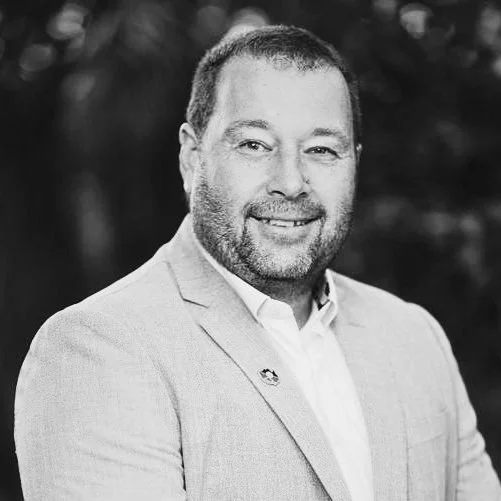

On Episode 649 of Impact Boom, Aaron Reid of Ventia discusses harnessing procurement to create social value, embedding meaningful measurement into business decisions, and why collaboration across sectors is essential for improving community outcomes and making sustainable business practices mainstream.