
Dr. Tanvir Uddin On Unlocking Impact Investment To Support Underserved Businesses And Communities
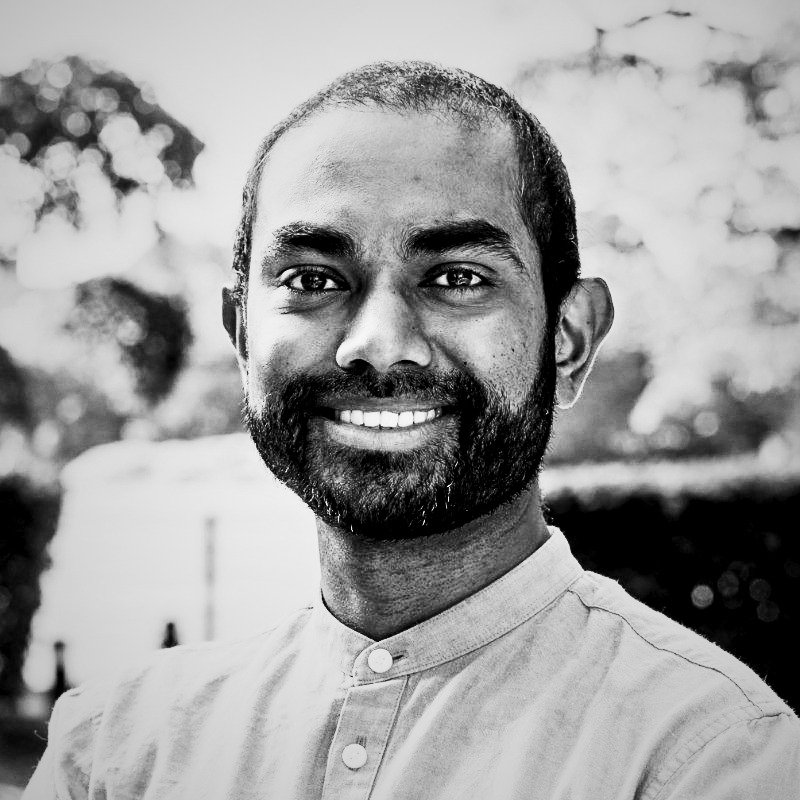
Tanvir is Founder and CEO of Wholesum, a leading platform to increase access to unique ethical and impact-focused investments.
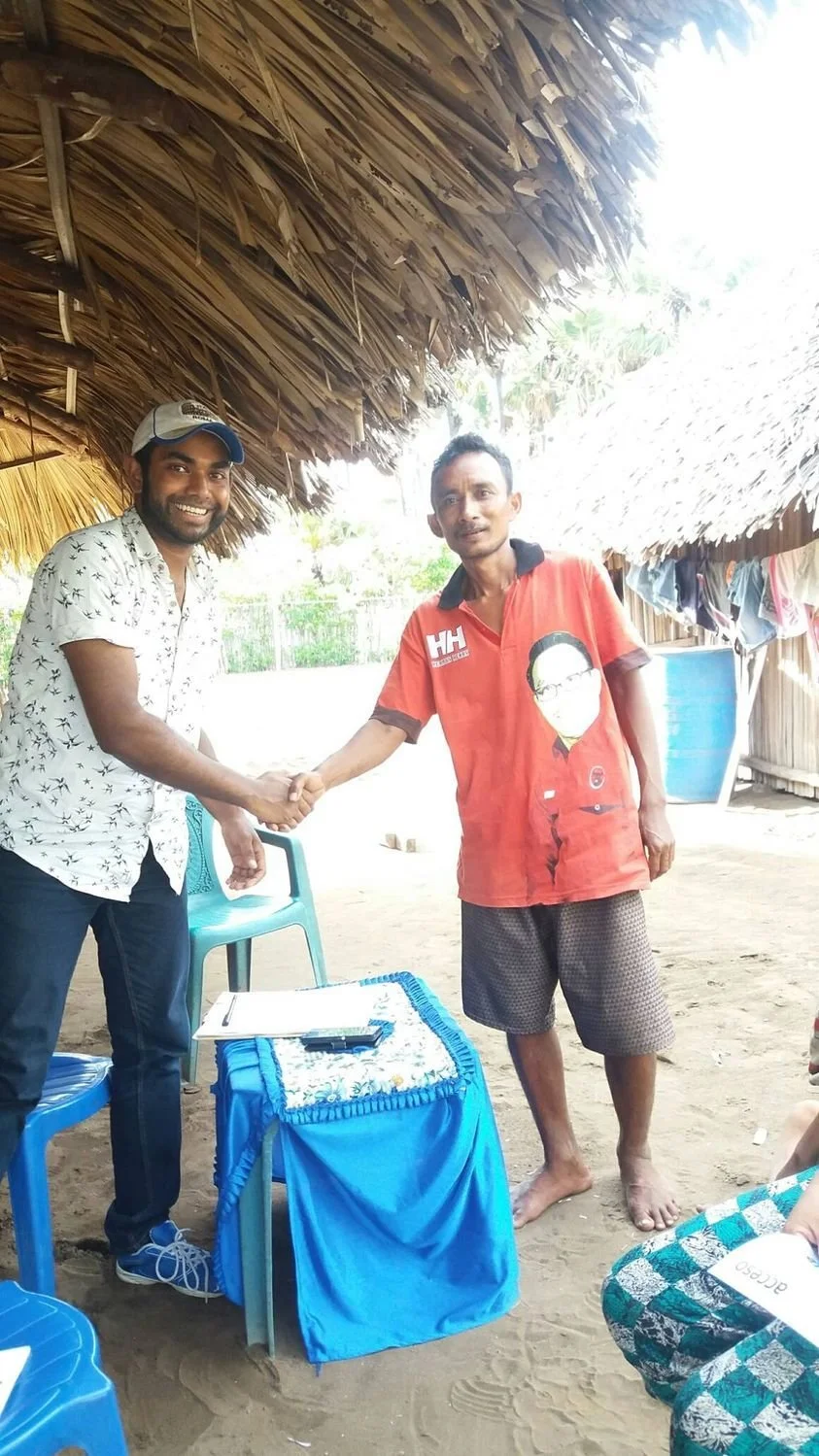
He was previously Co-Founder & CFO of a venture-backed electric vehicle marketplace and e-commerce SaaS start-up called Vyro and was a Commercial Manager at the leading Australian solar fintech, Brighte. Prior to his entrepreneurial career, Tanvir was a management consultant at McKinsey in Sydney and worked in impact finance in Indonesia with the Clinton Foundation/Acceso and Saudi Arabia with the Islamic Development Bank.
Tanvir holds a PhD from the University of Sydney where he examined the intersection of Islamic law and sustainable development through microfinance programs. He has published several peer-reviewed journal articles and book chapters exploring Islamic fintech, access to finance and sustainability.
Dr. uddin discusses expanding access to ethical investment, financing underserved businesses in emerging markets, and how financial innovation can mobilise capital to create meaningful social and environmental impact.
Highlights from the interview (listen to the podcast for full details)
[Indio Myles] - To start off, can you please share a bit about your background and what led you to work in impact?
[Dr. Tanvir Uddin] - For some background and context, the most fundamental thing was my migration experience. I was six years old, and my mother had obtained a skilled migration visa to Australia because, in the early nineties, there was a shortage of teachers in Australia, and she met the qualifications.
That whole experience of being plucked out of Bangladesh, where so many young people just don't have the same opportunities as I have been fortunate to have had while growing up in Australia, obviously opened up many doors. But we used to go back quite regularly to Bangladesh, and we still do, maybe every couple of years. Growing up, I remember seeing over time how privileged I was.
I remember there were open sewers and drains opposite the houses that I had lived in (my grandparents' house). I remember walking across the rail tracks where there were slums, and those memories are very vivid for me. I actually spent a semester back in Bangladesh, and I remember that, even many years later, they still existed.
That jarring kind of realisation, and regular reminder of where I was growing up and what sort of place I'd left home to get to, made me think, “Where do I fit into all of this? What does it mean for me?”
I grew up with a lot of stories of my parents and grandparents doing incredible things in community service. My maternal grandfather used to serve in the British Army, and then he served in the Pakistan Army and finally retired in the Bangladesh Army, through that tumultuous period of the British Raj disintegrating and separating into nation states. He's seen it all. He's seen the massacres during the separation of India and Pakistan, and he was someone who was active in the community.
When I couple the stories of the people who have inspired me and who I've grown up with, with the realisation of how much privilege I have in Australia, I've always wanted to do something meaningful. I always thought, “It can't just be that I'm going to have a great life and get a great job.” There's nothing wrong with that in and of itself, but I always felt, “Look, I've got a big connection to Bangladesh, and I want to give back.”
The question was how and where to do it. To be honest, I have tried many other things. My first full-time job was working at an NGO called Muslim Aid Australia, a small to medium-sized NGO with about $2–3 million turnover.
I originally thought the charity and NGO space was for me because they do a lot of amazing work. But I soon realised that it wasn't the best fit, because I was thinking about how we could go beyond always asking for donations or raising money through campaigns when there's a natural or man-made disaster. What about systemic problem-solving?
That's something that kind of kept eating at my mind, and so I didn't stay too long at an NGO. The path that led me to finance was not intentional.
I did not study finance as an undergraduate. I was very much a humanities student. I still, I guess a little bit smugly, look at my friends in accounting and finance and see all the copious bookkeeping and ledgers and all the quantitative work that they were doing. I'm thinking, “Gosh, I escaped finance.”
One of the turning points was that I was fortunate to get a scholarship to go to Harvard. I was studying a semester there, taking a couple of subjects in the college and at the law school. I had a friend who had organised a social enterprise conference at Harvard Business School, and he said, “There's this event that we're organising. Come along and check it out.” I thought, “Okay, this is really interesting.”
When I went to that event, I remember listening to a panel that had some amazing social impact finance organisations and enterprises presenting. One of them was Acumen. I was looking at the people representing the organisations, and I was very curious, so I looked them up after.
I realised a lot of them had a background in professions like management consulting and investment banking. I was thinking, “That's interesting. I would not have thought that was a place to go to have impact. I thought that's where you went to make a lot of money, and, as some people might think, to a certain extent even do some harm in the world.”
But what I realised was that those professionals were applying skills they were learning in the corporate, banking and finance worlds. They were using those skills and their knowledge to solve problems that were protracted, complex and required finance and stakeholders to come together in a way that was meaningful.
That kind of led me down the path of management consulting. I had my first sort of break with an impact fund, which was a Clinton Foundation partnered fund with Frank Giustra, who was a billionaire backer of the Clinton Foundation. I got to work in agricultural finance in Indonesia.
That was my foray into that space, something that I would not have imagined even maybe five years before that. But I'm very grateful for that whole journey and all those experiences because it definitely helped cement that interest, but also showed me how those skills were still relevant there.
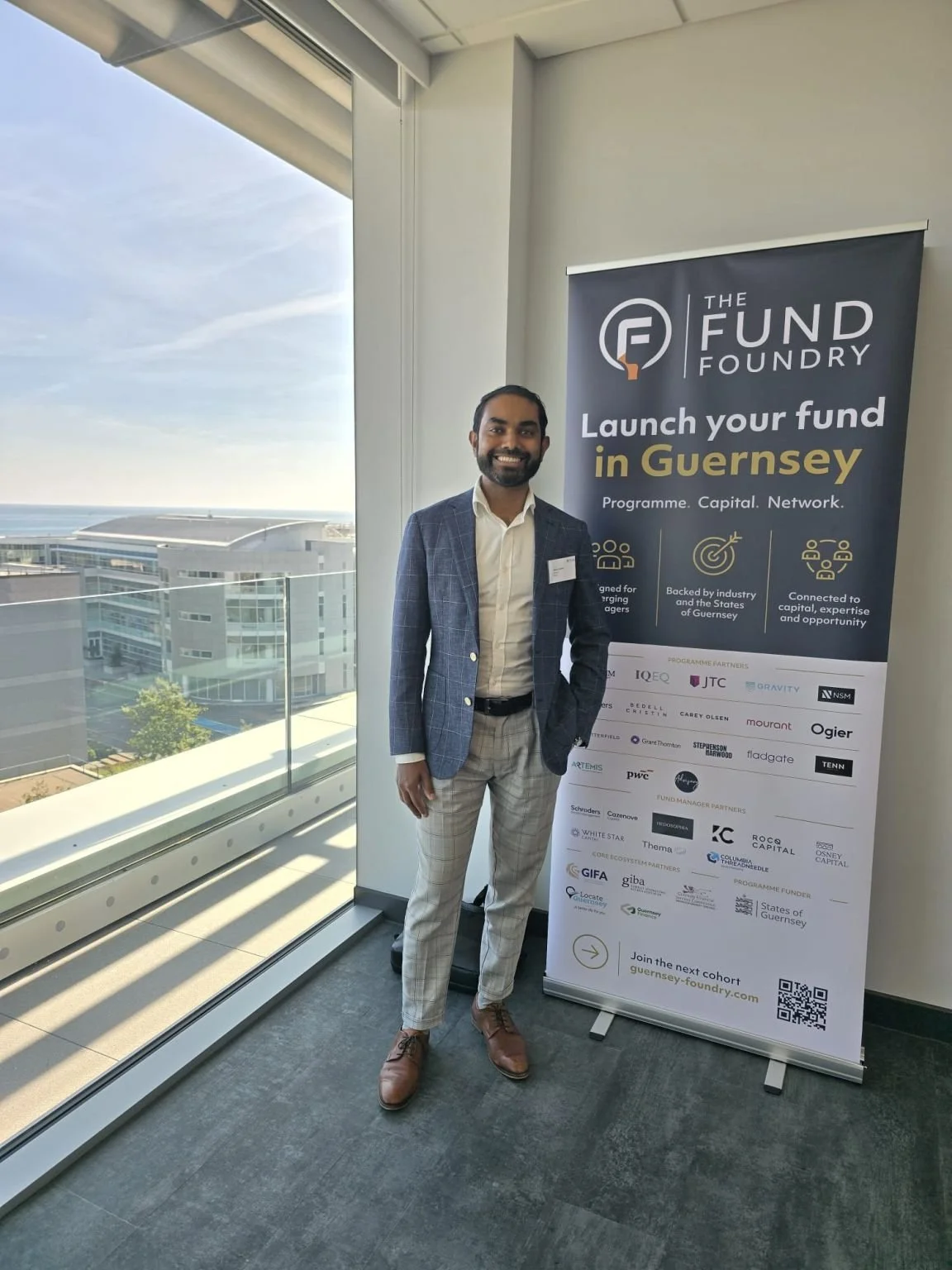
You're the founder and CEO of Wholesum. How are you using finance and investment to create positive outcomes for people?
Wholesum is my secret way to get more impact happening under the guise of being a fintech or a startup that's solving problems. Ultimately, we're trying to solve problems that matter to the world from a social and environmental perspective.
Wholesum started not because people were demanding more impact. This is going back three or four years now, but a lot of people in Sydney around me, in my communities, family, friends and networks, would ask me questions because I had studied finance and you knew a little bit about investing. Well, I'm not a financial planner, so I don't know if I could give them all financial advice! But the most common question was, “How do I invest my money?”
There was a general interest in ethical finance, and people would say, “I don't want to invest in nasty things or perpetuate an unequal global order.” Most people were familiar with stocks and property, and crypto was on the rise through 2018–2020.
I was thinking to myself, “I can see that there is a gap in the market, particularly in Australia, for more ethical investments.” The most natural thing people might go to is perhaps a better screening mechanism to filter out stocks, because most people understand what the stock market is and how one can invest in that.
But I had spent time in Indonesia in agricultural finance. I'd worked on renewable technology financing while I was in Saudi Arabia with the Islamic Development Bank. My PhD was in microfinance and SME financing, so providing small amounts of money to emerging small and medium businesses for a short duration of time.
I thought that instead of creating a solution that would require me to develop new knowledge and skills in areas I have no experience in, what if I just started drawing upon what I know about investments and impact to design something for people who want another impactful investment option?
At the same time, I thought we could then try and move capital where it is going to have an impact. Something I try and tell people is that no matter how much filtering you do in the stock market, ultimately, at best, you're going to do what's called “footprinting”. You are allocating capital and expanding your footprint into companies that are ESG, or environmental, social and governance, aligned.
Your dollar cannot actually move the dial on the ground because you are trading in secondary securities. I'm buying from you, and I'm selling to my mate Peter. But if we can allocate capital into emerging countries, into underserved small and medium businesses, then we actually help those companies innovate, hire workers and produce goods and services of value.
That was the “aha” moment, realising, “I've got heaps of contacts. I know these markets. I've studied their regulations and their financial systems. I feel confident investing in these segments. Now I've got to find a way to convince others to also do that and maybe design a product.”
Wholesum was the amalgamation of the opportunity to create more ethical investments and, at the same time, tapping into the experiences and context I had to create an investment product.
Our first product was a sophisticated investor fund, which launched in January 2024. I'm really excited that this year, in fact in July, we launched our retail fund. That meansWholesum not just available to wealthy or well-endowed individuals and institutions, but to any retail investor. Anyone around the world can invest from as little as a thousand Australian dollars and access an impact investment opportunity.
Where do you see the greatest opportunities to redesign financial systems to better serve traditionally underserved people and communities, whether through fintech or investment funds?
If we take a step back just to understand the global system, we can also look at it in smaller countries as well. Globally, the World Bank did a study a couple of years ago where they found that there's a $5.2 trillion funding gap for what's called the “missing middle”.
If you imagine a pyramid of all the different businesses, from the largest companies like NVIDIA down to the smallest sole trader business, typically the big corporations at the top are able to raise capital easily. They can go to the bond markets or banks and do private capital raises. Very small, tiny companies don't need a lot of capital; they might get philanthropic capital, NGO money, or funding from family and friends.
It's the middle, which is called the missing middle, the SME segment, that is estimated to have a $5.2 trillion funding gap. They are too often discarded by banks because, if you go to most banks, they're quite vanilla in their product offerings. Obviously, they want to safeguard their capital, so they're very conservative in their approach.
They have higher requirements under Basel international standards about how much money they have to hold, what type of assets they hold and how secure those assets are. So they don't want to go and invest in SMEs too much. In pretty much every country in the world, you've got the central bank and the government designing policies to incentivise banks to give more money to SMEs.
It's ironic because everyone knows SMEs are the key to innovation and productivity, and yet the banking system, and sometimes the political system, don't back them enough. They might do some tokenistic things.
If you look at Australia, where I'm based, it's interesting that just in the last two decades, there's been a reversal in the major category that banks fund. Today, banks are doing about 64% of their financing into the housing sector and only 32% into businesses. That wasn't always the case. In the early nineties, banks used to do more business funding than housing funding. So we can see that it's not just a problem globally, but it affects developed countries like Australia as well.
When you've got SMEs lacking funding, they struggle to grow and they can't hire as many workers. You end up with just a few big companies, an oligopoly essentially, and Australia is an example of that.
If you layer this problem with migrant business owners, women business owners, and the complexity of last-mile financial services in remote locations around the world, there are even bigger challenges. Particularly when I was in Indonesia, we were looking at integrating farmers in remote and quite disconnected parts of Indonesia into that bank refinancing program we were doing.
What excites me are the opportunities presented by financial technology. What I saw during the course of my PhD is that financial technology and significant improvements in regulatory frameworks, both within countries and internationally, have reduced the barriers to capital moving between borders in a safe and secure manner.
I'll give a couple of examples just to illustrate that. For example, you look at Wise, one of the biggest fintechs that helps transfer money. You've got Wise, Revolut, a few of these players. They've made it so much easier for people to transfer money across borders. That just didn't happen because it was very costly when you went through banks. So that's one thing you need when you want to invest in an emerging country: actually get the money out there and also get it back.
Number two, you've got the rise of crowdfunding platforms that initially helped underbanked or unbanked segments, because you now had the crowd putting in smaller amounts of money to fund initiatives and businesses that banks wouldn't touch, and there was no other financial institution at play.
Now, arguably, there have been some challenges with scaling crowdfunding platforms, but they often provided that initial evidence that this particular country and this particular segment of businesses are actually bankable.
When I was formulating Wholesum, before I actually took in public money, I was investing my own money. Some of my friends joined in with me to invest in a couple of these crowdfunding platforms in Indonesia and the Middle East, for example. That gave us confidence and evidence of what it meant to invest there, even before we had a proper fund.
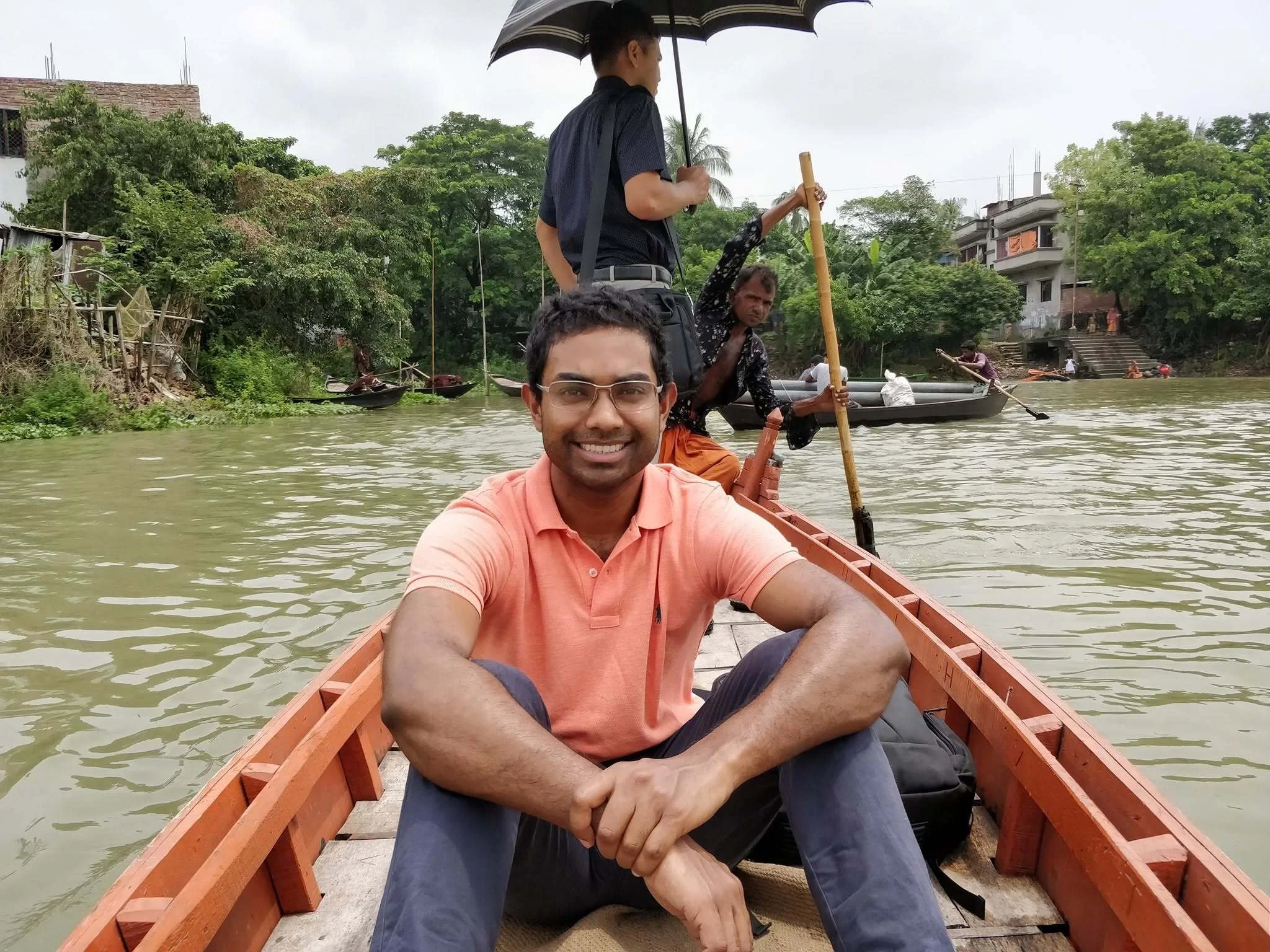
It’s worth noting that regulators in these countries are trying to attract more investment globally. I know particularly Bangladesh and Indonesia have done a lot of work, as have many other countries across the world, to attract more capital. Because now you have the technology and you have the bankability, it's a lot easier for them to set up regulations to monitor and safeguard that.
It's those themes and theses that we draw upon as a fund to give our investors confidence to invest in those markets, in segments like SMEs. Otherwise, people were thinking, “I can't touch and feel it like property,” or, “It's not something I track every day, like the stock market. Why would I invest in it?”
We're almost a $10 million fund, that we've never lost anyone any money. Our investors have achieved their target returns, and we've shown that it is possible to invest in these markets and get an attractive return.
What would you recommend to investors seeking to maximise their impact while achieving financial performance? What should they consider when making investments?
The thing to realise about impact is that there's not just a singular definition of exactly what impact is.
Impact is a spectrum. We need to think about how, across that spectrum, from the highest levels of impact to the lowest levels of impact, there will be a range of financial products and investment asset classes that a person can participate in to create change.
To give some simple, concrete examples, if we invest in the stock market, it's not direct impact. But if, for example, we allocate our capital into companies that are promoting sustainable practices, they are catalysing their industry. Then, through our shares in the company, we can vote in the AGM through groups to motivate those companies to actually pass resolutions to change them.
An example is Adam, who I know is a founder of SIX, a platform in Australia. They create shareholder resolutions to help change company behaviour. That's on one end of the spectrum.
On the other end of the spectrum, someone might say, “I have found a new way to recycle plastics in remote Tanzania,” and they need some startup capital to actually develop that technology and take it to market. It's a high-risk investment because it's a startup. They have no traction, and it's considered to be a venture capital type investment.
But it's going to have huge impact because, even if it's not necessarily very successful, it'll move the needle and show innovation is possible. It'll actually start developing new innovation in that space that otherwise would never have been touched, and you can think the impact would be huge. It might even create some jobs. It might lead to some patented technology.
Investments will range from high risk towards generally lower risk. An impact investor has to think about, “Where do they want to play?” They might have a spread of investments across that spectrum, based on what they're comfortable with, and then realise that the level of impact will vary, but they're all important.
Generally, you could argue that if you want to have maximum impact, you have to take on a lot more risk because these aren't proven investment models. They might be underserved segments that don't have a lot of traction, or there might be, for example, challenges with what's called liquidity, which means you can't easily get your money back. You will have to wait a long time for that product to get to market.
It's a spectrum, and every person has got to evaluate where they can sit, where they're comfortable. If they're able to, they might play across that full spectrum. But I think one of the things that's important for the industry is to provide more and more options so that more people can allocate their capital.
I'm particularly passionate about private markets because it's in private markets where we can have some more positive impact. It's a lot harder to have impact in the public markets where, as I mentioned, you are trading in assets that have already been rotating between people.
You might be doing private credit, which is what we are doing, providing amounts of credit to businesses, or you might be backing new innovations, new research. Or you might be accepting absolutely no return and sacrificing return for impact.
So there are a lot of what they call blended finance vehicles, or there are purely impact-first funds where the goal of the fund is to go and reach communities that are underserved. They're not going to be able to provide as much return because they have to invest in due diligence, reporting, maybe empowerment of communities, so the returns aren't something that one would consider to be commercially competitive, but they will have other impact metrics to show for that.
There's going to be a range of solutions, and we need all these players to be there.
Ultimately, what I would love to see, particularly from a Wholesum perspective, is that we can develop multiple investment products and that we can be a large enough company where we've generated enough of our own revenue so that we can perhaps provide capital at risk from our own funds, or help subsidise some of the costs to help push the impact space.
I'll give you one example. We're trying to educate and work with some female fund managers in Australia and globally who are trying to come up with concepts for how they can support women particularly. It could be, say, they've had a marital breakdown, or they might be new migrants or refugees. These are asset classes that are very hard for them to get to market.
But if we, as a fund manager, can help subsidise the cost of setting up a new fund, then it helps them get a little bit further along the way. So these are the ideas that we want to explore.
Where do you see opportunities to grow responsible investment in Australia, and what advice would you give entrepreneurs entering this space?
I'm a little bit biased. I was in the UK recently, comparing our financial system with theirs and a couple of other places (I was also in the US).
Australia is one of the most robust jurisdictions, from a legal and financial services regulation perspective, to launch initiatives. I know there's a lot of debate about starting up a company and the taxes, but that issue aside, as a well-regulated country, there's a lot of trust that stakeholders and investors place in the Australian regulatory framework. That's important to be able to raise capital, not just from within Australia but globally, and to know that those services are well looked after and well regarded.
I'm very bullish about Australia providing that, and I think there are a lot of opportunities. From an impact dollar allocation perspective, I don't have the exact numbers in front of me right now, but I know from anecdotal conversations there are a lot more opportunities in Europe and North America. We have quite a lot of work to do, and it just means that there are more opportunities for us to start things.
If someone is an entrepreneur and they want to start working in social enterprises or set up impact funds or impact finance initiatives, Australia's a great place to start, just because you probably will be able to get there. We started three years ago, and we were able to get to about a $10 million fund. I'm sure many people will be able to do that, so that's one point.The other point is in terms of the opportunities.
Internationally, Australia is close to some incredible markets, whether it be climate resilience in the Pacific through to Indonesia being one of the biggest markets in the world, literally on our doorstep. Southeast Asia is one of the most resilient regions right now.
If you look at everything that's happened in Europe and North America since the global financial crisis, those regions and economies are booming. I was looking at the latest growth numbers. Taiwan, India and Indonesia are growing significantly faster than the rest of the world. If people want to pursue impact opportunities there, it's absolutely the best time to do it, and Australia's a great gateway for that.
I definitely think there are opportunities globally and locally in Australia. We have such a strong refugee intake. Obviously, it could be a lot higher. We have an Indigenous population that's still significantly behind across all these measures. We've got millions of migrants and recent refugees. There's so much we can do to allocate capital there.
As we've seen from the facts I shared earlier, the Australian banking system has largely moved away from funding businesses in total, let alone thinking about the challenges that new migrants and refugees might face.
I think there's a lot we can do to fund them. If you look around, we're used to seeing the kebab shops. We're used to seeing the Lebanese pizza shops. We know that a lot of our migrants are entrepreneurs.
There are opportunities to provide more capital there, and capital that's also perhaps aligned with certain ethical or religious values. For example, we work with a lot of Muslim businesses who cannot take interest, and they don't want to be involved in interest. So we need other types of financing products, like maybe profit-sharing agreements that they're more amenable to.
There's a lot there that we can definitely tap into, and I think Australia's a great place to start.
What inspiring projects or initiatives have you come across recently creating a positive change?
With a lot of the startup founders that I've been talking to and looking at, considering how people are very concerned about big tech and where some of these big, ginormous startups are going, I like to go back and think about some amazing business models that have been around.
The LEGO Foundation, for me, is one that I like to share with people as a form of inspiration because the foundation owns 25% of the LEGO company. That means 25% of profits are going into children's charities around the world. I think if we can start our businesses with that sort of mindset, it doesn't have to be 25% like LEGO, but it could be any amount.
The 1% for the Planet initiative that many businesses are part of, and obviously Canva and many other companies have been pioneering, we've signed up for it from our company perspective. I'd encourage everyone to check that out.
If you set up your company with the right mindset from day one, it's just a lot easier to galvanise your shareholders and your customers behind your mission.
To finish off, what books or resources would you recommend to our audience?
Two things for me. Poor Economics by Esther Duflo and Abhijit Banerjee is great for understanding how micro-experiments can give us a lot of insight. But I think what I leave that book with is that the global problems seem so overwhelming. We've got wars, we've got genocide, we've got environmental disasters.
What they show is that small changes, even at the grassroots level, can have an incredible impact. They use examples like mosquito nets and giving shoes to children so they don't have worms climbing through their feet, which affects their ability and cognitive function. So I think that's a really great picture.
Of course, one can't go past A Life on Our Planet by David Attenborough, just to think about how a lot has changed in the world in his lifetime. But he also leaves us with a positive message, and I think that sometimes we need that. He's someone I really admire for his persistence.
Initiatives, Resources and people mentioned on the podcast
Recommended books
Poor Economics: A Radical Rethinking of the Way to Fight Global Poverty by Abhijit Banerjee and Esther Duflo
A Life on Our Planet: My Witness Statement and a Vision for the Future by David Attenborough
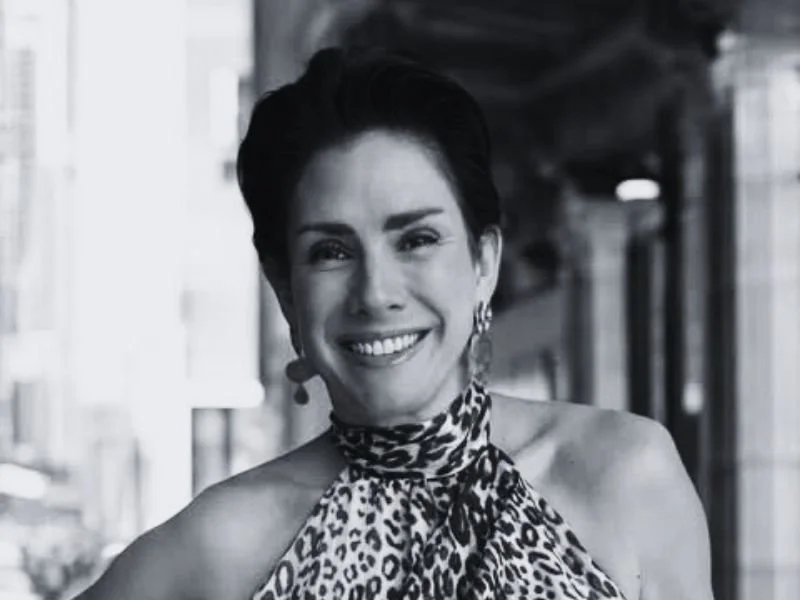
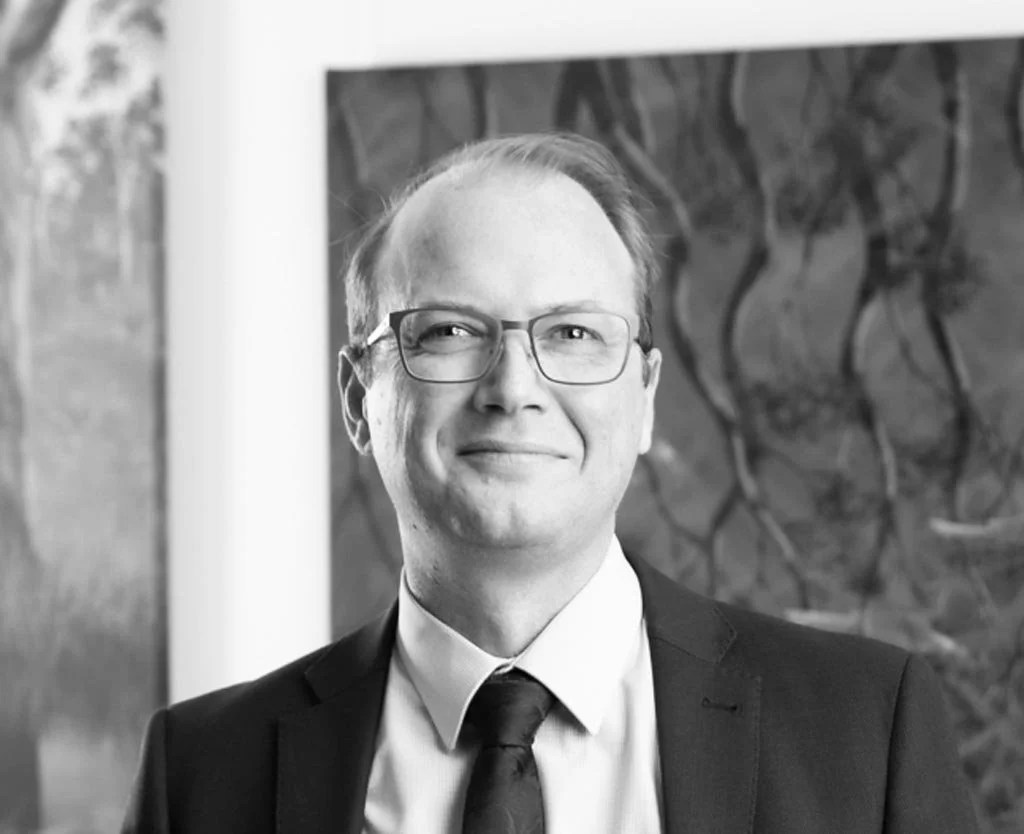
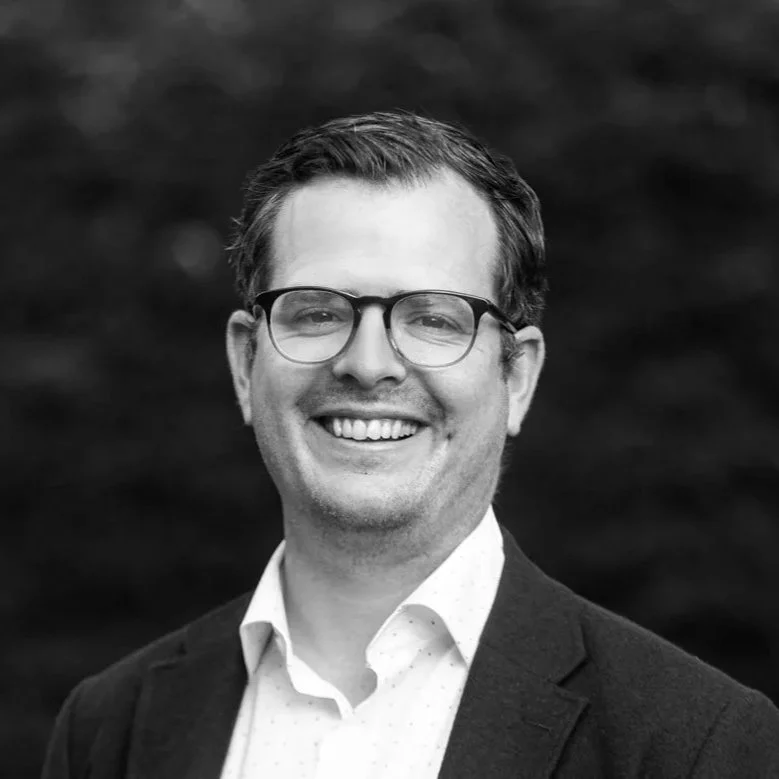
On Episode 649 of Impact Boom, Dr. Tanvir Uddin of Wholesum discusses expanding access to ethical investment, financing underserved businesses in emerging markets, and how financial innovation can mobilise capital to create meaningful social and environmental impact.