
Gill Whelan On Building Authentic Funding Partnerships To Accelerate Social Impact
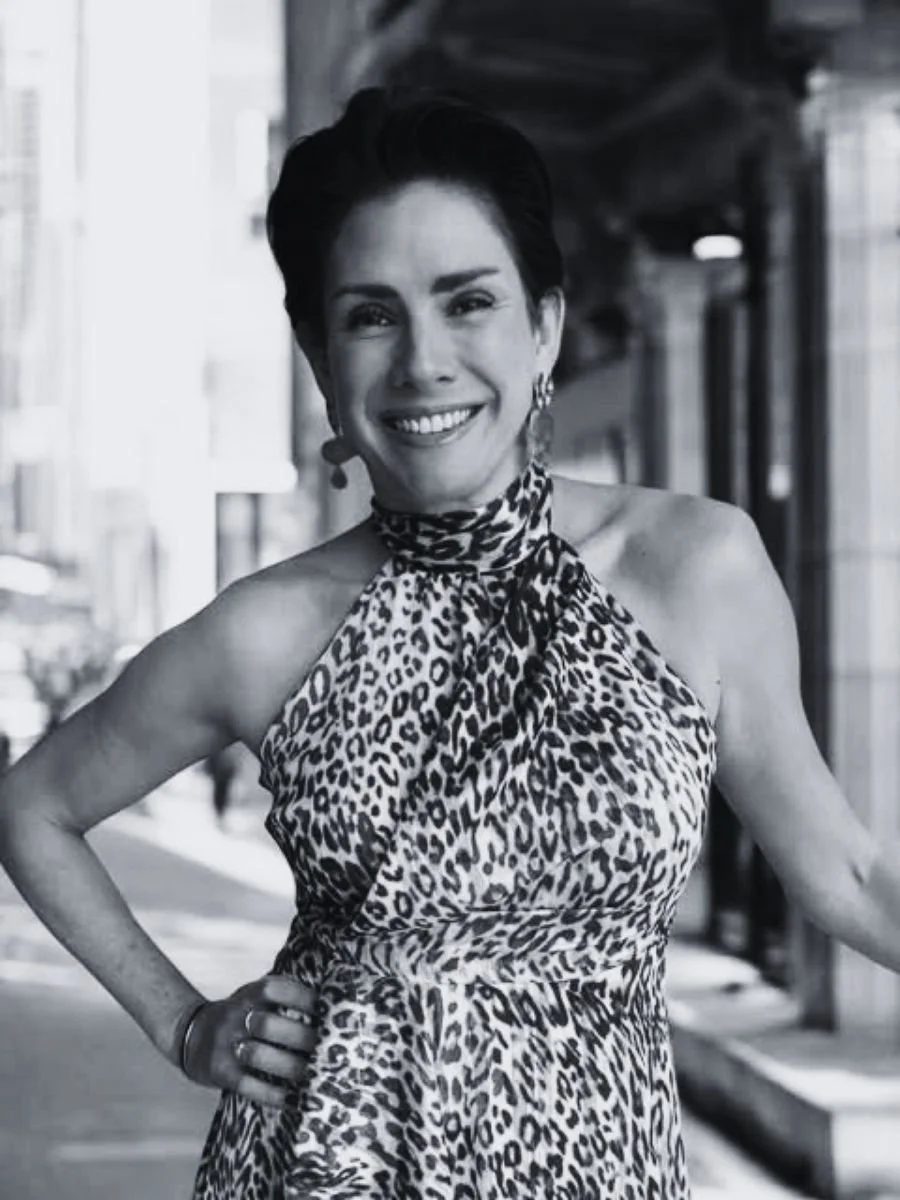
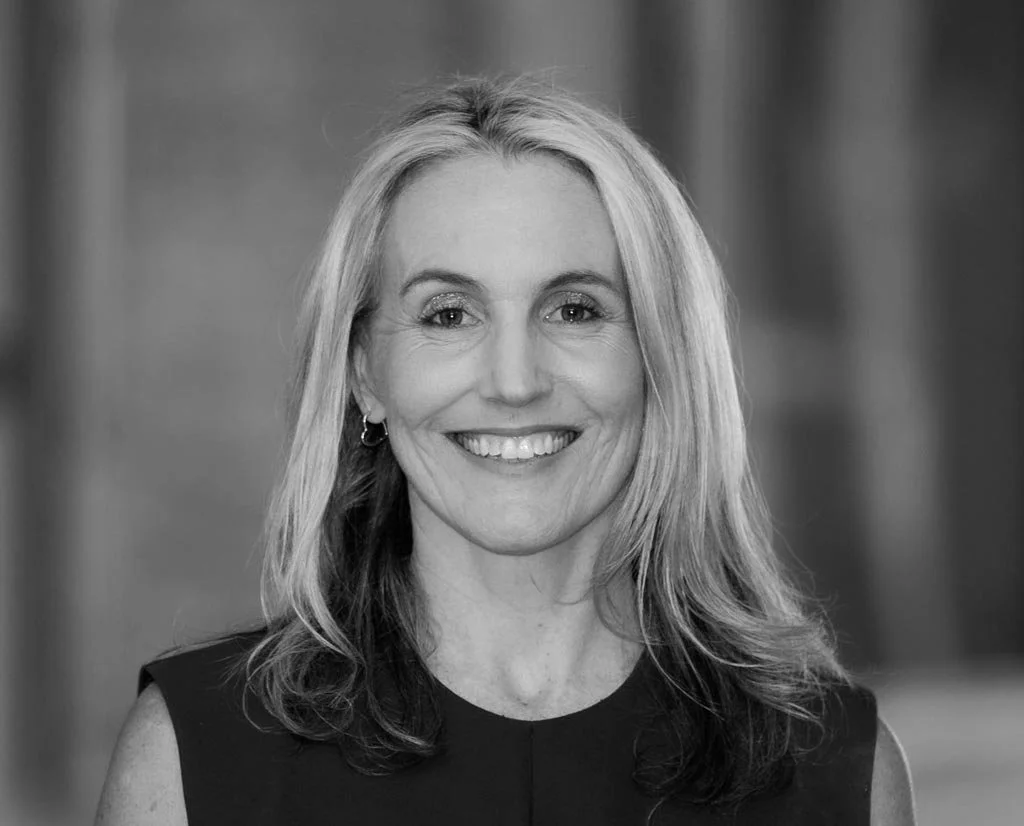
Gill Whelan has over 15 years of experience helping organisations and communities grow their impact, and is known for connecting the right people and ideas to make things actually happen.
As former General Manager of the DECJUBA Foundation, she built and led partnerships with local and international charities that focused on turning ambition into action and that positively impacted more than 25 million people.
Now CEO of GILL WHELAN Projects, Gill works at the intersection of philanthropy, partnerships and impact. She understands how funding flows, how decisions get made, and where things get stuck, and she's skilled at helping people cut through complexity and move forward with confidence. Gill is driven by a simple belief: philanthropy should feel more human and less transactional and that giving should always lead with joy.
Gill discusses building authentic relationships between funders and social impact organisations, embracing risk and resilience, and shifting power dynamics to unlock stronger partnerships and greater philanthropic impact.
Highlights from the interview (listen to the podcast for full details)
[Tom Allen] - To start off, can you please share a bit about your background and what led to your work in social impact and philanthropy?
[Gill Whelan] - It was a bit of a meandering path. I started out, as most people do when they do an Arts degree, not really knowing what on earth I wanted to do with my life. I did that degree and majored in criminology, of all things. It feels like that understanding of people's behaviour has sometimes helped me in my chosen career.
I learned some things about myself along the way. I chose to follow roles that led me into other things based on how they made me feel, rather than particularly what I was good at, what I was paid, or a title. I just followed my nose in terms of how I was able to influence and impact people.
That started with sales roles, actually. Early on in my career, I started in media sales and learned the art of negotiation and how to influence people. Along the way, I also got some experience in communications and writing, and then I took a huge career break and stepped out of the workforce for a while.
I had the opportunity to move to New York with my family, and I was out of the workforce because I couldn't get a visa there. It was such a delightful time. My young children were growing up in New York, and we had this fabulous family experience.
When I came back to Australia, I was faced with that complicated time of wanting to get back into the workforce after having had such a big chunk of time out of it, while also feeling quite disconnected from my third community. My children were at school and really involved there, my ex-husband was back in the workforce, and I was looking for connection. I found it by volunteering at a not-for-profit, and that actually changed the whole trajectory of my career.
I started hands-on in the early days of a local charity called St Kilda Mums, which is now called Our Village. Many Victorians, and I think Australians more broadly, would be familiar with it. It’s a fantastic grassroots charity.
At the time, it was locally led by the founder, Jessica MacPherson, who is still a dear friend and mentor to me. What it did was give me a real grounding back in the community, and it gave me confidence in myself. I had a chance to upskill again and realise what I was good at.
Jessica was fantastic at helping me see my potential and then pushing me to do things that I didn’t think I had the confidence to do.
Eventually, that led into fundraising roles there and then into more senior corporate partnerships. I was doing social media and PR, and I just felt like, “Oh my goodness, I got a fast track back to where I felt I should be.”
Along the way, I was using all of those skills I’d learned in sales, marketing and negotiation, while also understanding what that looked like in the fundraising sector.
That’s what eventually led me to my most recent role as GM of DECJUBA Foundation. I had met the DECJUBA team and brought them on as a corporate partner. Then, when they founded and started their foundation, I put my hand up enthusiastically and got a dream job in helping to shape it.
You've recently launched GILL WHELAN Projects. Can you share more about the work you're doing now and what led you to start the business?
It's been a real whirlwind launching my own business. It was really born out of the experiences I had, particularly as a fundraiser and then as a funder, and seeing that those two sides don't actually understand each other very well.
I think each side develops a false perception when they have not been in the other role. I know that, as a fundraiser, I had certain perceptions around the value of money, the motivations of funders, and this feeling that we were somehow always less than. Then, when I moved into the funding role, I realised so much of that is not true
There is work needed and understanding to be achieved by starting more conversations to smooth out tensions or misunderstandings. It's about getting more conversations flowing, getting more of the right people in a room, and getting more money flowing through the sector.
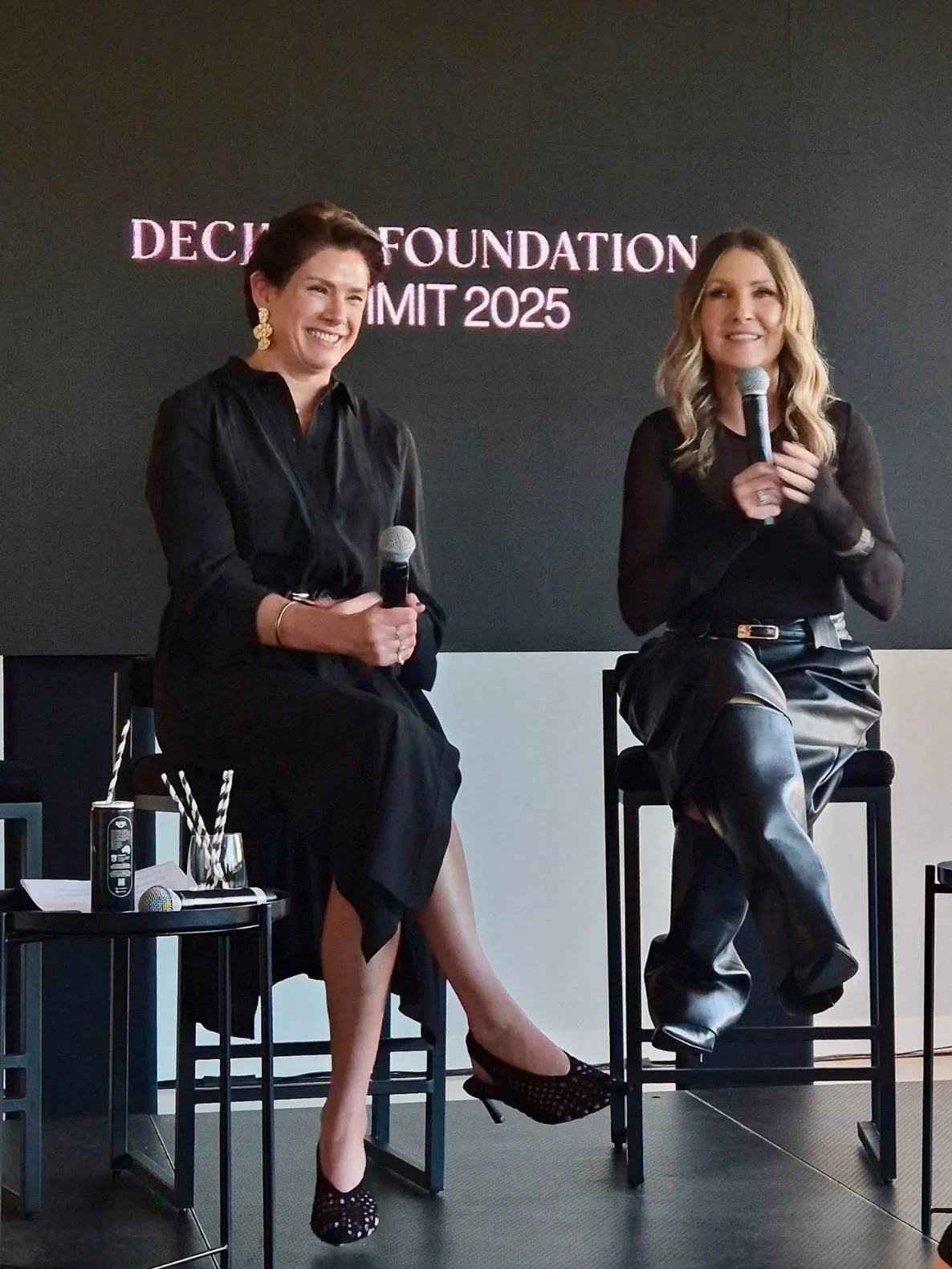
At a broad level, what I do now is use my networks, experience and insights to get the right people in a room and talking. Sometimes that's helping to solve problems, sometimes it's more of a coaching situation, and sometimes it's more front-facing, such as moderating panels or doing more spotlight-focused work.
What it's doing is keeping conversations going in the sector and helping us all achieve the things we have committed to, which is to have more funding moving, shifting the dial and making change happen.
What challenges have you encountered throughout your career, and what has helped you overcome them?
It gets easier as you get older, I think, in navigating some challenges. A lot of it is about backing yourself and having confidence in yourself to know what's right for you, and what to do and when.
I think about what I just spoke about, backing myself in terms of knowing what my skill set was when I'd had such a big chunk of time out of the workforce. That was a difficult time for me in terms of working out a way to get back to where I felt like I was contributing, while also being true to myself and knowing my capabilities.
Having someone to help you along the way, someone who sees potential in you and is willing to lean in and help, is important. I got that from Jessica at that time, and I've always been committed to doing that for other people wherever possible.
Another tricky time was during COVID.
Anyone working in the not-for-profit sector during the pandemic experienced an exceptionally difficult time trying to keep our organisations afloat and functioning, seeing so much need out there, and working out ways to problem-solve and keep moving forward. It was tough, but I learned so much about resilience and relationships with donors during that time.
Something that stood out during that crisis was when I was at St Kilda Mums. Funding was drying up because we couldn't have in-person events and all sorts of things.
I remember at one point we just sat there and thought, "We've got to ask for help, and we've got to ask our key supporters for help." We picked up the phone, rang them and asked. Do you know, the majority of the people who answered just said, "I'm so happy you called," or, "I've been waiting for your call."
It was such a lesson in not presuming that asking for help is always awkward, difficult or going to be poorly received. It was a lesson in what happens when you've worked hard to create authentic relationships. It's almost an insult if you don't make that call.
That was such a big learning moment that's stayed with me right through to now and shaped the way I approach funding and fundraising. It's something I impart to the people I talk to about taking away some of that stigma around asking.
More recently, I’ve arrived at a point in my career where I know I have the knowledge and experience, and so now it’s about having the bravery and confidence to translate that into what the market or the sector might need from me at that point in time, and then taking a leap of faith.
It's always difficult to go out on your own and have a go, but it's the best thing I've ever done.
What key insights have stayed with you since helping bring together the Global Impact Summit in Sydney?
It was really the feeling. It was how it felt in the room over the days that we were there, and how it has felt afterwards.
It felt like something had shifted for a lot of people in this sector. It felt so authentic and like a real opportunity for people to have genuine, sometimes risky, conversations. It was almost like the layers had come off and there was this big exhale of, “Oh my God, I’m here with like-minded people.”
So many people turned up who were ready for something a little bit different, to try something new, take a risk, shift the dial and have different conversations. One of the biggest things I’ve tried to do, and others I’ve spoken to have done as well, is keep those conversations going. We’re doing that now, obviously, here on the podcast.
I saw something the other day where one of the most popular panels at the Global Impact Summit was being replicated somewhere else because the conversation had gone so well and more people needed to hear it.
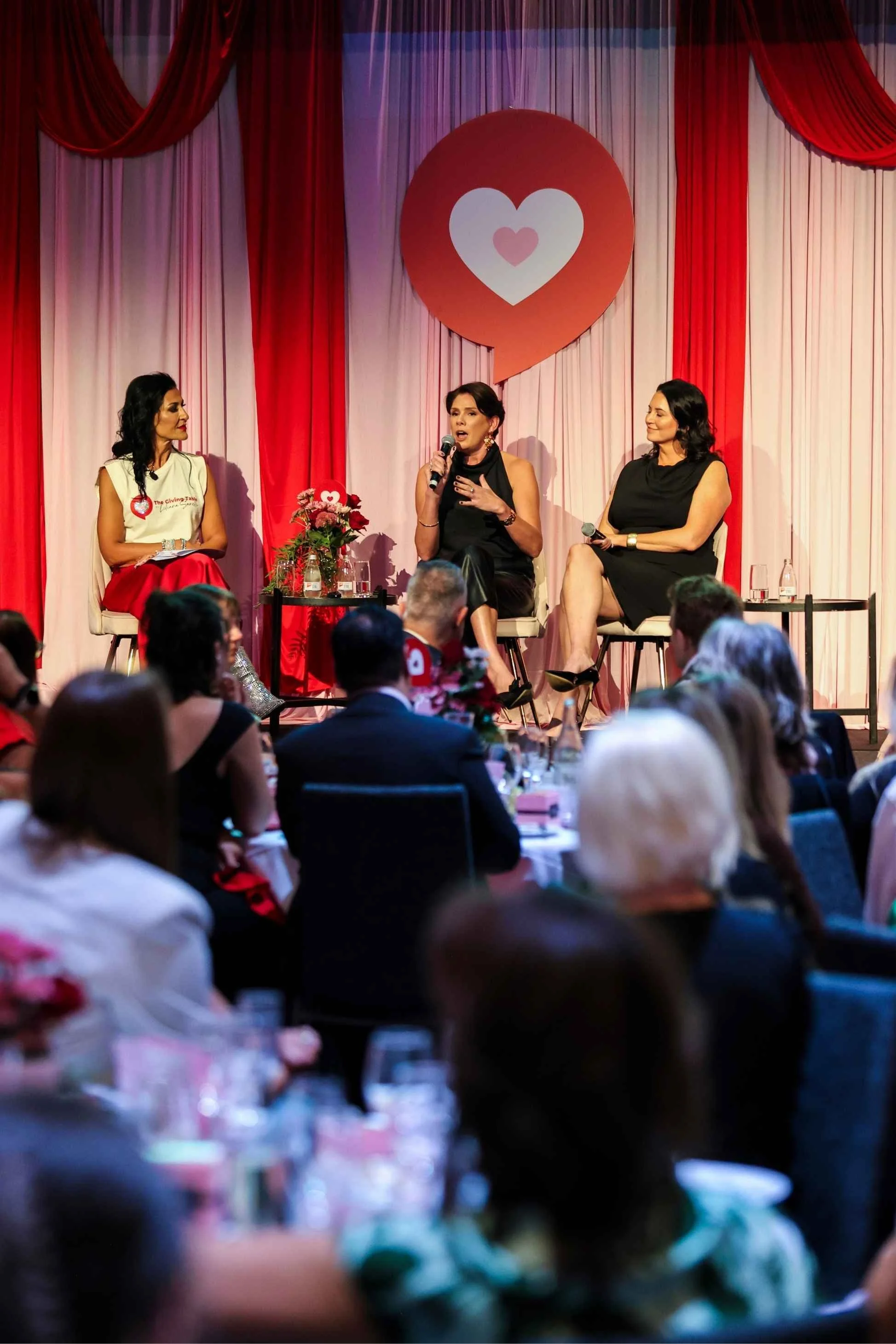
It’s also about making that commitment. You meet someone and say, “Let’s catch up,” so do that. Open the door, grow the network and keep asking the questions, because what the Summit really uncovered for me was a willingness to tackle some harder issues and open the door to things that might be a little more contentious.
I hosted a panel with Sarah Bailey, who heads up the MECCA M-POWER Foundation, and Tim Diamond from Cotton On about the things that have gone wrong, which never really get talked about. I know it was well received.
It gave a different view of funders and the influence corporates have in some of that decision-making. When you’re layering on brand, customer, product and all those other decisions that have to come into play when you’ve got a corporate partnership and a brand on the line, it changes things.
It just pulled back the curtain a little bit. I think it’s in those moments that the walls come down. Sarah and Tim were incredibly generous with the stories they told and were a little more vulnerable, I think, than people expected. It really shifted the dial.
It was an important conversation to have, not just always talking about the positives, but also talking about those difficult times, how you can learn from them, how you can build better partnerships, and how the ones that last are those where you have that genuine connection and strong values alignment.
What advice would you give organisations seeking funding or support to help them achieve their goals?
To start with, it’s about having a clear understanding and belief in the value that you and your organisation hold. It’s not about thinking that those who hold money or power are somehow more superior, because that’s really just not true.
If you look at it as though you’re a leader in solving a problem, or a leader in the insights you can bring to the social cause you’re working on, that holds so much value. The funder is coming to support you in that work, and if you can shift your mindset towards working together on a common goal, while understanding what you bring to the table and holding onto that unique value, you’re halfway there already.
Then, I think you show that through your authenticity and the deep understanding you have of the problem you’re trying to solve. It’s also in the way you share that. Often, that might be through lived experience or storytelling, and through showing impact in a way that isn’t just about numbers and data.
When you can connect with people at a heart level, that can really shift things.
Then there’s the work I’m trying to do around understanding what motivates funders. How can you help them solve a problem, and how can you help them see themselves in the work you’re doing?
Sometimes, I think we put barriers up because of insecurity, fear or even just uncertainty. That can block leaders from letting funders understand the problem, and asking them to help solve that problem as well. Once you start doing that, you open up opportunities for funders to see themselves as part of the solution, and then you’re all working together, which is what we’re talking about.
You allow yourself to see that there’s a values alignment. You allow yourself to lean into partnerships and experiences with people who are really on the same page as you, and that’s most often where the magic happens.
What important traits stand out among the people you work alongside and value most?
Some of the things I look for I guess I probably have in myself, but I’ve also seen them in the partnerships I’ve had that have resonated most and been most successful.
The number one thing is belief. You want to see that confidence in some way, and you want to see that people are passionate about something and back themselves. Because if you’re not backing yourself as a leader and you’re asking other people to, it kind of falls flat.
I guess the other thing, particularly in this sector, is resilience.
This work can be heartwarming and heartbreaking in equal measure at any given time. If you have belief in yourself and in the work you’re doing, you’ve got to keep going. You’ve just got to try different things or get different people around you, working with you and really backing you up.
I’m seeing more and more that successful people in this sector, particularly in fundraising, have a business mindset, that entrepreneurial mindset, or a real ability to cut through in the business sector as well. If you’re going to be able to raise money at this time, you can’t be going on a wing and a prayer anymore. You really have to look at lots of different avenues and think about how you’re going to run your organisation like a business.
My last one, which I want to see more of, is an appetite for risk. It might be risk in some of the things you say, it might be risk in your ambition or your wild goals, or it might be risk in whose door you knock on. But I think you have to get out of your comfort zone right now and just have a go.
We saw it at the Global Impact Summit. That was a risky venture all around, and my gosh, did it pay off.
One of the best chats I had at the Summit was around entrepreneurs taking a risk and young charity CEOs taking a risk, doing things a little bit differently and getting some fantastic results.
What inspiring projects or initiatives have you come across recently creating a positive change?
Actually, I was just thinking about this when I was talking about who I’d spoken to at the Summit. I hosted a panel with Noah Yang from We Are Mobilise, and he and Ned Brockmann had a really great chat with me.
Noah is such a great example of a young leader who has backed himself and his idea right from the start. I’ve known Noah for quite a number of years and worked closely with him along his journey. What he’s always wanted to do is disrupt the sector and do things differently.
He’s really had to hold his nerve a lot of the time in the face of traditional funders who have questioned his timelines and the way he has decided to build his team, the tech capability of his organisation, and do a lot of work behind the scenes before launching some innovative projects.
He’s really one to watch. What We Are Mobilise is doing to end homelessness, and the way they’re looking at tracking impact, is absolutely going to be revolutionary for the whole sector.
He’s doing things really exciting things, differently.
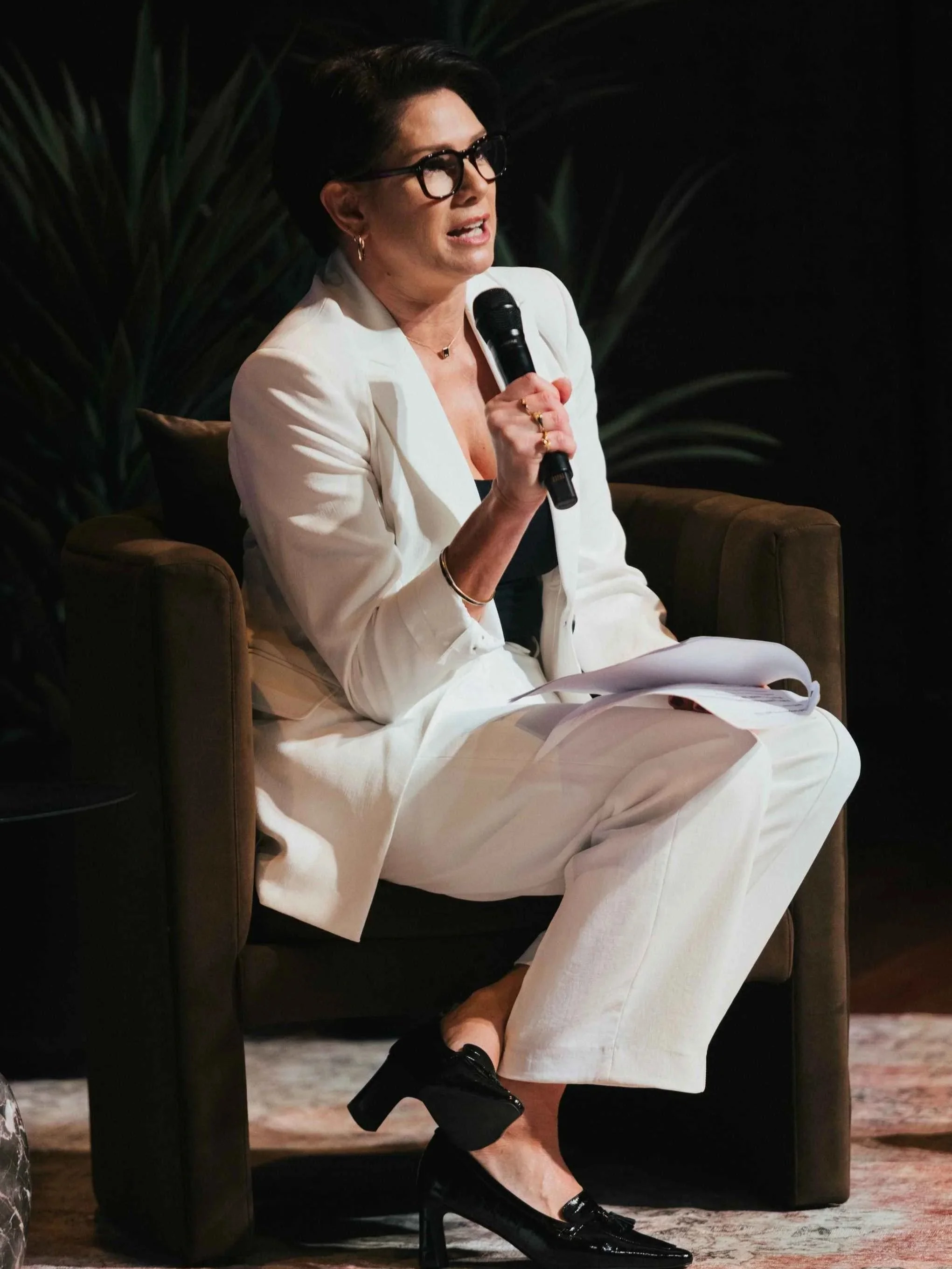
To finish off, what books or resources would you recommend to our audience?
I like reading biographies and autobiographies. I like reading about people’s journeys because there are always things to learn from them.
Lately, my favourites have been Lena Dunham’s Famesick and Jennette McCurdy’s I’m Glad My Mom Died, which are both sort of controversial titles. Both of those women have been in the spotlight and endured some pretty crazy things, and I found what they’ve learned and how they’ve learned to back themselves really resonated with me.
Other than that, I’m just a podcast kind of girl. I’m listening to podcasts all the time. It’s either newsy stuff like The Daily or funny stuff like Good Hang with Amy Poehler — just people having conversations and connecting in that way.
Initiatives and people mentioned on the podcast
Recommended books and Resources
Famesick by Lena Dunham
I’m Glad My Mom Died by Jennette McCurdy
Good Hang Podcast with Amy Poehler

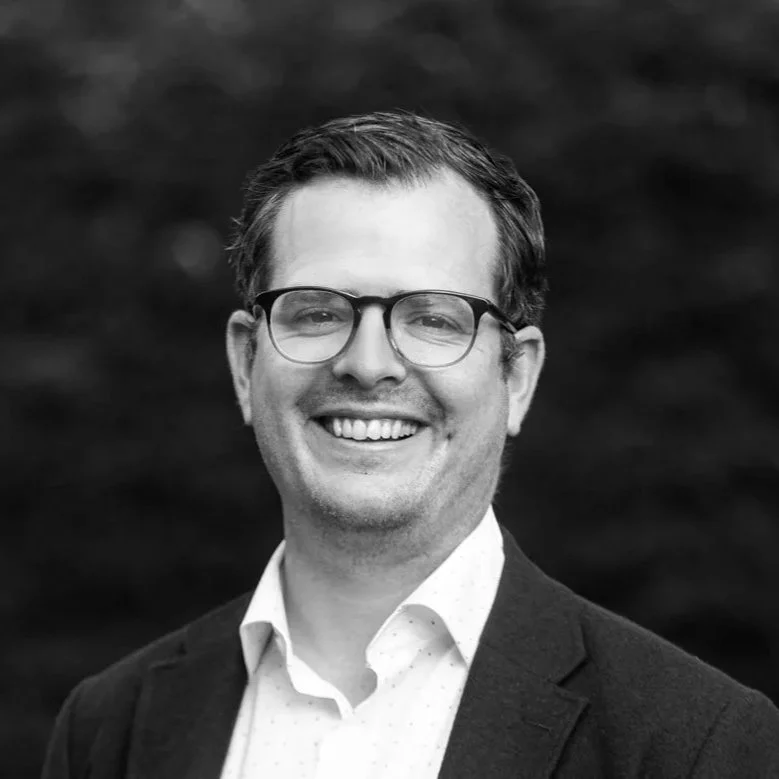
On Episode 646 of Impact Boom, Gill Whelan of Gill Whelan Projects discusses building authentic relationships between funders and social impact organisations, embracing risk and resilience, and shifting power dynamics to unlock stronger partnerships and greater philanthropic impact.