Tyler Miscannon On Community Foundations Mobilising Generosity And Strengthening Local Leadership
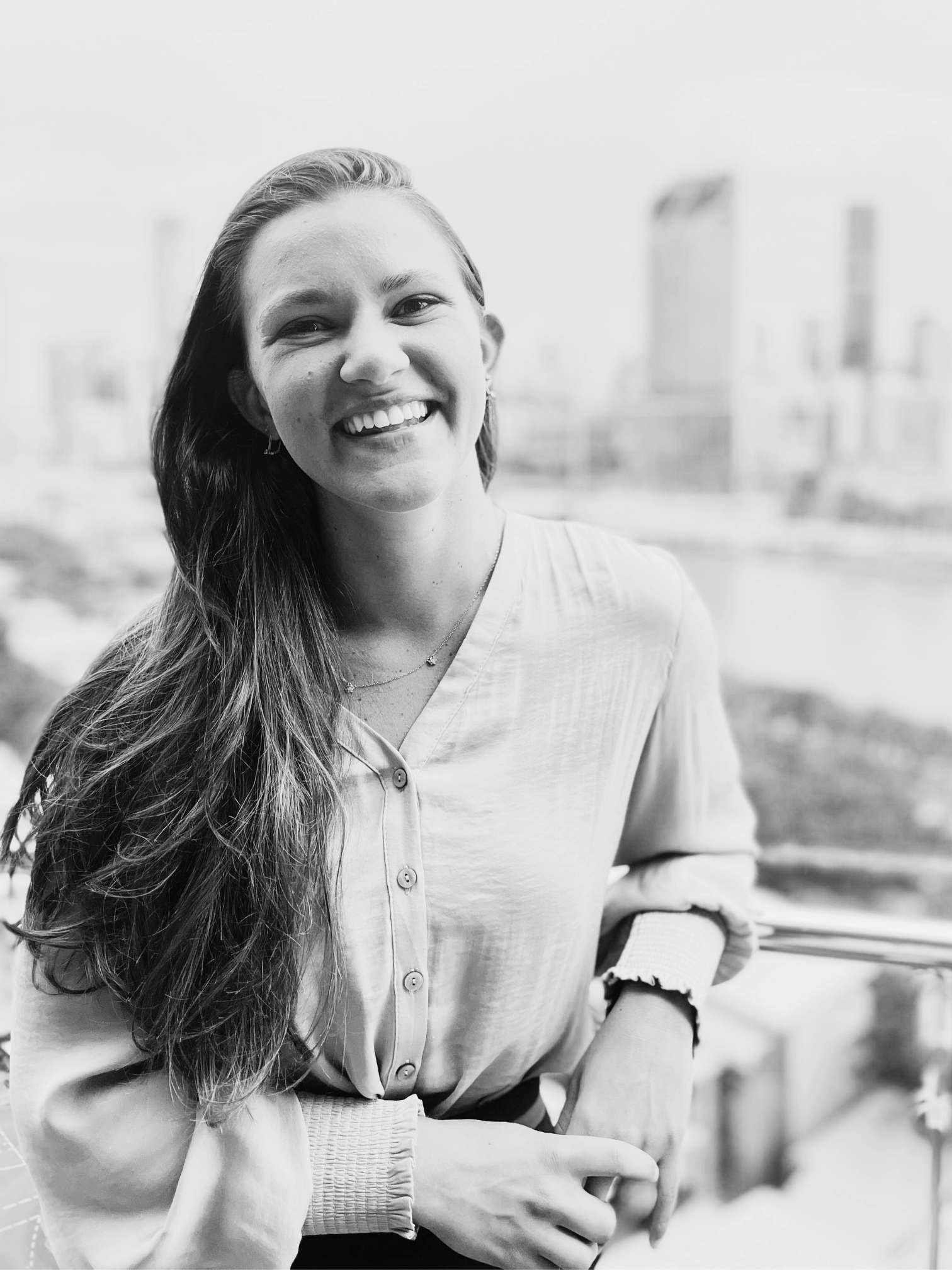
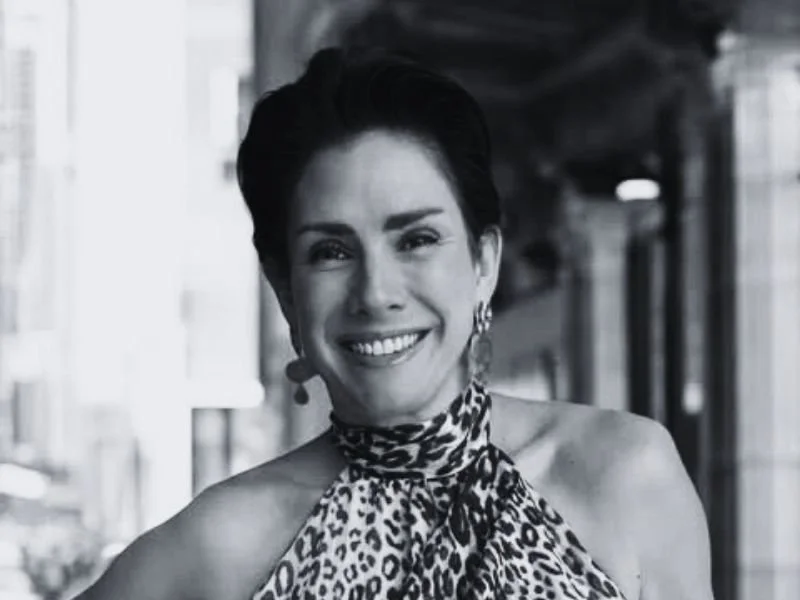
Tyler Miscannon is a community builder and social impact practitioner passionate about helping people give where they live. Originally from a small town in Pennsylvania, Tyler has called Queensland home since 2017, building a career across frontline community work, corporate social impact, philanthropy and systems change.
Tyler is the Co-Founder and Executive Director of River North Community Foundation, a place-based foundation strengthening connection, generosity and collaboration across North Brisbane and the City of Moreton Bay. She also runs Better Than The Box, a social impact consultancy helping people and organisations turn good intentions into action.
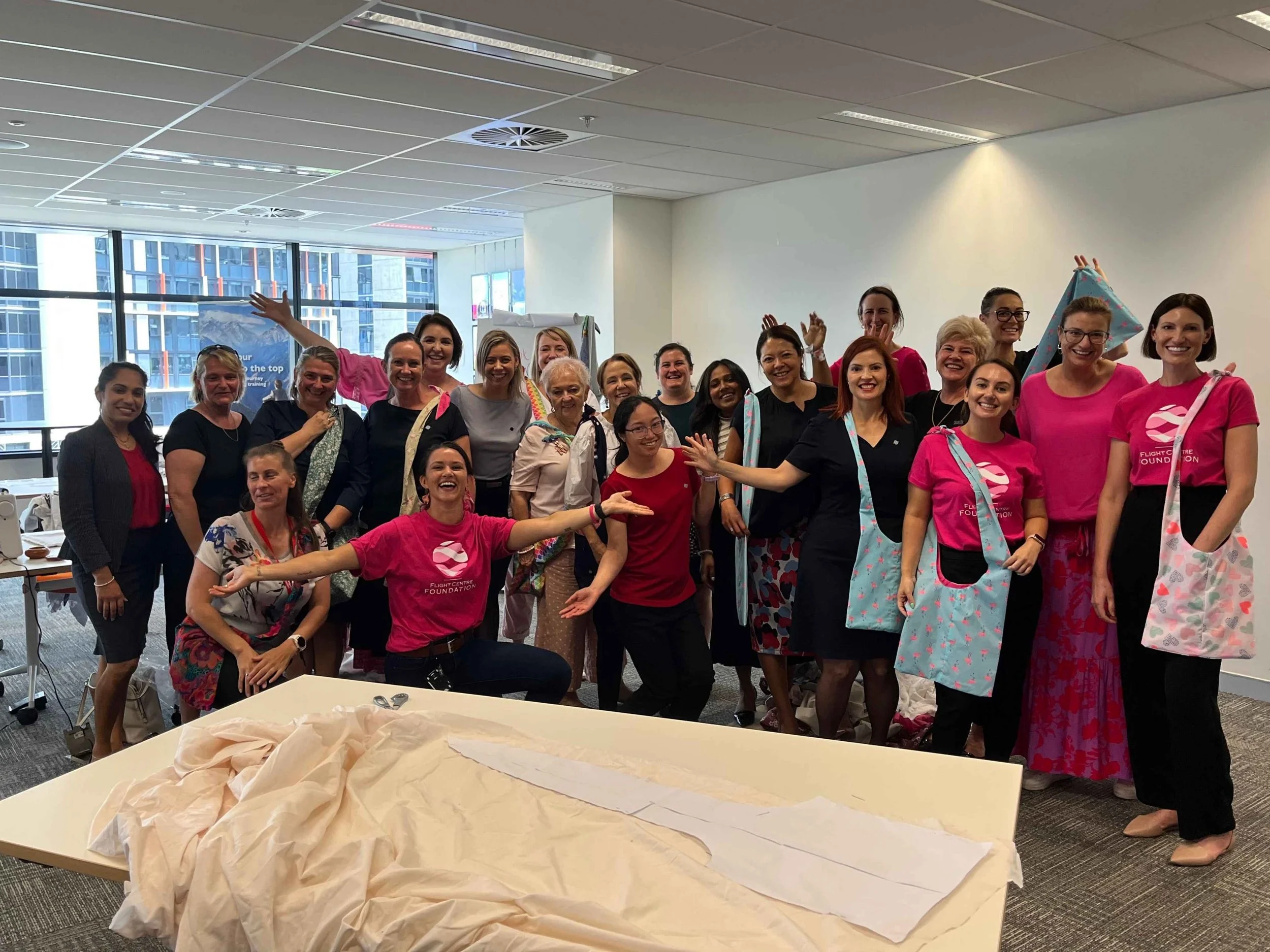
Her career has included leading the Flight Centre Foundation, working across food relief and youth services, supporting philanthropic initiatives and national systems-change programs, and pursuing a few more unconventional impact projects - from hosting GIVE, the Queensland Gives podcast, to starting a fantasy football giving circle and tending a little library outside her home.
Known for her enthusiasm, energy and love of connecting good humans, Tyler brings a practical, optimistic and playful approach to social impact. In 2026, she was named Queensland’s Emerging Philanthropist of the Year.
Tyler discusses mobilising local generosity through community foundations, making philanthropy more inclusive through kindness and belonging, and why authentic leadership and wellbeing strengthen community impact.
Highlights from the interview (listen to the podcast for full details)
[Tom Allen] - To start off, can you please share a bit about your background and what led to your passion for philanthropy and the for-purpose ecosystem?
[Tyler Miscannon] - The conference was absolutely phenomenal, so if people weren’t there, you missed out, but you’ll get some of that energy from this podcast today, which is exciting.
My background, I grew up in Conshohocken, Pennsylvania, or Lafayette Hill, Pennsylvania, which is a small town about 45 minutes outside the city of Philadelphia. My mum was a social worker and my dad was a police officer, so giving back to the community and being a part of where you live was always a part of my life. My grandmother ran a community centre as well.
Whenever I do a talk, I always pay tribute to my family and how they brought me up with values around giving, whether we were fundraising or doing a breast cancer walk and raising money, or Relay For Life and raising money for cancer, or whatever it was.
It was interesting growing up. I had different family members pass away from different diseases and things as well, and so I’m wondering if that also influenced me wanting to make a difference in my lifetime, however long that was. I think that probably influenced me from a young age.
I always volunteered, always did things growing up, and then I didn’t realise that that could actually be a career. I don’t think many of us realised that giving and doing community work, whatever that might look like, in whatever form and whatever skill you might have, could mean you could actually become a leader in that space or have a job within the philanthropy ecosystem or the social enterprise ecosystem, or not-for-profits, whatever that looks like.
It sounds like those family values and personal life events influenced your giving as well, Tyler.
They totally did, and I think I actually had, again, an unconventional journey. When I moved to Australia as a nanny at 19 years old with two suitcases, I ended up starting a yoga and wellness business and giving back in a more holistic wellbeing way.
That was the beginning of my career in Australia, but then I quickly realised I wanted to understand what was happening in the charity sector here. I went and worked at OzHarvest doing food relief work. I also worked as a youth worker in residential care and foster care, and understood the child safety system here. All of those experiences really taught me that I could do something for work that was purposeful.
Learning about Women & Change, which is Queensland’s largest giving circle, and becoming a member of that, I saw people who were giving back and realised I could run my own fundraising events. I started doing that and some consulting for not-for-profits pro bono.
There was kind of this momentum, I guess, Tom, that was really interesting as I just started to weave my way through the sector and meet people and learn and listen. That really got me interested in the role that I could play.
Tell us about River North Community Foundation and how community foundations have the power to create impact.
I think that segues really nicely from what I just said. I feel like River North Community Foundation, and a community foundation, is the home for people like me.
As I said, growing up, I was doing impact work, but then went into these different careers. After the work in those frontline organisations, I ended up running the Flight Centre Foundation, so I was part of corporate philanthropy. I then set up funds and foundations at a philanthropic intermediary, and then ended up working on a national collaboration between philanthropy and government.
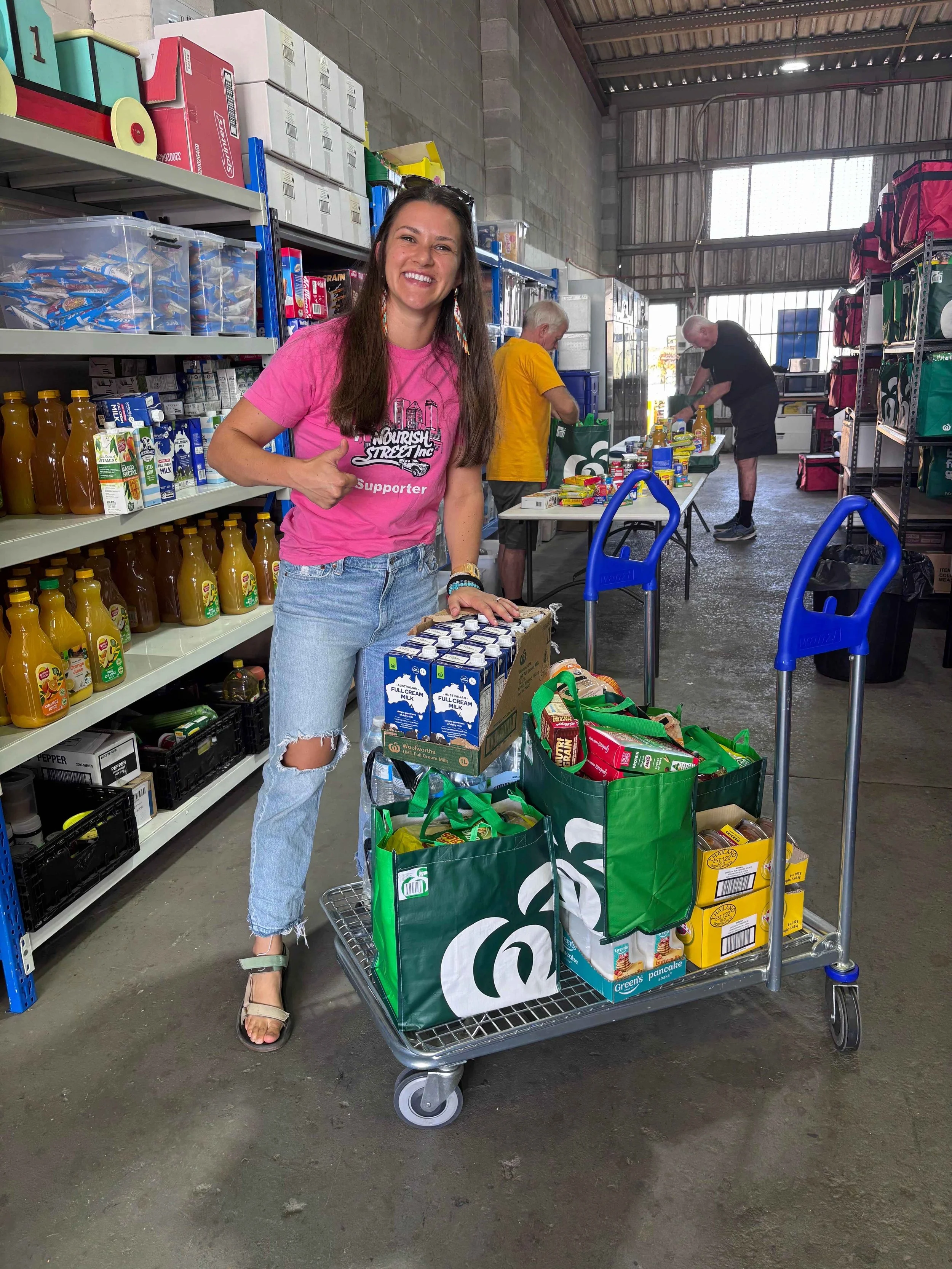
I wove my way through the sector and then thought to myself, “I’m doing this work nationally. I’m strengthening collaboration, I’m empowering local leadership, I’m trying to do all of these things around the country, but why aren’t we doing them in our backyard?”
My co-founder, Ryan Ginard, who many people in the sector know, who’s currently at Minderoo Foundation, and I were just talking about what’s possible here in the City of Moreton Bay and North Brisbane.
We extended our boundary for River North Community Foundation to the Metro North Health catchment, which goes west to Kenmore and Bellbowrie, all the way up to the top of the City of Moreton Bay, and then includes places like Sandgate and Redcliffe and Bribie Island. Many people listening to the podcast might be in our region.
We started River North Community Foundation because we wanted to allow people a greater opportunity to give where they live, to participate in where they live, whether that’s volunteering or hosting a collection drive, or donating money or their skills.
Giving people that opportunity to give, empowering all the great organisations that are already in the region doing good things, seeing how we could amplify their work and their impact. Then, really, it just kind of spiralled into this “love, lead and give where you live” motto.
But to circle back to your question, Tom, around the impact of community foundations, community foundations over the last two years in Australia have really just, I don’t want to say accelerated, because there were already great things happening in a lot of them, but the movement, I think, maybe has accelerated.
Community Foundations Australia really started working with all the community foundations around the country, which I think, I’d like to say, maybe there are around 90 to almost 100 community foundations now that are members of Community Foundations Australia and doing work in their local communities.
Community foundations are the local infrastructure for funnelling or amplifying generosity within a region. That means that they could be doing lots of different things, but they always have their finger on the pulse, boots on the ground, or whatever metaphor you want to use. Community foundations are that conduit for philanthropy, government and businesses to really be that aggregator to bring everyone together: community groups, not-for-profits, social enterprises. They’re a central hub within whatever region they’re serving.
That allows community foundations to make an extreme impact, whether it’s with neighbourhood centres or the local networks they are already operating. They just play this kind of middleman role that is really needed in a lot of regions.
You recently won Young Philanthropist of the Year during Philanthropy Week here in Queensland. What are your thoughts on the future of philanthropy?
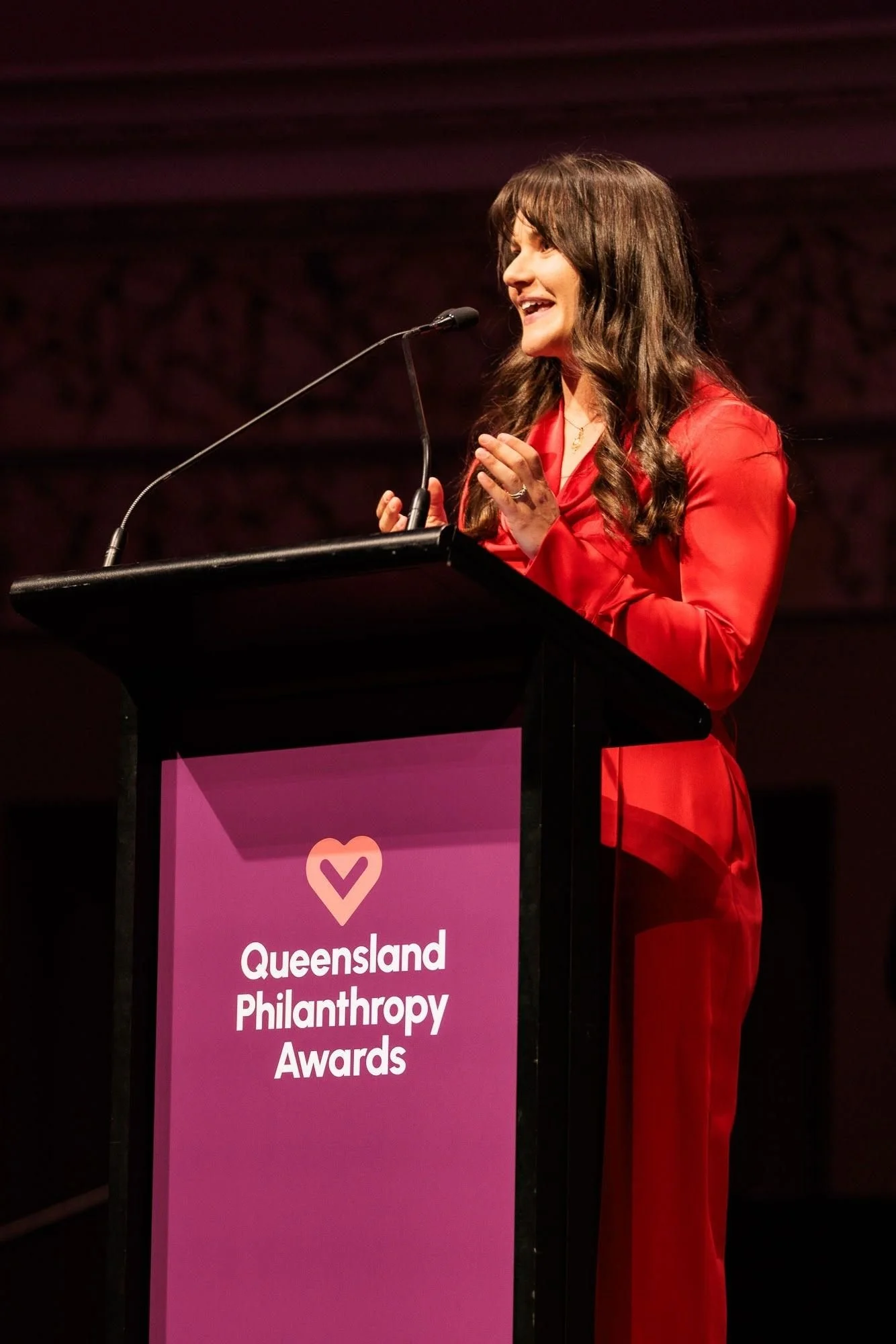
Young Emerging Philanthropist of the Year, sponsored by Perpetual. Thanks, guys. I was so honoured when this happened.
The future of philanthropy just needs to be a little bit more creative, a little bit more innovative, and I think we are going in that direction. Even at the conference, they talked about belonging being a big part of mobilising people into giving. I really, truly believe in that.
This morning, as I drove away from my house, I saw our neighbour, and so of course I rolled down the window and said, “Have a nice day.” That’s just a very small example of being kind to one another. I think kindness and making everyone feel like they belong and are a part of a community inspires people to say, “How can I actually be giving back here?”
I’m naming small examples, but I think they’re important. Standing out the front of my house, I have this little community library, and my daughter and I were just standing there going through it. Someone walked up and said, “I always take books from here, but I don’t give books back. I just went to a fair, and here are some books.” She put some books in, and we chatted about the little library for a bit.
Loving where you live or what you’re participating in enables people to actually give back, and that is what philanthropy is. It doesn’t have to be millions; it could be small amounts of money. The future of philanthropy needs to be fun. It needs to be inclusive, and it needs to be centred in kindness. It doesn’t matter what physical job role you’re in; we all just actually have a role to play as people. The nitty-gritty of what philanthropy is will actually start to get down to the core of who we all are.
What do you believe is holding back the business-for-good movement from becoming mainstream, and where do the opportunities lie from a philanthropic perspective?
I think if you would’ve asked me this maybe two years ago, I would’ve first gone, “When we talk about business for good, we need to talk about philanthropic structures. Do they have a public foundation or do they have a sub-fund? What’s their giving strategy around that?”
Which I still do believe in to a point, but I think what’s holding everything back is whether there are people driving this within a company. If there are intrapreneurs or founders driving, “How can we give back? How can we actually make an impact that’s aligned with the DNA of what we’re doing?” If there’s a genuine push for that, it doesn’t matter what it looks like because it will unravel the right way.
If someone just has a go and tries different things to actually make an impact, that’s the first step before a strategy, before advocating to customers, stakeholders and shareholders that it’s important to give.
When people work from a genuine place, you need all the things in place around it, but I think that’s what actually gets things going. You would see that all the time, with people who really love what they’re doing from a business or a not-for-profit perspective.
If your mission is already philanthropic or impactful, great. But if your organisation is profitable and there’s still a strong understanding of what impact that they could be having, that’s what thrives. We’re already there, or we’re only a year or so away from people really changing how they’re buying things and acquiring services. There’s momentum in the world around procuring whatever you’re procuring from a purpose-driven business, social enterprise or a not-for-profit.
I think people are starting to realise that they could be making a choice around that as well.
What have you observed as some of the most important traits of impactful leaders, funders or entrepreneurs?
It’s hard to be a good leader. I think it’s really hard. I read all the leadership stuff. I’m in the middle of Legacy, I think it’s James Kerr, about the All Blacks. I’m a big Brené Brown girl. There are lots of leadership texts, I guess, that I have really delved into over time.
The most important traits that I’ve seen from people are the stock standard. It’s actually about being vulnerable and kind. You’ll watch leaders get overwhelmed and potentially be unkind or directive. The best leaders know how to care for themselves, and wellbeing is a big part of their life so that they can be okay within themselves and then be okay for those who they’re leading.
Asking questions is the nitty-gritty of what those people are doing, but I think being curious is an important trait. Elevating other people’s voices, not taking ideas or things like that, and, I guess, nurturing people’s strengths.
Maybe some people listening know me, but if you don’t know me, I aim to be myself all the time. Being myself requires being authentic, energetic, enthusiastic or goofy, and I always aim to be kind.
That personality doesn’t necessarily work for all leaders. They don’t necessarily love that, and I’ve felt that throughout my career. I’ve had some dark moments. It hasn’t all been super bright and shiny.
I think it’s about being able to nurture people to then pull out their strengths and use that to that leader’s, not-for-profit or the business’s advantage.
What are your top tips for purpose-driven leaders seeking funding, support or programs?
I’ve been in the funder seat, and now I’m in a funder and grantee seat as a community foundation, because we can receive funding in and we can also distribute funding out.
My biggest tip is knowing what you’re doing and having true confidence in it and being able to eloquently explain it. If you know what need you’re addressing, what kind of funding, support or partnership will elevate your impact, and you really strongly believe in your mission, I truly believe the funding will come if you get out into networks and have those conversations.
LinkedIn is a super helpful tool just for making connections as well, if you’re not physically in a place or space.
It’s about not bending to the will of grant programs all the time. Yes, grants are helpful, but I think it’s not bending to that will, and also not bending to the will, necessarily, of funders who might come along and say, “Well, you have to do X.” It’s actually, “How can we work in partnership here, and does it align with what we’re trying to impact?”
My top tips would be keep going and check in with people when you feel exhausted. Have true faith that if what you’re doing is meant to be and meant to make this kind of impact, that it will definitely come. I’ve watched so many organisations that maybe four years ago weren’t in a great place that have now totally taken off.
What inspiring projects or initiatives have you come across recently creating a positive change?
Oh my gosh, there are so many. Tom, I saw this question. I was like, “Oh my gosh.” I can share a couple of quick things.
We just launched our Action Fund, which provides $500 microgrants out to community with wraparound capability support for those organisations. We’ve given out two so far. One was to The Breakfast Club Redcliffe. The other one was to Deception Bay Neighbourhood Centre for this STEP UP program they’re running in schools with kids disengaging from school. Those are two great ones.
I’m also catching up with this wonderful organisation called I Am Kind Movement, and they’re trying to determine what their structure is, whether they’re a not-for-profit, social enterprise or a business or a movement. But they’re doing some wonderful work just spreading kindness in the region through lots of different programs.
There’s Co-Exist that’s empowering young people to do conservation volunteering, but also connect with nature and the importance of our environment. There’s the Pine Rivers Catchment Association I met with the other day, which is also doing work around the river catchments and the health of our environment.
I’m learning about so many, and I’m going to a lunch today to learn about another organisation working with people experiencing homelessness, so the list goes on and on.
We actually have a map on the River North Community Foundation website, the community organisation map, so anybody can jump on there and see some of the organisations that I’ve been meeting with and that we really want to spread the word about. They’re doing great stuff.
To finish off, what books or resources would you recommend to our audience?
Legacy by James Kerr, which I’m reading at the moment, is great. Where the Light Gets In, I think that’s the right title, by Ben Crowe, who is Ash Barty’s mindset coach. I just finished that one. That was awesome.
I always go back to Brené Brown and Daring Greatly and Dare to Lead. She also has that podcast that she runs.
I also used to listen to Mark Bouris a lot, I think it was The Mentor podcast. Just looking at how businesses run has helped me in how I work within not-for-profits and philanthropy, somehow. That’s also another one that I’d throw in there.
Initiatives, Resources and people mentioned on the podcast
Recommended books
Legacy by James Kerr
Where the Light Gets In by Ben Crowe
Daring Greatly: How the Courage to Be Vulnerable Transforms the Way We Live, Love, Parent, and Lead by Brené Brown
Dare to Lead by Brené Brown
The Mentor with Mark Bouris
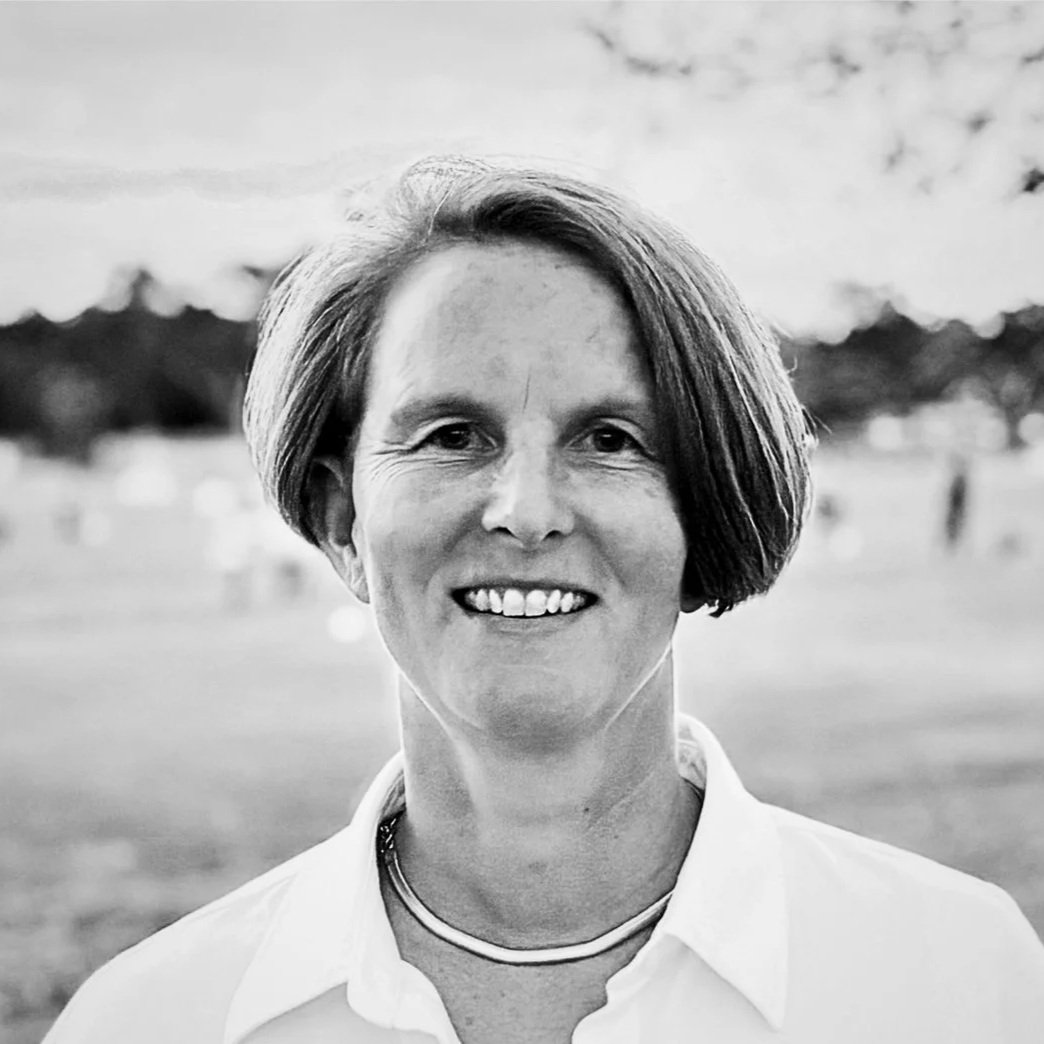
On Episode 651 of Impact Boom, Tyler Miscannon of River North Community Foundation discusses mobilising local generosity through community foundations, making philanthropy more inclusive through kindness and belonging, and why authentic leadership and wellbeing strengthen community impact.