
Obelia Tait On Community-Led Placemaking Creating Public Spaces For Connection And Belonging
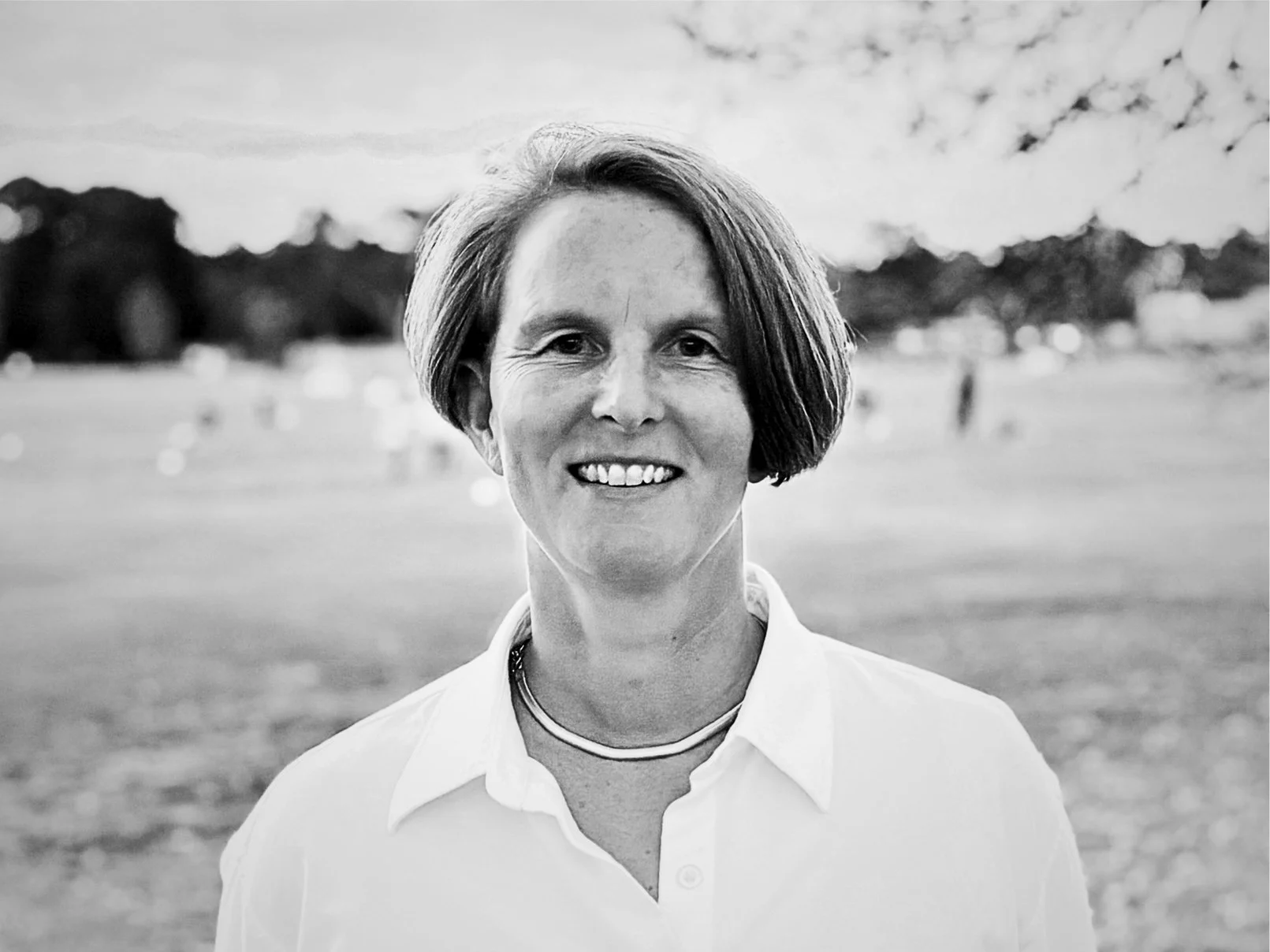
Obelia Tait is an urbanist and Director of Inhabit Place, working at the intersection of data, design and lived experience to shape better public spaces.
With a background in architecture and urban planning, she has delivered projects across the public and private sectors over 25 years. Her work focuses on understanding how people actually use space—capturing real-world behavioural data to reveal patterns of connection, exclusion and everyday life that traditional approaches often miss.
Through this work, Obelia advocates for a more inclusive, human-centred approach to cities, embedding workplace pathways and evidence into how we plan, design and manage public space to better reflect the needs of the communities who rely on it.
Obelia discusses empowering communities to shape safer and more inclusive public spaces, how placemaking responds to diverse community needs, and why meaningful consultation and collaboration are essential for generating sustainable change.
Highlights from the interview (listen to the podcast for full details)
[Indio Myles] - To start off, can you please share a bit about your background and what led you to work in social impact and design?
[Obelia Tait] - I did my university studies in environmental science and architecture. When I started my first year of architecture, I approached my dad, who ran an urban design practice, and told him that I wanted to join the family business and get involved.
He took a slightly different approach to what other architects might do. Rather than getting me started on some of the design or CAD (Computer-Aided Design) work, he got me involved in the business side of architecture. I started working in bookkeeping and administration roles, and I did that right throughout my degree. I got this amazing opportunity to learn about small business alongside learning about architecture.
Then I obtained my bachelor's degree and did my registration, which is an extremely painful process, before going on to do my master's in planning. The whole time, I was working for the family company, so I was actually in that organisation for 20–25 years, a very long time!
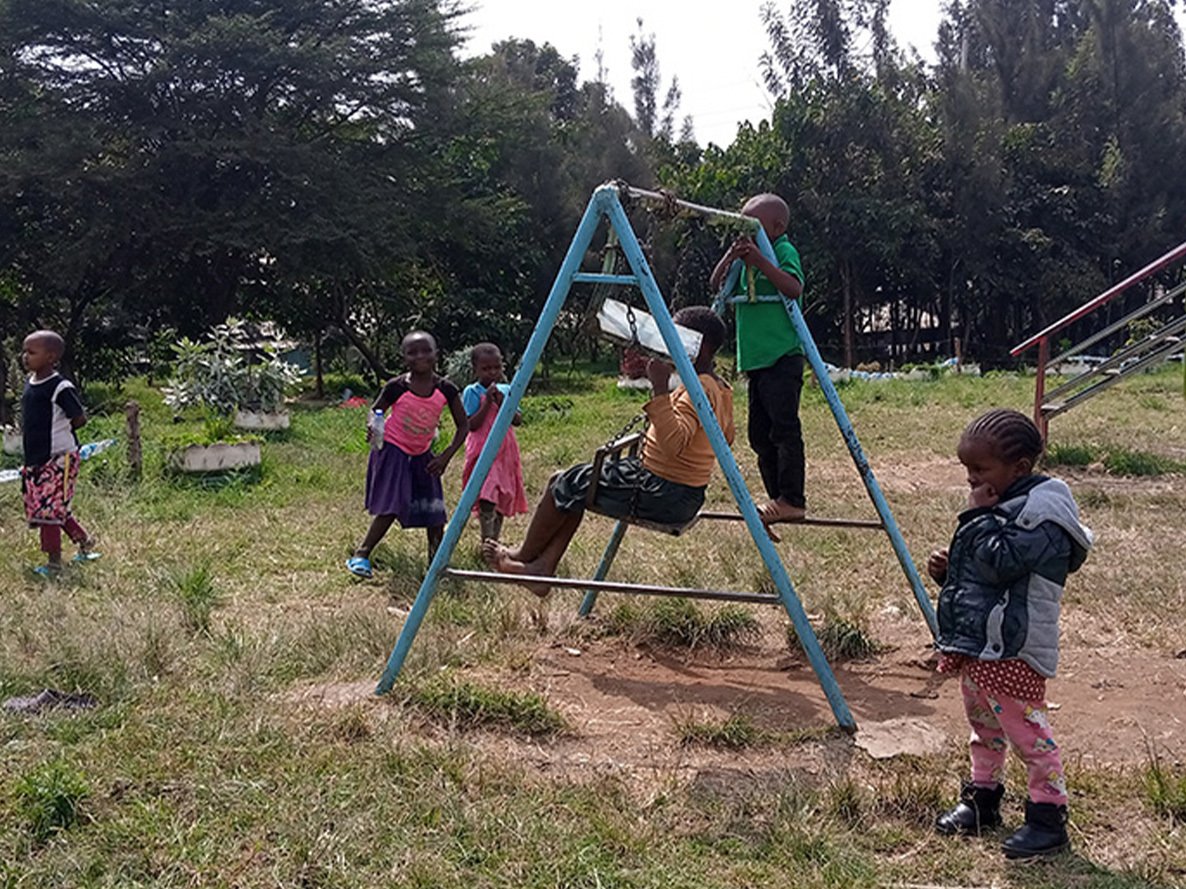
I spent most of my career designing public spaces. When I'm talking about public spaces, I'm talking about anything that's publicly accessible, regardless of who actually owns it. You can think about streets, parks, plazas, playgrounds, bus stops and all those bits of infrastructure that we use all the time.
I became a bit frustrated and tired with this top-down approach to designing these places, and I wanted a better way to meet the community where they were and understand what they needed, rather than us coming up with these great ideas.
That's where it all started for me; it grew out of my practice as an architect. I started building tools to help me better map and understand how people use public places, and then it just grew into a life of its own.
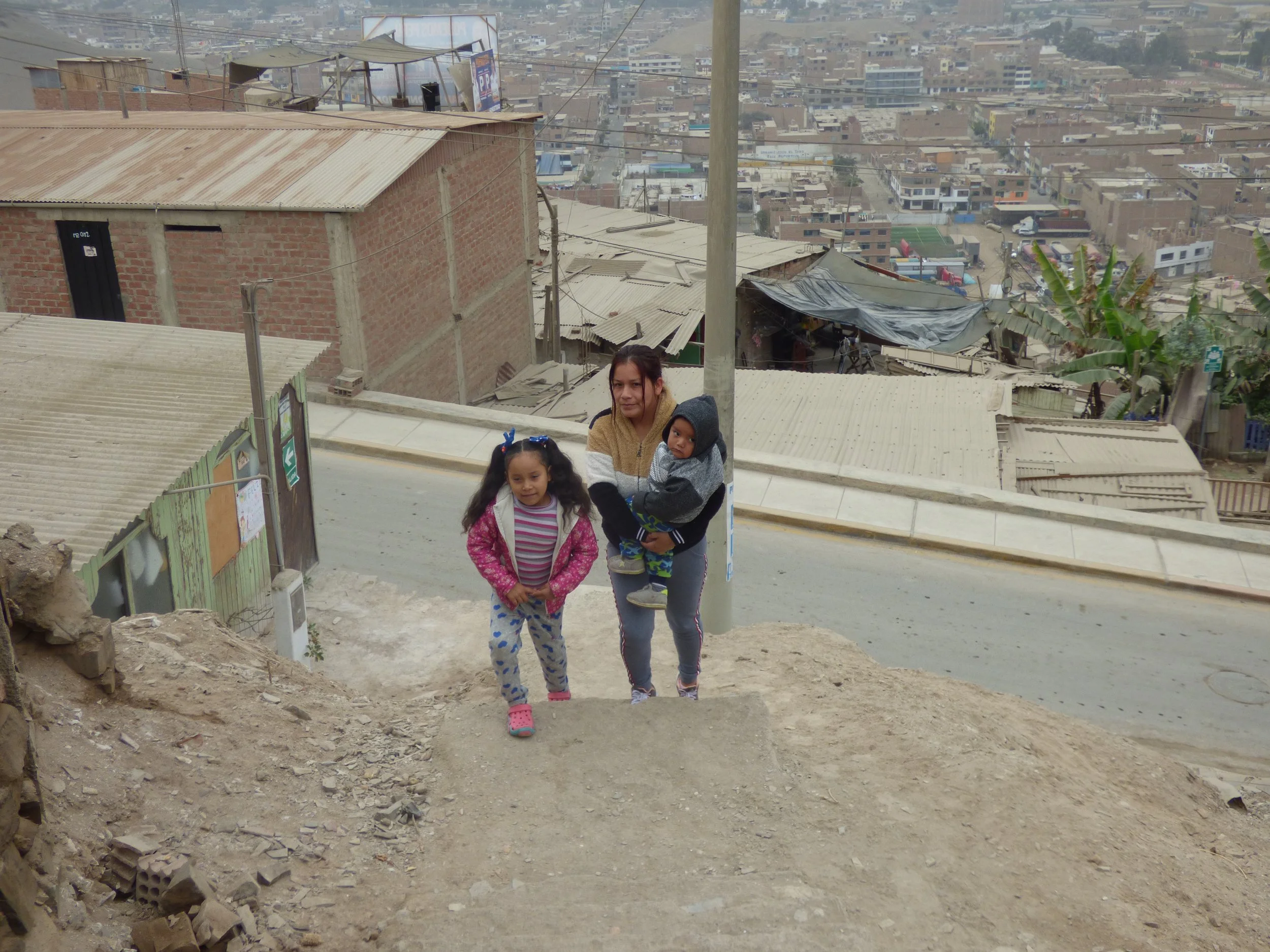
Other people saw what I was doing, and they wanted to use our tools as well. I started to see the impact of the work we were doing, not only in changing the way places were being designed and managed, but also through the people we were training to use our tools and our ability to enable workforce pathways for people, particularly those facing systemic barriers to employment.
That's how it happened. It was organic, but it's been a wonderful career, and now I'm working on Inhabit Place full-time, which is exciting.
As co-founder and director of Inhabit Place, can you share more about the organisation and how you’re helping communities shape safer, more inclusive spaces?
We founded Inhabit Place in 2018, and essentially what we do is help what we call place stakeholders. They are the people who are responsible for the design, management and curation of public spaces.
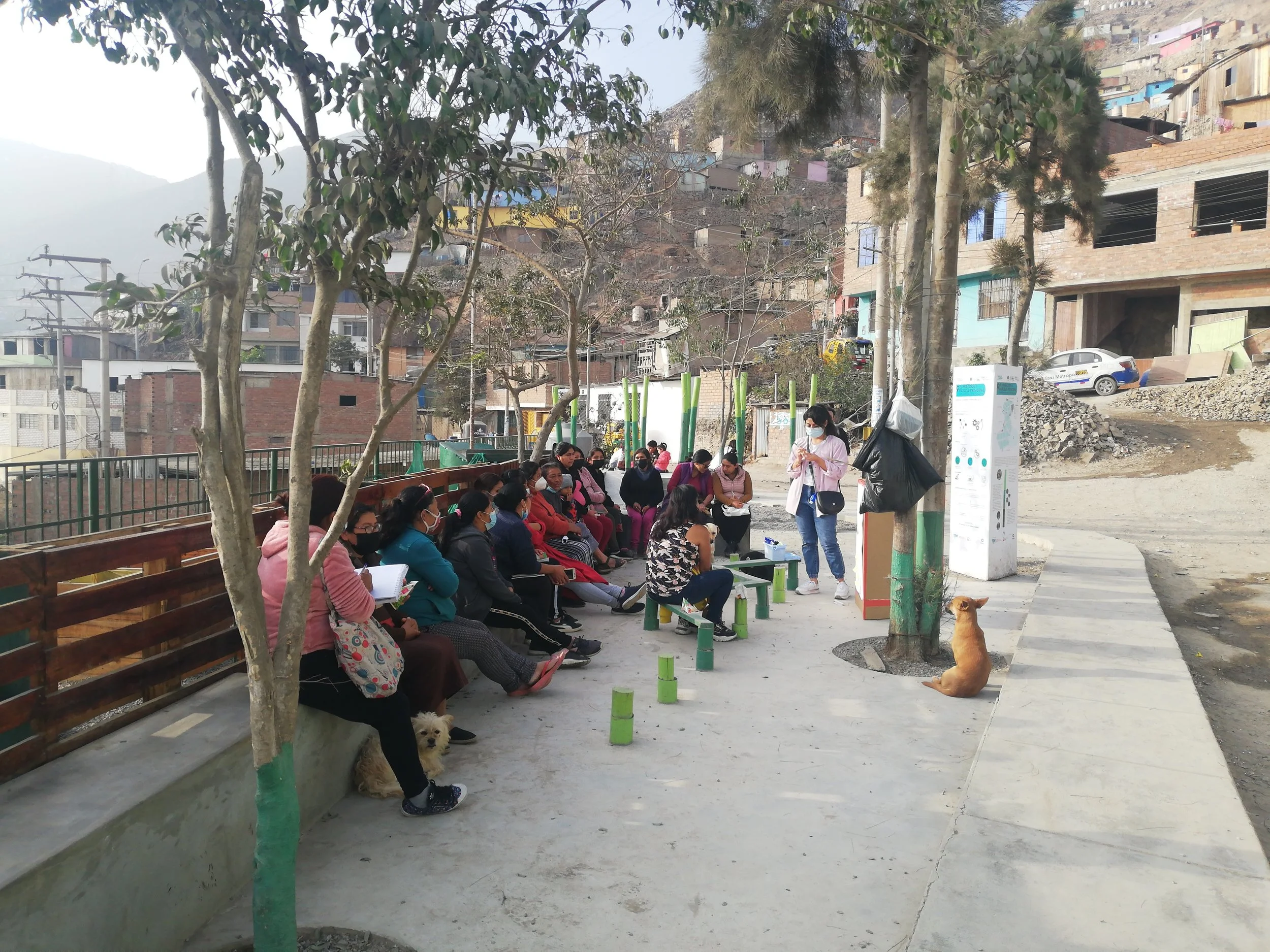
We help our stakeholders understand how the public spaces they're responsible for are being used, how they're being experienced and how they're valued by the community. We've developed this structured observational methodology, which essentially means we train local community members and put them out into their public spaces, where they collect data in quite a systematic and rigorous way.
That data is then surfaced back to place stakeholders so they have a better information base upon which to make their decisions. We've done this now across over 500 places in eight countries, so we've been able to work across a range of different environments. We've also had the opportunity to train over 500 community members in how to collect the data and use our tools.
Our work is allowing community-led knowledge to shape public spaces, rather than the opposite, which is what the business-as-usual practice tends to be, where you have people with educational training making decisions on behalf of the community.
What role does placemaking play in supporting the wellbeing of communities and individuals, and how can we design public spaces to better foster connection and belonging?
It's a huge question, and one I think is so pertinent for all of us, no matter what disciplines we are working in. The term placemaking, in the city-making or urban design world, has gained a lot of popularity over the past five to 10 years.
A lot of people talk about it in relation to soft infrastructure. They talk about hard infrastructure and soft infrastructure, with hard infrastructure being the physical elements of a city (such as buildings and streets) and soft infrastructure being the things that facilitate a sense of social connection and wellbeing. Placemaking is, I guess, the discipline that brings those two ideas together.
I like to zoom out a little bit and think about the big picture. We know that the number of people living in cities up to 2050 is actually going to increase by 2.5 billion people. I was trying to get my head around what that means, but that's 90 more Australia’s living in cities by 2050.
We are seeing this significant movement of people into more densely populated environments, and the thing that goes alongside that is a change in the physical buildings we live in. Dwellings are going to become smaller, and the public spaces that we rely on for our physical and mental health are going to become more important.
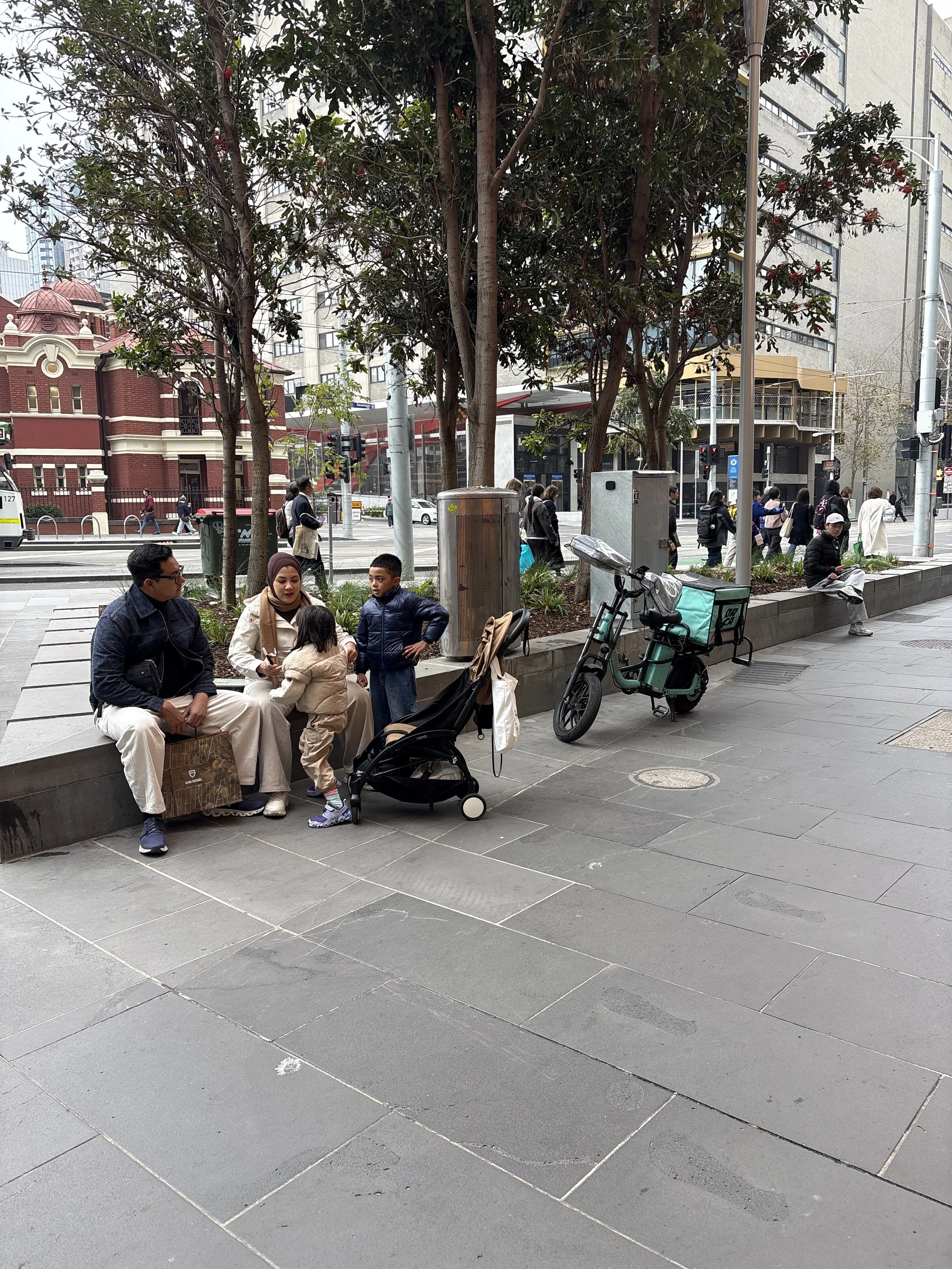
One of the stats I use a lot is this idea that three in four women modify their behaviour when moving through their neighbourhoods just to feel comfortable. If you think about how women make up 50% of the population, yet they don't feel comfortable in these public spaces that we are creating for them, that's a significant issue.
Our urban fabric plays this incredibly vital role in supporting our wellbeing, whether that's our mental health, social connections or physical health. It also plays a significant role in combating climate change, whether that's through building resilience in communities, providing safe places for people to gather, or something as simple as facilitating public transport choices.
Placemaking impacts all of us right across the board, and I think it's such an important idea and discipline for us all to be focusing on.
How can designers, developers, businesses and governments better include underrepresented communities in consultation processes, particularly women, children, older people and people with disability?
One of the things I like to think about is the idea of unconscious bias. I think in the city-making industry, there's this sort of bravado or charismatic persona that's celebrated and held up as the ideal. But I actually think what needs to sit alongside this is the acknowledgement that we all carry unconscious bias and we all have blind spots.
As an industry, we need to stop making assumptions about what people need and want from their public spaces and actually start challenging those business-as-usual processes. We can probably all acknowledge that business as usual is not really serving us so well anymore, so we need a different approach, and we need one that embraces complexity and nuance.
There's a real lack of knowledge around how different cohorts in our community use public spaces, how those spaces make them feel and what they actually need from them. We need to be spending more time in those spaces with people, actually talking to them and documenting how they use those spaces so we can use that information to design better outcomes.
One of the principles we're anchored on is UN Sustainable Development Goal 11.7, which is focused on safe, inclusive, accessible and green public spaces, particularly for cohorts such as women, children, older people and people with disability.
At the global level, there's this understanding that we don't fully understand what these cohorts need or how we're going to meaningfully include them. For me, it's all about spending time with people, listening to them and meeting them where they are. Rather than making them come to us, we actually go into the community and spend time with them.
Then, once we better understand and can better articulate what their needs are, we can start to meet those needs through the city-making processes we're engaged in.
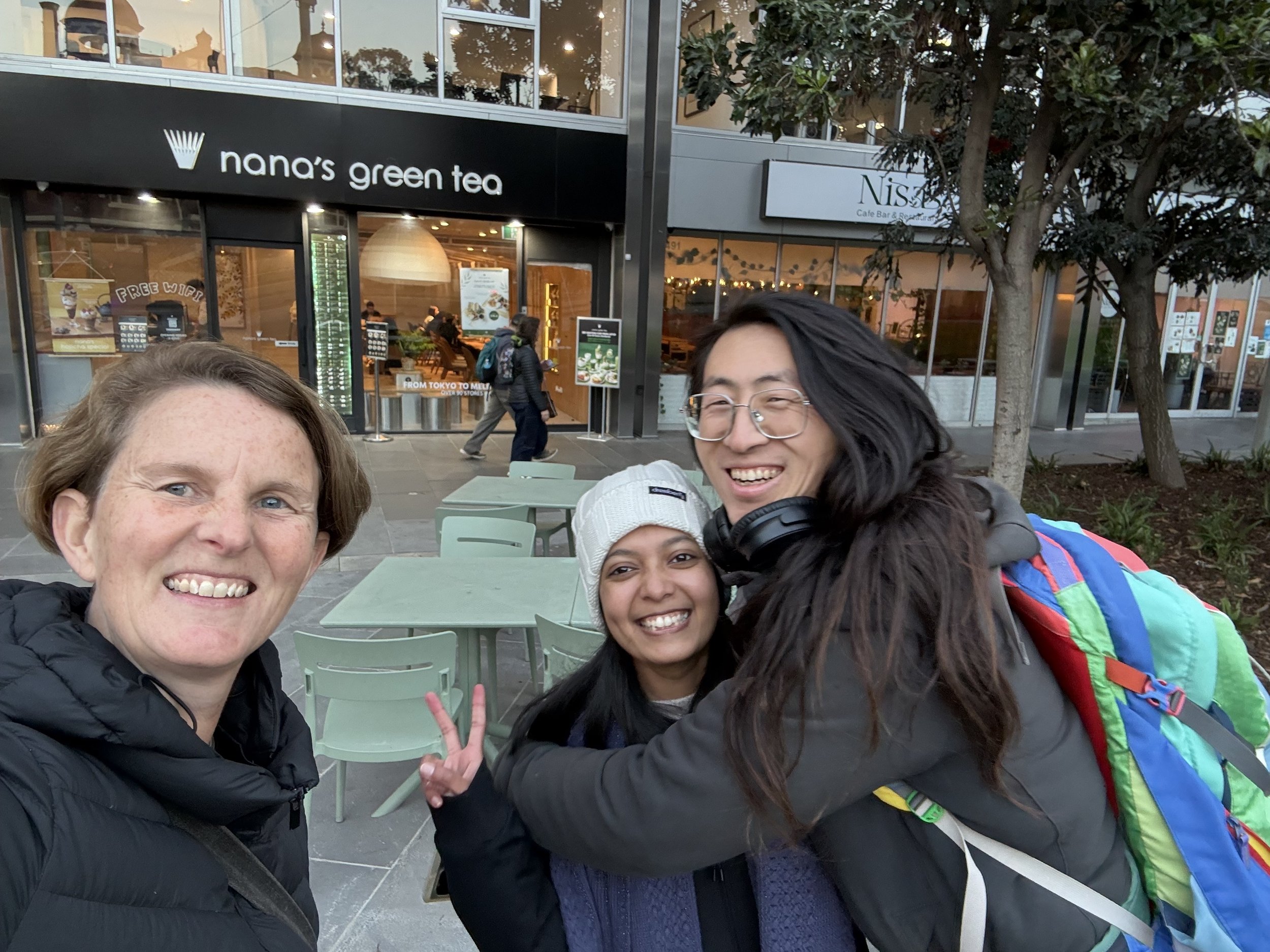
You are currently an AMP Foundation Tomorrow Maker and are receiving support to develop and grow Inhabit Place. What reflections and learnings from the support to date?
It's such a fantastic community to be a part of. I really am endlessly thankful to the AMP Foundation for supporting not only me, but also the work of Inhabit Place.
The AMP Foundation has such a unique offering to the social enterprise community, and it's a real people-first approach that they bring. They are very much about supporting the health and wellbeing of participants first and foremost, rather than working solely on the social enterprise, which I think is what a lot of other programs do. They focus on what you're trying to do rather than the person who's trying to do it.
That's something I think the team, Nicola, Lucy and Tom, really bring: supporting our health and wellbeing and building fantastic connections and community around us. They are strong at creating a network around building our capacity, and I love one of the sayings they have, which is that we aren't supposed to do this work alone.
The social impact space is a complex space. We're trying to tackle big systemic issues, and they're all about building that network and providing deep support that goes above and beyond the everyday job we're seeking to do.
It's been such a fantastic community to be part of, and I think it will be around for a long time. The connections you make as part of this program are here to stay for life, and I'm endlessly grateful for that.
Where do you see the biggest opportunities for entrepreneurs to get started, and what advice would you share with them?
The opportunities abound not only for social entrepreneurs, but for all entrepreneurs and also intrapreneurs, people working within big organisations. I feel like the current business-for-profit model is broken, and every person and every business can be a business for good.
When I think about my journey, I started building what I'm doing today because I wanted to better serve the community I was designing for. I saw an opportunity there and pursued it. Then I slowly realised there was a desire from others who wanted to join me on the journey I was on. With the support of the AMP Foundation, I was able to do the deeper work, better understand where we could have the greatest impact, and shape my business model to better meet that.
For me, it's been this unfurling opportunity where I'm constantly shifting and changing what I'm doing in pursuit of doing good, no matter what aspect I'm working on. All entrepreneurs can think about what legacy they want to leave and what impact they want to have on the world, and then start making small changes to their businesses and the way they do business to do better and create more good.
For someone who's just beginning, I would encourage you to tap into the existing social enterprise sector. Whether it's through formal programs like the Social Impact Hub and the Social Impact Fellowship or by connecting with your state and territory peak bodies, there's such an amazing wealth of information in those existing organisations. The people within them are incredible and so willing to share their knowledge and expertise to help you do better.
I think that's what's really nice about the social enterprise world: we're all here working together to lift each other up. I'd really encourage people who are thinking about it not to try and do it all by themselves. Go out there and tap into that existing body of knowledge, and use it to jump-start the changes you want to make while doing good along the way. Start building the knowledge and relationships that I think will sustain you over the many decades that, hopefully, we'll all be doing this work for.
What inspiring projects or initiatives have you come across creating a positive change?
There are so many amazing projects everywhere, all the time. I had the opportunity to go to the Global Impact Summit in Sydney this month, and I just loved the concept they led with, which was the idea of building a longer table rather than a higher fence.
I thought that Summit was amazing because there are so many incredible and diverse initiatives happening, not just across Australia, but all around the world. There are so many things happening out there that we can draw inspiration from and learn from as well.
Maybe I might just talk about some local organisations in my area. One of the organisations I really admire is called Microforest Collective. They're equipping everyday community members who have put their hands up to be leaders, as well as schools and other local groups, to plan, fund and plant these little, dense urban micro forests in neighbourhoods.
They become these beautiful little social hubs where you can engage with nature, have social connection and transform your local neighbourhood around this new micro forest. They're one of my favourite little organisations that we're working with at the moment.
Another is METIO. They're working in remote communities and enabling those communities to access the resources and funding they need to build essential physical infrastructure. It might be something as simple as replacing a basketball hoop, building a new sports centre or community building, or putting in climate-resilient infrastructure.
It's about enabling the physical infrastructure that remote communities need to make space for community. That's their tagline, “making space for community”. I love seeing people in our industry use their skills to facilitate communities to improve their neighbourhoods.
Then maybe the last one I'll talk about is Allara Drives. It's a tiny little organisation down here in Canberra, where I'm based. Through their work they've recognised that one of the real barriers to accessing community and the workplace for people from refugee backgrounds is simply having a driver's licence and being able to get around.
They have a nice one-for-one business model where every fully paid driving lesson helps fund driving lessons for people from refugee backgrounds. It makes such a difference to people's lives. As Australians, we often take for granted that we can jump in our car and drive to the workplace or go and meet people in our community. That's another one I'm finding inspiring at the moment too.
To finish off, what books or resources would you recommend to our audience?
Yes, I have to talk about Jane Jacobs. She was an amazing urbanist. She wrote this book in 1961 called The Death and Life of Great American Cities, which was all about fighting, at the time, the wholesale razing of communities that was happening in America.
She championed the need for what she called “eyes on the street”, mixed uses and vibrant public life. She was really just one woman who wasn't educated in architecture or urban design, but she saw the value of local community and wrote this manifesto that changed the course of urban planning for all of us. We can thank her for many of the amazing cities we all get to live in today.
The other book I've recently read and really enjoyed is called Wifedom by Anna Funder. It's about the wife of George Orwell, the famous novelist, and I'm sure we've all read his books.
She uncovers the secret life of Eileen, who actually really helped George write many of his famous books. She also folds in scenes from her own life about how modern women still struggle with household pressures, just as Eileen did back in the day.
I really enjoyed that book. It's a fantastic read that looks at the role of women in society and who gets to tell their stories, so that's the other one I wanted to put on the table today.
Initiatives, Resources and people mentioned on the podcast
Recommended books
The Death and Life of Great American Cities by Jane Jacobs
Wifedom: Mrs. Orwell's Invisible Life by Anna Funder

On Episode 648 of Impact Boom, Callum Champagne of Grow the Future discusses using regenerative farming to create employment and learning pathways for youth, and why place-based approaches strengthen regional communities and contribute to more prosperous and equitable futures.