
Peter Singer On Effective Altruism And How Ethical Leaders Change Lives Through Responsible Giving
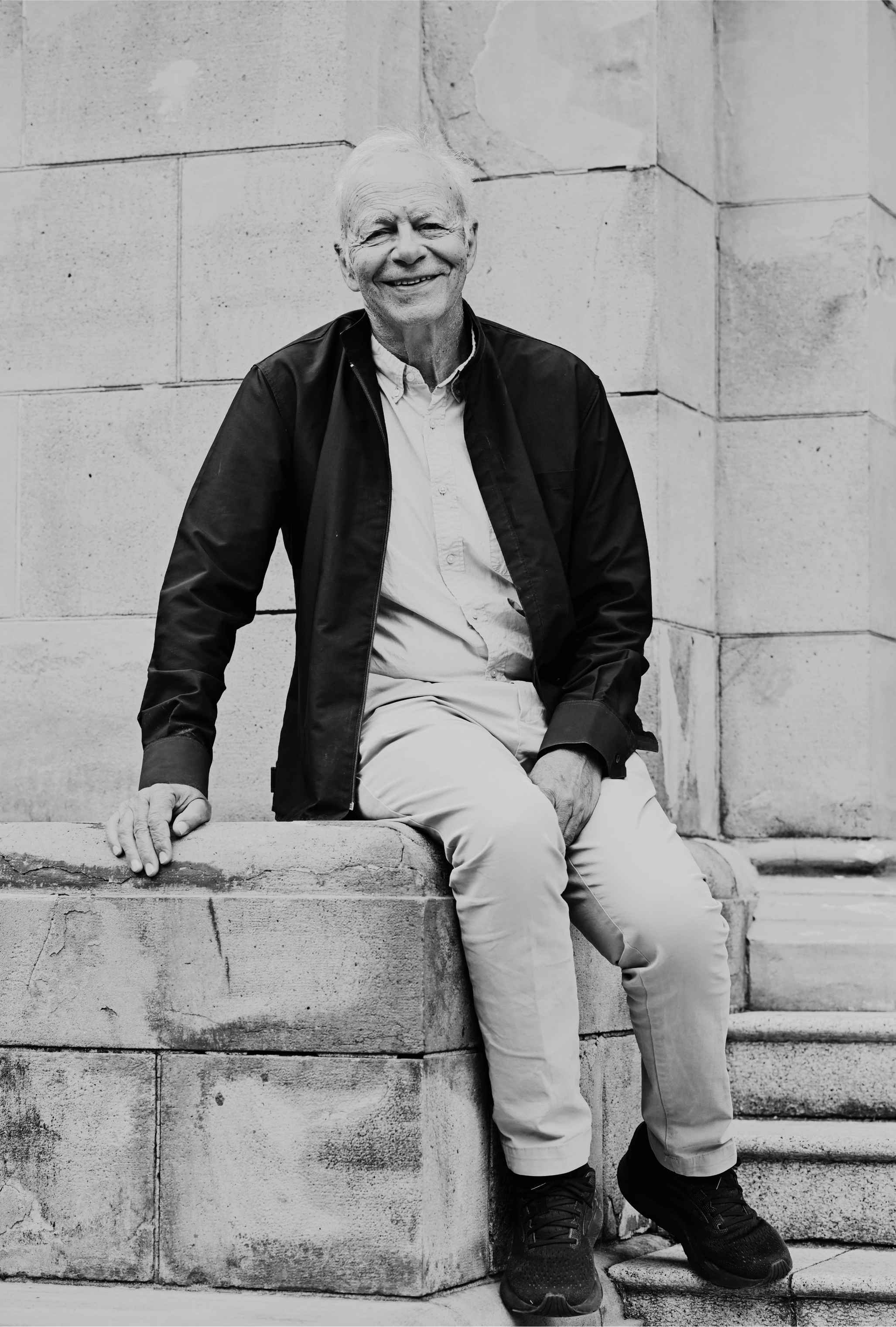
© Rei Nakama
Peter Singer is one of the world’s most influential contemporary philosophers, whose work has helped shape modern thinking on animal welfare, global poverty, effective altruism and bioethics.
His landmark book Animal Liberation, first published in 1975, is widely credited with helping catalyse the modern animal rights movement, while his writing on effective giving has influenced a generation of philanthropists, entrepreneurs and changemakers.
Peter is the founder and Chair of The Life You Can Save, an organisation inspired by his book of the same name that encourages people to give more effectively to organisations tackling extreme poverty. In 2021, he received the $1 million Berggruen Prize for Philosophy and Culture, donating the prize money to highly effective organisations addressing global poverty and animal suffering.
In 2025, Peter co-organised the Profit for Good conference in Amsterdam alongside Julia van Boven, bringing together entrepreneurs and business leaders exploring how companies can direct more of their profits towards creating positive impact. The gathering led to the establishment of the Profit for Good Alliance, which Peter co-founded to encourage more businesses to adopt this approach.
Peter has written, co-authored or edited more than 50 books, including Practical Ethics, The Expanding Circle, The Life You Can Save and The Most Good You Can Do, with his work translated into more than 30 languages.
Born in Melbourne, Peter spent 25 years as the Ira W. DeCamp Professor of Bioethics at Princeton University before retiring in 2024 and returning to Australia. He continues to write, teach and explore how individuals and organisations can use their resources to create the greatest possible positive impact.
Peter discusses evidence-based giving, ethical responsibility toward animals and future generations, and how purpose-driven businesses and courageous leaders can maximise positive impact through reason, evidence and compassion.
Highlights from the interview (listen to the podcast for full details)
[Tom Allen] - To start off, can you please share a bit about your background and what led to your work in philosophy, ethics and moral responsibility?
[Peter Singer] - I don't know if there was so much an early passion; it was kind of an accident that I even took philosophy. I was going to go to university to study law. I applied and got into law at the University of Melbourne, but an adviser there told me, "You'll find law a little bit dry. Maybe you'd like to combine it with an arts degree and do an arts-law degree."
That sounded interesting, but I still wasn't particularly thinking about philosophy. I was thinking more about history, which I'd done at high school and enjoyed. There was no philosophy at high school then, so I didn't know a whole lot about it.
My older sister had a boyfriend who had done some philosophy, and I talked to him about it and it sounded interesting.
I liked arguing; that was one of the reasons I wanted to go into law. But, I discovered the advantage of philosophy is that you can argue for what you think is the truth, or try to find out the truth, and not just argue for what is going to benefit your client.
That's when I took a couple of philosophy subjects. I did well at them and became interested in philosophy. I still wasn't sure I was going to have a career in it because I didn't really know how you could earn a living as a philosopher.
I continued studying law, but I then received a scholarship, first to do an MA and then to go to Oxford to do a further degree. At that point, philosophy took over, and I decided I was never going to finish the law degree. I realised I could have a career in philosophy, and it was something I enjoyed doing.
Can you tell us more about your current projects, including Profit for Good, The Life You Can Save and your podcast, Lives Well Lived?
I'm keeping pretty busy, even in retirement! The podcast, Lives Well Lived, I host with a Polish philosopher and friend, Kasia de Lazari-Radek. We interview people who have lived well and talk about their lives, what mattered to them and what contributed to them living well.
We also talk to people who have done research on what leads to people living well, including psychologists and researchers in other areas, as well as people who talk about public policy and how we can all live better. It's a fairly wide-ranging podcast.
Then, as you mentioned, I am still Chair of the Board of The Life You Can Save, which is an organisation that essentially exists to promote the ideas of the book, The Life You Can Save. You can actually download a free digital or audio copy of the book from The Life You Can Save website.
On the website, you can also find independently assessed charitable organisations that are highly effective in helping people in extreme poverty. Many people say, "Yes, I'd like to help people who are extremely poor, and perhaps children are going to die because they don't have bed nets to sleep under, but there are so many organisations out there. How do I know which is the right one to give to?"
We aggregate research that others have done, and we do some research ourselves. We now have more than 20 organisations that we can confidently say will give you excellent value for your donation.
Then the third thing you mentioned is the Profit for Good Alliance, which is really just getting started, but I think it has terrific potential. We're enrolling companies that are prepared to give at least 10% of their profits to charities, hopefully effective charities.
We're going to develop a label they can use to show that they're a profit-for-good company, and we want to encourage consumers to prefer them. We already have some great examples in Australia.
In fact, what got me interested in this area was Humanitix, the ticketing agency, which was started by two guys in Sydney. They actually set up a charity to entirely own Humanitix, so 100% of the profits go to charity.
I first came across them when Josh Ross, one of the founders, contacted me about finding effective charities to give to. They then donated four million Australian dollars to The Life You Can Save and the charities that The Life You Can Save recommends. That's when I became really impressed by the potential of this sector.
We also have the toilet paper company Who Gives A Crap, which donates 50% of its profits. Give Industries is interestingly different because it's a trade business; it's electricians basically doing electrical work, and they donate 100% of their profits. Of course, the electricians still need to get paid.

We also have Thankyou, which makes personal care products. Australia is pretty well represented in the field, but there are also a lot of other companies in Europe. We now have some in Singapore that have joined, as well as in the United States.
It really is becoming a global organisation, but we want a lot more companies doing this.
We want to change the norm, or the mark, of what counts as being a successful entrepreneur. It's not just about making a lot of profit for yourself or your already wealthy investors, but using that profit to create a positive difference to the world.
Across your career as a pioneering bioethicist and author, what have been some of the biggest intellectual or cultural challenges you've faced when advocating for animal liberation and effective altruism, and how have you navigated them?
If you're asking about intellectual challenges, I suppose the first was really getting my head around the moral obligations we have to non-human animals. I grew up in Australia eating a lot of meat and not really thinking that animals mattered.
As an undergraduate, I was involved in the campaign against the Vietnam War and against conscription for Vietnam, and also in the abortion law reform movement, which was just getting started there. But I hadn't really thought much about cruelty to animals as a significant issue.
Then I went to Oxford and, more or less by chance, I had lunch with a Canadian student who was a vegetarian, which was pretty unusual in 1970. To meet somebody who was, in a way, culturally similar to me, not a Hindu, for example, who was a vegetarian because he thought the way we were treating animals was wrong, was very unusual at that time.
I looked further into it, and there was one book available called Animal Machines by Ruth Harrison, which described factory farming, which was already in existence in 1970. It very convincingly showed, through quotations from agricultural trade journals, that the whole emphasis was on how you could get the most profit out of your animals, and not at all on how you could give them even minimally decent lives.
This made me think have I been wrong my whole life up to now? What is the moral status of animals? What entitles us, or would justify us, in giving animals miserable lives when we can nourish ourselves perfectly well without eating meat? That was a personal challenge as well as an intellectual challenge. Eventually, I decided there was nothing that could justify the way we were treating animals, and therefore I shouldn't be complicit in it. I should stop eating them, which is what I did.
Of course, there was a lot of pushback. At that time, people regarded this as a pretty bizarre idea. I did various radio talk shows and a couple of late-night TV programs talking about it, where sometimes the host was a bit incredulous that I was suggesting we shouldn't be eating animals.
But times have changed. There's a lot more understanding and acceptance of that, even if, unfortunately, the number of animals in factory farms has kept rising globally over those 50-plus years.
With global inequality, climate change and emerging issues such as AI ethics intensifying, what ethical principles do you believe society should focus on today?
Of course, one issue we weren't aware of in the 1970s is climate change. That's something we started to learn about in the late seventies and eighties, yet we didn't really do nearly enough about it.
We're getting a little better. We're seeing a lot of electric cars and people moving from fossil fuels to electricity, which is certainly cleaner and has the potential to be cleaner still, and that's good. But it's still a huge problem. We've just seen record-breaking heatwaves in Europe during the northern summer, and these things are happening elsewhere.
Climate Change is an enormous challenge, and I think it's an ethical failing because we're not taking account of the future in the way we should. Just as I was saying before, people have focused on humans rather than non-human animals, and now we're focusing on those who are alive today rather than the next generation.
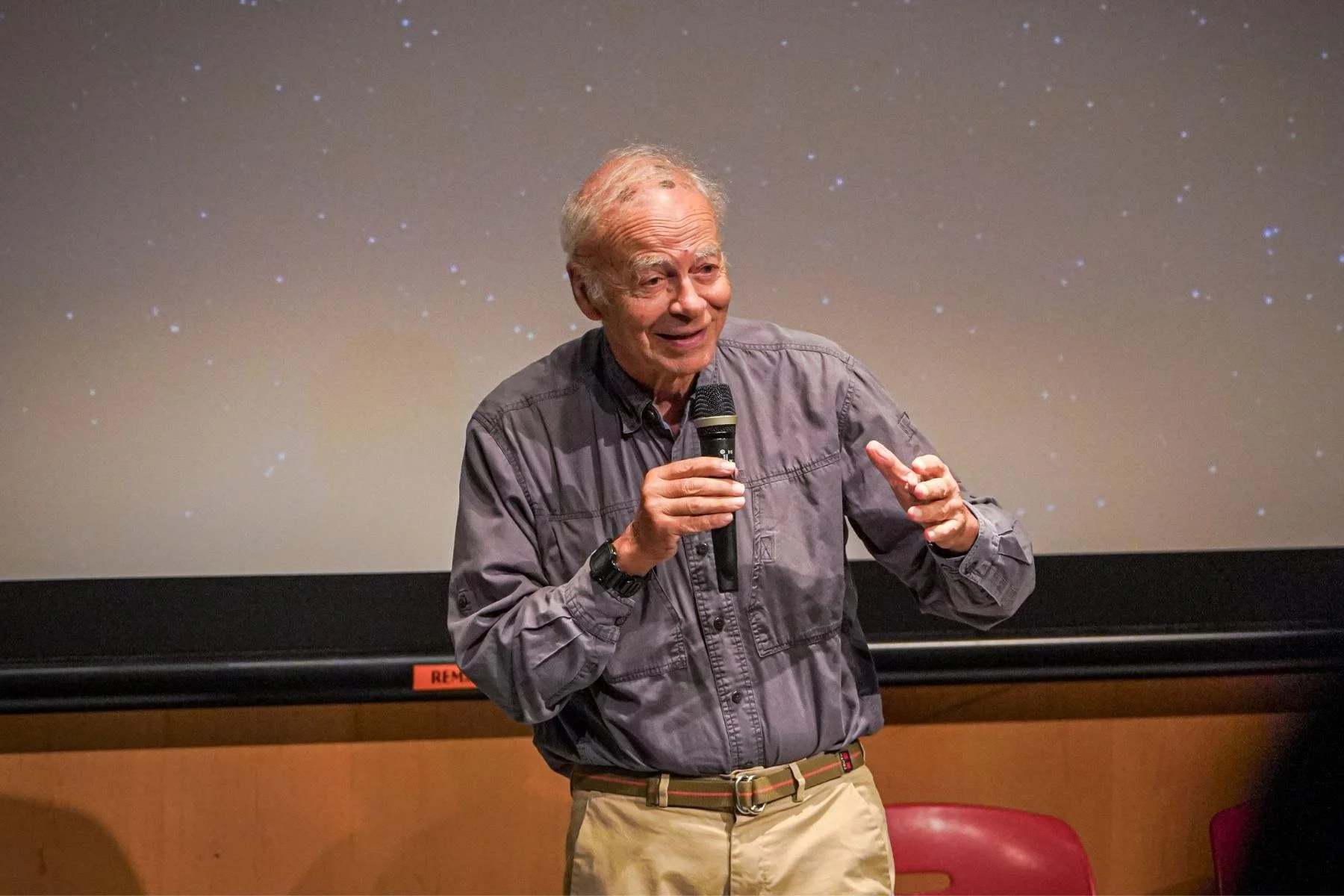
In fact, many of the people who are going to be worst affected by climate change are already alive, but maybe they're too young to vote. Those not yet born are really going to suffer from what we're doing.
There are also, of course, people in lower-income countries who have fewer resources to deal with climate change. They don't have air conditioning to stay cool, but even worse than that, if the rains fail or rainfall patterns shift, as some predictions suggest they might, there could be serious consequences.
The monsoonal rains over the Indian subcontinent, for example, could change under some models, and that's 1.4 billion people who could be affected. Many of those people will be poor farmers who don't have anything else to do if their land is no longer productive. They'll have to drift to the cities, and some of them will become homeless.
These are enormous problems that we know what we need to do about, but we haven't been doing it, and that's the challenge.
What advice would you give purpose-driven leaders and donors to ensure their giving is evidence-based and achieves the greatest measurable impact?
I would say, if you want to give, really look for organisations that are providing evidence about what is effective.
I've already mentioned The Life You Can Save, which does that for helping people in extreme poverty. I think that's one of the clearest areas. There's also an organisation called Animal Charity Evaluators. You can find their website, and they will assist you in finding the most effective organisations helping animal welfare.
For climate change, there are a number of organisations. Giving Green is one of them that will provide you with recommendations. Pretty much any major area now, you're going to be able to find something.
My advice is: don't just give impulsively. Don't just give because a friend has said, "I give to this organisation," unless your friend has already done the research. Look around online, find sources of evidence, look at some of the effective altruism organisations that are out there, which have discussion boards about giving effectively, and follow the evidence.
It's a combination of head and heart, I think, that we need in this area. One alone will not really do it.
What common traits have you observed among modern ethical leaders, funders and changemakers?
Obviously, they're prepared to stand up for things they think are right. They're following their reasoning and the evidence and saying, "We're doing this, but we should be doing something different," even if that's going to be critical of some organisations and give rise to opposition.
For example, effective altruists will generally agree that giving to opera houses or art galleries is not the most effective thing you can do in the world at the moment. They can use very large amounts of money to buy works, and that's nice. I wouldn't want them not to be there in some sense.
But given the various issues we've been talking about, including extreme poverty, factory farming, climate change and AI safety, which I think you briefly mentioned, there are things that are much more urgent than rather expensive cultural institutions that essentially cater mostly to people who are already quite well off.
Leadership requires people who will stand up, make their voice heard, and take the flak that might come from some of those establishment groups. Then, they build an organisation to spread the message. We can do that online now, and if you've struck a chord with people and are persuasive enough, then you're going to get people following what you're doing and you can have a real impact.
Would you agree that courage and storytelling are also important qualities for creating impact?
From studying and working in philosophy, I’ve learned we have a tendency to use reasoning and arguments to make our points, which, of course, is important. But you need to intersperse this with more concrete storytelling practices as well. You need to give examples and illustrate the dramatic difference you can make.
A couple of people in effective altruism have been very good at this. One of them is Toby Ord, one of the founders of the effective altruism movement, who is also Australian.
He tells a story about how, when he was a graduate student studying philosophy at Oxford, he asked himself how much impact he could have on the world if he lived modestly. He was on a graduate scholarship, and he thought he could continue to live modestly, perhaps on a little more than his scholarship, but not as much as he would earn when he became an academic. He was on track to become an academic, as indeed he has.
He calculated how much he could save each year to give, added all that up until his retirement, and then looked around to find how he could use it most effectively.
He made this comparison between two different organisations that help people with visual impairment or prevent visual impairment. One of them trains guide dogs, which obviously is helpful if somebody who is blind or visually impaired can have a well-trained dog to help them get around. But it's really expensive because it takes a lot of training, so it costs something like $40,000 to train one dog for one person.
Toby compared that with funding clinics to prevent trachoma, which is a leading cause of preventable blindness. It does occur in Australia, often among Indigenous people, but is also more widespread in North Africa. It's likely to occur in hot, dusty places without good hygiene, and it's quite easy to prevent.
You set up a clinic and treat people's eyes when they're young. It's caused by a microorganism that gets into their eyes, and if you kill that, they won't go blind.
When Toby did his calculation, it was costing about $25 per case of blindness prevented. So, you compare $25 with $40,000 and you can see the difference that choosing the most effective intervention can make.
Now, maybe that $25 has gone up because the low-hanging fruit, the places where there are the highest levels of trachoma, have been dealt with. But even if it's a couple of hundred dollars, it's still going to be far more cost-effective than training guide dogs.
What organisations, initiatives or global movements have you observed recently that are successfully creating positive impact for animals, extreme poverty reduction or other causes?
For animals, there are two ways of tackling what I see as the biggest problem, which is factory farming, because, as I said, that has continued to grow.
It's something like 200 billion vertebrate animals. I'm not counting insects or anything like that. Around 200 billion vertebrate animals, who we can be highly confident are sentient beings capable of feeling pain, are raised each year.
Factory farming happens on an enormous scale, and I think there are two ways we can try to combat it. One is, more traditionally, to put pressure on retailers, fast-food chains and others to avoid the worst forms of factory farming. That means avoiding eggs from hens kept in tiny cages where they can't even stretch their wings, and pig products from pigs kept in stalls where they can't turn around.
That's one way of doing it. The other is to try to develop alternatives to meat from animals, which might be plant-based products or involve cultivating animal cells. Those cells can be taken from animals without harming them and grown in a bioreactor to produce meat that can then be textured in various ways.
Maybe that's going to be the long-term future of trying to end factory farming, but so far it hasn't succeeded in getting the cost low enough to compete with meat. Some people still have a sort of negative "yuck" reaction to the fact that it's cell-grown, but I think that will change if we get a product that people enjoy and that's economically competitive.
To finish off, what books or resources would you recommend to our audience?
Of my own, if you're interested in the animal issue, I brought out a thoroughly updated version in 2023 called Animal Liberation. Of course, I've already mentioned The Life You Can Save.
There's such a range of great books. William MacAskill has a book called Doing the Most Good, I think it is. Something like that anyway; look up William MacAskill.
If you're interested in the AI safety issue, William also has a book called What We Owe the Future, and Toby Ord has a book on that too called The Precipice. They're interesting and important works.
There's really a lot going on, and there's a lot to be found online as well. I recommend people look up effective altruism, have a look at some of those discussions and follow whatever your interests are. There's plenty there.
Initiatives and people mentioned on the podcast
Recommended books and Resources
Lives Well Lived Podcast with Peter Singer & Kasia de Lazari Radek
Animal Liberation Now by Peter Singer
The Life You Can Save by Peter Singer
Animal Machines by Ruth Harrison
Doing Good Better: How Effective Altruism Can Help You Make a Difference by William MacAskill
What We Owe the Future by William MacAskill
The Precipice: Existential Risk and the Future of Humanity by Toby Ord

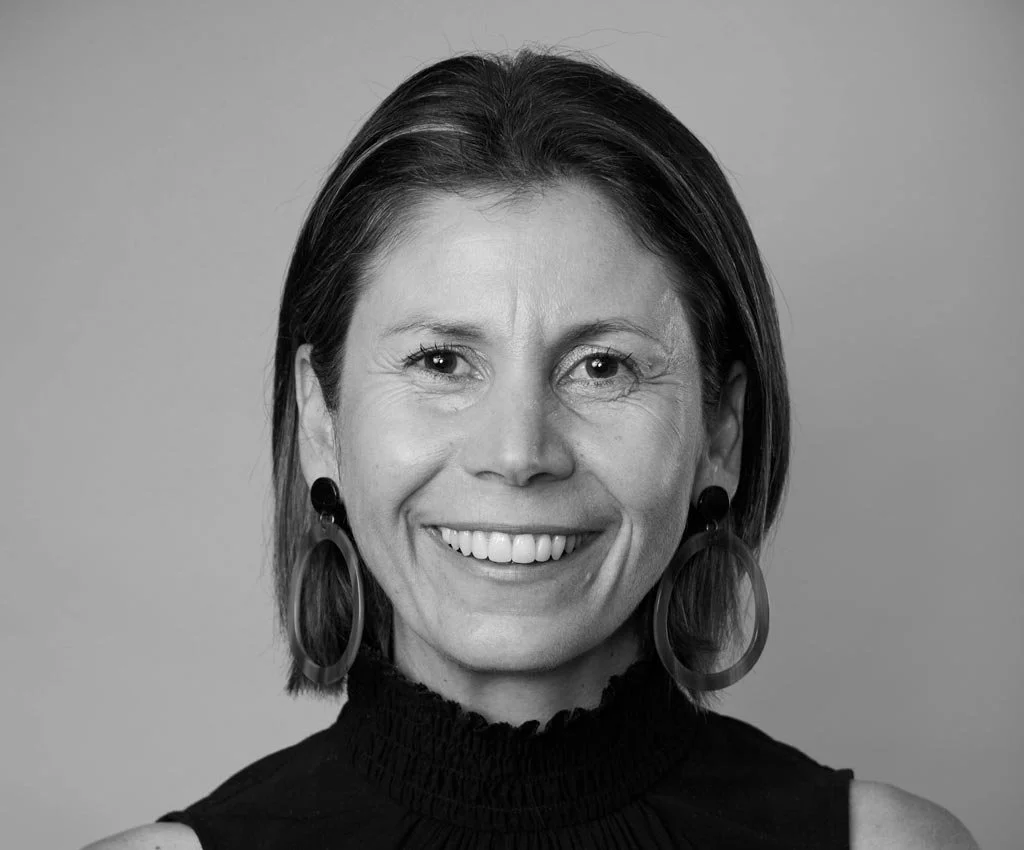
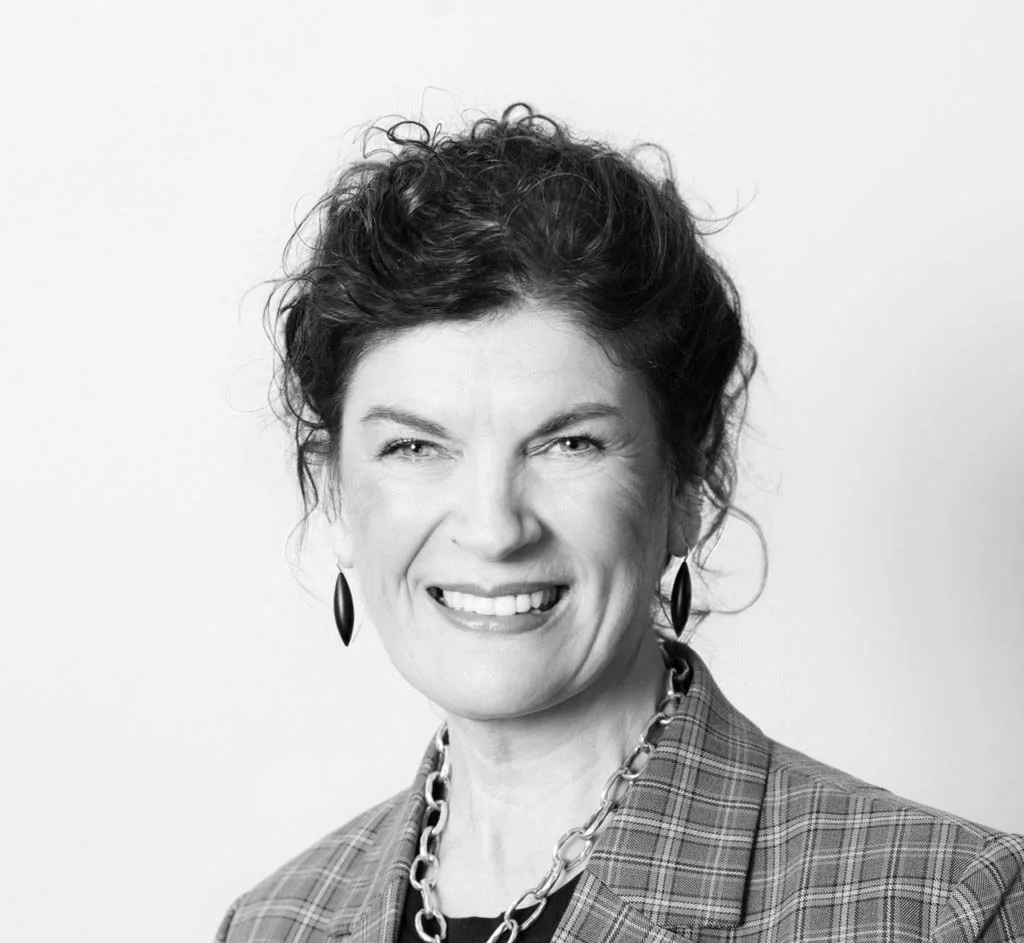
On Episode 645 of Impact Boom, Peter Singer of The Life You Can Save discusses evidence-based giving, ethical responsibility toward animals and future generations, and how purpose-driven businesses and courageous leaders can maximise positive impact through reason, evidence and compassion.