
Shannon Lemanski On Sustainable Social Enterprise Models Providing Clean And Accessible Water For All
More than two million Australians lack access to safe drinking water. In many towns, tap water carries E. coli, uranium or enough sediment to be undrinkable, and in these communities bottled water is often more expensive than soft drink.
This leaves parents with two options: make baby formula with unsafe tap water, or give their children soft drink.
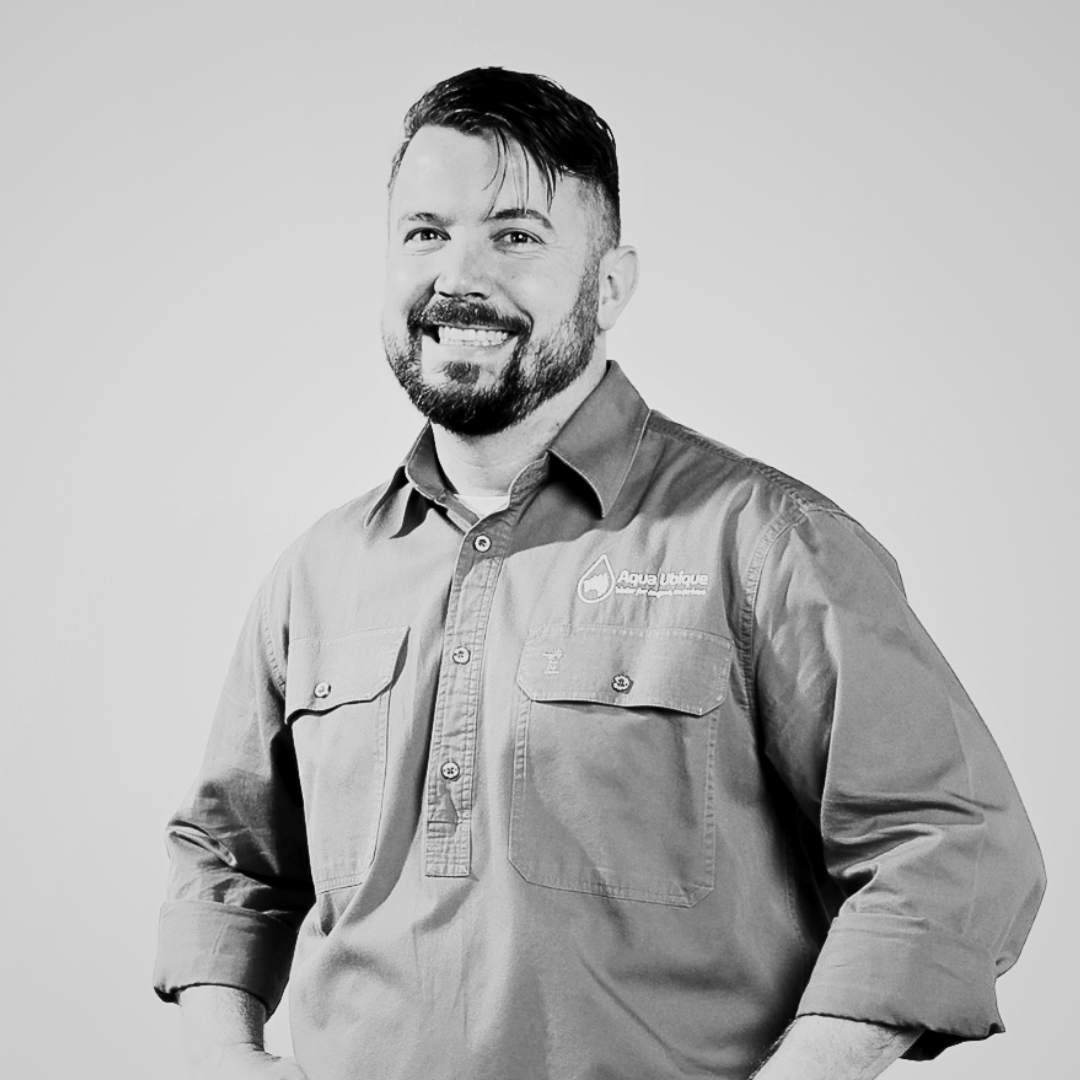
Shannon Lemanski first saw the problem in Papua New Guinea, where locals asked his Army unit not to crush their empty water bottles so children could collect rainwater. A Chartered Professional Engineer, he left the Army after 12 years and co-founded Aqua Ubique in April 2023 to make drinking water out of thin air.
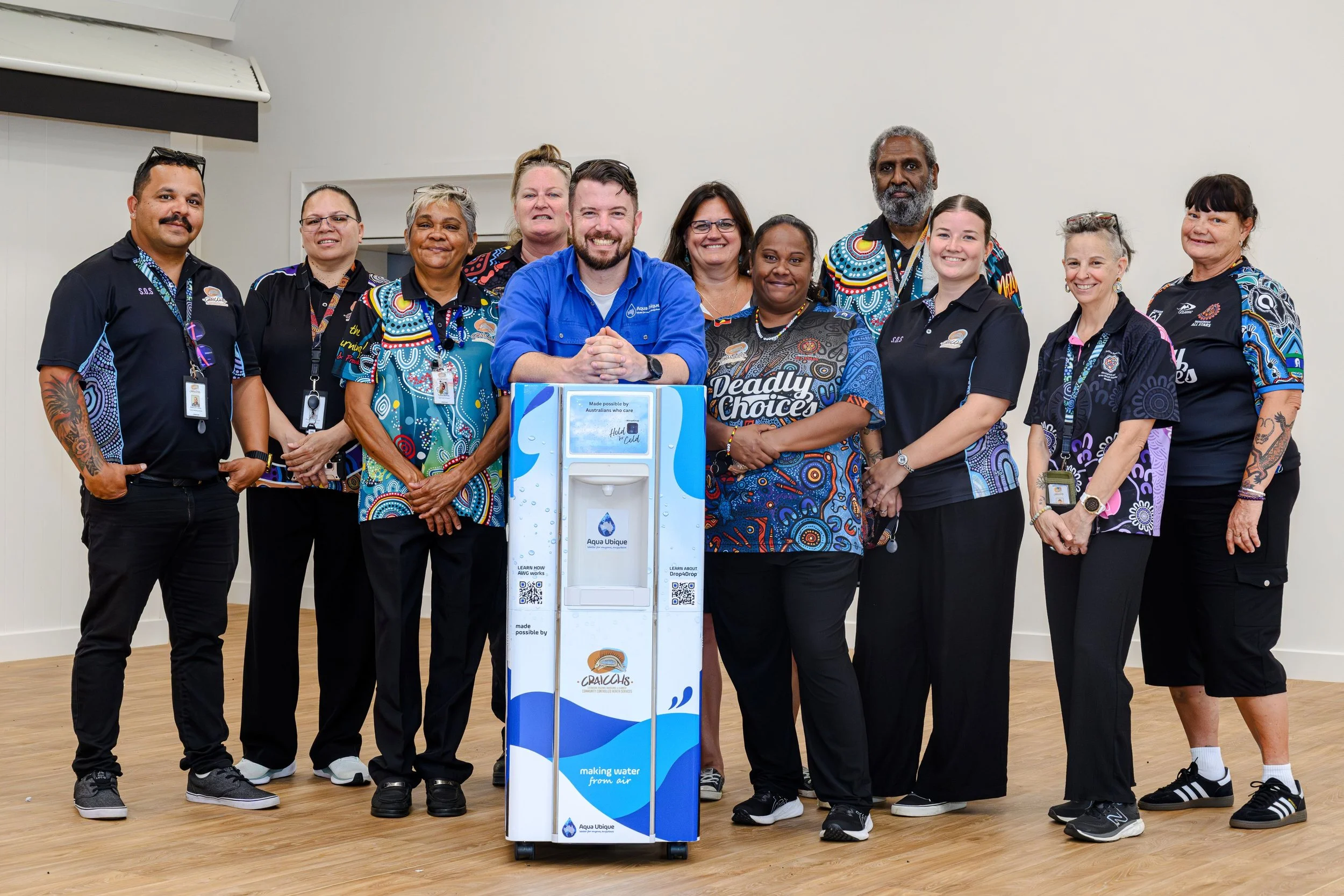
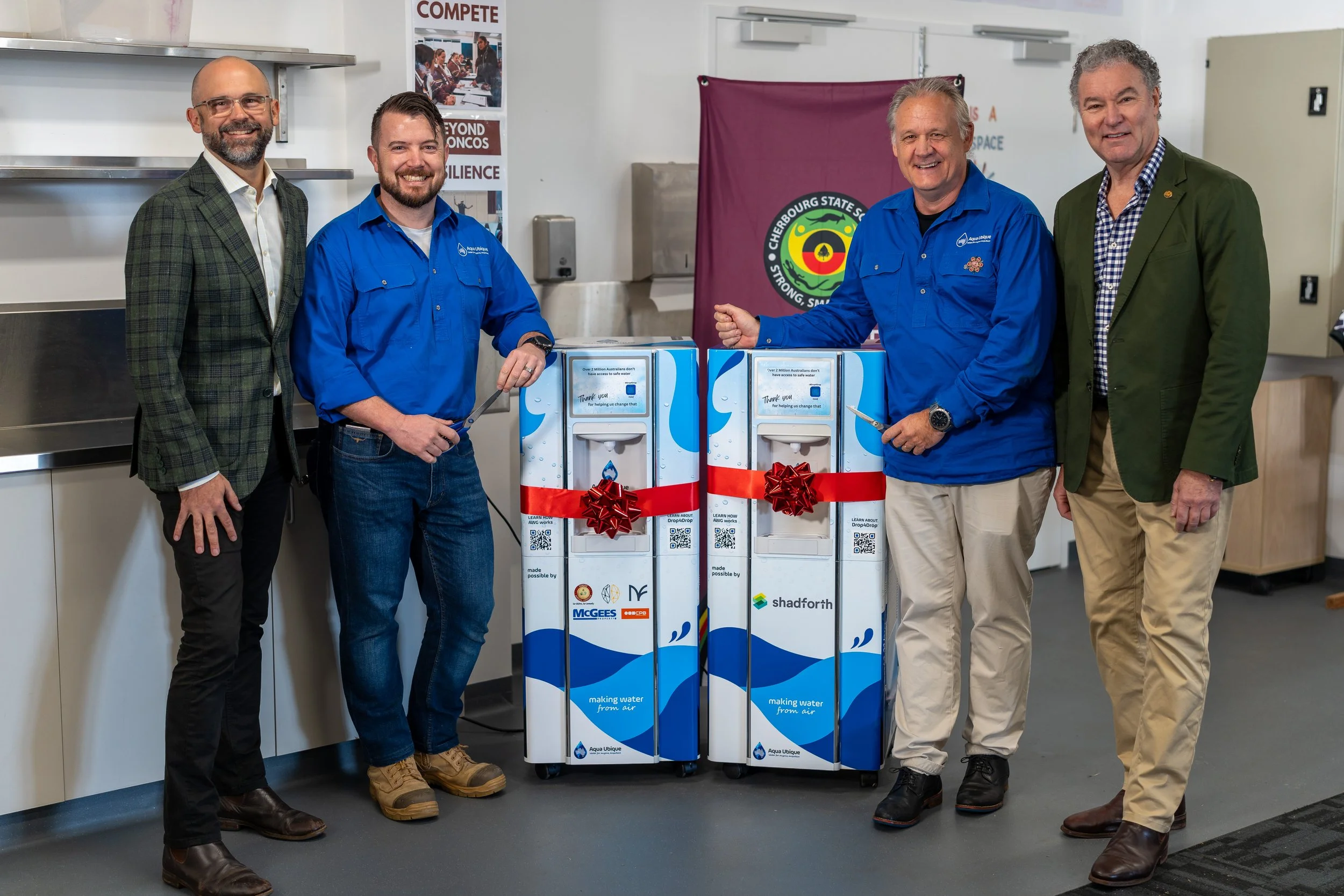
In under three years, Aqua Ubique has put machines into offices and on worksites across South East Queensland. Every business that swaps its bottled water cooler for one funds a machine in Cherbourg, where more than 350 people now have safe drinking water.
In 2026 that model won The King's Trust International Global Sustainability Award at the Royal Albert Hall, a first for Australia.
Shannon discusses how atmospheric water generation technology addresses water insecurity, building community-led solutions with First Nations communities, and why financially sustainable social enterprise models are essential for scaling long-term impact.
Highlights from the interview (listen to the podcast for full details)
[Indio Myles] - To start off, can you please share a bit about your background and what led you to tackling water insecurity?
[Shannon Lemanski] - This is definitely not a career I foresaw myself getting into, but we can trace the company back to 2016, when I was serving in the Army over in Papua New Guinea. The tap water there wasn't drinkable, so that meant as the logistics officer, I needed to bring in pallets of drinking water.
As you can imagine, with 120 soldiers working in a hot, humid environment, that's a lot of plastic. I was crushing the bottles and taking them down to the tip, because I was the garbage disposer as well.
One day, we were throwing out these bottles at the tip, and the locals came up to me and said, "Hey boss, can you not crush these bottles?" I said, "Sure, not a problem. What do you need them for?" They said, "If we get them uncrushed, we can harness more rainwater for our kids, and we don't have to give them dirty creek water."
I thought this was a no-brainer, so I went back and said, "Hey everyone, I know I've only been here for five minutes. I'm the junior officer, so therefore you all think it's a joke, and I've been telling you for the last three weeks to crush the bottles. Please ignore everything that I've said and just give them to me uncrushed!" The boys found this absolutely hilarious!
Anyway, jump forward two weeks from there. Every 12 months, you grab the last two pallets of drinking water and put them in shipping containers. It gives you something to get started with next year. Fortunately, I hadn't needed the pallets from the year prior, but these two had now "expired".
I'm now back down at the tip with these two pallets of expired water, throwing them out. The locals took one look at the situation: Army guys in Army uniforms, on army trucks, throwing these things out. There must be something wrong with it. The plastic must be poisoned or something else.
I need to paint the picture of what the tip is. We're not talking about an Australian tip where it's concrete, organised, and safe. I'm talking about two-storey-high piles of burning garbage. The locals who live there have no other option, and I have to take two Army trucks that have both got six-foot ground clearance because I need to use one as an anchor to pull the second one out when it gets bogged.
We're now up on these trucks. I've jumped out, I'm shovelling out these pallets of still shrink-wrapped plastic bottles, and the locals go, "Hey, what's wrong with these bottles?" I said, "Nothing," but then I had to drink a bottle in front of them to get through the language barrier, and those bottles very quickly grew legs and ran away.
A couple of weeks later, I got back to Townsville and was talking to some of my senior soldiers. They were telling me, "When we were in East Timor in the early 2000s for INTERFET (International Force East Timor), the same thing would happen. A pallet of drinking water would come through, then someone from the UN would come through a couple of days later and say, 'Oh no, that pallet's expired, you've got to get rid of it.'"
They asked if they could leave it out the back of the barracks and were told, "No, that's too much of a health risk." With a locally employed workforce in the barracks and no safe tap water in the area, they had to slash the bottles so the water was running down the gutter, and then burn the plastic because they didn't have a garbage service.
That was the reality I was aware of in that region when I was in the Army. Then, when I was leaving the Army, I came across atmospheric water generation technology, and I knew this stuff could be life-changing right now. If that technology has been around for close to 20 years, why is SDG 6 still a problem? Why doesn't everyone have access to safe drinking water?
There are some technical limitations to it, and we're working on that at the moment with the University of New South Wales (UNSW) to improve them. Mainly, it boiled down to the fact that the people who needed the technology couldn't afford it, and the people who could afford it didn't necessarily need it. So, how do you fix that?
That is what gave genesis to Aqua Ubique. It took us quite a few go-to-market approaches and bits and pieces to work through who the customer was, how to position it and what the value equation was.
That's ultimately led us to where we are now, particularly working with tier one and tier two civil construction companies. Think big civil construction crews working on railways, roads and whatnot. They've got a tonne of bottled water and a tonne of water coolers across all of their sites.
We now help them switch those out, get rid of those bottles and eliminate that plastic. Then, for every five office water coolers we deploy, we're able to put one into a remote or regional community.
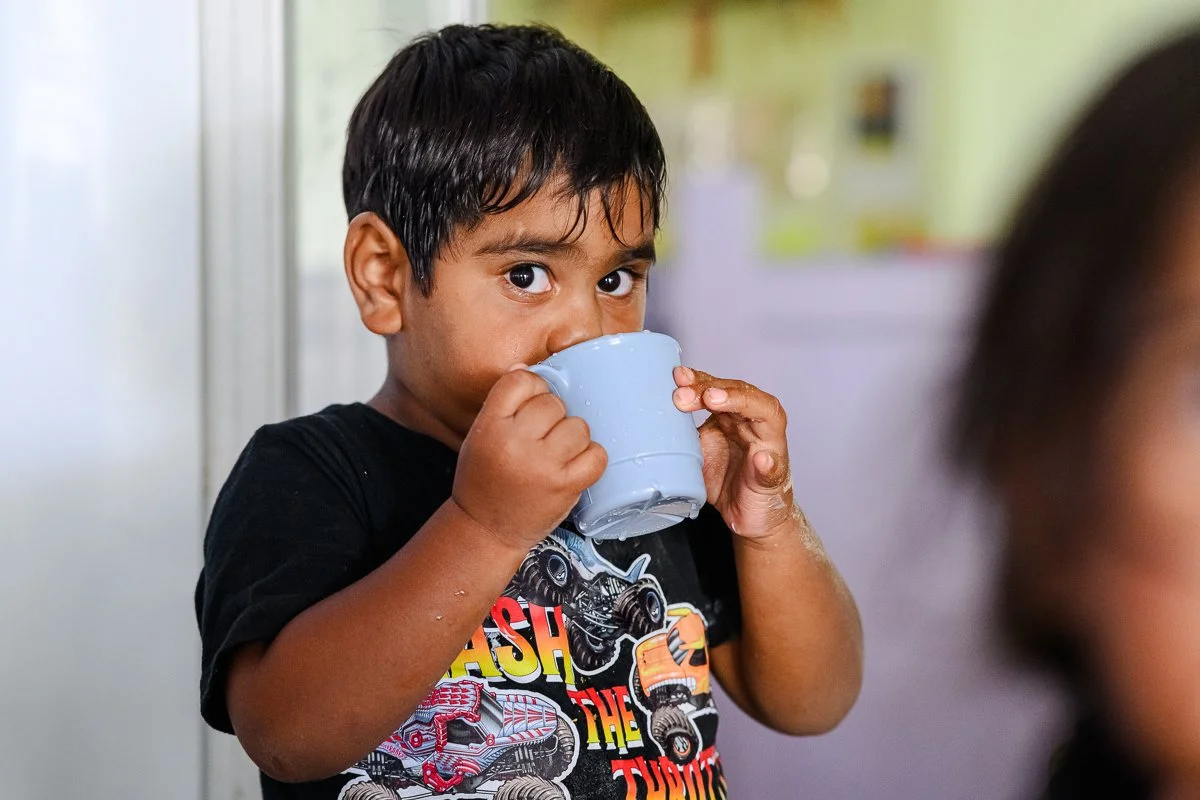
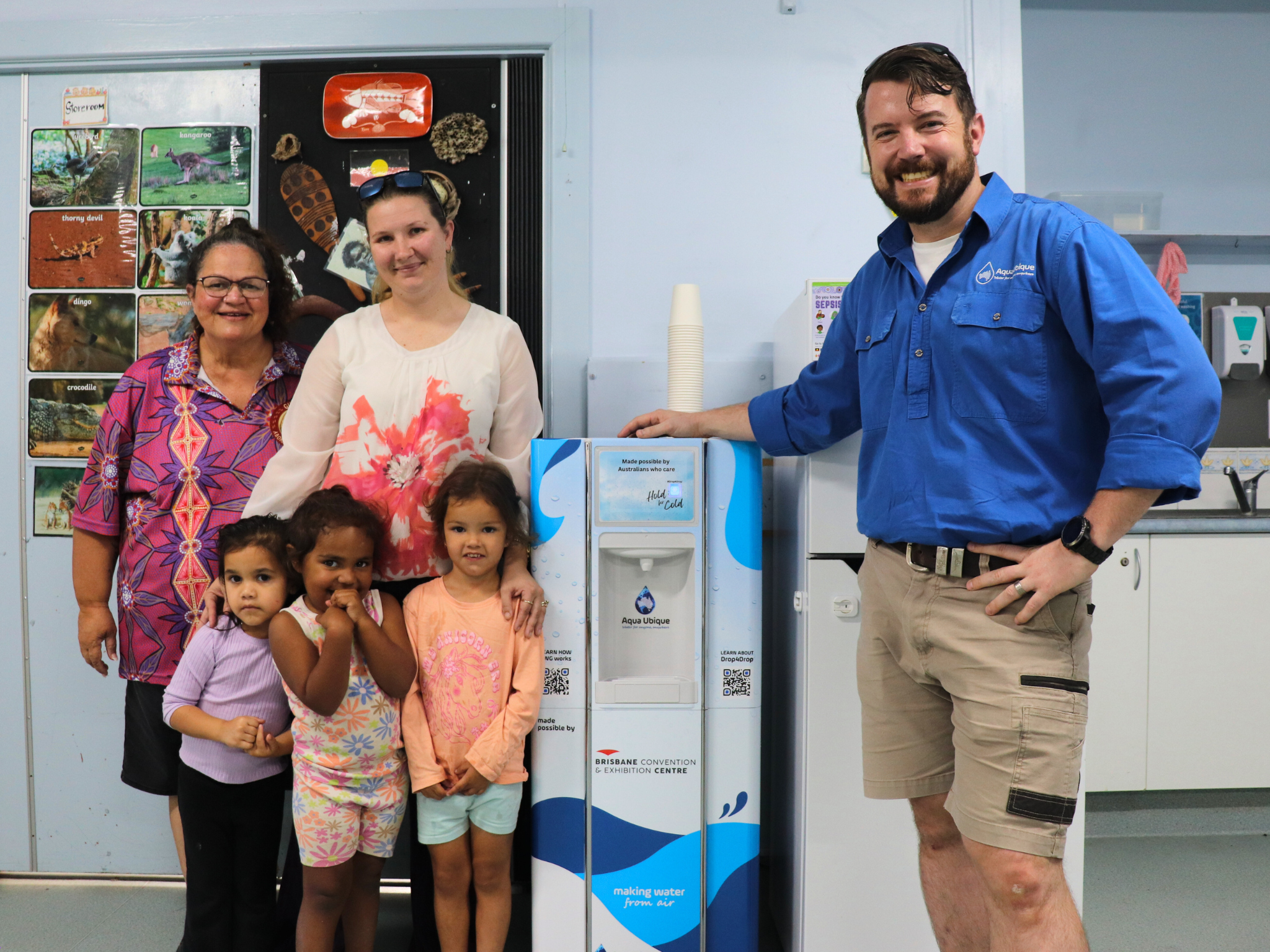
A good example is Cherbourg. Before Drop 4 Drop kicked off, parents of two- and three-year-olds in the daycare centre had children whose front teeth were falling out because of how much soft drink they were drinking.
The reason these kids were getting that much soft drink was because their parents had the option of making baby formula with unsafe tap water or buying a soft drink that was cheaper than bottled water at the only store in town. So, what do you do?
Now, thanks to Drop 4 Drop, there are 350 people for whom that's no longer the reality.
As the co-founder and managing director of Aqua Ubique, can you share more about the organisation and how it is providing access to water through a social enterprise model?
Aqua Ubique is a People and Planet First accredited social enterprise, but when we started this journey, I didn't even know what a social enterprise was. I knew what a business was, I had a bit of an idea about what a company was, and I definitely knew what a charity was. I wasn't aware that an organisation could exist with the muscle and finances of a business, but the heart of a charity, and that's what a social enterprise is.
As soon as I discovered this model, I realised, "Hey, this is what we were doing anyway." We realised that we can get accredited for this work, and people actually care about what we’re doing. That's a bonus.
What is Aqua Ubique? We're a company and a profit-for-purpose-led entity. For every five office water coolers we deploy, we can put one into a community that can't afford it but desperately needs it.
How do we provide access through a social enterprise model? We go and find customers and generate real-world value for them. By switching over to one of our machines, you'll eliminate 240 plastic bottles a year and save over 50% on your bottled water costs.
Then, for every five machines we deploy, we can put one into an area that needs it. That's how we provide access to safe drinking water.
What advice would you give to other founders or impact-led leaders looking to solve a genuine community issue authentically, rather than imposing a solution that may not be the best fit?
When we started down this journey, I didn't realise how much of this problem was predominantly a First Nations issue. It's not only First Nations Australians who face this issue, but they are disproportionately affected by it.
These are also not necessarily remote regional communities in the middle of nowhere. Where we started Drop 4 Drop, and this shocked me when we got started, Cherbourg was less than three hours from Brisbane. It's less than two and a half hours from where I live on the Sunshine Coast.
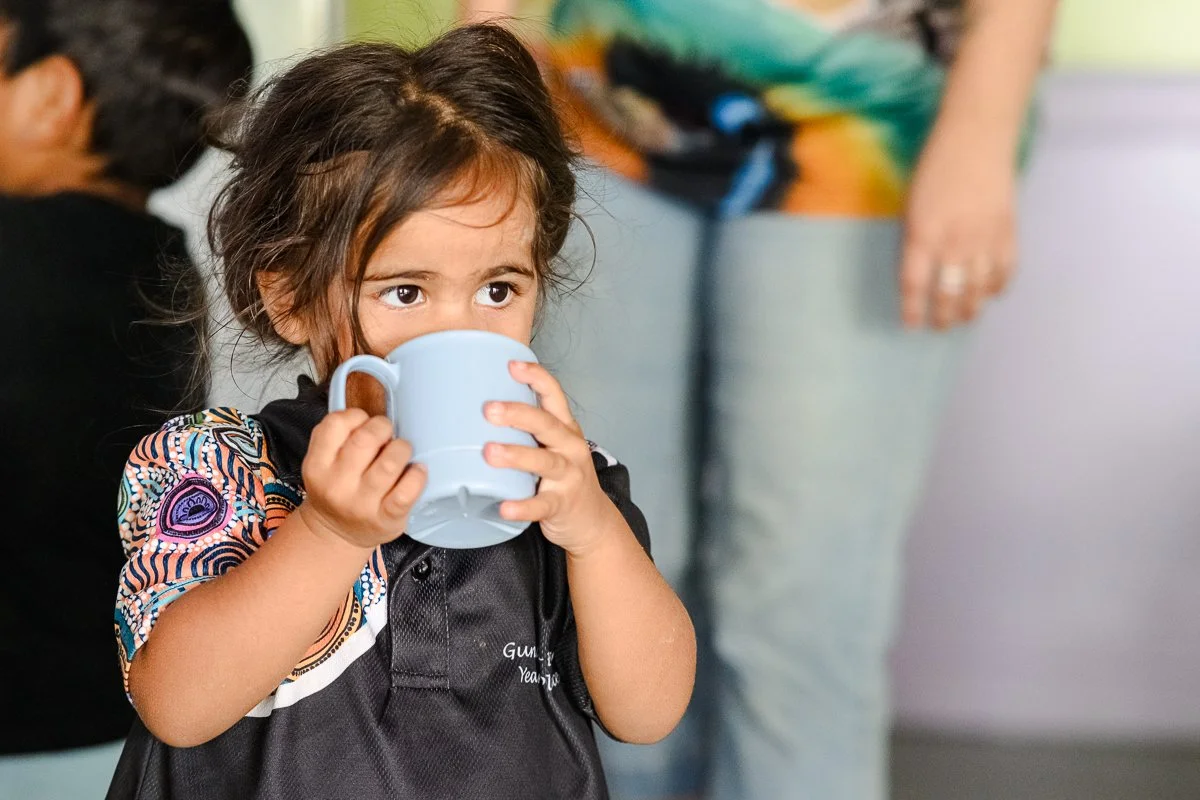
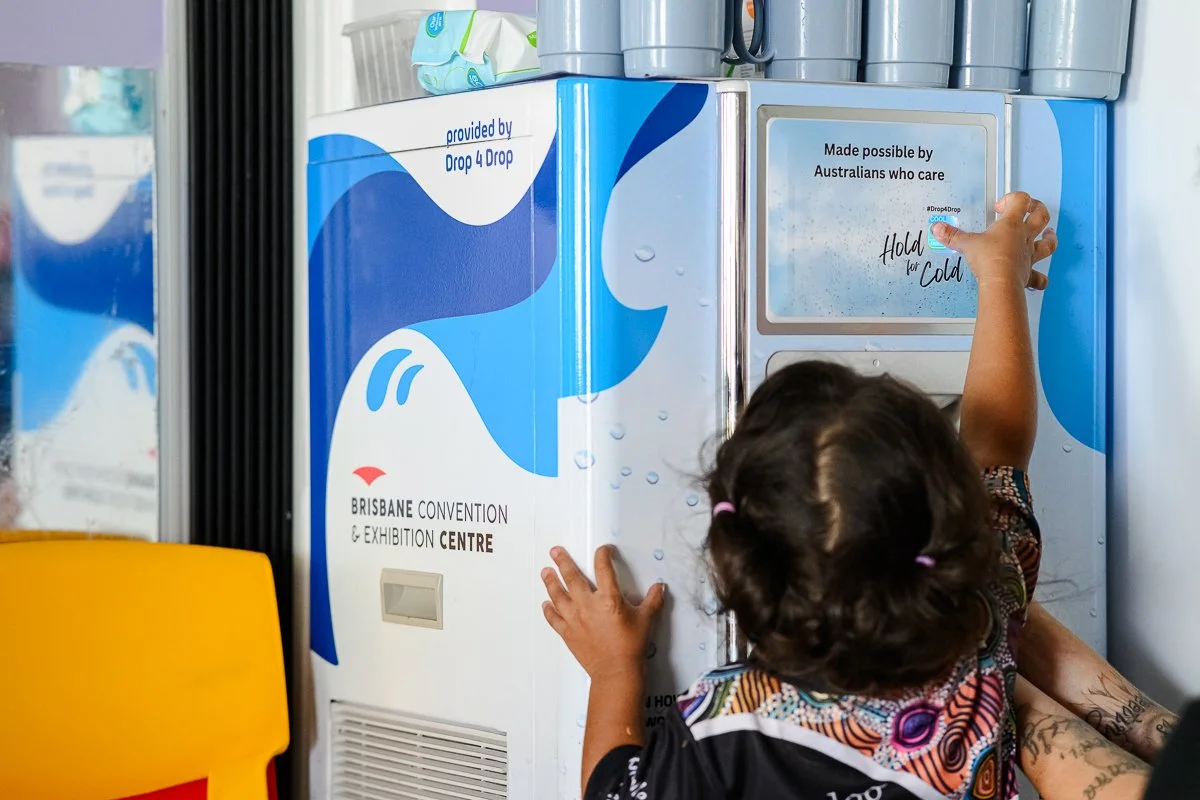
The day we put the first Drop 4 Drop machines in, the thing that still stays with me is there was a four-year-old in that daycare centre who saw us put the machine in. She stood back for about two or three minutes, worked out really quickly that there was one button she needed to push, and then she could get a glass of safe water.
For everyone who lives on the coast, you can say, "But I can turn on the tap." They can turn on the tap in Cherbourg as well, and it gives them gastroenteritis.
When that girl was able to pour that glass of water, I was speaking to the director afterwards, and she told me that was the first glass of safe, cold drinking water that girl would have been able to pour for herself.
We put that machine in, jumped in the van and drove home. Two and a half hours later, I'm back on the coast, and at the time my daughter was four as well. She could turn on the tap and just drink the water that came out of it. I just thought, how in Australia is this a thing?
I suppose, when it comes to getting into community and dealing with that particularly, I'd experienced the problem and understood why I cared because I'd seen it in Papua New Guinea. We'll get to the near region soon, but first we found out that the problem was at home.
I don't have lived experience in First Nations communities, but we have two ears and one mouth for a reason. When we start working with these communities, you have to listen first. You don’t ever ride into the town saying, "I've got this machine, it can be life-changing.”
Even if you think your solution will work, that's irrelevant. Think about who you are trying to help and how they would describe the problem they’re experiencing in their own words. Even when you’re looking in from the outside and you think there is a problem, if the community you’re trying to help doesn’t think they have a problem, then they don't have a problem!
Don't try and push change, because that's why there have been a lot of disputes with First Nations communities and Indigenous communities globally, where people try to push ideas down people's throats when they just don't want them.
Make sure your problem is actually a problem. Once you've come up with a bit of a theory of change, what's the problem and how do we think we're going to get after it? What are the inputs? What are the outputs? What's our hypothesis about how we're going to do this?
If you're starting a social enterprise, work out how you're going to pay yourself first. At the end of the day, it's all well and good to have a heart and want to do all these things, and I have nothing against charities, but charities also don't always have sustainable business models for impact.
Volunteers chip in and burn out, so you have high turnover issues. You're always asking for donations. So, work out how you're going to pay yourself first. It's similar to putting on your own oxygen mask before you help the kids sitting next to you.
If you want to make the jump into social enterprise or start your own company, make sure the problem you're trying to solve is your own problem, and work out how you're going to make money. That includes charging a fair market rate for your own time so you can pay yourself.
If you can't do those two things, do a lot more thinking before you make the jump.
What have you learned about balancing impact with running a financially sustainable business over the long term?
A lot of people (definitely me when I was getting started) don't value their own time. When they're getting started, people usually go one of two ways.
They either massively overvalue their products and time. I'm not going to say these people are arrogant, but often they’re just too exposed to corporate life where you have credibility. Therefore you think that's the market rate you can charge.
Or you go the other way, where you’re saying things like, "I'm just helping mates.” I feel guilty asking for money, and money and sales just feels icky sometimes.
One of my business mentors said, "If I gave you a million dollars, what could you do with it?" I can guarantee you, if you've got an impact mission and someone says, "I'll donate a million dollars," you can run off and do all these amazing things.
Then my mentor said, "Cool, so if I gave you $2 million, what would you do?" It's probably double the impact.
Now that we've covered the fact that making more money is actually good because it means you can deliver more impact, get over the fact that you have to get good at sales to be able to do that. Work out how to actually generate value, and then once you know how to, you can deploy that value into building sustainable solutions.
People talk about balancing the social impact and the commercial realities, but really they're one and the same. Big business is not bad in the sense that it's evil and they all hoard profits. Learn from what they do, because they make a lot of money, and all the money you earn can then be redeployed into impact so you can actually achieve what you want to do.
Sustainability is more than the environment. It's more than community. It's also about having a sustainable business model. It's about how you support yourself, how you support your family, and then how you actually fund your mission and drive it over the long term.
As an AMP Foundation Tomorrow Maker, you're getting support to develop and grow the Aqua Unique. What have been your reflections and learnings from the support to date?
I need to thank the team at AMP Foundation, particularly Nicola and Lucy, for the opportunity they've given me to be part of the program.
I was fortunate enough to spend three days last week with them out the back of the Gold Coast on the Reignite Retreat. Tom, who occasionally hosts this podcast, was there as well. That was the first time I'd actually just stopped in three and a half years, and it was almost "imposed rest".
Even though I got flown over to the UK earlier this year, where I got to shake hands with celebrities and do whatever else, it was part holiday and part business trip. Even then, my phone was going and the media was going, so I was very much "on" for those 10 days I was over there.
Being on the retreat and around a bunch of like-minded people was different. They get business, they get impact, and they're trying to drive change. There were people there who are way further ahead of me on this journey and have generated a hell of a lot more impact than Aqua Ubique has.
What AMP Foundation has been able to achieve, and the way they find people who are good at what they do and then equip them, effectively comes from a mantra of giving first and asking, "How can we help?" I know that's also what Impact Boom does; you all have a pay-it-forward mentality.
That's where I've met so many other social entrepreneurs, including people from TeaTime, the Remote Op Shop Project and Indigenous Innovation Partners. There are so many people working in this space.
To have AMP Foundation behind Aqua Ubique now, giving us that runway and breathing room, means I can actually stop for three days. I have to, because my mobile has no reception, so even if I wanted to do work, I can't! I can get out there, reconnect with nature and reconnect with other like-minded people. Last week was awesome.
One of my reflections is that there are definitely other people out there. There might not be as many of us as you think, but get out of your bubble. Get in touch with networks like BFGN, last week just proved to me that there are so many people who have already solved the problem you're working on; you just don't know it yet.
To be able to get help, you need to be willing to ask for help. There have been so many times when I’ve said, "I'm struggling with this," and someone would go, "I did this, maybe it will work for you." Then, you're left thinking, "that's obvious! Why didn't I think of that?"
Finding your tribe is important. AMP Foundation, BFGN and Impact Boom all do that. I know that's what this podcast does as well. From some of the other episodes I've listened to, I've been able to get a tonne of gold and write a stack of notes about things we're implementing in the business.
Go hunting for your tribe and always ask for help.
Where do you see the biggest opportunities for emerging social entrepreneurs, and what advice would you give someone beginning their own impact-led journey?
What is your why? Why are you actually doing this when you're not getting paid, and you're not getting paid for two or three years, but the mortgage is still due, you've got to pay rent, or there are any of the other life things that come up? Why are you still doing it?
I can guarantee you there will be good days, but there will be more bad days than good days. You're not going to get paid for two or three years, and that's just the reality of business.
With social enterprise, you're effectively almost handicapping yourself because the margin you could normally take for yourself, you're deploying against impact. You need to take that into consideration.
Know exactly why you're doing it, so that even on the days when you're not getting paid and you've had some customer call about a problem that's not a problem (but they think it's a problem, so therefore it is a problem), and it's on top of three other tickets for problems that you're dealing with that day, you still know why you're doing it.
I can define my story really well, and I've had a bit of training now about how a rubbish run in PNG led to me being at the Royal Albert Hall, being able to shake the King's hand and getting handed an expensive plate by Benedict Cumberbatch. That stuff is important, but what's even more important is knowing why you started down this path and why you're going to keep going down it.
Until you've defined that, it's going to be difficult to keep going.
Also, it better not be about the money; it needs to be about something more than the money. The money will come once you solve a real problem and once you build the community.
You need to be doing it for more reasons than, "I want to get rich." It also can't just be, "I want to help them over there." Like I said earlier, know how to put your own oxygen mask on first.
I suppose the second piece of advice I have is what's your exit? Start at the back and work forwards.
For me, I'm never going to sell Aqua Ubique. Water insecurity is a global issue, and it'll probably still be around long after I'm dead. It's probably still going to be around even after my daughter's dead. That's just the reality of the way the world works.
But I know that I want to achieve an eight-point-something-million-dollar exit in eight years. It ties back to what a small-cap IPO is, and generally an initial public offering takes seven or eight years for a company to reach on the Australian Stock Exchange.
Like I said, I don't plan on selling, but I know that's the way the world works and that's how value is generated.
Once I know, if I was to exit, what would I be exiting for and what kind of multiplier can I put on that? Therefore, what does my bottom line need to be? What do my sales need to be in year eight? What do they need to be in year seven? What do they need to be next year? What do they need to be next week? What do I need to be doing today?
Jump forward eight years. What's your plan? Then reverse engineer it.
Don't just think, "It'd be nice to exit for $40–60 million." Don't Shark Tank-style pick a number. Start at the end and work your way back to what you're doing today, because that'll definitely help.
If you know why you're doing it and you know where you're going, it's a bad time to be a brick wall in front of you, because you'll go through it.
What inspiring projects or initiatives have you come across recently creating a positive change?
Jump onto the AMP Foundation network. There are two entrepreneurs who, once I realised they were going to be at the retreat last week, I was excited to meet.
What Levi is doing with the Indigenous Futures Foundation, and what he's doing with Food Up North, is incredible. They're effectively grabbing all of the food that Coles and Woolworths were going to throw out anyway, putting it through an industrial kitchen, and then getting it out on Country for Mob so it can be handed out for free, not if, but when those communities get cut off. It's just incredible.
What Tanya is doing with the Remote Op Shop Project is also awesome. They're getting shipping containers with donated goods into communities so that the aunties and mums in those communities can generate a living for themselves and improve their communities.
Some of the stuff she's doing is awesome. Go and check out their stories. You can find them through the AMP Foundation and chase those stories up.
To finish off, what books or resources would you recommend to our audience?
If you'd like to save the $30,000 that I spent going in the wrong direction when I was getting started, I found three books that were better than my business coach. They're the $100M series by Alex Hormozi.
The first book is titled $100M Offers: How to Make Offers So Good People Feel Stupid Saying No. The best way to sell something is to put it in front of people and have them go, "I want that," and grab it.
The next one is $100M Leads. Once you know who you're selling to and what you're selling them, it's about how you get in front of those people.
The third one, which just came out recently, is $100M Money Models. That's about how to speed up your cash flow cycle in the background to allow your business to take off.
Those three books in and of themselves are the business backpack. I'm not an affiliate; I just like sharing stuff that I've gotten a lot of value from.
I think if you jump on Acquisition.com, you can get all of them shipped out from Nevada for the cost of postage. It's about $100.
If you know nothing about business, start there. My wife hates business books; I gave her those and she couldn't put them down.
Initiatives, Resources and people mentioned on the podcast
Recommended books
$100M Offers: How to Make Offers So Good People Feel Stupid Saying No by Alex Hormozi
$100M Leads: How to Get Strangers to Want to Buy Your Stuff by Alex Hormozi
$100M Money Models: How To Make Money by Alex Hormozi


On Episode 644 of Impact Boom, Obelia Tait of Inhabit Place discusses empowering communities to shape safer and more inclusive public spaces, how placemaking responds to diverse community needs, and why meaningful consultation and collaboration are essential for generating sustainable change.