
Patrick Struebi On Unlocking The Potential Of Purpose-Driven Changemakers
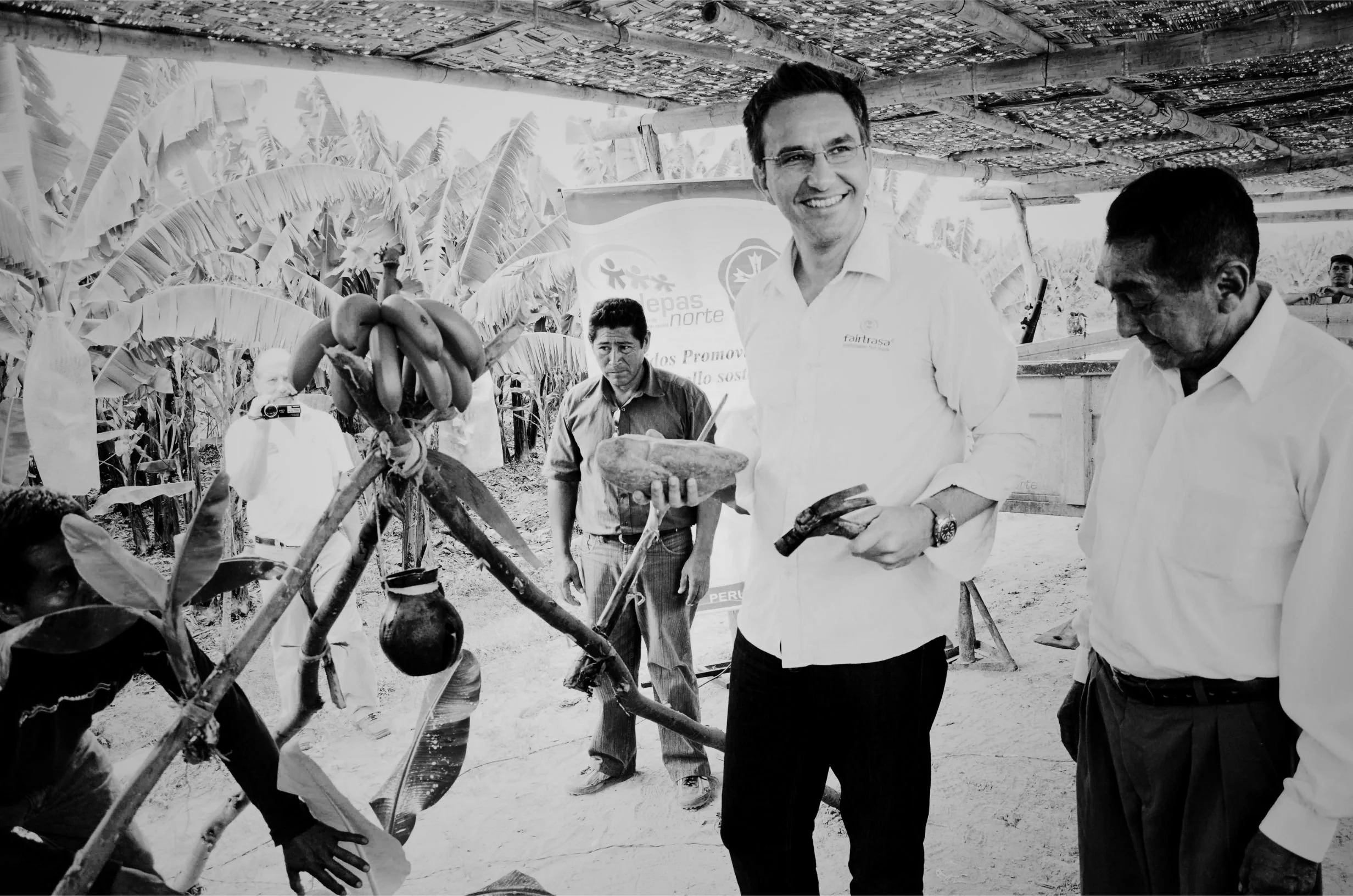
Patrick Struebi is a globally recognised social entrepreneur, professor, and humanitarian leader. He is the Founder and Executive Chairman of Fairtrasa Group, a pioneering social enterprise that has transformed the lives of tens of thousands of small-scale farmers across Latin America by building dignified pathways out of poverty.
Through its innovative vertically integrated model, Fairtrasa has grown into one of the region’s most prominent exporters of organic and fair-trade produce, setting new standards for ethical and sustainable trade.
Patrick’s leadership and impact have been honoured worldwide. He is a senior Ashoka Fellow, Endeavor High-Impact Entrepreneur, Yale World Fellow, and Gabelli Fellow. He has been named Social Entrepreneur of the Year on four occasions—by the Schwab Foundation, Univision, UBS Visionaris, and the abc Foundation*—and recognised as a New Champion by the World Economic Forum.
Beyond entrepreneurship, Patrick shapes the next generation of changemakers as a professor of social innovation and systems change at Fordham University in New York. He is a sought-after international speaker, and a thought leader whose work has been featured in global media, including the HuffPost.
With a unique blend of entrepreneurial vision, academic depth, and humanitarian commitment, Patrick bridges business and purpose to advance solutions for some of the world’s most pressing challenges.
Patrick discusses how purpose-led business models empower smallholder farmers to accelerate grassroots change, and explore the role of local partnerships, systems thinking and visionary leadership in building a more equitable future.
Highlights from the interview (listen to the podcast for full details)
[Indio Myles] - To start off, can you please share a bit about your background and what led you to work in social entrepreneurship and impact?
[Patrick Struebi] - I'm actually an accidental social entrepreneur. I didn't even know what a social entrepreneur was or that it existed, but I can give you a nutshell version of how I became a social entrepreneur.
I'm originally from Switzerland. I grew up in Switzerland in a Catholic family, and my dad always said, "You have to do the right thing. You have to be good at school, then you find a good job, you make some good money, and that's what life is about." So, that's what I did.
Then I got a job at a big mining company working in mergers and acquisitions. At some point, I realised I was making the rich richer and the poor poorer.
That happened when I was at a mine in Peru. Normally, I was just working in offices, where all we would shovel around are numbers. The mine operators told me, "let's go up 5,000 metres above sea level and let's look at the mine."
When I saw the conditions these miners lived in, I realised, "Oh my God, I'm making the rich richer and the poor poorer." At that time, that organisation was going through a reorganisation, and many of those miners, who were already living in difficult conditions, lost their jobs. This is when the bubble burst. This was my epiphany.
I eventually went back to Switzerland and said, "I can't continue doing this." I left my job. I quit. The problem was my dad, because my dad said, "You were making double what all your peers were making, and now you don't have a job and you just leave it." He couldn't understand.
This is why I couldn't stay in Switzerland. So I quit my job, looked at the map and said, "I want to go to a country to reconsider what to do with my life," and that country happened to be Mexico.
I bought a one-way ticket, left for Mexico, landed there not knowing where I was going to sleep, and just travelled around the country.
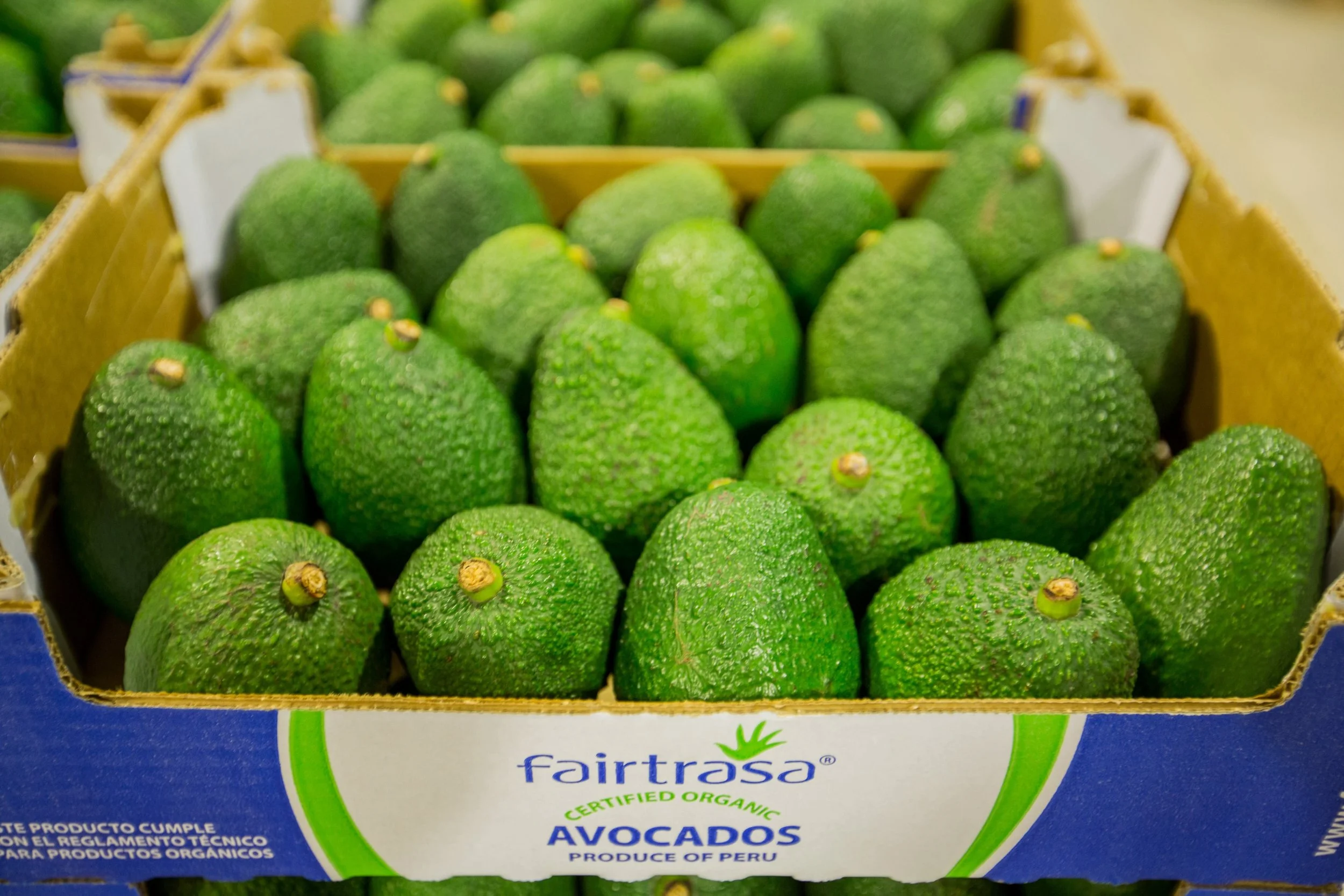
While travelling, I came across a lot of smallholder farmers who had these beautiful avocados, mangoes and limes, but they were living in poverty or near poverty. I kept thinking, "What's wrong here?" If I walk into a store, I have to pay $2 for an avocado, and I could see they weren't even getting 10 cents.
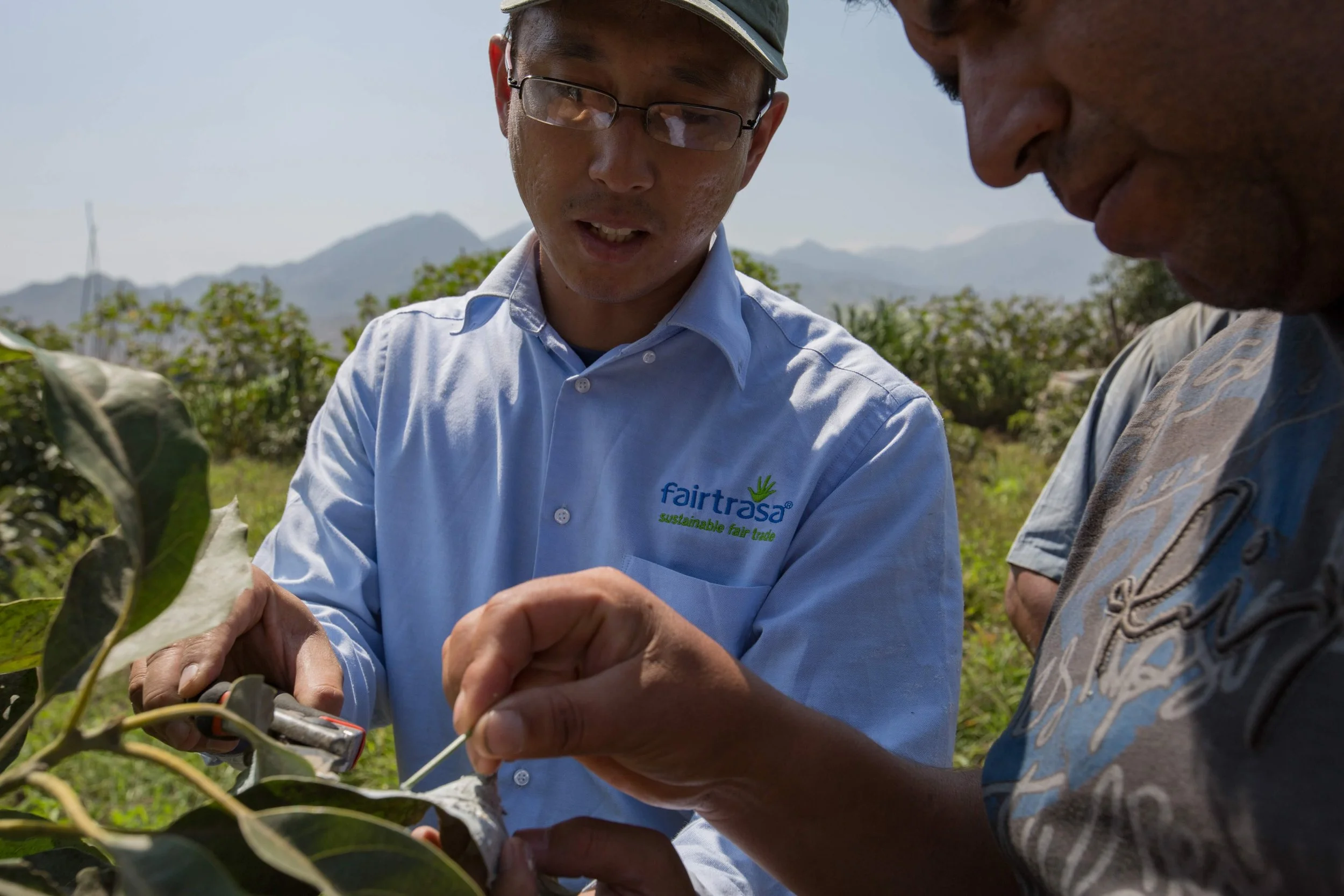
This was my big awakening. I have a business background, so I thought, maybe I can do something about that problem.
The way I approached starting was more like how a student approaches an internship. I didn't think I was starting a social business. When my sabbatical came to an end, I had developed the first global Fair Trade organic avocados.
During that time, I started to investigate further. This was when the Fair Trade Movement was only just starting to grow, and Fair Trade is a system that empowers smallholder farmers by encouraging consumers in developed countries to pay a little more to support them.
After my sabbatical, the question became, "What do I do now? Do I go back to Switzerland because I wasn't planning to become a social entrepreneur, or do I continue living my life? Do I continue living my dream?"
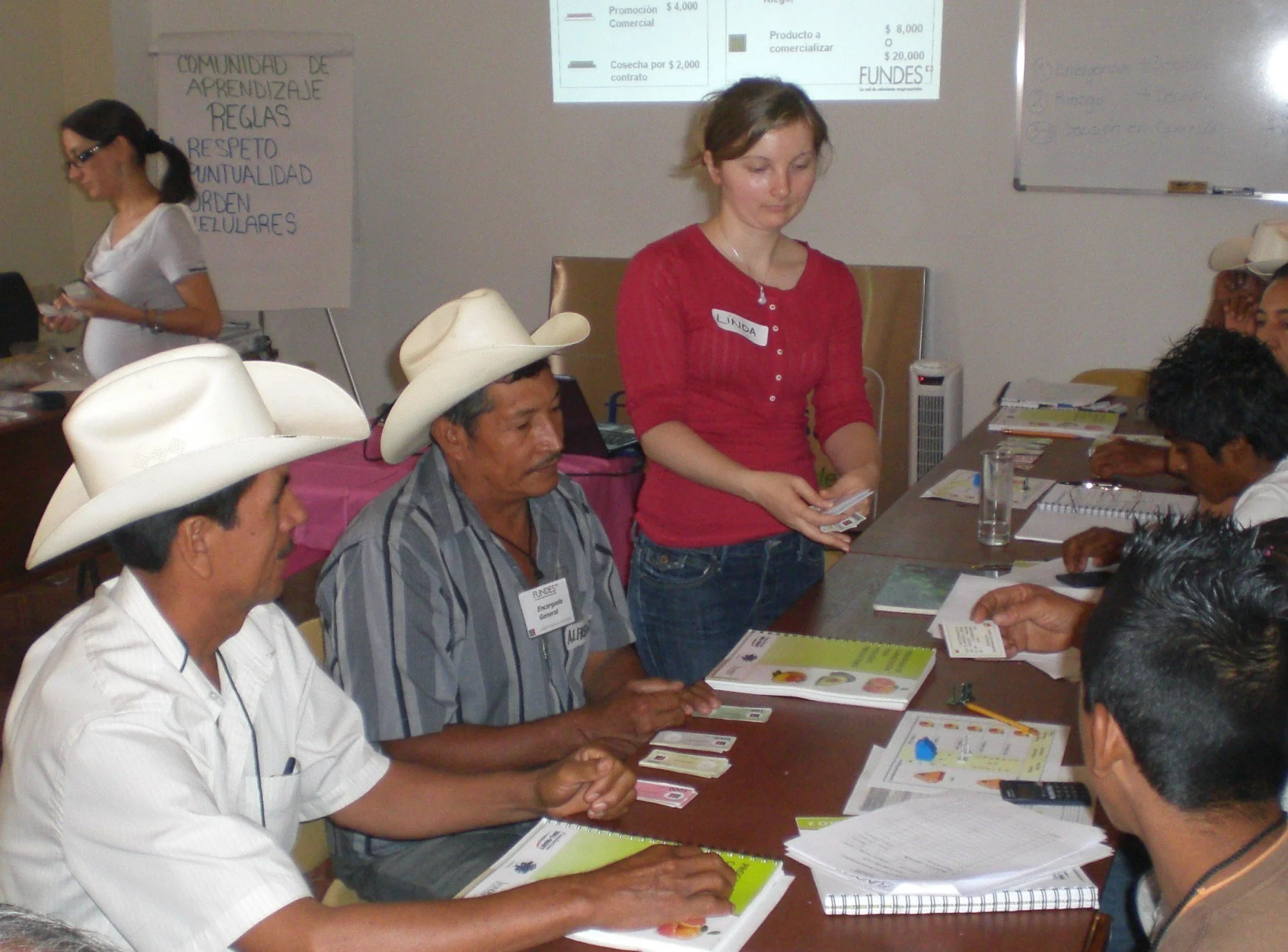
I ended up living in Mexico for eight years. I built this organisation, Fairtrasa, which stands for Fair Trade South America, because what I wanted to do was create a system that lifted smallholder farmers across the continent out of poverty by connecting them with international markets.
This is how I started, and this is how I ended up living in Mexico for eight years.
As the founder and executive chairman of Fairtrasa, how are you building dignified pathways out of poverty through Fair Trade and agriculture?
When I came there, I was wondering, why is it that these farmers don't have access? Why do they sell at such low prices?
What I saw was that these farmers live in remote areas and sell to middlemen or local markets at low prices. These are farmers who mainly live and trade within their villages.
I realised there was a big market gap, so what I did was create cooperatives where I brought them together. Then, a key element was empowering them and giving them access to producing products that meet international quality standards.
We began forming cooperatives, certifying them, and then creating the market for them. What change for smallholder farmers really required was giving them access to better-paying markets. I can tell you, in many cases, it has been life-changing. Some of those farmers are earning five to ten times more than before.
It transformed their lives, not just in Mexico. Later, we replicated that model in Argentina, Chile and Peru, and it created this wave that inspired other social entrepreneurs to do the same.
What have been some of your biggest learnings from working closely with grassroots changemakers across diverse regions and communities?
This is a great question because, for example, in Argentina we created the first Fair Trade wine.
I remember when I started, I was going around like a modern missionary, knocking on farmers' doors and telling them about Fair Trade and how they could get a better price.
But do you know what they told me? They said, "This is a nice story, but you are a gringo," meaning I’m a foreigner.
“Foreigners have been here before. Then they left us in the same place as before. Why should we trust you?" One of my biggest learnings was that even if I have the best intentions, there are certain things I cannot do simply because of who I am.
I'm not Argentinian, I'm not from Mexico, and I'm not from Peru. This led to the model I created called Locals for Locals. There are Argentinians for Argentina, Mexicans for Mexico and Peruvians for Peru. How did I do this?
I started looking for leaders in these countries who absolutely saw my vision and shared it, but who also spoke the local language, understood the culture, and understood the fears and realities of these farmers. Most importantly, I needed somebody who would be there today, tomorrow, next week and next year, because the farmers would tell me, "Look, next week you'll be gone."
When I did that and had local partners who embraced the vision, that's when things started to shift.
I could not have done that by myself. It was a co-creation through local leaders.
What changes need to be made to food systems to create more equitable and sustainable outcomes for smallholder farmers?
This is also a wonderful question. When I was there and saw the reality on the ground and how isolated these farmers were, I was wondering, "Why has nobody helped them? Why has nobody done what I've done?"
In the past, NGOs had been there supporting smallholder farmers, but what they really needed was access to markets.
By turning this into a social, for-profit organisation, I made those smallholder farmers partners and not just people who receive donations. That's the big shift. You actually empower them and see them as business partners.
Fair Trade as a system is already a form of systems change. It has created a lot of change. When you look at how it started with a handful of products, now there are over a thousand products. It is a trillion-dollar market, but the question is, how can these farmers tap into it?
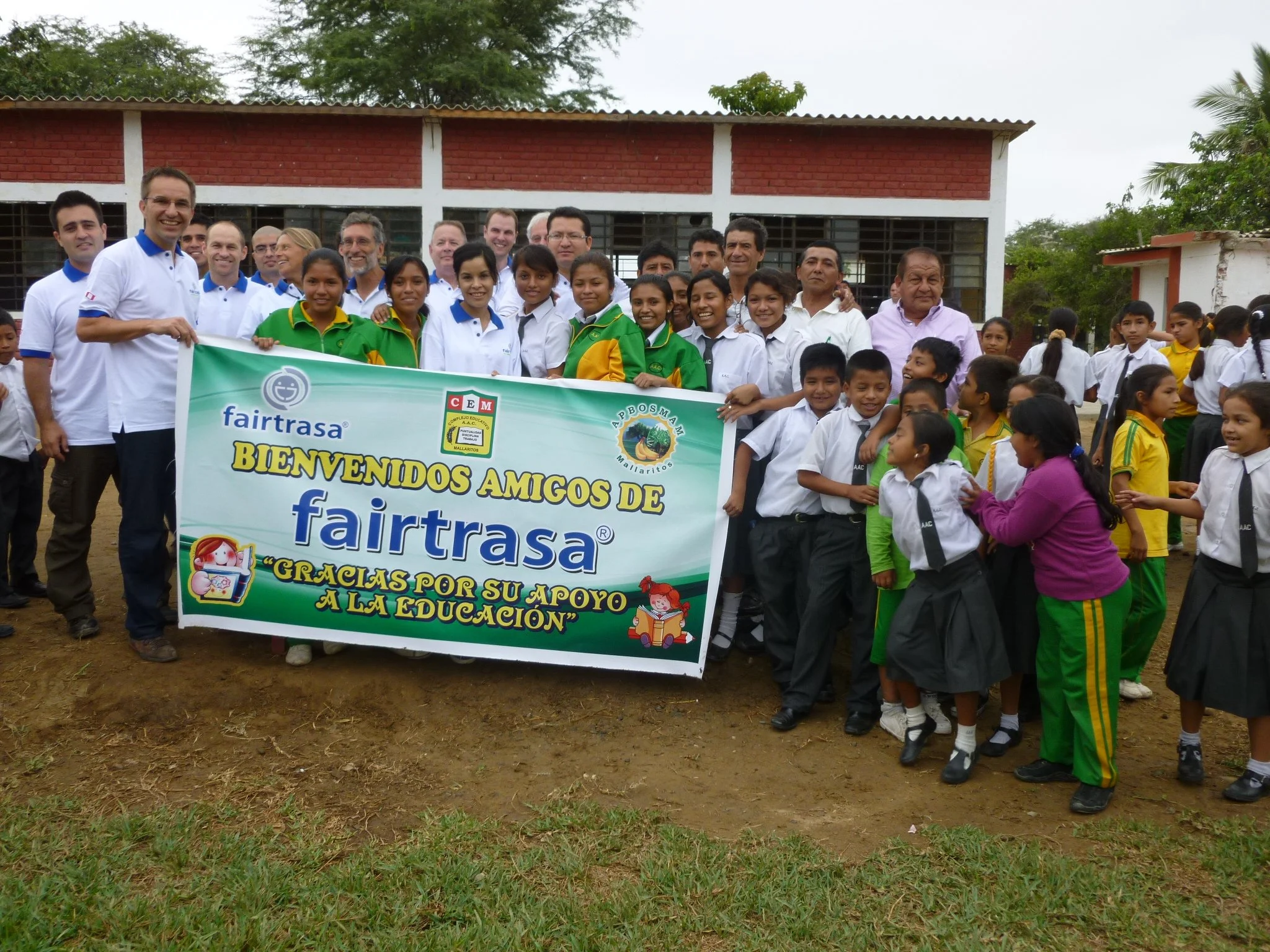
For that, they need people like us. It's also about economies of scale, and farmers need to do their part as well. They need to make sure they meet international quality requirements and have certifications, like ours, which are Fair Trade and organic.
This is the empowerment element of our work. Then there is pooling together through associations and cooperatives, and then there is the connecting people.
One thing we did was develop a three-tier development model. The first tier is for those who are isolated: how do we help them get into an association?
Then, through tiers two and three, we develop them from isolated farmers into independent agripreneurs, as we call them.
This is transformative, and it is a model that applied across the globe would make farmers more competitive and enable them to become part of the global food supply chain.
How do we make sure the people we're trying to serve are brought to the table and treated as active participants rather than simply recipients?
It's also about giving them dignity. At the beginning, I thought Fair Trade was just for consumers in these countries. They say, "Oh, I want to help. I want to support smallholder farmers."
I was once in an orchard with a smallholder farmer, and when I told him, "Your avocados will be eaten by people in London, New York and Paris," he was like, "Oh my God." He felt so much pride. He said, "I may never go there. I only know these countries from TV," but just knowing that the avocados hanging on the tree would be eaten by somebody in Rome made him extremely happy.
It's also about this human element. It's not just a business element; it's about including them in global trade.
Your upcoming book, Unlock the Changemaker in You, explores why people can feel unfulfilled even in successful careers. Why do people struggle to find meaning in their work, and how can they unlock their potential to make a difference?
I wrote that book because I was in that position myself. As I told you, I had an incredible job from the outside. I was making double what my peers were making, but I was miserable. I didn't feel happy; there was something missing.
I can see that a lot of people right now have a job because it pays their bills, or they are in a social or cultural system where they feel they need to comply with A, B, C and D.
Unlock the Changemaker in You is basically me saying, "There is more in you. There is more in you." How do we unlock that potential?
The book is a journey. It's actually my journey of how I built my organisation, but it's also about how you, the reader, can tap into your potential to do something you feel truly aligned with.
It's not just about having a job because it needs to pay the bills, but doing something where you feel like you can contribute to the world's most pressing challenges. It's that element of purpose, and this is what I learned while I was working with all these farmers. This is what I learned when I was teaching my students, because people want more. They want purpose, and finding that purpose is something that needs to be unlocked.
I believe everybody has it. It only needs to be unlocked.
As a social entrepreneur and professor of social innovation and systems change, where do you see education, leadership and social entrepreneurship intersecting to catalyse greater systemic change?
When we look at education, I think we should train more changemakers rather than employees. The education system should inspire that entrepreneurial element. When we look at leadership, leadership is already changing. Leadership should not be about, "How many employees do you have?" It should be, "How many people have you empowered?"
The combination of those elements leads to business becoming a force for good. This is why education is important. Even if you're super passionate about social business, you still need to have the education.
That's why I think these three elements need to work together. What drives it in the end is your passion and your desire to say, "I want to make the world a better place, and I'll do that with my passion. Here, I have the education to support this."
This is also what my book will do. It will unlock that hunger so you say, "I want to be part of the solution."
There are so many problems when you look at the world right now, and you say, "I want to be part of the solution." That is also what will bring you more fulfilment.
What inspiring projects or initiatives have you come across recently creating a positive change?
As I mentioned, I've worked in agriculture, but I was very fortunate to become involved with the World Economic Forum as a social entrepreneur.
I'm part of some of the biggest social entrepreneur networks, so I see many incredible solutions out there that have not yet been able to scale.
What I'm doing now is supporting these amazing projects that can make a big difference by connecting them with the right people.
What I did in the past was connect farmers with markets. Now, I connect social entrepreneurs with larger partners so the world can see many more changemakers, and so these projects can grow and create the impact they're capable of.
How important are partnerships and community building to growing the social enterprise movement?
As I also say in my book:
I started as Patrick. This was my initiative, and I was operating in a silo in a way. When I became involved in these organisations and social entrepreneurship networks, I saw there are so many “Patricks” out there doing amazing projects. When you start connecting them, that's what systems change allows. That's what co-creation allows. That's where synergies come in.
Even now, governments are saying, "We want public-private partnerships," so the future will be about leveraging what already exists through partnerships.
That's why I'm very excited about partnerships, and I think they will be an essential force in addressing the world's most pressing challenges.
What books or resources would you recommend to our audience?
Obviously, the first book I would recommend is mine, Unlock the Changemaker in You. It will come out in September.
Another one I think is a great book is Banker to the Poor by Muhammad Yunus, which probably many of your listeners have already read.
Then there is Everyone a Changemaker, Start With Why by Simon Sinek, and How to Change the World by David Bornstein.
These are all great books. If you want to become a changemaker and you feel inspired by this, you should get your hands on one of them.
Do you have any final thoughts you would like to share with our audience?
I think I would leave it by saying there is more in you.
There is more in you, and that potential should be tapped into. Whatever you want to do in your life should have purpose, meaning and fulfilment, and then the money part will come anyway. That is important, and that is what I believe will create a better world.
Initiatives, Resources and people mentioned on the podcast
Recommended books
Unlock the Changemaker in You by Patrick Struebi
Banker to the Poor: Micro-Lending and the Battle Against World Poverty by Muhammad Yunus
Start with Why: How Great Leaders Inspire Everyone to Take Action by Simon Sinek
How to Change the World: Social Entrepreneurs and the Power of New Ideas by David Bornstein

On Episode 643 of Impact Boom, Patrick Struebi of Fairtrasa discusses how purpose-led business models empower smallholder farmers to accelerate grassroots change, and explore the role of local partnerships, systems thinking and visionary leadership in building a more equitable future.