
Tara Castle On Inspiring Everyday Philanthropy And Cultures Of Collective Giving
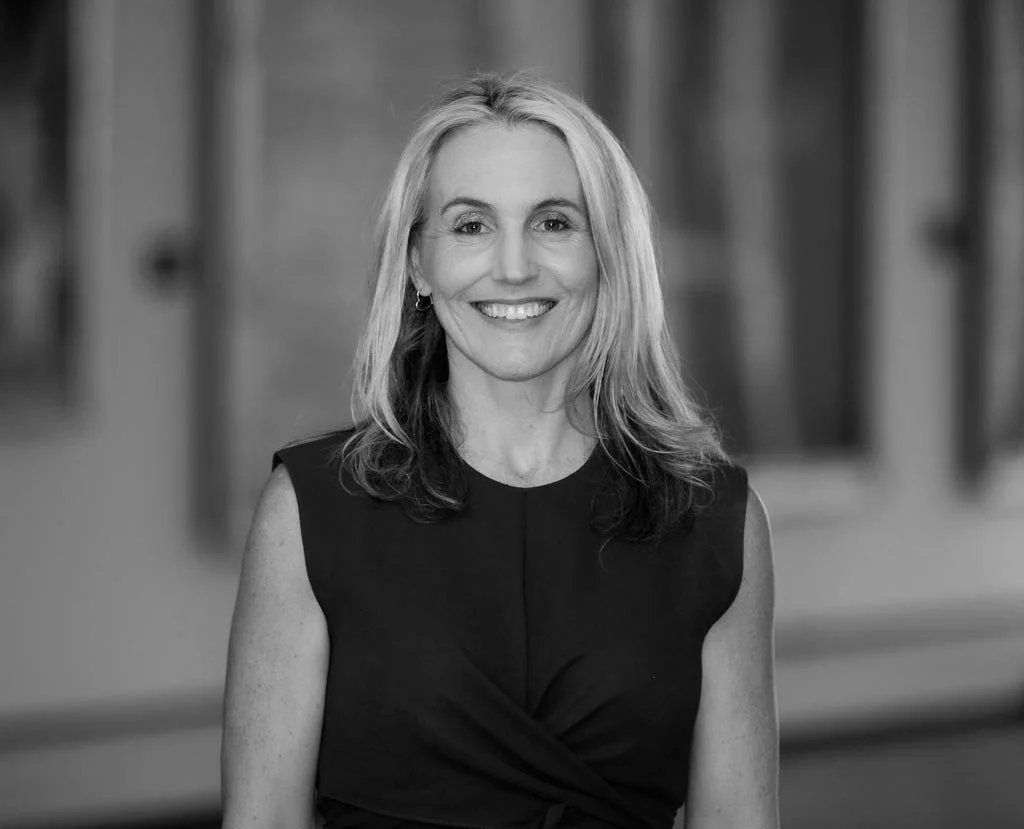
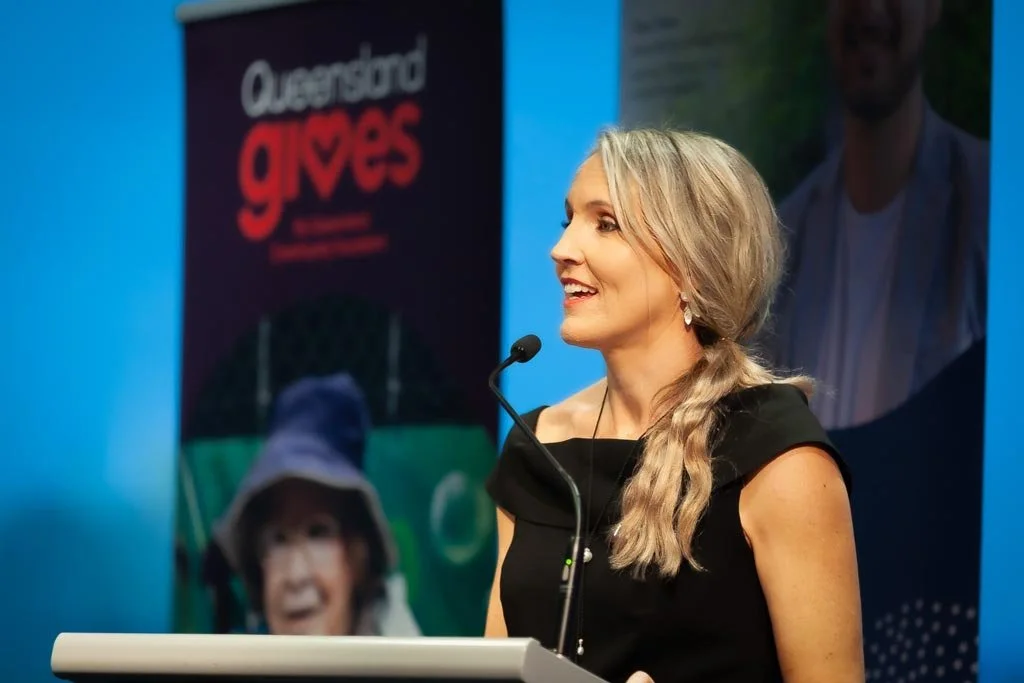
Tara is a passionate Queenslander, cheerleader of good humans, a connector of people and causes and a passionate believer that everyone can be a philanthropist.
Tara is the CEO of Queensland Gives by Queensland Community Foundation - a charitable trust set up by former Queensland Premier Mike Ahern AO. Over the past seven years, she has overseen its growth from $80M to almost $170M FUM, and positioned philanthropy as an achievable and important part of the social fabric in Queensland.
Tara career to date has positioned her perfectly for her current role, working in finance in London, sales in Canada, managing social responsibility programs for small to medium enterprises and multinational corporations, to providing strategic fundraising advice helping to raise millions of dollars for not for profits across Australia. Her current goal is to grow Queensland Community Foundation to $1B in funds under management.
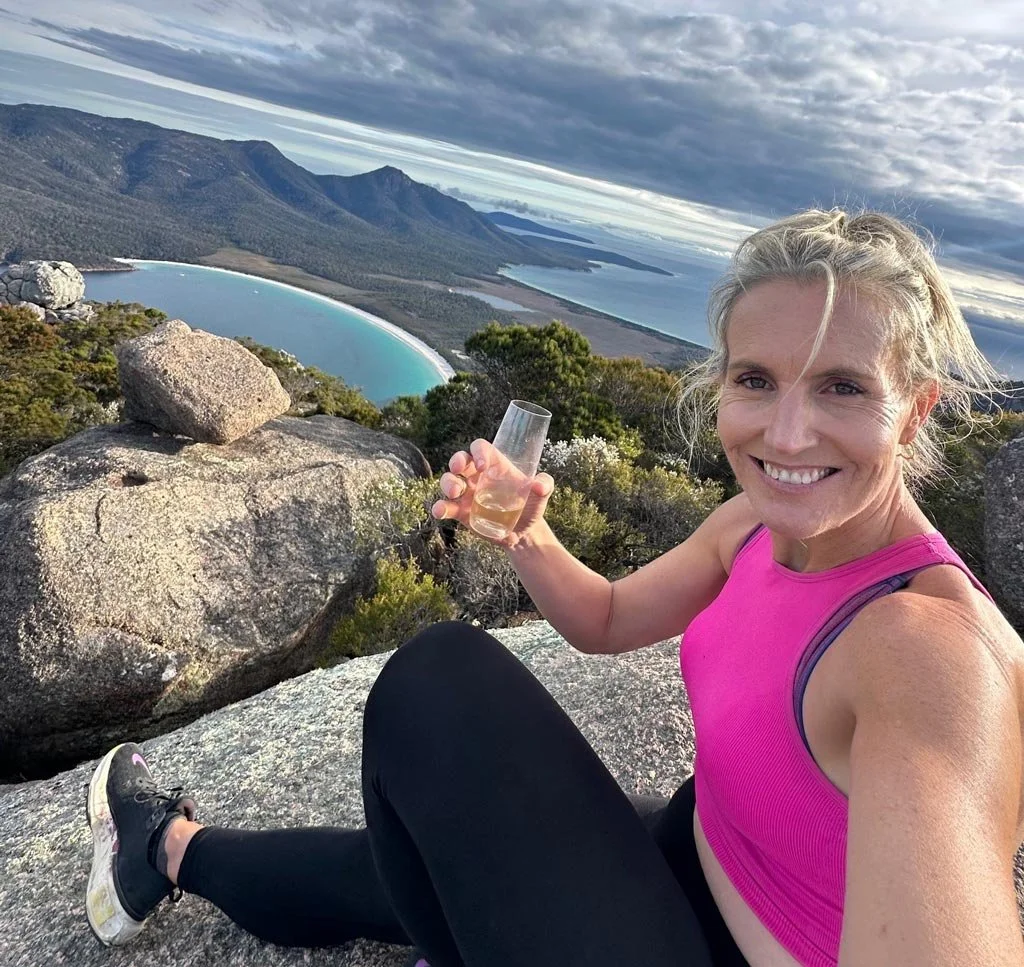
Away from the office, she is passionate about our environment, nature and getting outdoors. Recently she completed her goal of climbing 50 mountains before she was 50.
Tara Castle discusses empowering everyday philanthropy, leveraging collective giving models for long-term impact, and why collaborative, impact-led ecosystems are critical to strengthening the business for good movement.
Highlights from the interview (listen to the podcast for full details)
[Tom Allen] - To start off, can you please share a bit about your background and what led you to your passion in philanthropy, fundraising, and the for purpose ecosystem?
[Tara Castle] - It’s interesting to listen to my own bio, because whilst it is all true and correct, my experiences are mainly grounded in being around incredible leaders across all of these roles and stages of my life.
I reflect on my career to date as not necessarily something I planned, but I do think about my time in funds management in London, the sales roles I had as a teenager, the work I did as a consultant in the non-profit sector, and then my work in corporate social responsibility. It has all, almost accidentally, perfectly positioned me for the role I’m in today, because I use all of those experiences and learnings. It was all time well spent to help me in my job today.
It’s an incredibly exciting space, as you know, with the people you meet and the work being done to make Queensland, or the world, a better place. It’s highly addictive, and I absolutely love the work that I do.
In terms of the background and the ‘how’ and ‘why’, I’ve reflected on one of my first experiences in the ‘doing good’ sector. I volunteered for The Wilderness Society when I was a teenager. For one day a week, I decided to dedicate my day off to volunteering. I said to them, “I’ll do whatever you want,” and of course they dressed me up in a giant koala outfit. I stood on the Victoria Bridge shaking a tin to raise money for them, which didn’t last very long because Queensland is hot.
That was a bit of a toe in the water. My parents are quite religious, and I was brought up in a Christian household where the importance of giving and being kind is threaded throughout.
But I think the real influence was having a couple of incredible managers and leaders during my time in London, and again when I returned to Brisbane in 2003.
They were inspiring and demonstrated how to create positive impact in a simple and practical way. I started testing that myself. I wrote a blog for about a decade ago called Charity Spam, which aimed to promote small acts that have a big impact. It was about showing how every single one of us has the power and influence to do good, even in small ways, and how collectively that can make a real difference.
Whether that’s seeking out your local social enterprise, donating clothes, helping an elderly neighbour, contributing to a food or sanitary item drive, or responding to a bushfire or flood appeal, there are lots of small things you can do. Even your everyday purchases can make a difference. There are actions available to every single one of us, regardless of our wealth.
I’ve seen incredible outcomes from this approach. For example, I ran a program many years ago collecting pyjamas for foster children, alongside the amazing Bronwyn Xi. This was at least 15 to 20 years ago, and we ended up collecting seven and a half thousand pairs of pyjamas for children in care.
It was the simplicity of our ask which made this work. I wasn’t asking for money, I simply explained where the pyjamas would go and how they would be given directly to children. The practical nature of this made it easy for people to participate.
Once you’ve done a few activities like that, where you share something simple and see the overwhelming community response, it becomes quite profound. I’ve seen that happen time and time again.
Another example was a non-profit cookbook project, which was inspired by a close friend who had a premature baby at 28 weeks. Even though I’m not a particularly skilled cook or writer, we published the cookbook and raised $130,000 for the Royal Brisbane and Women’s Hospital.
Again, it just started with an idea. I put it out there, and people came forward because they were united in the purpose and vision. It becomes powerful, and also quite addictive, because you can see the tangible good that comes from it.
I genuinely believe most people want to be kind and to give back. Often, they’re just unsure whether their contribution will make a difference. If you can break things down into simple, bite-sized actions that don’t take much time or money, but allow people to be part of something bigger, nine times out of ten, people will want to get involved.
Can you tell us more about the work you’re doing with Queensland Gives, and any shifts you’ve observed in the fundraising environment over the past few years?
Queensland Gives and Queensland Community Foundation are two separate entities, but they are united in a common purpose to grow and inspire philanthropy in Queensland. Queensland Community Foundation itself is a charitable trust and an incredible philanthropic vehicle that many Queenslanders are still not aware of.
It was founded, as you mentioned in the introduction, by former Queensland Premier Mike Hearn in 1997 with just $300,000. It has now grown to $174 million and operates as a perpetual trust. This makes it quite different from a typical charity.
In a traditional model, you donate money, it is used to purchase goods or services, and then it is spent. In our model, while we still support organisations such as Foodbank, we instead take donations, hold, and invest them with our founding sponsor QIC. The funds are commercially invested, and the income generated is distributed annually and in perpetuity to the cause of your choosing.
This creates a powerful way to give. Where a traditional environmental donation might fund the planting of a tree once, this model enables ongoing funding for that cause year after year.
We also enable donors to direct their giving in specific ways. This includes geographically, with regional sub-funds such as the Gold Coast, Toowoomba, Sunshine Coast, Northern Queensland, and the Gulf Bayside. Donations can be ring-fenced for particular communities.
In addition, we have over 130 charity-specific funds, supporting organisations such as the Royal Flying Doctor Service, RSPCA, most of the state’s hospitals, and many universities. It’s a broad and flexible structure.
More recently, we’ve also established our first cause-based funds, including an Environment Fund and a First Nations Fund. These are particularly exciting because they bring together donors who are passionate about specific issues and enable consistent, long-term support in those areas.
A few years ago, I asked our sponsor Deloitte why a donor should choose this model rather than giving directly to a charity, such as Cancer Council. Their answer was powerful: a donation made today can multiply by up to 30 times over a 50-year period.
Whether someone gives $10 or $10,000, the impact of their contribution continues to grow and give back year after year. It’s a simple model. The capital is preserved, the income generated is distributed, and the donor’s chosen causes benefit in perpetuity.
It’s an absolute honour and privilege to be the CEO overseeing this work, particularly when supporting people who are passionate about legacy giving and making an impact beyond their lifetime across multiple generations.
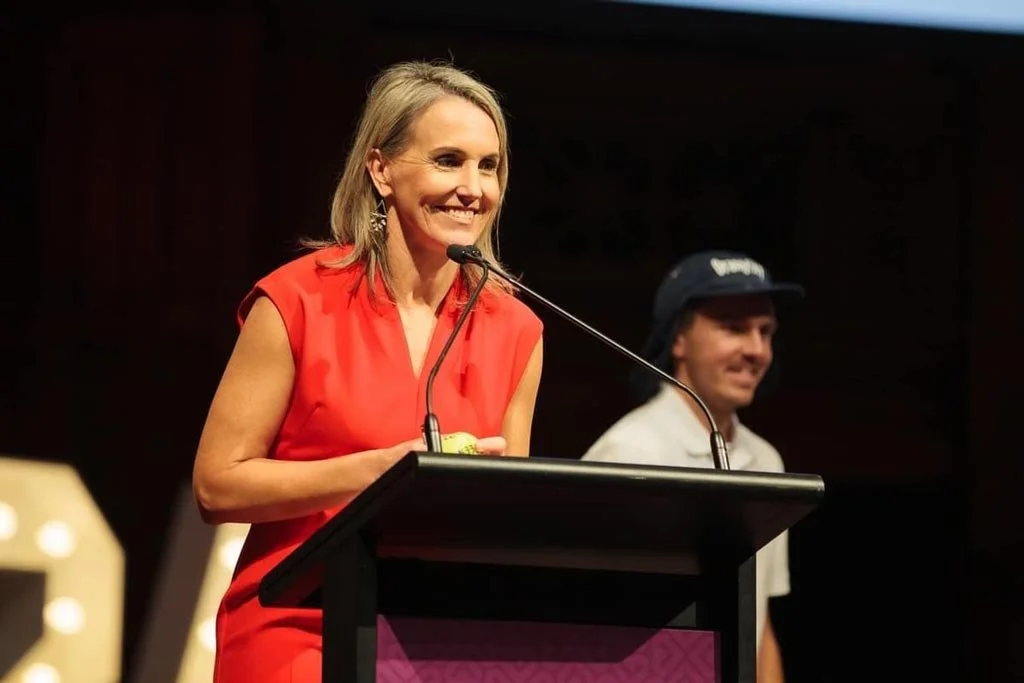
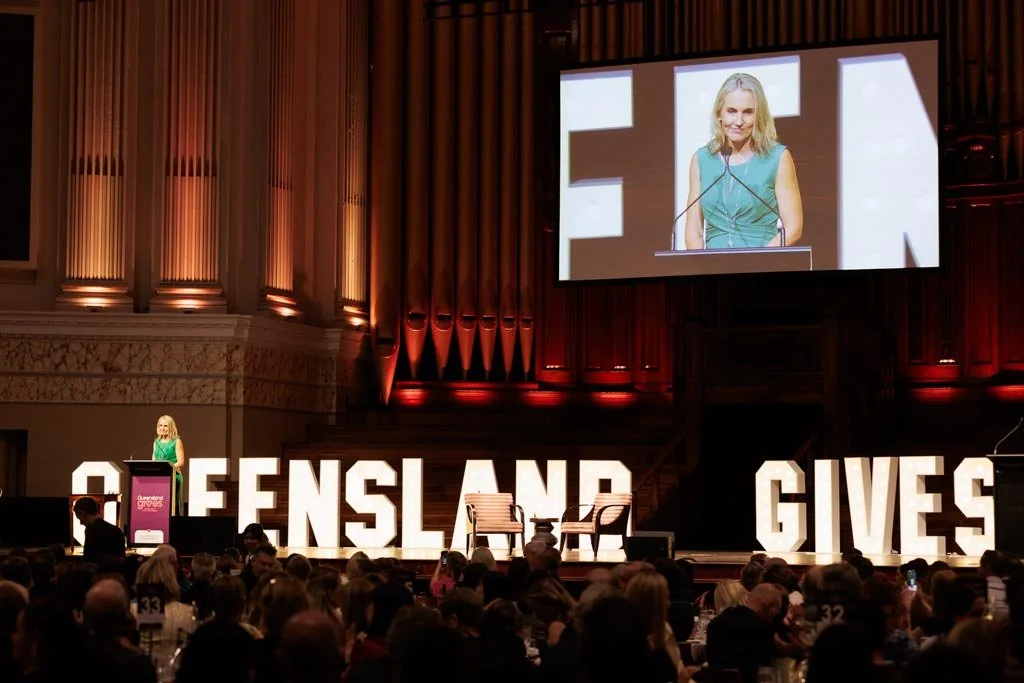
We run the Queensland Philanthropy Awards each year, which is now in its 16th year. The awards celebrate, recognise, and honour Queensland’s most generous givers, and it’s an incredibly inspiring group of changemakers.
We actually completed judging this morning, and we now have a new cohort of philanthropists of the year across seven categories. It’s a real privilege to work in that space, lifting these individuals up. While they are already doing incredible work, the recognition and profile we provide helps to amplify their efforts even further.
In terms of the fundraising environment, I’ve been working in this space for the better part of three decades, and it has become increasingly busy. There is a lot of charity fatigue, yet at the same time there is still a significant level of need.
For example, in Queensland, as the second largest state in Australia, we have six of the ten most socially disadvantaged postcodes in the country. We also have the highest levels of plant and animal extinction and are the most disaster-prone state.
In Queensland we are facing a number of complex social and environmental challenges. This means the opportunity for impact is high, and fundraising is more important than ever. However, it is a crowded and competitive space, making it difficult for charities to gain traction and secure support.
Many organisations are working incredibly hard just to cover their operating costs. One of the most positive shifts I’ve observed is the rise of collaboration. Charities are increasingly joining forces to address shared challenges, and the power of that is significant.
A great example is the Queensland Alliance for Kids, where several funding organisations have come together to tackle issues affecting children across the state. This model is now being explored nationally and even globally.
As I mentioned earlier, I’m a proud Queenslander, and I love seeing initiatives that are incubated here grow into best practice models and become powerful agents for change.
Some of my favourite organisations were founded in Queensland, such as Orange Sky, which began with two students in Brisbane putting a washing machine in the back of a van. It has now expanded nationally and internationally, including into New Zealand.
There are also organisations like GIVIT, founded by Juliet Wright, and the Australian Marine Conservation Society, which has delivered significant impact nationally.
We have an incredible ecosystem of social innovators and changemakers here in Queensland, and I’m very proud of that.
With Queensland Philanthropy Week coming up, can you share how it brings philanthropy to life, and what are you most excited about this year?
It is such a big, busy, and incredible week, although I often laugh that it’s still called Philanthropy Week. For our team, we’re working on it for around 12 weeks.
This year is our biggest and busiest campaign yet. We have 18 events across 10 days, all with the primary purpose of inspiring philanthropy and making Queensland better.
We’re also seeing a lot of interstate interest now, which has been fantastic. Historically, we’ve been the only state in the country to run a dedicated week like this. It was initiated by Queensland Gives through Queensland Community Foundation, and it’s now in its 16th year.
It’s not something new; it’s something we’ve been building over a long time. Just recently, Sydney Community Foundation and Foundation SA have launched their own versions of a philanthropy week. I’ve been involved in supporting the development of those campaigns, with backing from Minderoo Foundation, which has helped foster that growth.
Our vision has always been to inspire philanthropy, primarily in Queensland, but we’re more than happy to support similar initiatives across the country.
In terms of Queensland Philanthropy Week itself, the official dates are from the 1st to the 5th of June. Out of the 18 events, I’m personally running two, which is wonderful because it allows us to showcase a wide range of organisations.
What’s most exciting is seeing different organisations come forward each year to host events, each offering a unique perspective on philanthropy, giving, and doing good in Queensland.
It’s an honour for us to lead and coordinate this initiative. I would absolutely encourage people to get involved, as there is something for everyone regardless of their area of interest.
There is a mix of free events, ticketed events, and invitation-only gatherings, all listed on our website.
Why do you think the Business for Good movement hasn’t yet reached mainstream adoption, and what needs to change (particularly from a philanthropic and leadership perspective) to unlock that next phase of growth?
It’s such a great question, and something I’ve reflected on before, both with philanthropists and social purpose businesses.
If we go back to the early 2000s, this space was still quite new. Many businesses were just starting to explore what a corporate social responsibility strategy could look like. At that time, I had just started my role at Boeing Australia, where I was running their corporate social responsibility program across 12 sites and 3,800 staff.
Back then, only a handful of organisations were doing it well. Westpac was one example, along with a few law firms, but it certainly wasn’t mainstream.
Over the following decades, I’ve seen the movement grow significantly, and there has been a lot of positive progress. However, one of the key challenges that remains is public scepticism. People often question the true motivations behind businesses engaging in social impact. Are they doing it for the right reasons? Is the impact genuine? Is the money actually going where they say it is?
We also know that negative or sensational news tends to gain more attention than positive stories, which can further fuel that scepticism.
In Australia, we also have a relatively unregulated environment compared to places like the UK or the US, where there are stronger frameworks in place to hold organisations accountable. This can contribute to uncertainty and mistrust among the public.
I remember a few years ago someone asking me, “You’ve raised all this money for a cause, but how do you know it’s actually going to end up where you say it will?” It was in relation to funding wells in Africa through an international aid organisation.
It’s a fair question. The reality is that you can’t always guarantee the outcome. What you can do is undertake as much research and due diligence as possible, ask the right questions, and try to establish trust in the organisation you’re supporting. Beyond that, there is an element you simply can’t control.
I do believe the number of organisations acting in bad faith is small. Most are genuinely trying to do the right thing. For individuals, doing your own research and even volunteering with an organisation can give you a much clearer sense of their values, their culture, and the authenticity of their impact.
In terms of what will help bring this movement into the mainstream, strong leadership is critical. That’s something we try to foster through the Queensland Philanthropy Awards, by profiling leaders who are doing this work well. When others see those examples, whether it’s a large corporate or a small business like a hairdresser, butcher, or deli, they begin to realise there’s nothing stopping them from taking action as well.
It might be as simple as committing to a one percent giving strategy or finding another way to contribute meaningfully.
I’ve found this to be a collaborative and supportive sector. Even during my time at Boeing, other organisations, including large corporates and multinationals, were incredibly willing to share resources, templates, and learnings about what worked and what didn’t.
There is a strong collegiate ethos, and in my current role I’ve worked hard to foster that environment for those just starting out. It’s about sharing knowledge, building connections, collaborating, and lifting others up.
In my experience, that’s what ultimately drives momentum and impact in this space.
What advice would you give to leaders or organisations looking to secure funding and build long-term support for their work?
There’s no silver bullet or single answer to that question, and I’m asked it almost every day.
One of the most important traits I’ve seen in organisations that succeed over time is consistency. The people and organisations that last aren’t approaching this work as a one-off, a trend, or something to be seen doing. They are authentic in their approach, and they continue to show up consistently, year on year and week on week.
I’ve seen many leaders thrive simply because they are steady and committed in what they do. Donors want to understand how they are helping, and they want to see clear outcomes and evidence of change.
Storytelling is also incredibly important. Being able to communicate impact in a meaningful and relatable way makes a significant difference. Rather than speaking broadly about helping vulnerable groups, it’s about telling specific, human stories.
For example, instead of saying, “We support students,” it’s far more powerful to explain how a five-year-old child who didn’t have a backpack or the necessary school resources is now able to attend school, learn, and thrive because of that support.
Breaking impact down into tangible, human stories helps funders connect with the difference they are making. Ultimately, strong communication and storytelling are essential for impact-led leaders and fundraisers. When people can clearly see the outcomes of their contribution, they are far more likely to continue supporting that work.
What inspiring projects or initiatives have you come across recently creating a positive change?
I’ve actually created a couple of groups over the past few years that didn’t exist before, but I felt they needed to.
This goes back to my time at Boeing, where I was developing a corporate social responsibility program without having a lot of prior experience. I had plenty of energy and passion, but not necessarily the knowledge or frameworks to guide me. That’s when I realised how powerful it can be to bring together connected, like-minded individuals.
One of the groups I run is the Queensland Funders Group. I chair it in a very informal way. We meet quarterly, and anyone on the funding side is welcome to attend. Each session is typically hosted by a different organisation, and we come together to share insights on the causes we support, what’s working, what’s not, and what activities can help advance our collective mission.
It’s been incredibly valuable, and I probably learn more than I contribute. There’s a real two-way exchange of knowledge, which has made it a very impactful initiative.
Another group I’ve been involved in is the Community Foundations of Queensland. When I first stepped into this role seven years ago, I hadn’t previously run a community foundation, so I was eager to learn from others.
Community foundations can support a wide range of initiatives, essentially anything that benefits the community, so it was important for me to understand how others were approaching their work. I ended up chairing this group as well, and we meet once or twice a year.
It’s a mix of familiar faces and new organisations, and I really value hearing about both the impact being created and the challenges being faced.
More recently, we’ve seen new community foundations emerge as a result of national legislation introducing a Community Charity structure, with DGR1 status. This is part of a federal strategy to double philanthropy by 2030.
There are now around 70 new community foundations forming across Australia, which is incredibly exciting.
For example, I recently spoke with a small group of volunteers from the Millmerran Community Foundation, a regional town outside of Toowoomba. Their primary focus right now is securing a community bus, which reflects the most pressing need in their area.
While it may seem very grassroots, that is the most pressing need for that particular community right now. At the other end of the spectrum, you might have the Gold Coast Community Foundation running a golf day, or initiatives happening across Northern Queensland.
There is a lot of value in sharing knowledge between purpose-driven leaders who are working on similar challenges, even if the specifics of their work are quite different.
I think one of the most impactful approaches is bringing these groups together so they can learn from each other. Creating spaces for collaboration and shared learning has been incredibly valuable.
I also connect with community foundations from across Australia, learning from organisations like the Greater Melbourne Community Foundation, Sydney Community Foundation, and Fremantle Foundation. Understanding what they are doing, how they are approaching challenges, and what has worked for them is incredibly helpful.
At times, being based in Queensland can feel a little isolating. We are the only statewide community foundation overseeing such a large and decentralised region. In comparison, I’ve heard that Geelong alone has three community foundations within a relatively small area.
The challenges they face are quite different to those we navigate in Queensland. When people talk about “regional” areas in places like Victoria, it can mean something very different. I remember someone describing regional Victoria as being just over an hour outside of Melbourne, which made me laugh.
In Queensland, regional, rural, and remote communities can be vastly more dispersed. In some areas, people may need to travel up to 10 hours to access basic services such as healthcare or even a full supermarket.
These differences highlight the unique challenges of working across such a decentralised state.
Ultimately, it reinforces the importance of maintaining an open mind and a willingness to learn from others. That learning mindset is essential in navigating this space and continuing to improve the impact we create.
To finish off, what books or resources would you recommend to our audience?
I mentioned earlier that when I see something missing in the sector, I tend to create it. I’ve found that if I’m curious about something and feel it should exist, then it’s worth trying to bring it to life.
One of the most recent things I’ve created is a Social Good Map of Brisbane. I developed this as part of my volunteer work for the Philanthropy Australia Conference, which is coming to Queensland in September this year. It’s actually the first time in the conference’s 50-year history that it will be held in Queensland, which is very exciting.
I’ve attended the conference several times before, most recently in Adelaide, and I found myself wondering what social enterprises existed in each host city. If I was organising a fringe event or meeting someone from interstate, how could I support the local social economy?
I’ve also had a long-standing interest in thrift fashion, so I naturally look for local thrift shops wherever I go. Today, I’m actually wearing two thrifted items, one from Women’s Legal Service, which helps fund the statewide domestic violence helpline, and another from Suited to Success, which supports vulnerable job seekers.
I realised there wasn’t a simple resource that brought all of this together. At the same time, I could see many groups and event organisers preparing for the Brisbane conference, and without local knowledge, it would be difficult for them to direct their spending towards social good organisations.
I created the Social Good Map of Brisbane. It’s a simple and straightforward resource designed to help people easily identify social enterprises and purpose-driven organisations in the city.
There’s nothing particularly complex about it. It’s simply a map of Brisbane highlighting social enterprises and purpose-driven organisations within a 15-minute walk of the Brisbane Exhibition and Convention Centre.
The intention isn’t just to support the Philanthropy Australia conference or fringe events, but to create a resource that can be used for every conference or gathering held in Brisbane.
As I mentioned earlier, I genuinely believe people want to do good and contribute positively. However, without access to the right information, it becomes difficult. Local knowledge plays a big role in making those decisions.
The feedback on the map has been fantastic. A common response has been, “We need one of these in every city.” People are asking how it can be expanded and how it can better support their decision-making.
I’ve also had other social enterprises reach out, asking how they can be included, which shows there is a broader appetite for this kind of resource.
What it highlights is that people are increasingly interested in understanding how their corporate spending, conference budgets, and even personal discretionary income can be directed towards positive impact.
For example, I recently met with a sponsor who was planning an event for the conference. I suggested they use the Social Good Map, and while they had seen it before, they hadn’t fully considered how it could influence their decisions.
I’m confident that event will now be hosted at a purpose-driven venue such as Queensland Ballet, the State Library of Queensland, GOMA, the Gardens Club, or another social enterprise, ensuring that those dollars contribute to the social economy.
That’s what makes this work so exciting.
Initiatives, Resources and people mentioned on the podcast
Recommended books
Social Good Map of Brisbane by Queensland Gives

On Episode 629 of Impact Boom, David Sloan of Wesley Research Institute discusses why philanthropy must shift from transactions to trust-based relationships, how clarity drives funding success, and the systemic barriers restricting purpose driven leaders from generating sustainable impact.