
Mike Gore On Building Infrastructure For Generosity And Accelerating Global Social Impact
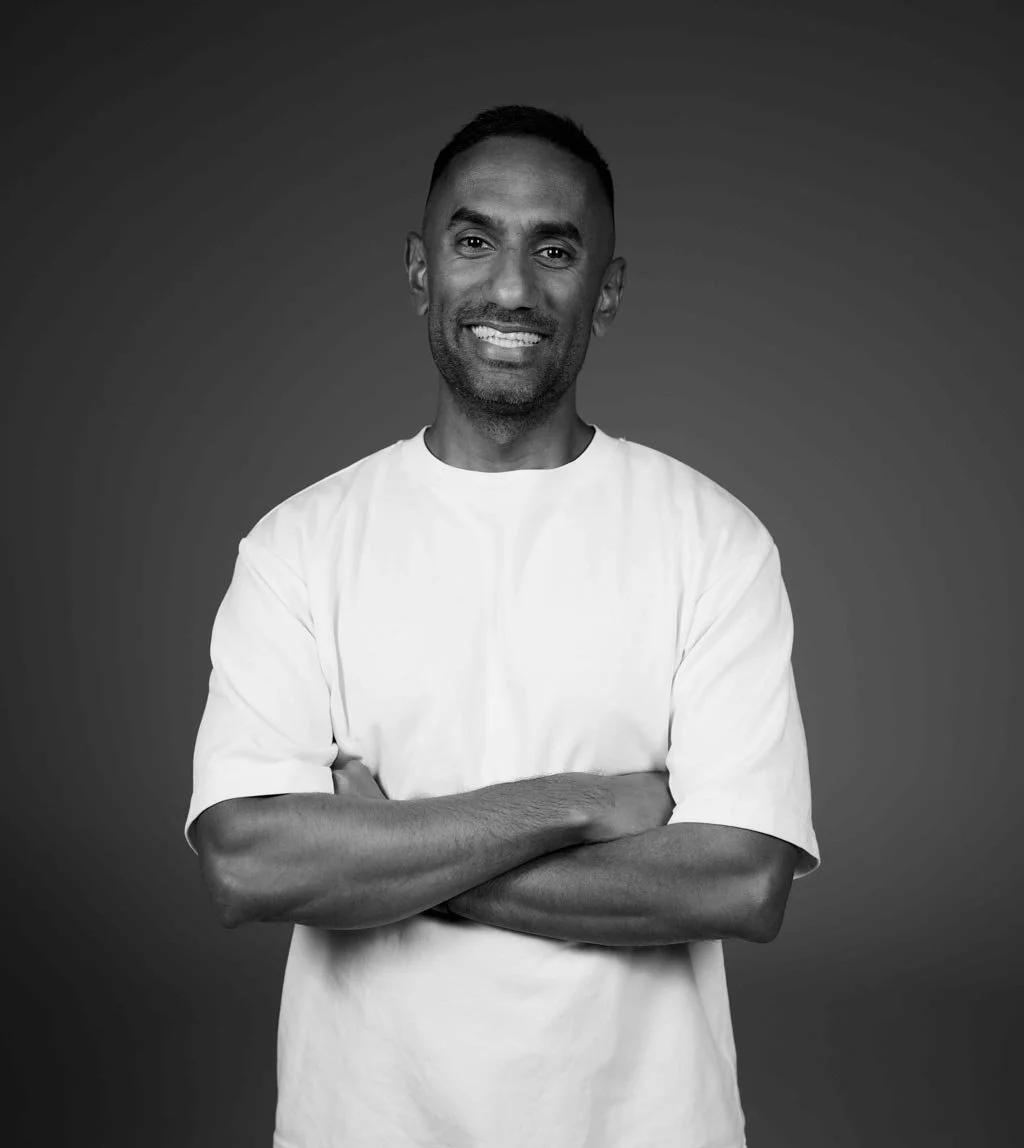
Mike Gore is a technology founder and global social impact leader working at the intersection of philanthropy, capital, and digital infrastructure.
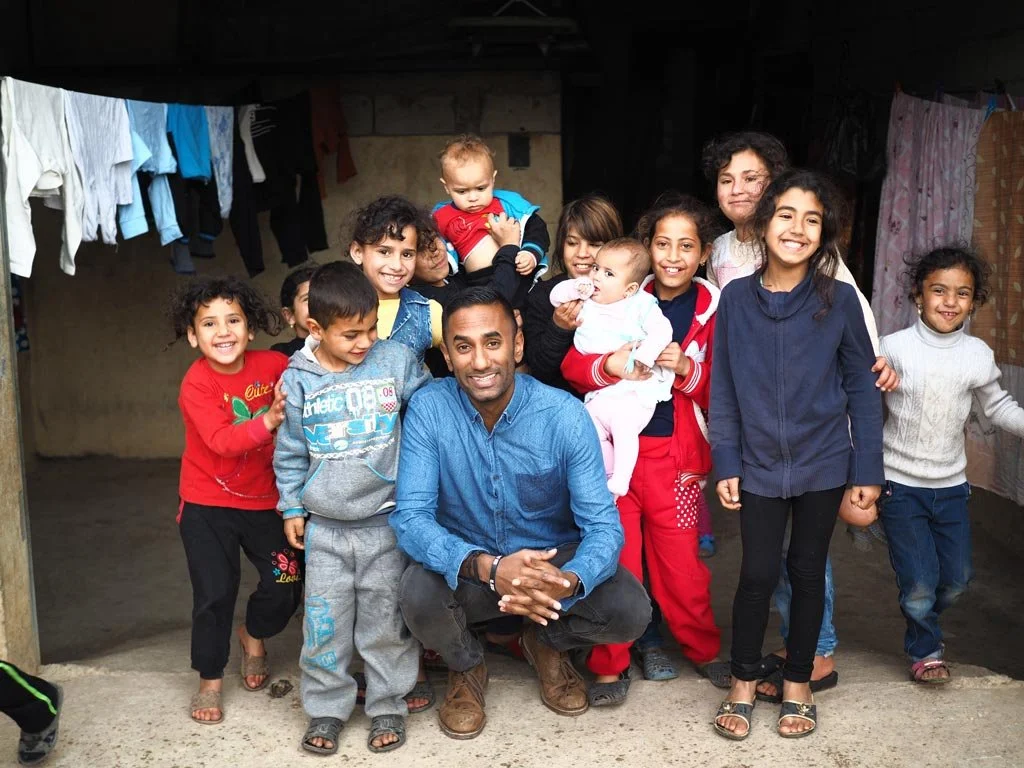
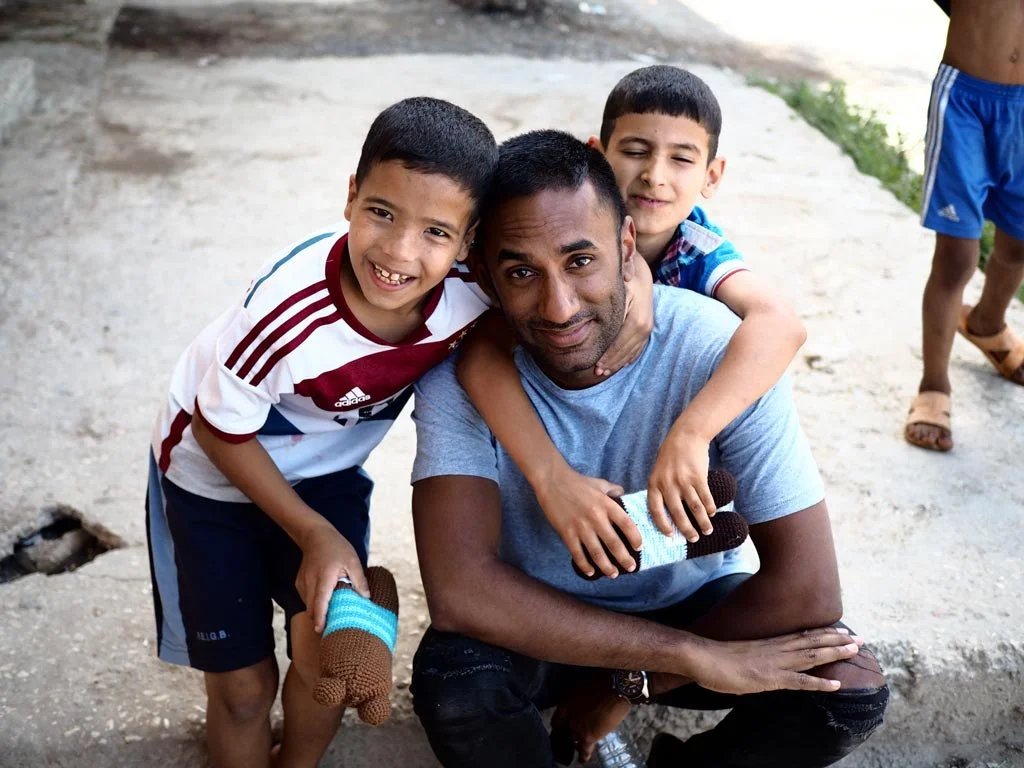
Over the past two decades, he has led organisations, built platforms, and worked alongside partners in more than 90 countries to design and deliver large-scale humanitarian initiatives - from refugee camps in the Middle East to underground networks in restricted nations.
Mike previously served as CEO of Open Doors Australia & New Zealand, where he led organisational transformation, doubling revenue from $4M to $10M while rebuilding strategy, governance, and operating models across two countries.
Today, Mike is the founder of Charitabl., a technology platform designed to modernise giving andremove barriers to generosity. Supporting more than 39,000 charities and backed by partners including Microsoft, Cotton On, MECCA, and Minderoo, Charitabl. is building what Mike describes as the “infrastructure for generosity.”
Born in India and abandoned at birth, Mike’s story has taken him from an orphanage to leading global humanitarian efforts and building platforms designed to reshape how the world gives.
He is also the creator of the Global Impact Summit, bringing together corporates, investors, and non-profits to explore how technology and capital can accelerate real-world change. Mike is known for helping organisations scale by unlocking human potential and building systems that allow people, and purpose, to grow.
Mike discusses building digital infrastructure to unlock generosity at scale, fundraising as a long-term relational pathway, and why the business for good movement is on track and accelerating towards becoming business as usual.
Highlights from the interview (listen to the podcast for full details)
[Tom Allen] - To start off, can you please share a bit about your background and what led you to your passion for not-for-profits, charities, and social enterprises?
[Mike Gore] - It’s a long answer to be honest, but I’ll tell you the two halves of it and then focus on one. My life story, Tom, is one that’s earmarked by generosity. You mentioned in the intro that I was abandoned at birth as a newborn in India. I was found by a paediatrician who was walking through a field, who then placed me in an orphanage.
Through a series of events, I was smuggled across borders. There were nuns bribed and birth certificates changed; lots of crazy things that are probably stories for another time. I ended up being adopted by an Australian family in the early eighties and grew up here in Sydney. That was the genesis story to my life in general, and it was earmarked by generosity.
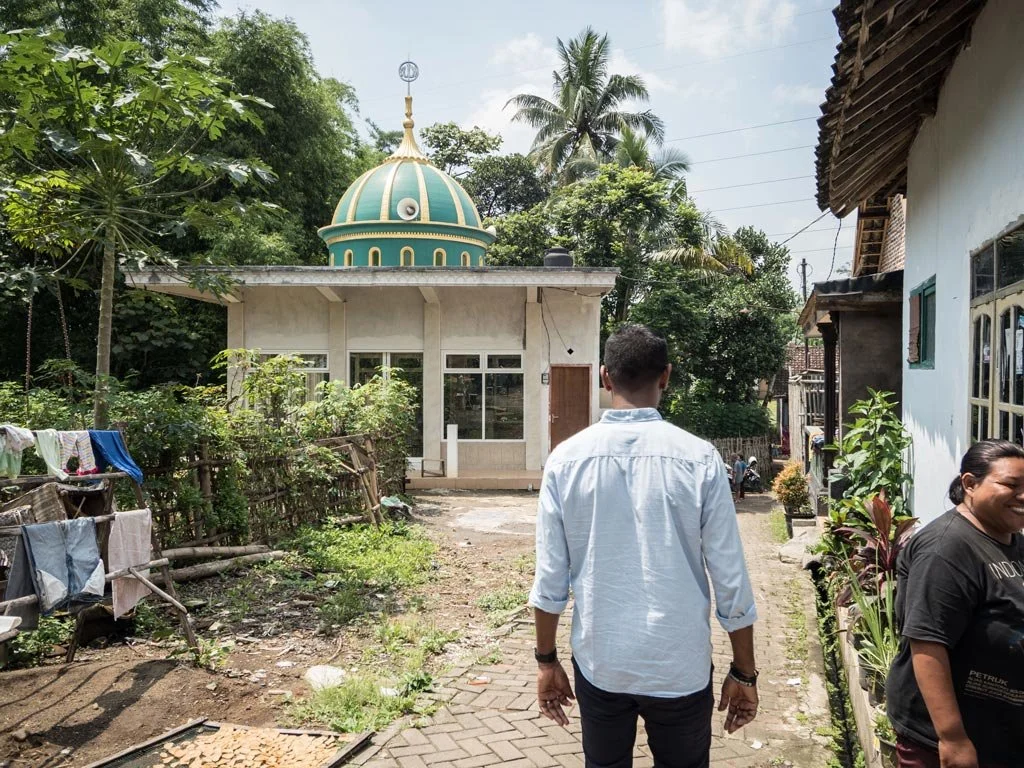
Then if you jump forward to the Open Doors era, I found myself in some of the darkest parts of humanity, in moments in world history where most people didn’t want to be. Whether that was being on the Nineveh plains at the height of the war with ISIS in Iraq, or being on lockdown in a hotel in Algeria because of the risk of kidnapping for ransom, I’ve seen the collision of the darkest parts of humanity with some of the lightest parts.
When I say the lightest, I mean I’ve seen the work of charities, charitable organisations, and social enterprises all around the world delivering education, addressing recidivism, and delivering feeding programs. There is so much beauty in the midst of darkness, and I guess it’s those two halves that gave me a passion for all we’re doing now.
Can you share more about the work you’re doing at Charitabl., and how you’ve seen the fundraising environment shift in recent years?
One of the things that drives us at Charitabl. is the belief generosity is the only universal language on the planet. From the first two stories I shared, one of the things we’ve realised is that in incredibly and rapidly changing countries, when it comes to cultural diversity, values, or wealth, there are so many hierarchies.
What we’ve found across the world is that every culture experiences grief, and every culture experiences humour, but each of those is expressed differently. Generosity, however, is universally expressed. It transcends race, religion, gender, wealth, status, and sexuality, and becomes, in many ways, a tool for social cohesion.
When I was working at Open Doors, I realised behavioural economics had shifted through companies like Uber, Airbnb, Spotify, and Netflix. These behavioural change companies dramatically shifted the way we commercially engage with the world around us. I started thinking about how we could solve this for giving.
When I researched those companies, I realised they offer five core deliverables: choice, control, convenience, community, and confidence. These are the five Cs of what I call customer, or donor, engagement. When we applied that lens to fundraising, we asked: what if we could build a donation environment that uses those same principles?
As charities, we’ve traditionally built systems from the inside out, from the organisation to the donor. We’d say, “Here’s our idea, here’s why it matters,” and then go back to the same group of donors to ask for support again. In doing so, we positioned ourselves as the hero in the story. But the way individuals engage commercially with the world has changed.
We decided to build Charitabl. as a native app-based giving environment, similar to the Uber Eats of charitable giving. It’s fee-free, commission-free, and free for charities to use. The goal is to provide an additional payment channel in a world that is rapidly changing in how we engage economically with everything around us.
Given the massive shift in how technology platforms and corporations are reshaping the way we connect, consume information, and engage economically, how has this influenced your thinking around Charitabl. and who you’re building this platform for?
The reality is that because it’s a behavioural change product, it’s a two-sided market. On one side, we want to make life easier for donors: I’m a firm believer that accessibility will always increase the size of a market.
If you look at the big companies we mentioned, we’ve never listened to more music, streamed more content, or bought more products online. When you remove barriers, accessibility increases and markets grow. I’m driven by the belief that if we can remove barriers for donors and individuals who want to give, then generosity will grow.
On the other side, our core customer is charities, as well as workplaces wanting to engage in workplace giving, and people looking to use technology to drive their social impact forward. They represent the other side of the market that we’re focused on.
You’ve also been working on building the Global Impact Summit. With the event coming to Sydney on August 5-6, can you tell us more about its purpose, what you’re hoping to achieve, and what excites you most about bringing these different sectors together?
It’s probably one of the most exciting projects I’ve been a part of. The reason being is this:
I think in the next three to five years, social impact will become one of the most important conversations across society and culture. In business, it will be one of the most crucial tools for staff retention and customer loyalty. More broadly, the way we understand how to build individuals, collectives, and communities for greater impact is going to make a significant difference in the world around us.
The Global Impact Summit is ultimately about that. It’s a two-day event in Sydney where we’re aiming to bring corporates, funders, social enterprises, and charities into the same room. We previously ran this at South by Southwest Sydney last year, where we had 1,700 people attend and representation from 48 different sectors. It was an incredible experience.
Now, we’re looking to establish it as a standalone event, bringing in world-class speakers to talk about social good and social impact. More importantly, we want to use the power of personal stories to show that while these individuals may have big titles or work for well-known organisations, the difference between them and everyone else isn’t that great.
They’re driven by a sense of purpose, a desire to make the world a better place, and they bring uniquely innovative ideas in how they go about doing that.
At events like the Global Impact Summit, many conversations naturally centre around funding, partnerships, and building supportive communities. What advice would you give to purpose-driven leaders looking to secure funding and create meaningful, long-term support for their work?
That’s such an important question. For listeners, Charitabl. is an Aussie start-up, and the biggest reality of that journey is that some days it feels like you’re soaring, and other days it feels like an overwhelming splat.
I think platforms like LinkedIn and others can sometimes leave us feeling like we’re failing, because success is what gets acknowledged and highlighted. Anything less can feel like a complete miss. My first encouragement to anyone that is listening is we’re still in that zone. Some days feel great, while others feel like a disaster.
What I’ve learned through that journey is twofold.
Fundraising or funding is not a tap you turn on; it is a pathway you walk. I came into that quite naively, thinking that people would just invest, that grants would come easily, and that funding would flow. It’s not like that. It’s about relationship development for a purposeful outcome.
Too often, people lean too far one way. They either focus entirely on relationships and never make the ask, or they focus only on the ask without building a relationship. Funding requires time, patience, courage, and clarity. The biggest misconception is that it happens quickly (it doesn’t!).
We need to be far more interested in someone’s wealth of knowledge, not just their financial wealth. You may not always get a financial outcome, but the people you’re engaging with have valuable experience and insight. If you’re a start-up or purpose-driven leader, my encouragement is to focus on learning from them.
Convince yourself to value someone’s knowledge as much as, if not more than, their money. That mindset will set you on the path to building deep, lasting, and ultimately rewarding relationships.
What are the key traits you’ve observed in truly effective impact-led leaders and entrepreneurs?
Some of the most important traits I’ve seen in impact-led leaders and entrepreneurs start with their ability to hold tension. They are continually led by a strong sense of purpose, calling, or personal story, while also ensuring they run an effective, sustainable, and well-structured business. That tension is important and doesn’t get called out enough.
We can be deeply connected to our vision or personal journey, but we also need the capability and business acumen to operate a financially sustainable organisation. The best leaders I’ve seen manage that balance well. They’re incredibly inspirational, but also clear and direct about what they need and where they’re going.
There’s a well-known idea from Simon Sinek about starting with ‘why’. I actually think everyone has a ‘why’, but it’s the ‘what’ that really matters. If you ask most people what they do, that’s often where they struggle. I still find that with Charitabl.. Articulating the ‘what’ clearly can be difficult.
The most effective impact leaders I’ve met are exceptionally clear and articulate in their ‘what’. They can explain what they do, how they do it, and why it works. Alongside that, they use their personal story and sense of purpose to inspire others and bring people along on the journey.
With your broad, global perspective across the ecosystem, what do you believe is currently holding the ‘business for good’ movement back from becoming truly mainstream? What needs to shift for it to become business as usual?
I actually think we’re on the cliff edge of falling headlong into it. The era of social enterprise is only just emerging. It may have been around for decades, and there may be many organisations operating in this space, but I believe that in five years’ time, if you’re not a social enterprise, you won’t be anything.
In all honesty, I think it’s simply a matter of timing. I’m a firm believer that everything people like yourself and others have been doing for decades has been preparing the market for what is about to become an explosion of the business for good movement becoming business as usual.
When I look across the landscape, I see workplaces where employees are increasingly saying, “If you’re not socially minded, you’re not relevant.” At the same time, customers are making decisions based on impact, choosing not to engage with organisations that don’t align with their values. Social good and social impact are rapidly becoming embedded expectations. It’s no longer optional.
I think we’re on the cusp of something truly significant, and that shift is going to be realised very quickly.
What inspiring projects or initiatives have you come across recently creating a positive change?
Australia should be overwhelmingly proud of the business landscape we have here and the impact it’s generating. Having worked with organisations across the breadth of Australian society and culture, I’ve seen some incredible examples.
From large organisations like Canva, Atlassian Foundation, Cotton On Foundation, and MECCA M-POWER, these are companies embedding social good and impact into everything they do. Then you’ve got organisations like the AMP Foundation, which is backing founders and helping create a whole new wave of entrepreneurs in Australia.
Across the spectrum, there’s a really encouraging trend. At one end, you have large, influential organisations driving significant change. In the middle, you have businesses that may not be as prominent but are embedding sustainable and impact-driven practices into their operations. At the other end, you have organisations like Thread Together doing incredible work and genuinely changing the game when it comes to social good.
There are so many examples across Australia, and many of these organisations will be speaking, presenting, or simply in the room at the Global Impact Summit. That’s what makes it so powerful, and it’s going to be an incredibly encouraging and equipping event for anyone interested in driving positive change.
To finish off, what books or resources would you recommend to our audience?
I love reading, Tom. It might sound a bit over the top, but I used to catalogue all the books I read each year so I could keep a proper list. When people ask me this question, I always struggle to choose because there are so many that stand out.
A couple that have really shaped the way I behave would be The 5AM Club by Robin Sharma. I’m a passionate believer that if you can’t lead yourself, you can’t lead others. Like Tim Ferriss often says, if you win the morning, you win the day. That book really helped me establish a morning routine that sets me up well.
Another great one is The 15 Commitments of Conscious Leadership. It’s an excellent resource for leadership, and I’m really passionate about understanding how influence and leadership can help others achieve more. I believe the role of a leader is to get the most out of others.
Then there’s The 4 Disciplines of Execution by Sean Covey. It’s brilliant for anyone looking to increase their impact, particularly entrepreneurs and start-ups. It provides a clear framework for driving results, especially around setting goals in a structured way, thinking about moving from X to Y by when, and being able to articulate that clearly.
Initiatives, Resources and people mentioned on the podcast
Global Impact Summit (Use the code IMPACTBOOM20 for 20% off your ticket)
Recommended books
The 5AM Club: Own Your Morning. Elevate Your Life. by Robin Sharma
The 15 Commitments of Conscious Leadership: A New Paradigm for Sustainable Success by Jim Dethmer, Diana Chapman & Kaley Klemp
The 4 Disciplines of Execution: Achieving Your Wildly Important Goals by Chris McChesney, Sean Covey & Jim Huling
On Episode 649 of Impact Boom, Dr. Tanvir Uddin of Wholesum discusses expanding access to ethical investment, financing underserved businesses in emerging markets, and how financial innovation can mobilise capital to create meaningful social and environmental impact.