
Lauren Hill On Backing Purpose-Driven Leaders To Create Lasting Systems Change
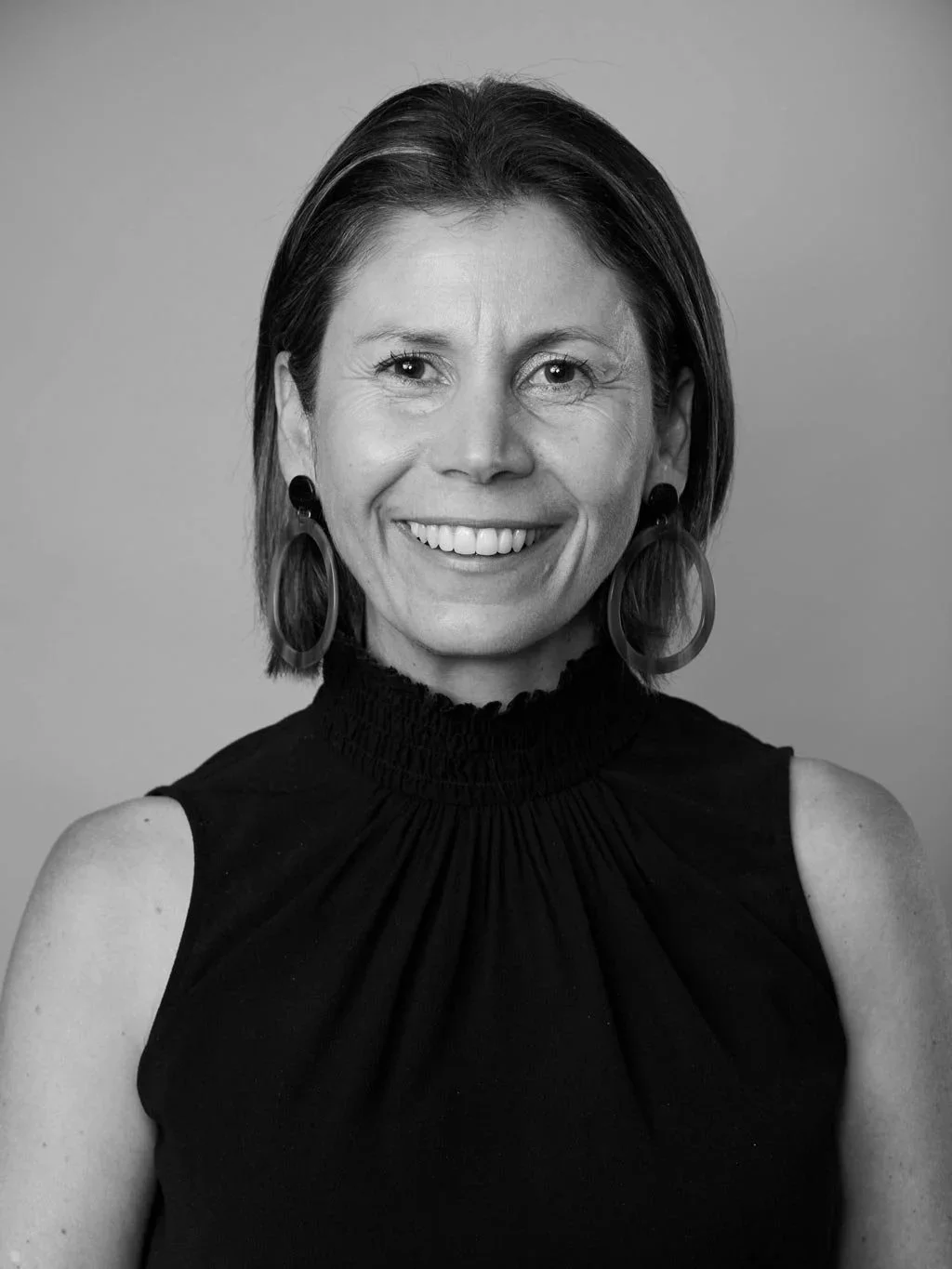
Lauren Hill brings over 20 years’ experience working across corporate, start-up, SME and social impact organisations in Australia and internationally.
Her career has been shaped by a deep interest in people, systems and what helps meaningful change last.
Since joining Westpac Scholars Trust and Westpac Foundation in 2018, Lauren now leads the Westpac Social Change Fellowship and the Westpac Community Ambassador Program, focused on program design, facilitating valuable connections and unlocking resources for social impact.
Outside of work, Lauren volunteers across many community initiatives, including TEDxSydney. When she is not working or volunteering, she is usually on the sidelines of a sportsfield cheering on her three kids or enjoying some beach time
Lauren discusses supporting purpose-driven leaders through lifelong fellowships, the importance of values-led leadership and energy management, and how collaboration can accelerate systems-level social impact.
Highlights from the interview (listen to the podcast for full details)
[Tom Allen] - To start off, can you please share a bit about your background and what led you to working in social enterprise?
[Lauren Hill] - I grew up in South Africa, so I think my focus on people and helping others started before I even realised it. Growing up in a country like South Africa, the needs of people are very present in everyday life. Whether driving to work or simply growing up, you see people living in informal settlements without access to electricity or water, and children not attending school, so that need is constantly visible.
When I began my career in South Africa, I worked at a global sports marketing company before moving into a private bank. Corporate social responsibility was embedded in the work that everyone did every day because of the significant need within the country.
Eighteen years ago, I moved to Australia, and at that point I went through a recruitment process where I was placed into a financial services marketing role based on my previous experience. I hope things have evolved since then, and that people are now placed into roles based more on culture and aptitude rather than just skills and recent experience. I started at American Express and then moved into a smaller business where I could be more hands-on in my work.
That experience has been incredibly valuable in the work I do now, particularly when working with leaders of smaller organisations and understanding the challenges they face. In that organisation, I had the opportunity to start an initiative, now known as the Biz Giver Initiative. It was essentially a small grants program where we honoured the wishes of small business owners to give them a leg up in whatever they were doing to support their communities.
That was a great starting point and it ignited my desire to help others through the work that I do, rather than just doing the work itself. I then went on maternity leave with my third child and began working with some friends at a start-up called Flex Careers. This was prior to COVID, when flexible work was still quite difficult for women to access and was a significant barrier to returning to the workforce.
I felt deeply passionate about this opportunity because it reflected the position I was in within that community. I was a woman on maternity leave returning to work, and I understood those challenges firsthand.
I was incredibly passionate about the work at the time, but I also made the classic mistake of being so purpose-driven and mission-driven that it began to negatively impact my family and my health. Unfortunately, I had to step away from that work.
Around that time, I had a friend at Westpac who kept sending me job opportunities, which I initially dismissed. However, I eventually came across a role with the Westpac Foundation and Westpac Scholars Trust, which I applied for almost eight years ago and was fortunate to secure.
I’m delighted to now be part of a team focused on creating impact in the ways that we can through Westpac. I do have an admission to make though. When I left American Express, I swore I would never return to the corporate world, yet here I am nearly eight years later.
I had a former boss who used to talk about “Innies” and “Outies”. The “Outies” are those driving change outside of large corporate organisations, while the “Innies” are those working within organisations to create that change.
I’ve come to recognise the unique position I hold within Westpac to help shift perspectives, challenge stigma, and question norms that have existed for a long time, and which can sometimes hold back social impact. This isn’t due to any one person’s fault, but rather the result of what has been normalised over time.
By connecting Westpac employees with the community organisations we are privileged to work with, we can open up opportunities for education, connection, and a deeper understanding of what is happening on the ground across Australia, often in the very communities where we live and work.
I don’t think I was comfortable being an “Innie” when I first started, but now I’m very comfortable saying that I’m a proud Innie working within Westpac.
Can you share more about your work at Westpac Scholars Trust and how your programs such as Social Change Fellowship support purpose-driven leaders?
Westpac Foundation and Westpac Scholars Trust are two separate entities, but operationally we work closely together. Within the Trust, I have the honour of leading the Social Change Fellowship, which is one of five programs offered.
Each year, the Trust awards 100 scholarships, including 10 Social Change Fellowships. We now have 110 Westpac Social Change Fellows creating incredible impact across Australia, and this year we will award our 1,000th scholarship, which is a significant milestone for the Trust overall.
The Social Change Fellowship is designed to support purpose-driven leaders in several ways. Firstly, the fellowship is valued at $50,000, with part of that funding allocated to a group leadership program. This includes a 360-degree leadership assessment, a residential component, online learning, and opportunities for cohort connection.
At the end of the fellowship, we hold a reflection retreat, which is actually where I’ve just spent the past three days. I’ve had the great joy of spending time with the 2025 Westpac Social Change Fellows, hearing how the fellowship has opened doors for them, created new learning pathways, and facilitated both global and local connections.
It’s been incredibly inspiring to spend time with the fellows over the past few days, but that’s just the formal part of the program. We also walk alongside our Westpac Scholars for the rest of their lives. We often say it is a scholarship for life. They are backed by Westpac and can come to us at any time with any need.
We aim to leverage our resources as much as possible. In fact, that’s probably what I enjoy most about my role; thinking about how we can use the resources we have at Westpac to support the work these leaders are doing in their communities. We walk alongside them throughout their entire impact journey.
Through the Westpac Foundation, we also run a number of social leadership programs, including the community and bachelor program mentioned in my bio. We also have a Board Observer Program, which creates opportunities for skilled volunteering between Westpac employees and the community organisations we support. This allows organisations and leaders to access skills that might otherwise be difficult to obtain, whether due to financial or network barriers.
We also facilitate this through the Skilled Volunteer Network, which is a Westpac employee advocacy group. Any not-for-profit or social enterprise can submit a request via a form, which is then triaged internally. In most cases, we are able to connect them with someone who can support their specific need.
These requests can range from seeking advice on mergers and acquisitions, support with contracts, or guidance on evaluating IT products. It can also include governance, marketing, and a wide range of other areas. Typically, this is not general volunteering, but rather highly targeted, skills-based support.
Holistically, this is how we, across Westpac, the Westpac Foundation, and the Westpac Scholars Trust, aim to support purpose-driven leaders in their journey as they continue their incredible work.
What traits do you observe in successful impact leaders who are able to sustain purpose-driven organisations?
I’ll probably answer this question in two ways. There are traits that I see within purpose-driven leaders, and there are also some key elements that seem essential for sustaining their work.
Starting with traits, one of the most important qualities we look for is an openness to learning and a sense of curiosity. It’s a willingness to explore and gain knowledge, even in areas that may not seem directly relevant to the work they are doing. Sometimes we hear leaders say, “I’m not really interested in that,” but often those areas lead to unexpected insights or opportunities. A desire to keep learning, and to learn from others, is a consistent trait we see in successful social entrepreneurs.
A second key trait is having a collaborative mindset.
We all know meaningful change cannot be achieved by a single individual or organisation. While individuals can act as catalysts, it is through collaboration that change truly happens. Being open to other people’s ideas, having a low ego, and being willing to listen are all critical attributes.
There are also qualities that many purpose-driven leaders naturally possess, such as resilience, proactivity, and being deeply mission-driven. Their ability to navigate complexity is often what leads them into these roles in the first place. Lived experience is also a significant driver for many leaders in this space.
In terms of what enables leaders to sustain themselves, one of the most important factors we’ve observed is a strong understanding of their values. While being mission-driven is important, it is when leaders are grounded in their values that we see a real shift in their ability to lead effectively.
They are often working in complex environments, leading growing teams, and building collaborations, all of which can be challenging. When their decisions are aligned with their values, their leadership becomes more sustainable, and they are better able to continue progressing their work.
Through our fellowships, we also create safe spaces for leaders to step back, reflect, and receive honest guidance from their peers. This kind of peer support is incredibly important, as leadership can often be an isolating journey, particularly for those who are not connected into strong networks.
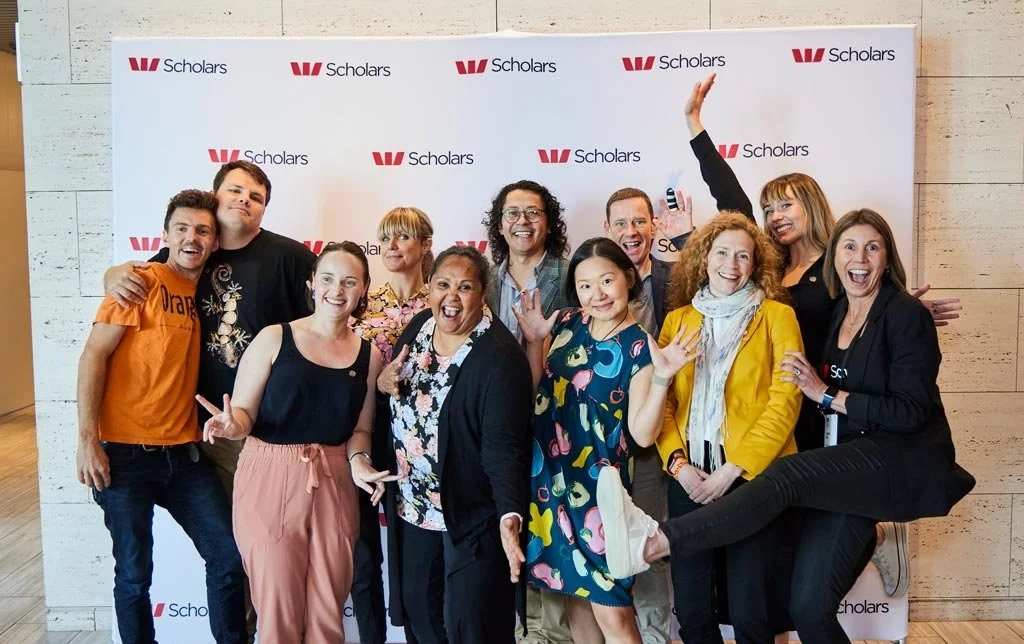
Interestingly, over the past few days, some of the fellows have been speaking about the importance of having “thought partners”. I did some sense-checking around that, and it reinforced how valuable it is to have someone you can safely unpack ideas or challenges with. This is a critical way of operating for leaders.
I also think the term “self-care” gets used a lot in the sector, but from what I’ve observed, it’s quite easy to dismiss. Leaders often think, “I know I need to do that, but I’ll prioritise the work that needs to get done first,” and that approach doesn’t always serve them well.
A more helpful way to think about this work might be in terms of energy management. In the residential program we run, our key facilitator, May Somali, speaks about seven different types of energy. When we think about self-care, we often default to things like getting enough sleep or going for a walk in nature. However, when we consider the different types of energy we each need, it becomes more nuanced.
For example, someone might need to focus on their emotional energy, which could involve having deep conversations with friends or journalling to process their thoughts. Others may need to prioritise sensory energy, which might mean taking breaks from screens and constant stimulation. We are often consuming information through podcasts or other content, so sometimes what we really need is a pause from that input.
If leaders were to better understand the different energy sources they rely on, they might move away from thinking about self-care as an afterthought, and instead view re-energising as a performance strategy. When framed this way, it becomes something they are more likely to prioritise, because ultimately, they cannot operate effectively if they are not well themselves.
May Somali shared a great analogy during one of our sessions. She said that as a leader, you wouldn’t get on a Zoom call with your laptop battery at 2%. You would ensure it is fully charged. We need to think about ourselves in the same way and how we manage our own energy.
Another important area in sustaining leaders is financial capability. We’ve observed that this can be a significant source of stress, particularly for those who may not have had formal training or extensive experience in financial management. This is an area we are looking to support more intentionally.
As a financial institution, we are well placed to do this. We are currently piloting a program with our 2026 fellows to connect them with financial experts within Westpac. The aim is to create a safe space where leaders can ask questions about their financials and move from reactive to more proactive decision-making.
The hope is that this will build greater financial confidence and discipline within their organisations, ultimately reducing stress and anxiety around financial management. It’s still in the pilot phase, but we’re optimistic that this will become another meaningful way to support leaders in sustaining their work.
What do you believe is holding back the business for good movement from becoming more mainstream?
That’s a challenging question, and I don’t claim to have the answer, particularly as many highly informed people have been working on this for a long time. I can only share my own observations, and there are many factors at play because we are operating within complex systems.
One of the key barriers is education and helping the wider public understand what “business for good” actually means. People are living in fast-paced environments, facing cost-of-living pressures and various stresses or anxieties. As a result, they make decisions based on what is most accessible or affordable in the moment.
For example, when my daughter shops at Temu, I feel quite concerned. I’ll say, “Please don’t do that,” but from her perspective, it’s cheap and everyone else is buying the same things. She doesn’t necessarily understand the broader implications of that choice, including the impact on other businesses or systems. This is why education is so important.
Education helps people understand what business for good means in their everyday lives, as well as within the broader systems we all operate in. At the moment, it can feel harder, slower, and sometimes more expensive to choose the “better” option. However, with greater awareness, people may begin to see that while it might be more challenging in the short term, the long-term outcomes are far more beneficial for people and the planet.
I also think initiatives like the Uncharitable documentary have helped shift perspectives, but the question still remains; how do we get more people to engage with and understand these ideas? Even starting with how we view the charitable sector, both in Australia and globally, could help shift mindsets.
Ultimately, there is still a lot of work to be done. For me, working within a large corporate like Westpac, part of my role is to create opportunities for these conversations and help open people’s eyes to what’s possible.
What inspiring projects or initiatives have you come across recently creating a positive change?
I have a strong connection with our Westpac Social Change Fellows, and every one of them has received a fellowship because of the incredible work they are doing and who they are as people. Even beyond the organisations they currently lead, we know they will continue to create meaningful impact in whatever communities they are part of.
One example that comes to mind is Abraham Kuol, who works in the justice space. I recently had the pleasure of spending time with him, and what stood out to me was how strategically he approaches his work. His goal is to reduce the overrepresentation of African Australians in the justice system.
What’s particularly fascinating is how he is going about achieving that. He is undertaking a PhD in Criminology at Deakin University to build the evidence base needed to support his work. He also draws on his lived experience, having grown up in the South Sudanese community in Melbourne, where there are complex challenges facing young people.
At the same time, he is engaging with systems-level change through his involvement with the Victorian Crime Reduction Unit, while also working within community through organisations like Sand Down Lion, which are deeply rooted in supporting the people he ultimately serves.
When I reflect on his approach, it feels like he is operating as a system in himself. He recognises that achieving meaningful change requires influence across multiple levels, not just through leading a single organisation. I think that’s a really powerful way of working.
Another example is Nicholas Marchesi, who similarly operates across a portfolio of projects and organisations, all contributing towards the change he wants to see in Australia.
There are, of course, so many incredible individuals and organisations doing impactful work across Australia, whether in homelessness, refugee and asylum seeker support, social cohesion, or broader community development. I would love to name every one of our fellows, but hopefully these examples help illustrate the breadth and depth of impact being created.
To finish off, what books or resources would you recommend to our audience?
I recently listened to an audiobook after hearing the author speak at South by Southwest. It’s Partnering by Jean Oelwang, who leads Virgin Unite alongside Richard Branson. The book focuses on forging deep connections to make meaningful things happen.
Looking ahead, and as we’ve discussed throughout this conversation, collaboration is easy to talk about but much harder to do in practice. While the sector is making progress, effective collaboration requires trust and the ability to build deep, authentic relationships.
These connections allow people to work together in ways that enable everyone to thrive, even when perspectives or approaches differ. I believe adopting a partnering mindset can help those working across various challenges and social issues to make more meaningful progress.
There’s been a recurring theme across many of our conversations around the importance of deep, authentic relationships: creating those connections takes time and trust, and it’s very much a marathon rather than a sprint. Those conditions are essential for meaningful and effective collaboration.
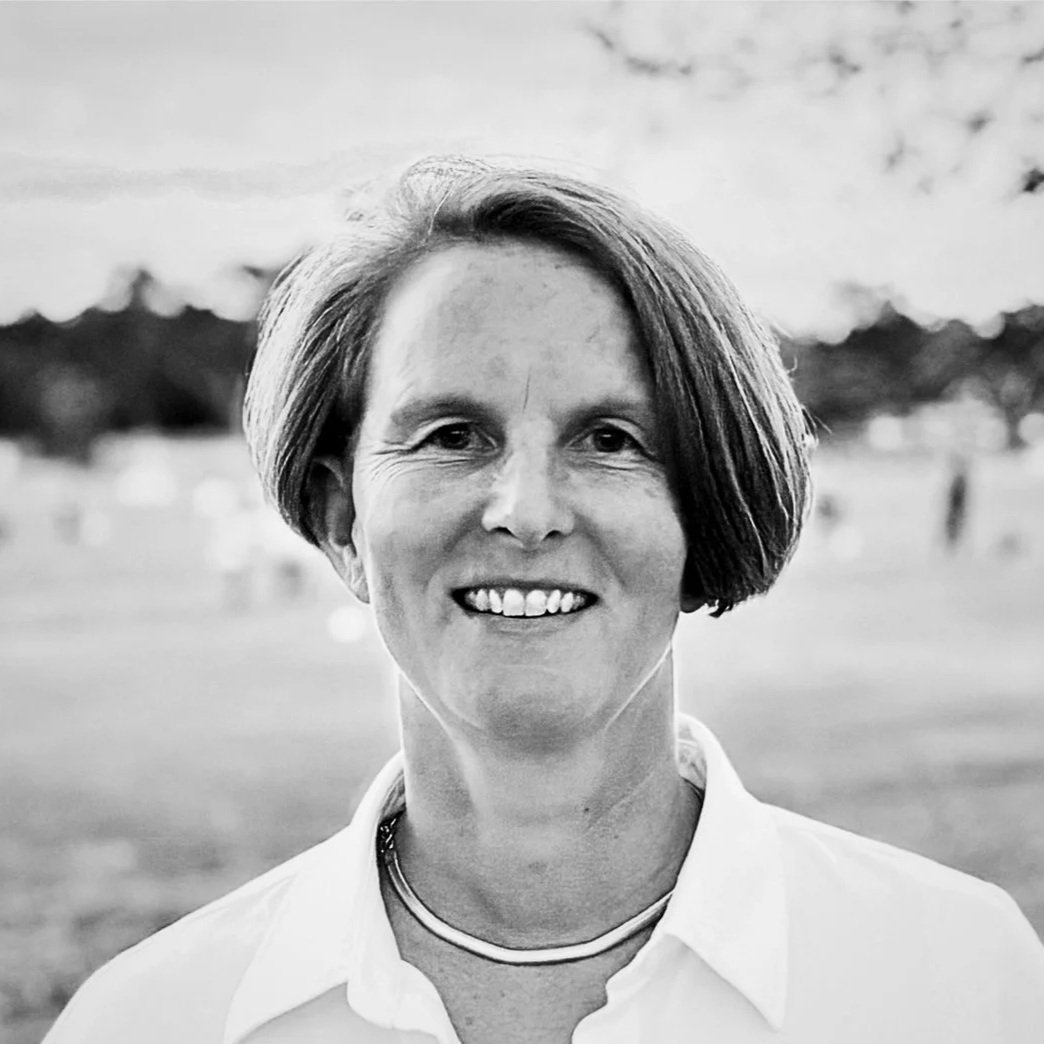
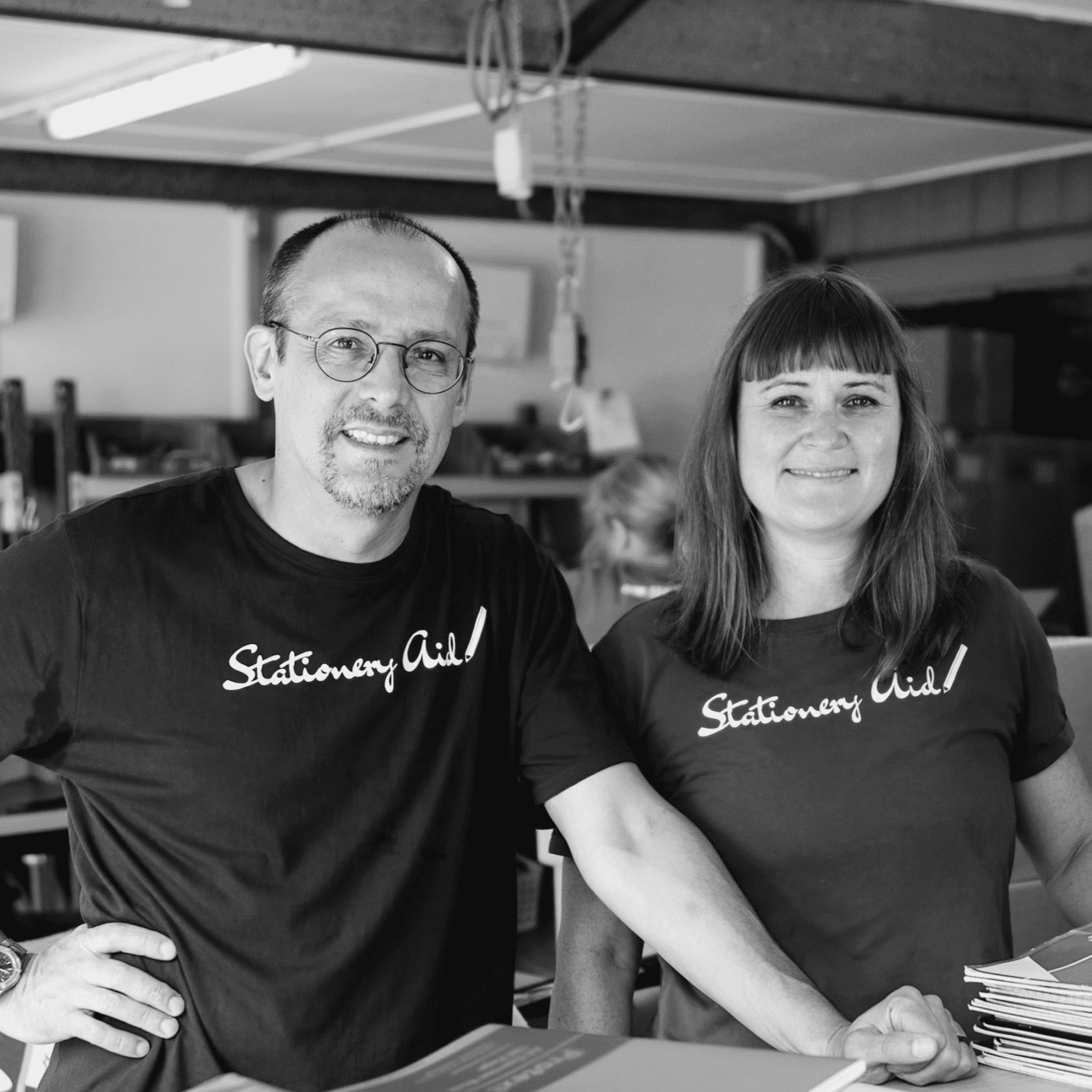

On Episode 646 of Impact Boom, Gill Whelan of Gill Whelan Projects discusses building authentic relationships between funders and social impact organisations, embracing risk and resilience, and shifting power dynamics to unlock stronger partnerships and greater philanthropic impact.