
Paul Dutton On Strengthening Community Partnerships Supporting Early Childhood And Family Wellbeing
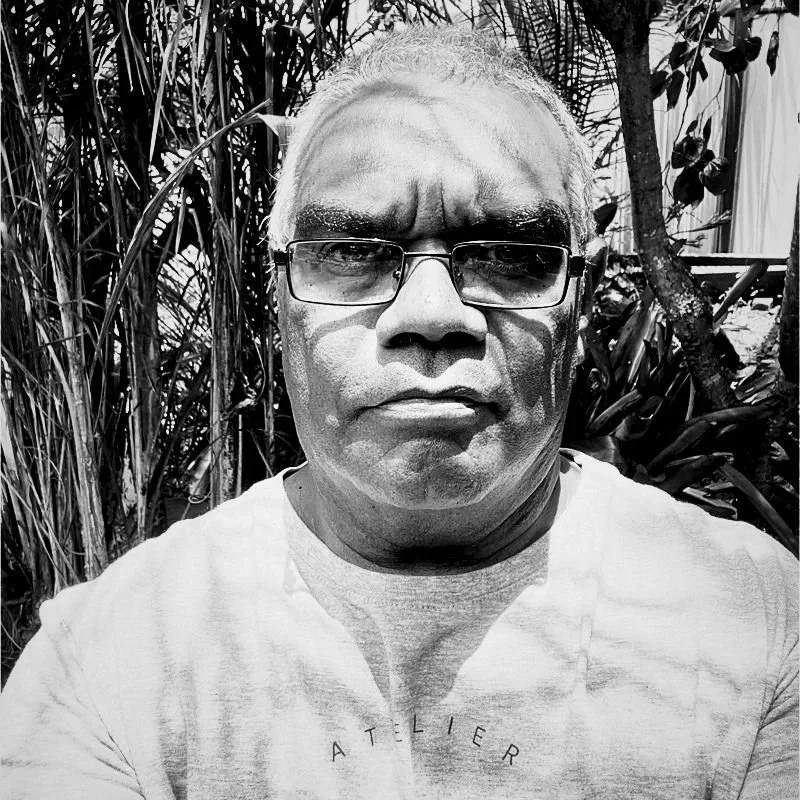
Paul Dutton is a Barkindji man from far western New South Wales, born in Broken Hill. A member of the Stolen Generation, Paul was separated from his family as a young baby and grew up in Liverpool in south-western Sydney.
Removed as a State Ward in 1968, he was eventually adopted alongside his next oldest brother Reginald and older sister Savannah, while the eldest siblings remained with family.
Growing up, Paul had little connection with Indigenous family or community until returning home at the age of 18, where he reconnected with family across Wilcannia and Broken Hill. He comes from a family of seven and is the second youngest sibling.
Throughout his career, Paul has worked across a range of federal and state government departments and social services, beginning from his teenage years. He is now the First 2000 Days Programs Manager at the Child & Family Wellbeing Hub in Grafton, far northern New South Wales.
The First 2000 Days Program is an early intervention initiative designed to support families from pregnancy through to a child’s first five years. The program assists parents and guardians in meeting their parenting and personal needs, strengthening family wellbeing, and supporting children to achieve developmental milestones and address priority needs as part of their early life journey.
Paul discusses supporting families through culturally informed and community-led care, why collaboration across agencies is crucial for holistic early childhood support, and how flexible grassroots approaches can strengthen long-term community wellbeing.
Highlights from the interview (listen to the podcast for full details)
[Indio Myles] - To start off, can you please share a bit about your background and what led you to working in the child and family wellbeing sector?
[Paul Dutton] - My name’s Paul Dutton. I’m a Barkindji man from far western New South Wales. My community belongs to the Baaka, or Darling River, and I’m part of the Stolen Generation. I was around three or four months old when I was taken away and placed into adoption in Sydney, where I grew up.
As a result of that, I’ve had a lot of connection with young Aboriginal people who have also had similar experiences. I developed that connection from a young age because of where I was connected and working at the time, and I spent time engaging with other people who had gone through similar experiences.
From there, I took that on as an opportunity to find work in community services and other agencies linked with supporting families through their life experiences. Eventually, a position came up at the Child and Family Wellbeing Hub. Originally, I was going to pass the application across to my partner. I had a look at the role, went in and spoke to the worker about what the job entailed, and I found it really inspired me to put an application in myself.
I checked whether she wanted to apply before I submitted my own application, and when she said she wasn’t going to apply, I went ahead. It aligned with the passion I’ve had from those original experiences to engage with families and provide them with opportunities to find the connections they need in their lives so they can do the very best they can.
It’s about helping give families a slightly different direction so they can achieve the goals and aspirations they have, and that’s what really inspired me.
Can you share more about the Tresillian Child and Family Wellbeing Hub, how everything is set up, and how it supports early childhood development and family wellbeing through its services?
I wasn’t originally in the space at the time, but the Child and Family Wellbeing Hub came about through a number of services, including Tresillian, our local Aboriginal medical service Bulgarr Ngaru, Northern NSW Health, and the Primary Health Network. These organisations had discussions with local community Elders across the Clarence Valley.
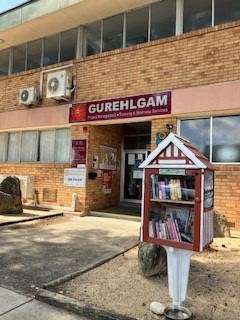
Bundjalung, Gumbaynggirr, and Yaegl Elders spoke about a gap they had experienced in their dealings with different government agencies and community service organisations. They felt there wasn’t a service that could specifically meet their needs. A lot of services were working within strict KPIs and funding guidelines, which meant families would often fall outside of what those services could support.
Families would hear things like, “Sorry, we can’t help you any further because your child has aged out of the program,” or other limitations linked to funding requirements. Families felt there was this gap, and they were looking for a service that could provide more general support focused on children aged 0–5 years.
The First 2000 Days Program supports anyone from pregnancy through to families with children aged five, and that’s the qualification we look for. Because there’s no heavy targeting or strict limitations around who can access support, families feel much more comfortable engaging with us.
It also gives other services the opportunity to say, “We can’t help you, but there’s this Child and Family Wellbeing Hub in the Clarence Valley. They’re ideally positioned to provide the support our funding agreements don’t allow us to offer.”
That’s where we fit into supporting early childhood families in the Clarence Valley specifically.
Can you share more about some of the services you’re providing through the program and the key aspects of how it operates?
Our services are very general. There aren’t heavy limitations around what we can support with. Ideally, families just need to have a child between the ages of 0 and 5. We’ll even support families where the children are a little older because, culturally and holistically, you can’t limit support for one child if you want to help the entire family.
We’ll go out of our way to find the supports an older child might need as well. The criteria could include young parents, families who are isolated, families who have only recently moved into the community, or people without strong family supports around them.
There might also be specific needs within the family, such as significant health issues, drug and alcohol concerns, or involvement with the Department of Communities and Justice around child protection risks. Sometimes there are referrals linked to health concerns, where clinical supports are being addressed through health services while we provide broader social support around the family.
That could involve working alongside the Primary Health Network where a GP is already supporting the family clinically, while we help with additional needs so we’re all working together towards the same outcomes for the family. It’s the same with Bulgarr Ngaru Medical Aboriginal Service. They may be supporting families culturally and clinically, while we assist with additional supports and practical needs.
One example is transport. Through our links with the Family Spirit Program, which is run through Johns Hopkins University in America, we were included in a funding round supported by the LEGO Foundation. Through that funding, we received a vehicle so we can transport clients to appointments throughout the Clarence Valley and surrounding areas, ensuring they don’t miss critical services or supports. We’re not overly well staffed, so there are times when we partner closely with other agencies.
If we receive a referral during a particularly busy period or have a heavy caseload, we’ll work with another supporting organisation to ensure families still receive the higher-level support they need while we continue linking them into our own groups and services. We place a strong focus on building partnerships across government and non-government agencies because we know families achieve the best outcomes when services work together collaboratively.
What are the biggest challenges facing the early childhood and family support sector, and how can more flexible, innovative, community-led approaches help address these issues?
The community-led space, and the flexibility that comes with it, is where I have found the greatest sense of purpose in my work. I’m almost 60 now, so I’ve worked across a number of government and non-government agencies since I was 18, and this role as the First 2000 Days Programs Manager really fitted the bill in terms of giving me the ability to partner with agencies to support families in the best way possible.
It felt like a natural fit for me because I wasn’t limited anymore. It’s a much more comfortable and effective way of supporting families in this sort of format. That flexibility was one of the key things that stood out to me when I first heard about the position, and I think it’s a really important aspect of working within the Child and Family Wellbeing Hub.
Historically, a lot of agencies worked within strict funding boundaries where the mindset was, “This is your funding and this is what you have to stick to.” Because of that, services often held tightly onto their clients, and there wasn’t a lot of inter-referrals or collaborative support mechanisms in place. I feel like that’s definitely starting to change now. You can feel stronger partnerships and greater understanding developing between agencies and workers that this is the best way to support families, not by working in isolation.
None of us know everything, so it makes sense to share responsibilities with someone who might know a little more about a family’s particular critical need than I do.
It also teaches families that they can seek support more broadly, rather than feeling locked into one specific service or pathway. That wider understanding of support networks is an important life skill in itself, and I really value that collaborative way of working.
That collaborative approach is also teaching families important life skills, so I really value being able to work together and help elevate the work of other agencies alongside what we do at the Child and Family Wellbeing Hub.
As for the biggest challenges, it comes back to the same issue across the board, which is funding. A lot of services have recently gone through funding rounds and have been left waiting to hear back from government about whether their applications were successful. During that period, services are often unable to move forward once their previous funding agreements expire.
We’re no different. We’re constantly looking for opportunities to secure funding, but because we’re not an incorporated agency ourselves, we rely on the four organisations supporting the Child and Family Wellbeing Hub to secure funding on our behalf. That includes Tresillian, Northern NSW Health, the Primary Health Network, and Bulgarr Ngaru Medical Aboriginal Service.
The funding is then managed through Tresillian, which oversees our operational requirements such as payroll, insurance, policies, and other organisational needs.
One of the biggest issues I’ve found since becoming manager is that we’re essentially working with the same funding allocations we received back around 2019, which means there’s very little opportunity to grow the organisation beyond where we currently sit.
When we’re fully staffed, we have myself as the full-time manager, a social worker working two days a week, and two coordinators who work directly with families and their support needs three days a week. At the moment, though, we haven’t had the funding capacity to fill some of those positions because of increasing ongoing operational costs.
What are you most looking forward to at this year’s Social Impact in the Regions Conference, and what partnerships or collaborations do you hope might come from it?
It’s pretty much the same as last year. It was incredibly interesting listening to the innovation and the absolutely mad ideas people are able to bring to the table based on what they see happening within their communities.
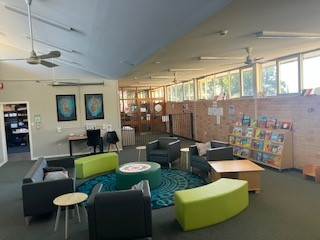
What I enjoy is hearing how people identify a specific issue within their local area and then work towards supporting that particular niche community through creative and practical solutions. It makes you feel connected as a nation, because there are so many people in tiny locations all around the country achieving incredible things and supporting their local communities. It reminds you not to give up, no matter how difficult things might feel at the time, because you keep reflecting on the conversations you’ve had with other incredible people.
Then you start thinking about who else is out there in the future with another amazing idea and whether there might be a connection where you can work together and directly support each other’s communities.
That’s why it’s such a fantastic social impact conference to be part of. It gives people the opportunity to connect, share ideas, and continue building those relationships and communities as the conference moves through different regions.
What lessons would you share with aspiring changemakers wanting to drive inclusive and sustainable change within their communities?
The biggest lesson is to always believe in yourself. As I mentioned earlier, I come from the Stolen Generation and I grew up away from my community until I was an adult. When I eventually reconnected, I realised that even if I wasn’t a high achiever at school, I got through the system. Eventually, I discovered was a genuine passion for connecting with people and supporting their needs based on my own life experiences.
It’s important to believe in your own abilities, no matter where you come from. Once you find your passion, there’s nothing stopping you from working towards your goals if you keep that passion at the forefront of your thinking. You will start constantly thinking about how things can be done differently, and if something feels right to you, then go with it. If an idea keeps sitting in your head, it’s probably there for a reason. You may have already identified something that could be important to somebody else.
If we can help change one person’s life or one family’s life, that creates opportunities for change to spread through their family networks, communities, and the towns they live in. From there, that impact continues to grow outward.
I truly believe we are all dropping seeds somewhere. We just have to water them ourselves and see what grows from the environment we’re creating.
What inspiring projects or initiatives have you come across recently creating a positive change?
I get this amazing feeling from seeing stronger partnerships and greater connections developing between agencies that historically found those relationships difficult.
I can see that collaboration spreading further afield, and ultimately what it’s doing is ensuring families are no longer being left behind. It’s just as important for agencies to learn from each other as it is for families to learn how to build those connections themselves.
I often compare it to a football team. Teams never succeed in isolation. They have specialists in different areas all contributing to the overall outcome, and that’s what allows them to perform at the highest level.
That’s the mindset I try to bring into supporting families and working with communities and organisations. If we operate as partners and collaborate the way a sporting team does, then we can achieve the very best outcomes possible.
There’s a research phrase that says, “It takes a community to grow a child,” and I truly believe that. We need to embrace that mindset as much as possible because it creates a process that is efficient, effective, and collective, and ultimately works better for everybody.
To finish off, what books or resources would you recommend to our audience?
To be honest, I tend to focus more on research documents than books. Because I spent so much time working in government, I’ve done a lot of research across different articles and reports over the years.
I regularly spend time looking through government websites, university publications, and research facilities, searching for things that speak to me or show me something new. When you’ve been working in the field for a long time, you don’t want to lose track of what current supports and approaches are being developed.

I always find it interesting to look at Australian research documentation, but I also pay attention to international research and think about how those ideas might connect with our local communities and organisations.
I’m involved with a number of committees as well, so I really value having conversations with other services and community groups about what they’re seeing and experiencing. Those discussions often help us identify ways we can bring together different ideas or introduce something innovative and unique that responds to what’s needed in the Clarence Valley.

On Episode 631 of Impact Boom, Paul Dutton of the Child & Family Wellbeing Hub discusses supporting families through culturally informed and community-led care, why collaboration across agencies is crucial for holistic early childhood support, and how flexible grassroots approaches can strengthen long-term community wellbeing.