
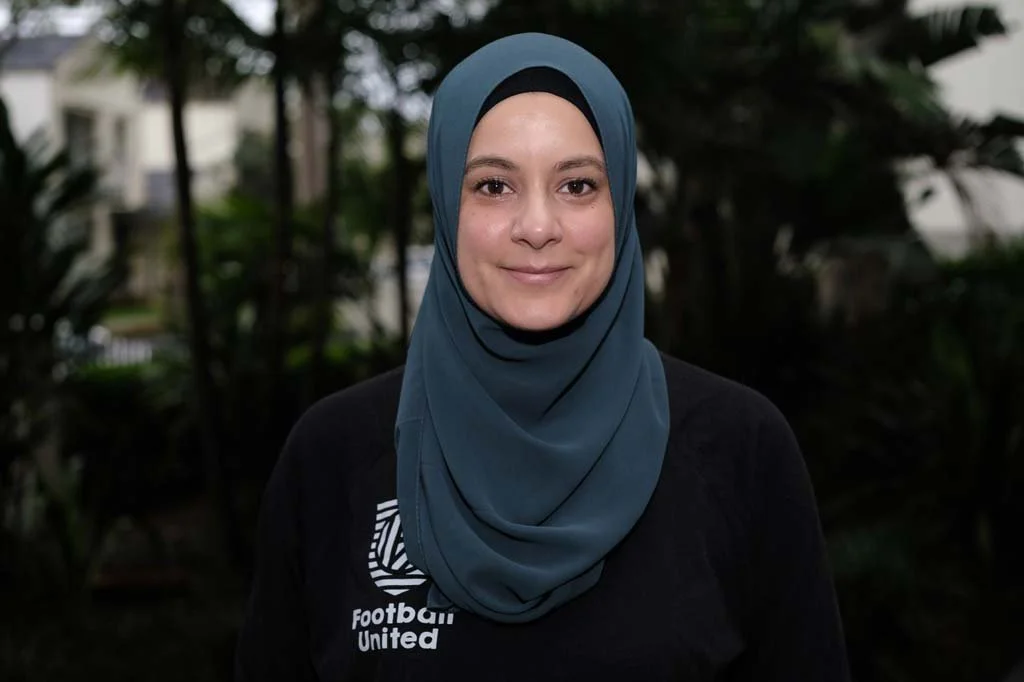
Assmaah Helal On Building Resilient Communities By Investing In Pathways For Young Leaders
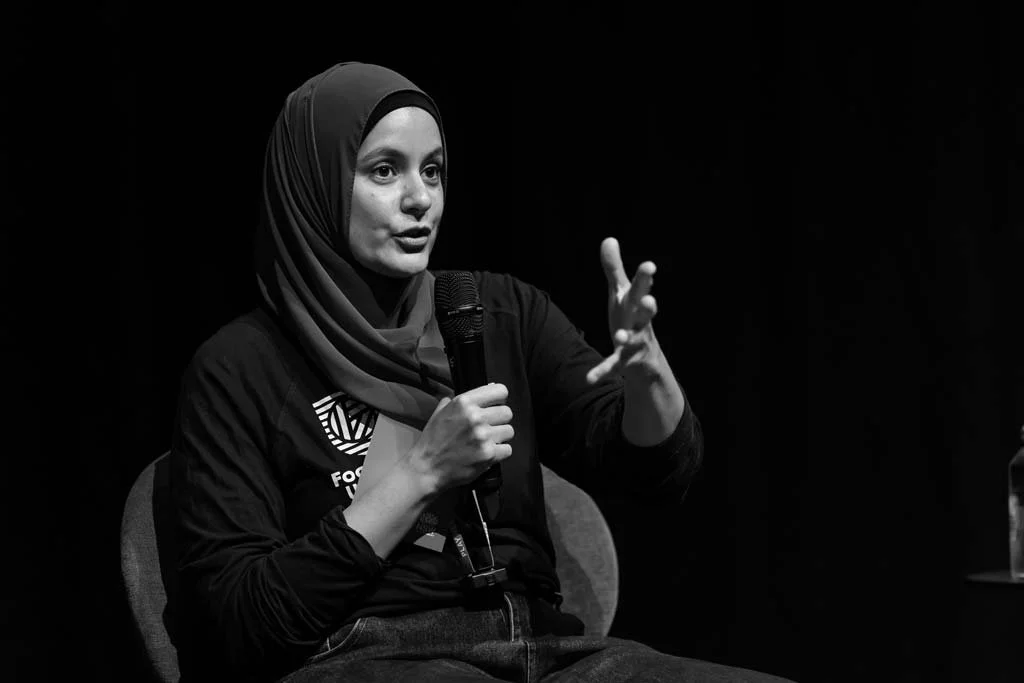
Assmaah is the Chief Operating Officer of Creating Chances - a leading social enterprise dedicated to providing long-term, transformative pathways to the young people who need it most across Australia and the Asia-Pacific region.
By leveraging sport, experiential learning, and vital access to mentors, CC empowers youth to thrive. With over 20 years of experience spanning youth development, sport, and community engagement, Assmaah is deeply committed to creating pathways for young people, particularly those from diverse and marginalised backgrounds.
Throughout her tenure, Assmaah has been instrumental in driving the organisation’s growth, leading strategic operations, and innovative program design. Her expertise is widely recognised; she recently contributed to Play Well: Australia’s First Sport Participation Strategy and serves as an Advisory Group Member for Beyond Sport’s Futures in Motion initiative, supporting the development of their positive youth development organisational tool. Assmaah holds an MBA in Social Impact from UNSW, anchoring her leadership in a commitment to sustainable, systemic change.
Assmaah discusses building youth leadership pathways through sport and social enterprise, why systems must be redesigned to unlock young people’s potential, and what she hopes to explore at the Social Impact Summit around creating clearer pathways for youth participation and impact.
Highlights from the interview (listen to the podcast for full details)
[Tom Allen] - To start off, can you please share a bit about your background and what led you to social entrepreneurship and helping young people?
[Assmaah Helal] - I grew up in an Egyptian immigrant household where education was highly valued, and football was in our DNA. It's our universal language. I am the only girl among four children, and I was very fortunate that I was never sidelined.
My parents expected me to be as active as my brothers, and that early involvement in sport wasn't just about the games I played, which included football and several other sports. It was where I found my voice.
I was naturally quite introverted, but on the field, I found a sense of belonging and resilience that defined and shaped my career trajectory.
My path started practically. I worked as a personal trainer and swimming instructor while studying Exercise and Sport Science. I love the word serendipitous because I think it captures how these journeys unfold. You can't necessarily plan to work in social enterprise, but these experiences led me to launch an indoor soccer tournament for women in my community between universities and later through a migrant resource centre in Blacktown, Western Sydney, which opened the door to working with refugee communities.
I quickly realised sport could be a powerful bridge for social change. I had the opportunity to choose between staying in academia, working in exercise science within a corporate rehabilitation environment, or deep diving into community work, and I chose the community. What led me to social enterprise was becoming fascinated by the idea of using business mechanisms and structured pathways to solve deep, complex social issues.
For me, it has always been about shifting the narrative from, "How can we help young people today?" to, "How can we build an environment or ecosystem that equips them to lead now and tomorrow?"
Often, we focus on shaping environments for young people to lead tomorrow, but there is so much potential for them to act now.
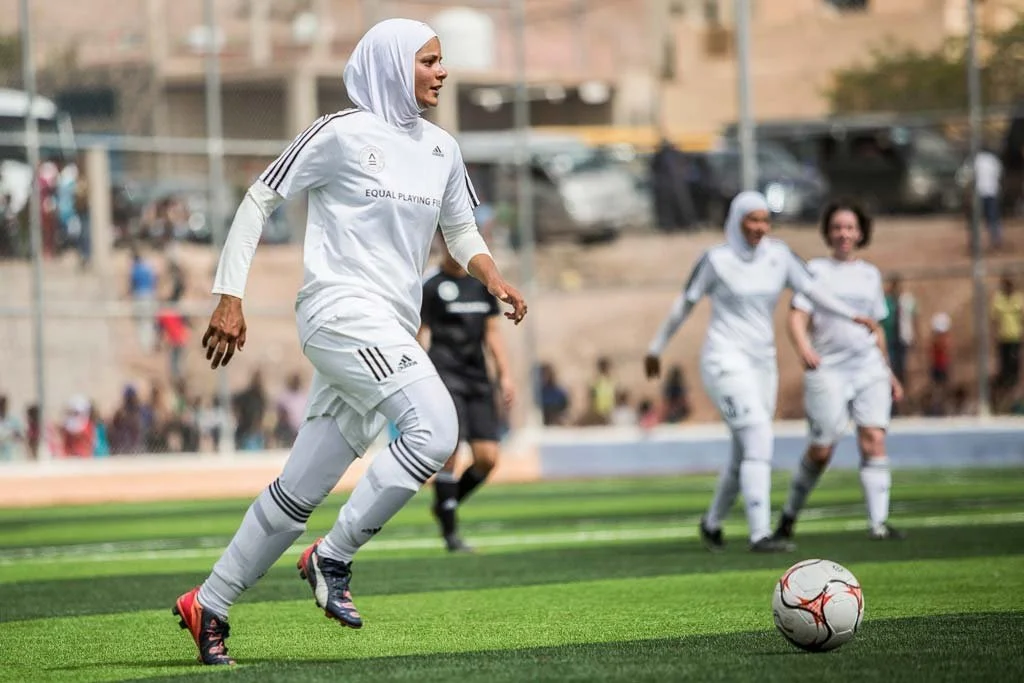
I remember a turning point early on when I was coaching a youth football group in Western Sydney. On some days, we didn't have enough girls, so we had to merge the girls' and boys' groups. I noticed an immediate shift. The girls would instantly move into the background. They would stay in goal and wait passively for the ball to come to them. Meanwhile, the boys were focused on winning, passing to each other, and pushing forward.
Instead of telling the girls to be more confident or get involved, I realised I needed to change the ecosystem of the game. I introduced a simple rule change where, if a boy scored a goal, the next goal had to be scored by a girl for it to count.
Almost instantly, everything changed. The boys started scanning the field and passing to the girls, and the girls stepped up because they knew the team literally couldn't win without them.
For me, that was a profound lesson. We sometimes view young people through a deficit lens. Young people do not lack potential. They often lack permission or the structured conditions needed to participate and lead.
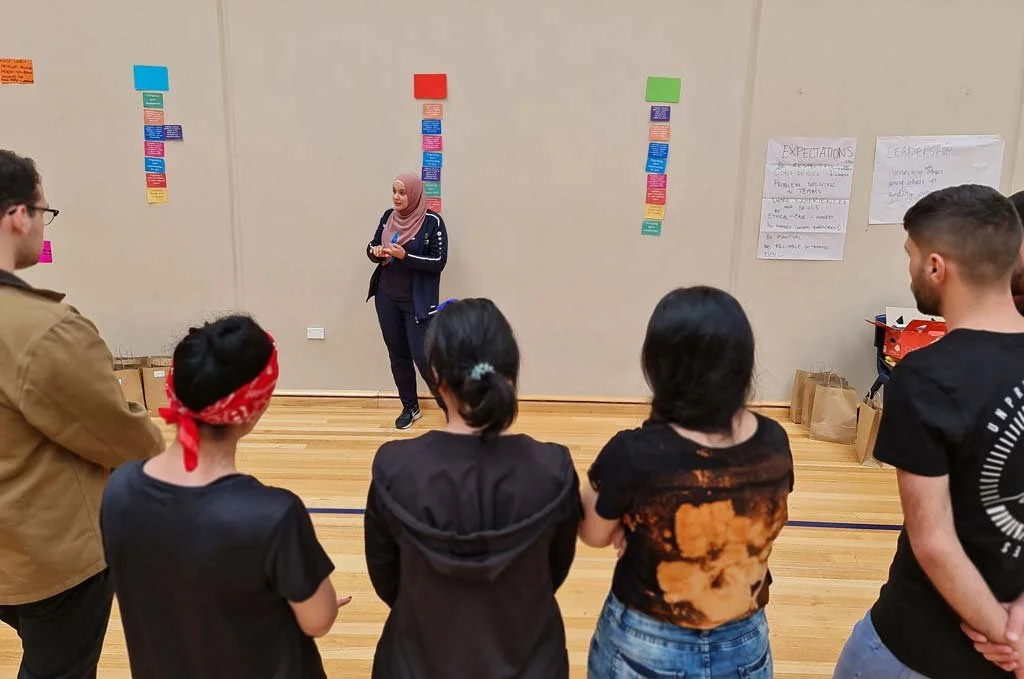
That's why social enterprise appeals to me. It allows us to be innovative and agile, and to focus on changing the rules of the game, so to speak, in order to create long-term, measurable impact.
As the Chief Operating Officer of Creating Chances, can you please share more about this social enterprise and its mission?
At Creating Chances, we're a social enterprise that exists to inspire, develop and equip young people to realise their potential and drive positive change.
Our journey began in 2014, and today we've scaled to reach more than 10,000 young people annually across New South Wales and Victoria.
To understand why we do this work, we have to look at the realities facing young people today. We're navigating a significant youth mental health crisis. There's disengagement from school, a rise in antisocial behaviour, inequitable access to opportunities, particularly for young people in low socioeconomic, regional and remote communities, and an increasing uncertainty about the future. We see disconnection from society as a cycle unless something intentionally interrupts it, and we perceive ourselves as an organisation that exists to interrupt that cycle.
We have a multitude of programs because we don't believe in a one-size-fits-all approach. One example that recently came from a school stakeholder involved a group of high school girls who simply couldn't stand each other. There was constant friction within the cohort participating in our program.
By placing a facilitator into that environment who showed up every week with a calm, positive and consistent approach, even when challenged, the dynamic shifted. Teachers later told us these girls had made leaps and bounds. They were kinder, solving problems together and building genuine resilience. We took a group that was fractured and tense and helped create a sense of belonging.
Essentially, we use the universal language of sport and experiential learning to build critical life skills. Our core framework is a youth development pathway that we evaluate annually in partnership with the University of New South Wales.
The pathway takes students through a scaffolded experiential journey, beginning in primary school and continuing through high school. Students participate in a program called Champions, which focuses on building self-awareness and resilience. They can then progress into the Coach program, which centres on leadership and community engagement, followed by Future Pathways, which develops work readiness, interview skills and career capabilities.
We also run a school-based traineeship where eligible students can join our paid facilitation team. We don't believe in a one-size-fits-all approach. We practise an inclusive, human-centred methodology, and sport is not necessarily the outcome. We always want to start with the human and the specific community first.
To give you an idea of how our work operates, it sits across three key pillars:
The first pillar is that identity is a protective factor. We have a specific program working with Pasifika young people who are experiencing disengagement and disconnection from traditional culture. We apply inclusive design principles because we want young people to understand that identity is not a silo.
Our Pacific Waves program is an intergenerational school initiative that brings together community elders and blends art, fashion, food, music and dance alongside sport. We find that when a young person has a strong sense of cultural identity and belonging, it acts as a shield. It empowers them to make positive choices and helps them navigate life's challenges with confidence.
The second pillar is values-based pathways. This program focuses on girls from culturally diverse and First Nations backgrounds across regional and metropolitan New South Wales. It runs over 20 weeks, with the first 10 weeks focusing on values and the development of core social and emotional skills.
The second phase is a 10-week student-led sports coaching program. Participants learn how to be coaches and leaders, design inclusive games, and deliver those activities to local primary school students in a safe-to-fail environment.
The third pillar is deep regional collaboration, which is an ever-growing area for us. In regional communities such as Tamworth and Gunnedah, we work intensively to promote safe communities and create education and employment pathways for First Nations young people.
We avoid the fly-in, fly-out model wherever possible. Instead, we build strong localised teams on the ground, co-designing programs alongside local high schools and working closely with community partners.
In this region, we work with the New South Wales Rugby League, which has established trust within the community. Together, we co-deliver programs using our methodologies. We also engage school-based apprentices, ensuring young people gain access to genuine paid career pathways.
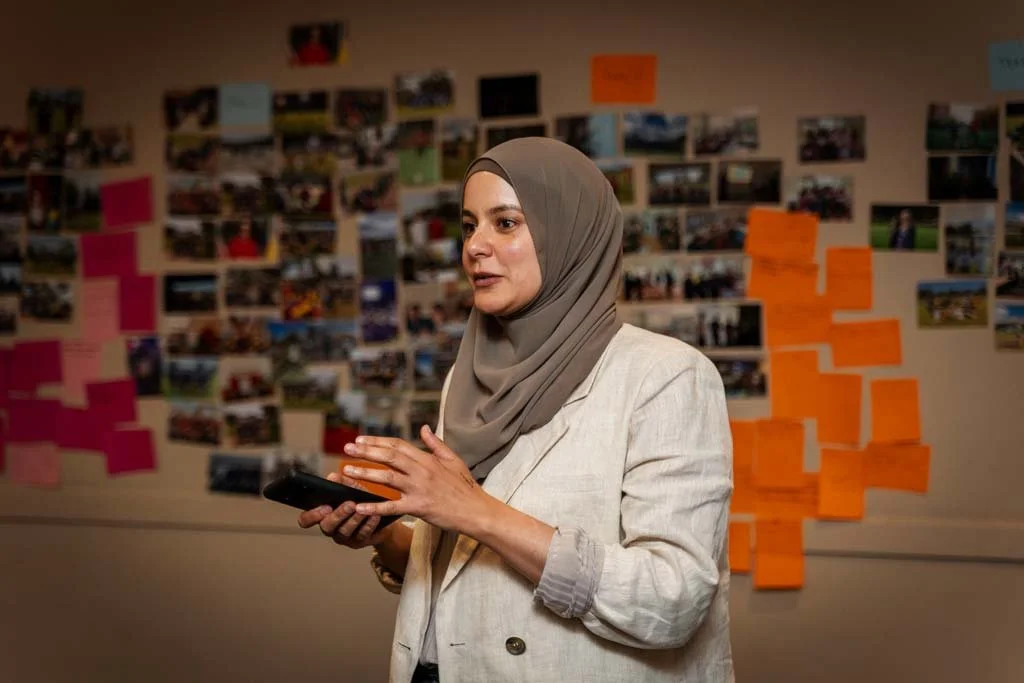
Ultimately, this is the ripple effect we aim to create and the reason we do this work. Whether through corporate funding, strategic grants from organisations such as banks, or partnerships with local school networks, the goal remains the same.
Many of our funding partners are passionate about supporting programs that align with the United Nations Sustainable Development Goals, including quality education and reducing inequalities.
Our focus is always on creating a ripple effect by connecting young people with mentors, introducing them to opportunities, and then empowering them to take the lead. They return to their communities equipped with the skills, confidence and experience they have developed along the way.
Where do you see key opportunities to empower young people, build resilience and help prepare them for the future?
There is a significant opportunity right now in experiential and non-traditional career pathways, as well as youth-led advocacy.
One of the biggest challenges, but also one of the greatest opportunities, is bridging the gap between young people and the rapidly evolving corporate and technology landscape. If we can build resilience in young people today, we're also helping them develop adaptability, agility and critical thinking, all of which are essential workplace skills.
We need to create spaces where young people are not simply passive recipients of programs but active designers of social change. That means providing genuine agency through project-based learning, design thinking approaches, and psychologically safe environments where they can innovate, fail, learn and iterate. When young people are given real responsibility and even paid pathways, resilience develops naturally through experience. They begin to build confidence through doing rather than simply being told what they are capable of.
That's where I see a real opportunity for organisations and institutions to embrace youth voice and meaningful youth engagement. By involving young people in decision-making and giving them ownership over solutions, we create stronger outcomes not only for young people themselves but for the communities and systems they are helping to shape.
As a speaker at the Social Impact Summit, what are you most looking forward to?
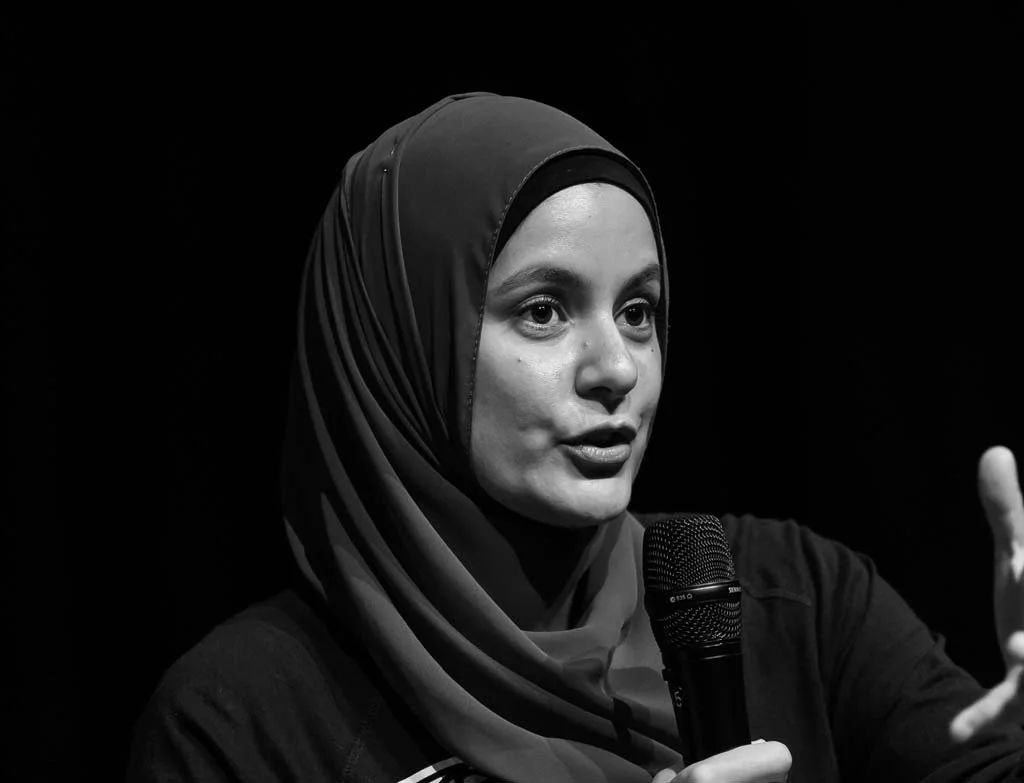
I'm excited to be facilitating a panel discussion examining systemic pathways for young people.
Our goal is to shift the conversation away from temporary programs and towards integrated support structures. Joining the discussion will be some of our former trainees who began their journey as primary school participants before progressing into school-based traineeships.
They'll share some of the systemic challenges they faced in accessing opportunities and discuss how they are now balancing university studies alongside part-time roles with our team and other organisations.
Together, we'll explore effective strategies, identify gaps within the system, and discuss collaborative approaches that can drive meaningful change.
The other aspect I'm particularly excited about is the summit's theme of clarity. In a world that feels increasingly complex and fast-moving, it's a rare opportunity to cut through the noise and be in the same room as like-minded, values-driven people.
I'm looking forward to engaging in cross-sector dialogue and sharing space with people who are actively focused on the "S" in ESG — the social dimension. It's an opportunity to explore how we can collectively scale lived experiences into meaningful change across the country.
What are some of the most important traits you see amongst people working in the impact and social change spaces?
This is a topic I love reflecting on personally and discussing with our team. If I had to narrow it down, I would highlight three key traits.
The first is listening and humility. Our role is not necessarily to be the voice for the voiceless. Instead, it's about handing over the microphone so young people can lead the way and ensuring people who are not usually on stage have the opportunity to share their voice.
Humility also means committing to continuous learning as leaders. The youth and social impact sectors evolve rapidly, and we need to remain perpetual students. We have to stay informed about new approaches to measuring impact, shifts in youth culture, and developments in areas such as artificial intelligence.
What worked three years ago may not be what young people need today. That's why we're constantly learning, adapting and upskilling.
The second trait is being what I would call an ecosystem designer.
We need people who can navigate complex systems, understand interconnected challenges and redesign the rules of the game without becoming overwhelmed by the scale of the work required. We can't expect young people to thrive in broken systems and then blame them when they don't. We need to be willing to examine the structures around them, whether that's within schools, businesses or community programs, and redesign those systems so everyone has a clearer pathway to participate and succeed.
The third trait is balancing operational excellence with empathy. In my role as Chief Operating Officer at Creating Chances, a significant part of my work focuses on operational excellence. However, that must be balanced with empathy. We need to build cultures that are psychologically safe, diverse and inclusive, while also maintaining strong business acumen and robust operational frameworks.
That means looking at the bigger picture, making smart long-term decisions, managing complex budgets across multiple funding sources, and ensuring the organisation remains financially and operationally sustainable.
Ultimately, it's about building strong systems. It's about creating an engine room of effective policies, procedures and processes that keep everything running smoothly, so the passion driving the mission is always supported by strong performance.
What inspiring projects or initiatives have you come across recently creating a positive impact?
I'd like to use this as an opportunity to highlight some of the unsung heroes doing incredible work in our communities.
Many of them are our community partners, including SydWest Multicultural Services in Blacktown and the Community Migrant Resource Centre in the Parramatta and Holroyd regions.
We collaborate closely with these organisations to deliver programs for at-risk young people because they bring deep expertise in cultural settlement, language support and family casework. While our programs are designed to build capability and connection, there are often needs that extend beyond a young person's involvement with us. These organisations provide critical pathways to additional support and services, ensuring newly arrived communities feel safe, supported and connected.
There are also several organisations driving meaningful systems change through a grassroots lens.
Savannah Pride uses basketball as a powerful vehicle for education and leadership development among South Sudanese young people.
Collective Leisure, which is also a social enterprise, is tackling health inequity by creating more inclusive and accessible wellbeing initiatives.
STARTTS provides world-class trauma-informed psychological support and healing programs for young people from refugee backgrounds. They continually innovate and deliver outstanding services, sometimes alongside us and often in spaces where we are not directly involved.
This is a genuine shout-out to the organisations doing remarkable work on the ground every day. They are creating lasting impact within their communities and helping build stronger pathways of support for young people and families.
To finish off, what books or resources would you recommend to our audience?
This was a tough question because I love reading, but these days most of my reading happens through audiobooks and podcasts while I'm on the move.
There are two resources I particularly wanted to highlight.
The first is Getting to Maybe: How the World Is Changed, which was recommended to me by the founder of Football United, Dan Bundy-Burrus. The core idea of the book is that complex social challenges cannot be solved through top-down plans alone. Real systems change is about shifting a situation from seeming impossible to becoming possible. While we can't completely control outcomes, we can intentionally create the conditions that allow new realities to emerge.
Using a football analogy, a coach can't script every bounce of the ball or predict every reaction from the opposition. What they can do is create the conditions for success. They can design the formation, build trust within the team and prepare players to respond effectively. Once the whistle blows, however, the players must adapt to the game in real time. For me, that's what systems change is about. It's about designing environments that enable positive outcomes rather than attempting to micromanage every aspect of the process.
The second resource comes from a more operational perspective. When I was promoted to Chief Operating Officer, I remember thinking, "What does this role actually mean?" Even after completing an MBA and accumulating years of experience, I still found myself questioning my capabilities and looking for opportunities to learn.
A resource that proved incredibly valuable was Second in Command: Unleashing the Power of Your COO, along with the podcast episodes that support the book.
The book explores how strong operational leadership can reduce organisational chaos by establishing predictable rhythms and effective systems. It looks at practical questions such as how teams operate on a daily, quarterly and annual basis, how staff performance is supported, and how organisations maintain focus while scaling.
For me, the key lesson was that creating scalable and sustainable social change requires strong operational foundations. Passion and purpose are essential, but they need to be supported by clear systems, consistent processes and organisational discipline.
That book was gold for me and remains one of the most valuable leadership resources I've come across.
Initiatives and people mentioned on the podcast
Recommended books and Resources
Getting to Maybe: How the World Is Changed by Frances Westley, Brenda Zimmerman & Michael Quinn Patton
Second in Command: Unleashing the Power of Your COO by Cameron Herold
On Episode 642 of Impact Boom, Margaret O'Brien of Telstra Foundation discusses how youth-led innovation and entrepreneurial education can drive systems-level change, and the value of cross-sector partnerships, purpose-driven leadership and collaboration in shaping the future of impact.