
Valerie Won Lee On Turning Complex Global Environments Into Actionable Social Impact Strategies
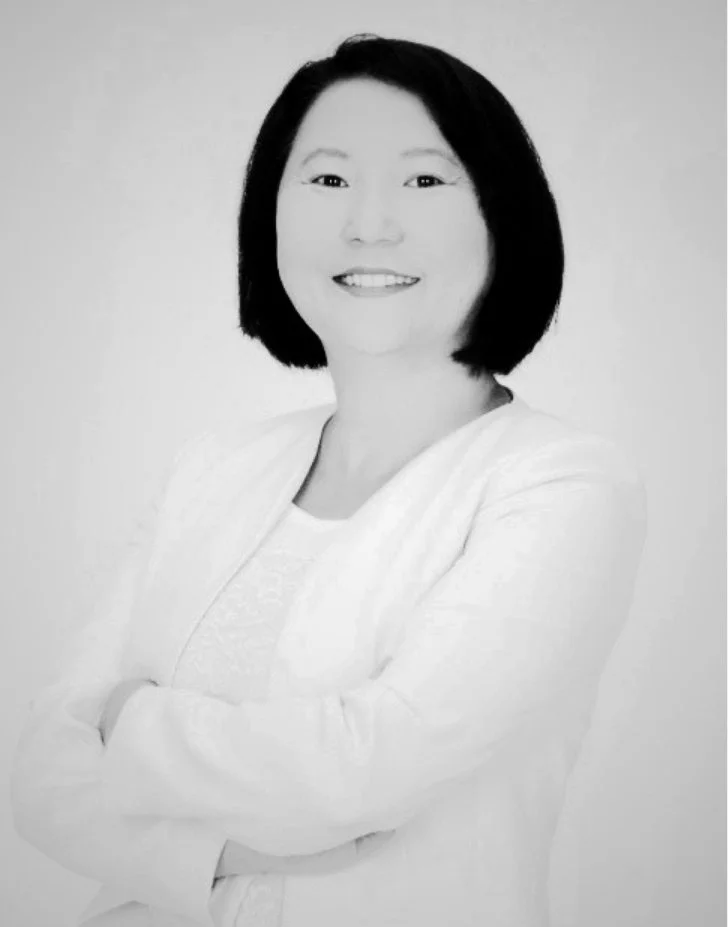
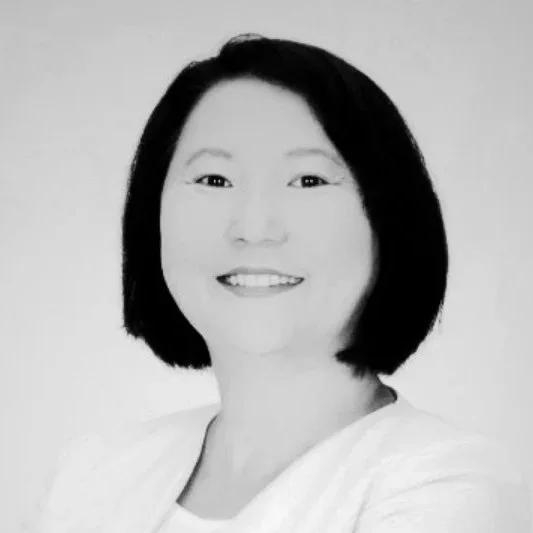
Valerie Won Lee is an award-winning global impact strategist, keynote speaker, and author of the Amazon #1 New Release Social-Impact-Global: Turning Obstacles Into Bridges.
Her work focuses on leadership, collective intelligence, and decision-making in complex global environments. She is the creator of the Social–Impact–Global (SIG) Framework, which helps leaders align social purpose, measurable impact, and global collaboration.
Valerie has spoken at international platforms including the QS Higher Ed Summit APAC, South Summit, as well as leading universities such as Bristol University, Johns Hopkins University, and Korea University. She is also the founder of World Citizen Artists, a global initiative connecting artists and changemakers globally, and the WomenTech Network Global Leader for the APAC region.
Her career has included work connected to the United Nations Global Platform for Big Data through the British Civil Service. She is the recipient of the WomenTech Network Gold Award, Leader of the Year 2025 and was named among New In Asia’s “Top 10 Voices to Follow in South Korea.” Based in South Korea, she works internationally with leaders, institutions, and global networks.
Valerie discusses navigating constraints and global complexity, aligning diverse stakeholders, and leveraging collective intelligence and practical frameworks to drive meaningful, scalable social impact.
Highlights from the interview (listen to the podcast for full details)
[Indio Myles] - To start off, can you please share a bit about your background and what led you to working in social impact and social enterprise?
[Valerie Won Lee] - I think in my case, I was more destined to have this kind of career. It’s not something I really chose, it just happened along the way.
Long story short, I was adopted to France. I’m originally South Korean, and I was adopted at the age of eight months. When I was one and a half years old, my adoptive mother passed away, so I had quite a challenging upbringing in a small town in France where foreigners were not common.
At the age of 11, I started reading psychology books because I was experiencing a lot of discrimination. From a very early age, I began to understand the complexity of society, and also the impacts of war. The discrimination I experienced was closely connected to the Vietnam War, which influenced many of the movies being shown on television in France at the time.
At school, I was often referred to as Vietnamese and treated as the enemy, so I had to learn from an early age how to navigate the complexity of society. Through that process, I gradually gained confidence.
Later in life, at the age of 19, I took a sabbatical year to travel. It was a time when travel was more accessible and less expensive than today, with many opportunities to see the world.
I travelled extensively and had a good life during this time. I was quite a strong person because of my childhood experiences.
I found jobs easily in the luxury industry, and I managed to work with Alberta Ferretti and LVMH. I would work for a year or two, save money, and then go travelling again. It was a nice life, but over time I became more curious about the world.
I wanted to see more than just tourist destinations, so I began travelling to more remote areas where I started to witness greater levels of poverty. By accident, I found myself in an area experiencing civil war. I stayed in a village that was about seven kilometres away from a bombing that occurred on the same night.
That experience was my first real wake-up call. I realised I wanted to do something to create a positive impact and make a difference, but I didn’t know how.
At the time, although we had the internet, there wasn’t much information available. Opportunities for volunteering existed, but they were mostly limited to well-known large organisations or smaller ones you encountered while travelling.
I spent a few years searching for where I could volunteer, specifically looking for the most challenging environments. I felt that if I was going to donate my time, it needed to be meaningful. I wanted to make a real difference, not just volunteer for the trend.
Eventually, I found a place in Central America, in the largest landfill in the region. The organisation is called Safe Passage, and I’m still in contact with them today. They help children access education and support families by providing food and clothing.
My role was to assist teachers who were educating children living in gang-controlled areas, where children as young as seven or eight had to join gangs for protection. Families were earning around $4 a day, and after extortion, they were left with about $2 to survive.
It was a real eye-opening experience, and even more so when I reflect on their success. They recently celebrated their first student becoming a doctor. That experience marked the beginning of my journey into social impact.
Can you share more about your work as a keynote speaker and global impact strategist?
When I returned from my travels, I wanted to make a difference, but I still didn’t really know how. I joined the tech industry because I understood that’s where the power would be in the future.
At the same time, I contributed to fundraising missions and started combining my skills and knowledge. Alongside this, I had a strong passion for art. That’s how I began building an organisation called World Citizen Artist, which promotes humanitarian issues through art and music.
That’s essentially my background. Later, I was invited to work with the United Nations and the British Civil Service, and more recently I became the APAC leader for the WomenTech Network.
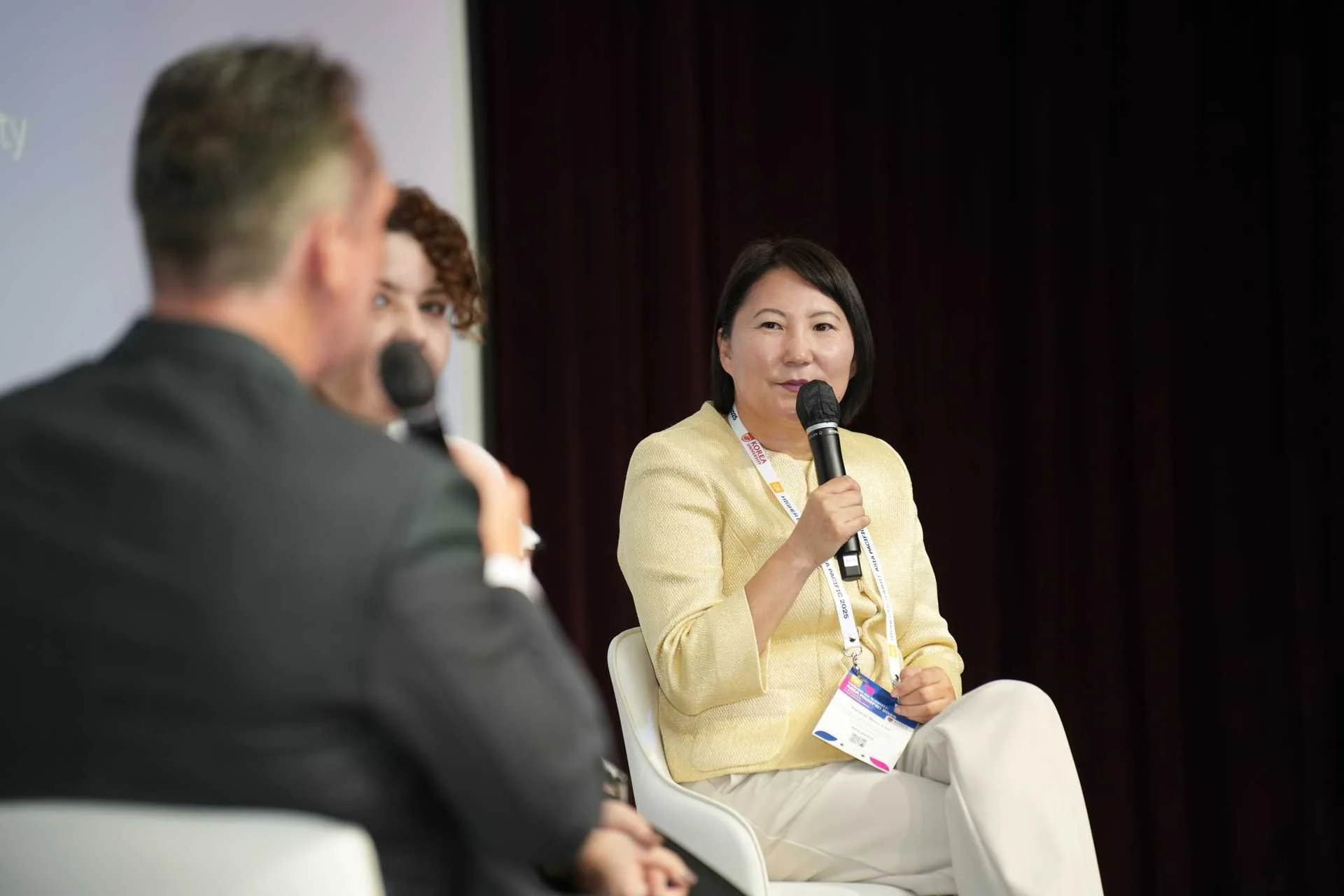
Nowadays, I’m invited to speak as a keynote speaker because we are living in a very challenging time; when you turn on the news, you can see what’s happening around the world.
The challenges exist at every level, and we are constantly operating under constraints, especially within non-profit organisations, but also for entrepreneurs. Companies no longer know where to place their focus and attention.
It’s not just war, but also the rise of AI and a generation (Gen Z) that wants something completely different from previous generations. We are navigating an increasingly complex world, and I believe that’s why it is important for people like me to step onto the stage and share how to lead in times of constraint.
Can you share more about the Social Impact Global framework and how it helps leaders navigate complex challenges?
Through my career across humanitarian work and corporate environments, I’ve had varied experiences. I came across many situations where leaders had very good intentions, but their efforts still failed.
The reason is not because they are incompetent, or because they have the wrong intentions, or even because they don’t understand their audience. It’s usually because the combination of strategy is not done in the right order.
Often, companies and organisations focus on impact first, and stakeholders tend to be treated as a smaller component. This is starting to change. You can now see more stakeholder engagement roles in job adverts, which shows there is growing recognition of its importance.
When times were easier, it was possible to focus primarily on impact and scaling impact globally. Now, we live in a more complex and divided society, and it has become essential to ensure broader inclusion of stakeholders. At the same time, it’s impossible to include everyone, because not everyone agrees on how change should be made.
I saw this when I built my organisation as an artist. Within three months, we had around 10,000 followers, but those were 10,000 individuals with different perspectives and agendas.
Some people would contact me to promote their religion, others their political views, or to criticise opposing sides. That’s when you realise you’re not going to please everyone, and the real question becomes how to stay focused on achieving your mission.
For companies, it’s much easier if you’re selling something like comfortable, beautiful trainers. You can make mistakes, and even if people boycott you temporarily, you will still sell your product.
If you’re running a non-profit organisation, a mistake can have far greater consequences. The people who truly need your work are not the investors or the funders, but the communities you serve. That means you need to be much more aware of the social context and sensitivities of your audience.
Today, even companies selling products are facing new expectations. Gen Z, for example, is far more conscious about the future and the power of their purchasing decisions.
The social dimension is becoming increasingly important across all sectors, and that’s why I created the Social Impact Global framework. Working across different environments, I noticed people were using multiple frameworks and often becoming overwhelmed. Starting with a strong, simple foundation can make a significant difference. Of course, additional frameworks are still useful but having a clear and solid base is essential.
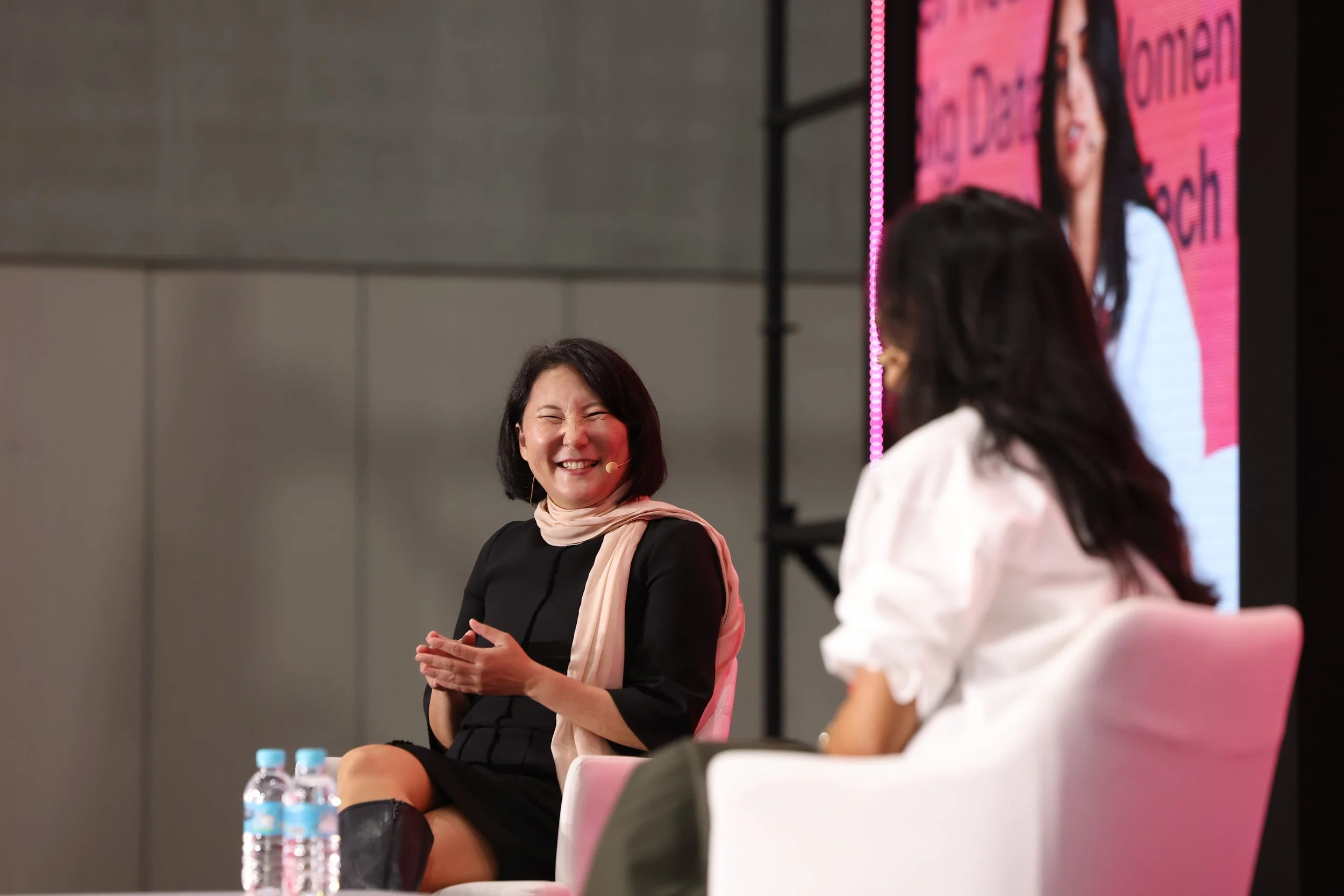
What have been some of your biggest learnings in terms of bridging divides, managing stakeholders, and aligning diverse perspectives?
The biggest learning is that in everything you do, there are going to be sacrifices, so you need to understand the trade-offs.
You need to be asking what you are willing to sacrifice to achieve your goal, and how you manage those sacrifices. When those sacrifices involve human relationships, it becomes complex, so the challenge becomes how to communicate decisions in a way that keeps people motivated and aligned, even when difficult trade-offs are involved.
Why is collective intelligence so important in today’s interconnected world, and how can organisations better harness it to drive innovation?
At the moment (and this may not always be the case because AI is evolving very quickly), no single individual or AI system has enough perspective to navigate today’s level of complexity.
We need groups of individuals and AI agents working together to go deeper into solving problems. When you look at the world today, it’s clear we’re not fully there yet.
We need new ways of building systems where everyone has a voice, especially as technology continues to evolve. The challenges we face are growing rapidly, so we also need to increase our pace in solving them. This requires more structured thinking across diverse perspectives. We need to create environments, almost like laboratories of collective intelligence, where better decisions can be designed.
It’s no longer just about meetings. It’s about how we can make good judgements. AI can provide multiple perspectives, but ultimately, we still hold the responsibility for decision-making.
While we may not always have that control in the future, right now we do. In doing so, we are also training AI. If we want to build a better world, we need to train ourselves as well.
Collective intelligence is about combining human judgement with AI capability, and ensuring diversity is not only cognitive or demographic, but also connective. It’s about bringing together different minds, cultures, generations, and sectors to build a stronger, more unified system.
Are there opportunities to strengthen partnerships and scale purpose-driven organisations globally?
I think the opportunities (although it may sound broad) are everywhere at the moment. We are living in a different phase of the world, and every sector needs to review its model. Whether it’s academia, the public sector, the private sector, or executive leadership, everyone is being challenged to rethink how they operate.
I would say one of the key areas where partnerships need to strengthen is in leadership and decision-making. One person alone can no longer make the best decisions, especially as AI becomes more integrated into how we work.
For example, in the first lab I launched, we brought together students, professionals, industry leaders, and NGOs. Each group had access to AI, as well as the Social Impact Global (SIG) framework that I provided.
What was interesting was that no group approached decision-making in the same way. Some relied heavily on AI, some trusted it entirely, and others chose not to use it at all.
The results were fascinating. Out of eight groups, three came up with the exact same idea and project despite using completely different approaches and decision-making processes, but all working towards the same purpose.
What advice would you give to emerging changemakers who want to make a difference?
I would say don’t wait for the perfect conditions or the perfect moment, because it will never come. You have to start where you are.
I started my first organisation in a 38-square-metre apartment with no funding, and we still ended up on stage at the Bob Marley birthday celebration. We had many opportunities to create impact with global audiences.
There is no perfect moment. You need to learn how to navigate constraints, because it is through navigating constraints that you will thrive when times are easier. If you don’t develop that ability, it will become increasingly difficult, because the world is not going to have fewer constraints, only more challenges.
If you train yourself to navigate these constraints, there are plenty of opportunities to make a difference and to succeed, not only in terms of impact but also in your career. There is a growing need for this work.
Social impact is no longer a luxury, it is a necessity.
What inspiring projects or initiatives have you come across recently creating a positive change?
The projects I’m always most fascinated by are those operating in highly constrained environments.
I mentioned one earlier from my time volunteering in the largest landfill in Central America. Another example is a project that started in a landfill in Paraguay, where people create musical instruments from materials they find in the waste.
You may have heard of them, they’re called the Cateura Project. There is also a film about them called Landfill Harmonic. They are now touring around the world, performing internationally. They’ve performed for UNESCO and even with Megadeth.
They perform using an orchestra of instruments made entirely from landfill materials, which is a powerful example of creativity under constraint.
It also highlights an important idea around collective intelligence. This kind of innovation doesn’t necessarily require AI, but it shows what is possible when people come together to solve problems in creative ways.
At the same time, I think with AI, we will begin to see even more projects emerge, ones we may not yet have imagined.
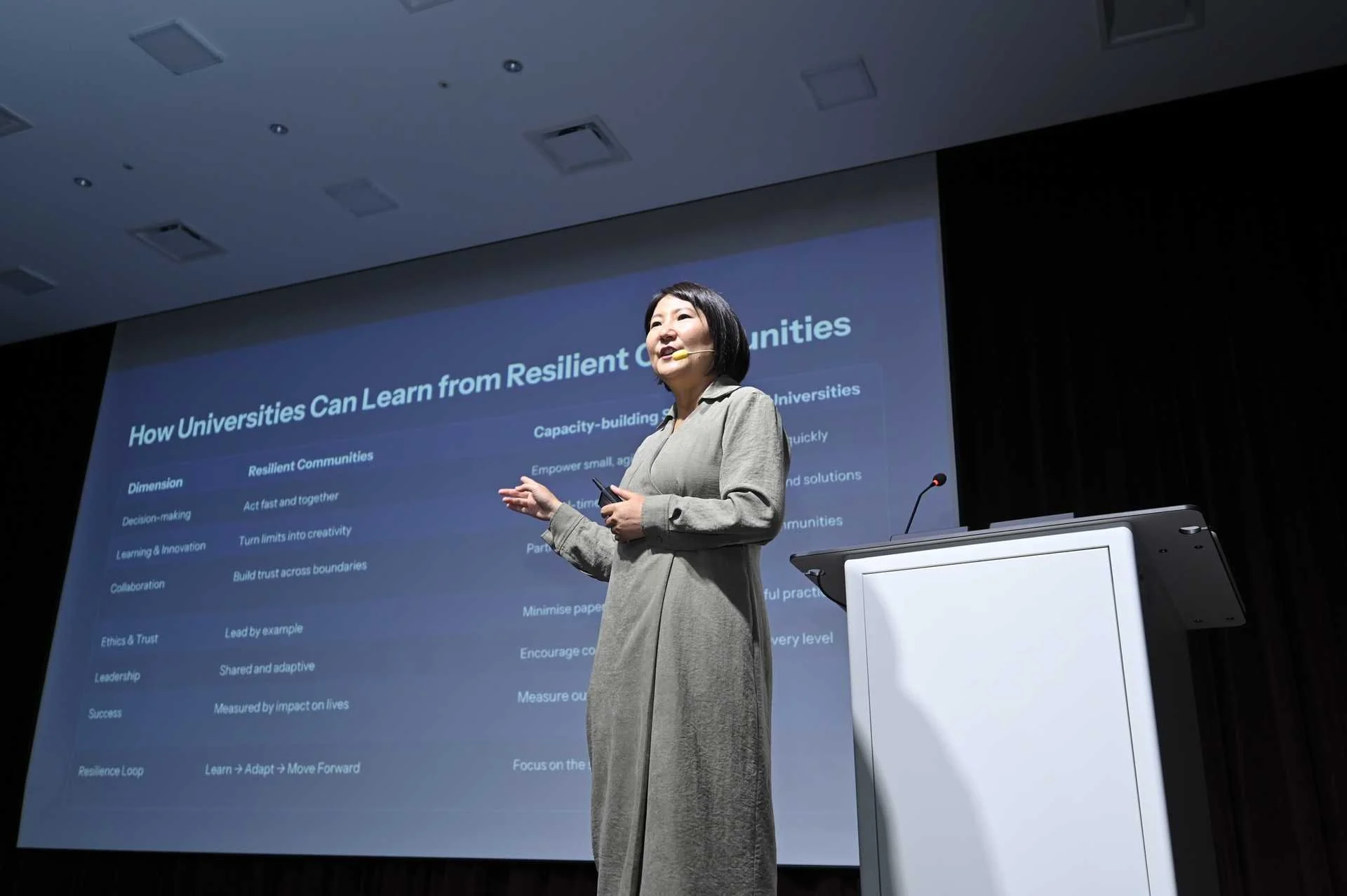
To finish off, what books or resources would you recommend to our audience?
I’d recommend The Enneagram by Helen Palmer for understanding people and motivations.
Thinking in Systems by Donella Meadows is also excellent for understanding how decisions ripple through systems.
And Sapiens by Yuval Noah Harari is great for gaining a broader understanding of human history and the context behind our choices.
Initiatives, Resources and people mentioned on the podcast
Recommended books
Social Impact Global: Turning Obstacles Into Bridges by Valerie Won Lee
The Enneagram: Understanding Yourself and the Others in Your Life by Helen Palmer
Thinking In Systems: A Primer by Donella H. Meadows
Sapiens: A Brief History of Humankind by Yuval Noah Harari

On Episode 646 of Impact Boom, Gill Whelan of Gill Whelan Projects discusses building authentic relationships between funders and social impact organisations, embracing risk and resilience, and shifting power dynamics to unlock stronger partnerships and greater philanthropic impact.