
David Sloan On Trust-Driven Philanthropy Systems And Translating Funding Into Sustainable Change
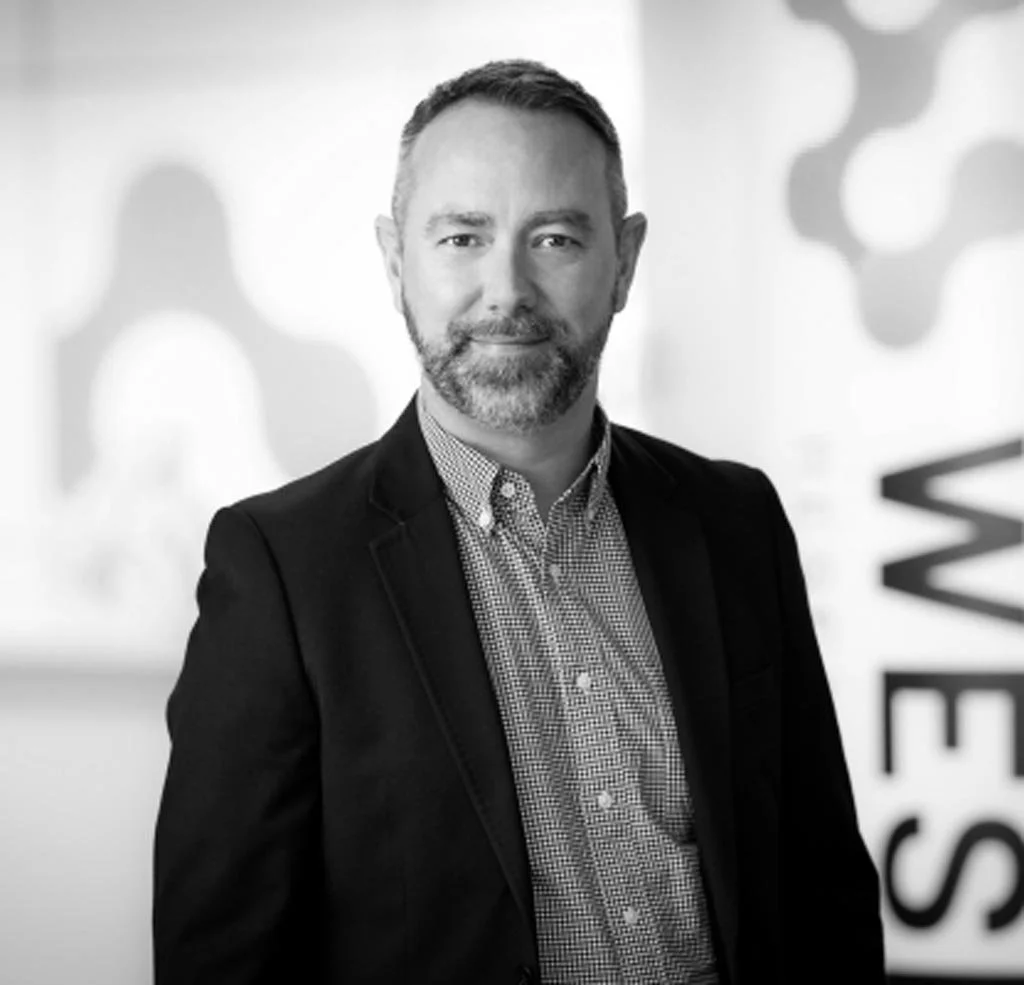
David Sloan is Head of Philanthropy at Wesley Research Institute in Brisbane, where he works alongside world-leading clinicians and scientists to fund discoveries shaping the future of healthcare.
A self-confessed “generalist,” his career spans community services, business development, policy, research, and fundraising across the UK, Europe, and Australia.
He currently serves on the Board of Pride Cup and contributes to The Giving Academy Advisory Committee (Centre for Social Impact).
Driven by curiosity, David is always exploring new ideas. He’s researched crisis communications in nonprofits and is currently hosting an “In Conversation With…” series spotlighting sector leaders. He’s also slowly writing a book (pipe dream).
Outside of work, you’ll find him at the beach, in the gym, or debating life over wine. Cake, however, remains his greatest motivator.
David discusses why philanthropy must shift from transactions to trust-based relationships, how clarity drives funding success, and the systemic barriers restricting purpose driven leaders from generating sustainable impact.
Highlights from the interview (listen to the podcast for full details)
[Tom Allen] - To start off, can you please share a bit about your background and what led you to working in philanthropy, fundraising, and social enterprise?
[David Sloan] - That’s a good starting point, isn’t it? We often want to understand our purpose and our why, but I do often describe myself as a bit of a generalist by design. For me, I’ve often followed problems that matter rather than having a neat and tidy career path.
That started out in the UK, working across different community programs, community development spaces, and social impact roles. What struck me early on was how close you are to real life. I know that sounds obscure, but in the social sector, it’s real life because you get to see how under par some organisations often are. There’s a persistent gap between the scale of the need and the way in which it is resourced.
Over time, that has taken me across different roles; from frontline services through to managing and leading services, and then into the community development space and social impact and social enterprise as well. Early on, even in the UK, I was looking at putting clear impact measures in place. I was involved a lot in social return on investment, which would have been around 2007 or so, and was quite a new concept at the time.
It was about measuring what people often call “soft outcomes”, a phrase I came to dislike, versus hard outcomes, but ultimately it was a way of demonstrating the impact of the interventions the social sector creates.
Over time, I moved into philanthropy because I became genuinely fascinated by the ‘why’ behind giving: what motivates someone to care and act in a way that contributes to something much bigger than themselves. That question has never really left me, and I don’t think it ever will, which is probably why I’m still here.
So yes, I’m a generalist through and through, but I love how that has given me a strong capacity to see and observe the full picture of an organisation. The connective tissue through all of that is people, trust, and the belief that well-directed resources can genuinely create positive change.
How has your role at Wesley Research Institute evolved, and what shifts are you seeing in the fundraising landscape?
At Wesley Research Institute (WRI for short), we are funding medical research that directly impacts patient outcomes. The stakes are really high, and the expectations should be high as a result.
When I joined two years ago, my role was to build out the philanthropy function from scratch. It was essentially a blank page. That meant setting up the strategy, systems, and structure. We’re now starting to see some strong outcomes and we’re identifying areas where we need to mature our practice further.
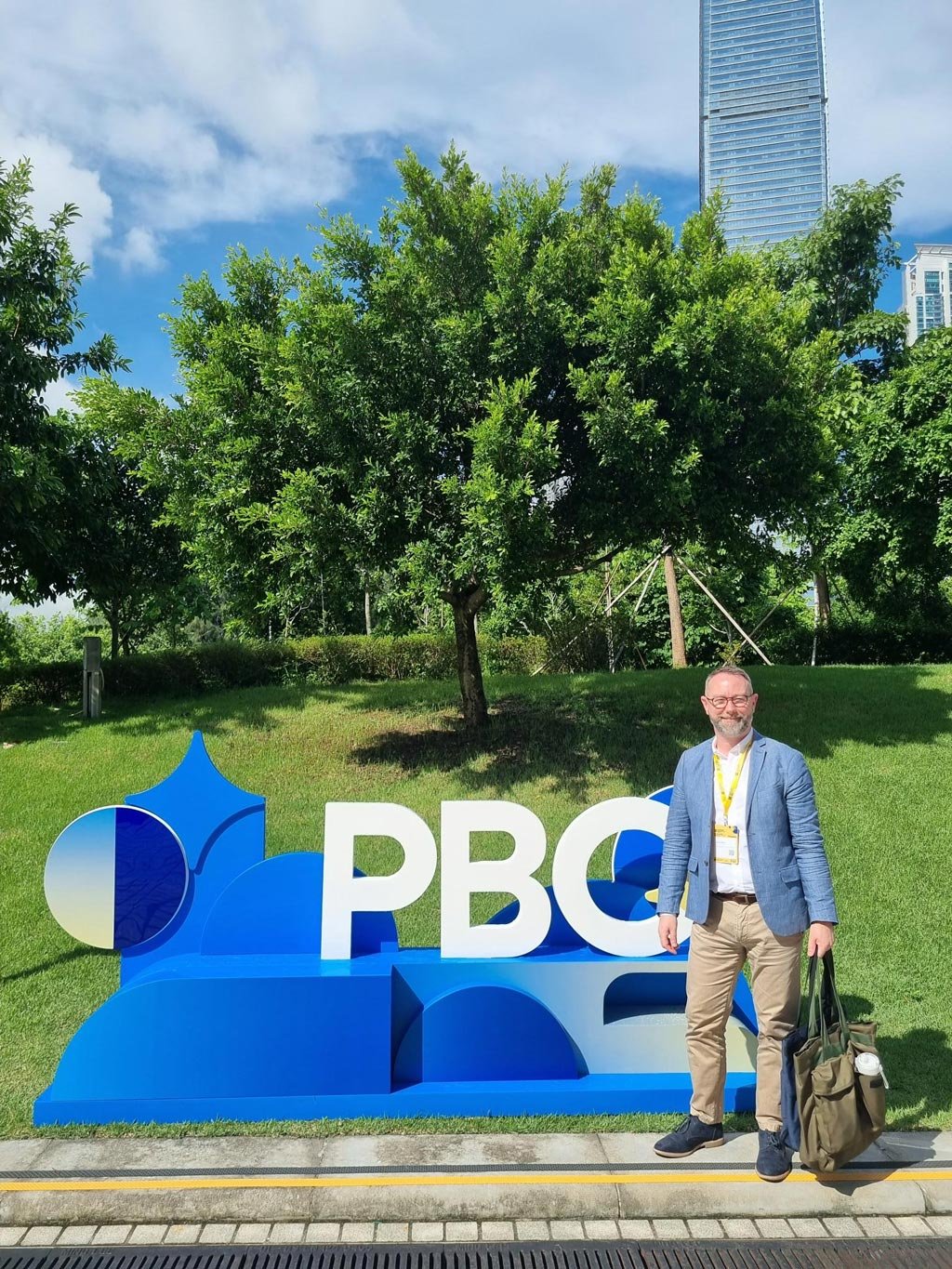
Some of that work has led to securing quite significant opportunities, including establishing Australia’s first Chair in Spatial Medicine. That’s a real focal point for the organisation as an innovation-led research institute.
In terms of what I’ve observed shifting, both within WRI and across the sector more broadly, donors are becoming much sharper. They are more informed, asking better questions, and seeking a genuine connection to the work. The sector’s response to this has been somewhat uneven.
The strongest purpose-led organisations have leaned into transparency and storytelling. However, there is still a tendency, particularly in research and health-related fields, to lead with activity rather than outcomes and impact. People are often telling others what they’re doing rather than why it matters.
I’ve sat with brilliant people, including researchers, doing extraordinary work, but when they’re asked to explain the funding need, it can become diluted or overly technical. That’s not a science problem, it’s a translation problem. I think that’s something that sits across the sector as a whole.
Clarity isn’t just a communications function, it’s a revenue strategy. There’s that adage (though I can’t remember who said it) that to be understood, you first need to be understandable. For me, that really resonates here.
There are also systemic issues across the sector. You’d have to be under a rock not to have seen the calls to action around medical research funding and how it’s structured, and the hoops organisations have to jump through. There’s a lot of short-termism baked into grant cycles, which can make sustaining philanthropic investment harder than it needs to be.
That said, I do think we’re moving in the right direction. There’s just a lot of real work still to be done.
The role of storytelling and clear messaging is incredibly important across sectors. Why does it matter so much?
It really is, because right now at Wesley Research Institute, we’re developing our three-year strategy alongside our impact measurement framework. It’s not just about what you’re doing or enabling, but how you’re measuring that impact at a societal level. What are the health economics? How is it supporting broader society?
That clarity then enables the whole organisation to step into storytelling; being able to clearly articulate who they are, what they do, and why it matters.
I think this applies across all sectors. When I look at Pride Cup, for example, it’s clear in its theory of change and how it achieves its goals. You can see the short-term and long-term activities that support its mission of driving equality in sport.
So yes, I think things are moving in the right direction, and there are some strong leaders helping to enable that progress.
What other traits define effective impact-led leaders, funders, or entrepreneurs beyond storytelling?
I think they’re the ones who don’t have all the answers. They’re the ones who build environments where better answers can emerge.
I’ve had the privilege of working with a lot of great people across the sector, and those leaders tend to listen well, stay curious, and are genuinely comfortable operating in uncertainty. These skills are essential, because most of the time we’re working within complex systems. If you’re not okay sitting in that uncertainty (or at least developing a healthy relationship with it), that becomes a real challenge.
Another key trait is the ability to ask better questions. You don’t need to be the smartest person in the room, but you do need to create space for others to contribute. When I build teams, I see them as a council.
I enjoy bringing together people with different perspectives, whether that’s through hiring, collaboration, or broader forums. It’s not the leader’s role to have all the answers, but to guide through the questions.
One of the questions I like to ask in conversations is, “If you were in an Oscar category, what would you be nominated for?” Personally, I’d say director, because you get to see everyone at their best. That’s a real privilege in leadership.
Another important trait is having a healthy relationship with imposter syndrome. I think it’s genuinely underrated. If you’re completely certain while working in complex systems, you’re probably missing something important. The leaders I respect most carry a degree of productive doubt, and I think that helps keep them grounded.
What advice would you give to purpose-driven leaders seeking funding, support, or program partnerships?
I’d encourage purpose-driven leaders not to treat fundraising or philanthropy as a transaction, but as a relationship. Philanthropy, specifically, moves at the speed of trust, not urgency. You can’t build that trust at the exact moment you need financial support. That work needs to happen long beforehand.
Here are a few practical things I’d suggest. Firstly, passion is great, but if I can’t understand what you do and why it matters within two minutes, then funding will always be harder than it needs to be. Clarity is an incredibly important, and often underrated, fundraising tool.
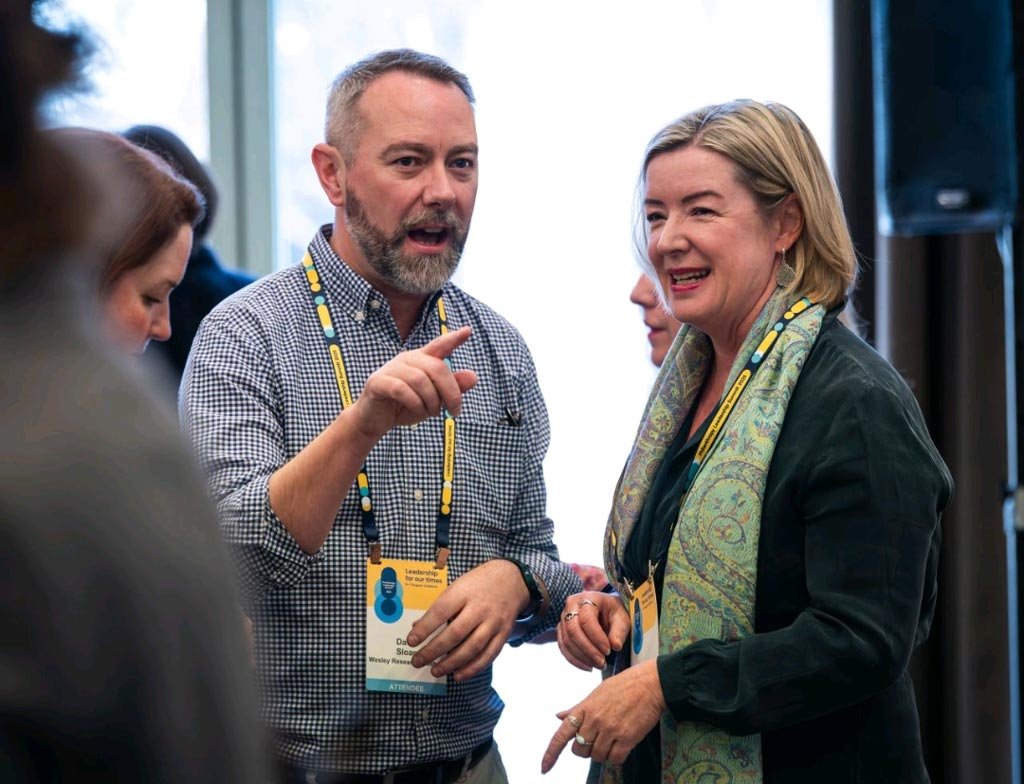
Secondly, most donors and supporters don’t wake up wanting to fund an activity. They want to help solve a real problem. I’d encourage impact leaders to lead with the problem rather than the process.
The most successful funding relationships I’ve seen and been part of are built over time. That means building relationships now for the future, rather than trying to assemble them during a crisis. Here’s another important point:
The sector needs to stop apologising for overheads. Organisations have been conditioned to hide infrastructure costs as though administration is somehow shameful, when in reality strong systems, good data, and capable people are what help make impact sustainable.
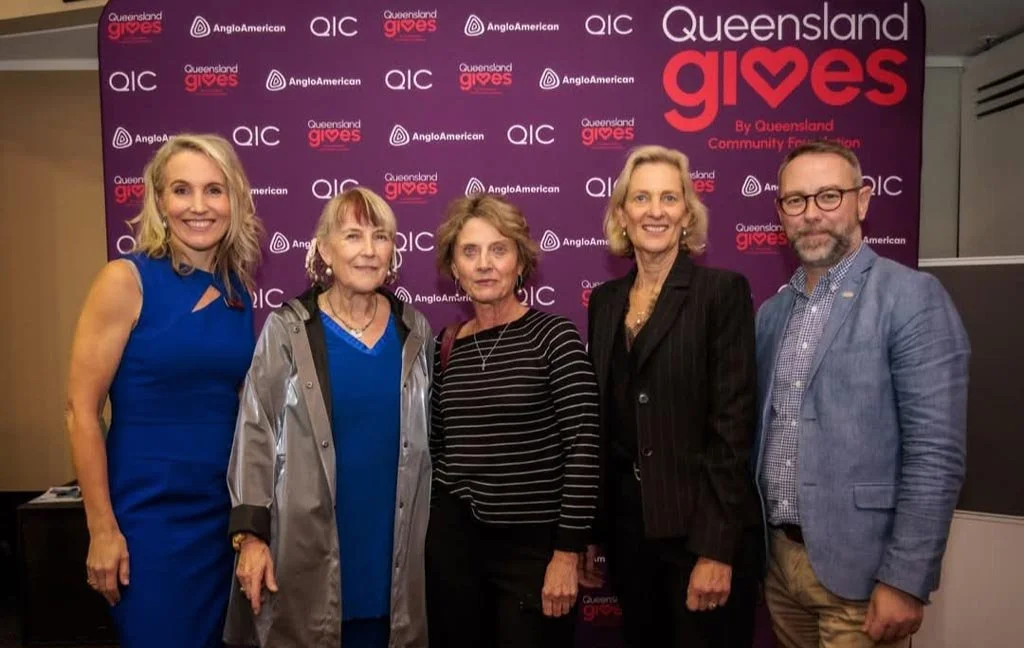
There’s been great work done in this area by initiatives such as the Reframed Overheads and Pay What It Takes movements. Funders also need to share responsibility here, because underfunding operational infrastructure while demanding impact measurement is a contradiction the sector has tolerated for far too long.
If you don’t fund the engine, you can’t be surprised when the impact stalls.
What do you think is holding the business for good movement back from becoming mainstream?
To a point, we’re still trying to retrofit purpose into systems that were never really designed for it.
The underlying incentives around short-term financial performance and siloed decision-making haven’t fundamentally changed. As a result, purpose often gets bolted on rather than built in.
The language can sound right, and what I’d almost call “impact theatre” can look convincing. Annual reports can appear compelling, but the day-to-day decisions don’t always follow through because of those siloed structures. Even in a funding context, philanthropy can sit within one team while impact sits somewhere else entirely, each with separate metrics and priorities, rather than shaping how the whole organisation operates.
People inside organisations recognise this disconnect, and how the gap between narrative and behaviour can erode culture over time.
The organisations that are breaking through are the ones where purpose genuinely acts as a decision-making filter rather than simply a communications strategy.
This being said, I am genuinely optimistic. I try to be optimistic generally, but I do think the pressure for change is building, and it’s not going away. We are moving in the right direction, but real systems change is usually messy. It’s often slower and more complicated than the headlines suggest.
There are also legislative challenges. Even when you look at things like the Productivity Commission report and the ongoing government responses to it, there’s still a lot of work to be done.
Equally, when I look at social enterprise, my optimism comes from initiatives like the Queensland Social Enterprise Roundtable and the work happening in that space. There’s some exciting momentum building.
It’s also an evolving space. To my knowledge, Australia still doesn’t have one universally accepted definition of what a social enterprise actually is, although I admit it hasn’t been my day-to-day focus in recent years, so forgive me if that has shifted. However, when you look at the UK and initiatives like the Social Value Act, I think there are definitely lessons Australia can learn from. I’m sure many of the social enterprise groups and committees here are already exploring that.
As I said earlier, progress is slower and messier than people often expect, but that’s okay because real systems change usually is.
We’re dealing with wicked problems, and often you don’t fully understand them until they emerge. Even now, several years on from the pandemic, we’re still unpacking the lessons and opportunities that came from it, much like we did following the GFC. The important thing is how we harness those learnings and apply them moving forward.
Working in medical research, you also become very aware that there will be another pandemic at some point. That can sound pessimistic, but when you’re surrounded by researchers whose role is to think about worst-case scenarios, it naturally shapes the way you see the world.
What inspiring projects or initiatives have you come across recently creating a positive change?
That’s always a hard question because it feels a bit like picking favourites. I’ll try not to choose organisations I’ve worked for or closely with, although I probably have to mention Pride Cup. I’ll acknowledge my bias there as a board member, but I genuinely think they’re doing important work.
What tends to interest me most is not necessarily the biggest or best-known organisations, but whether an organisation’s operations genuinely align with its mission day to day.
Act for Kids is one organisation that really stands out to me. They’re doing incredibly important work in child protection and trauma recovery, but what I particularly respect is how deeply they’ve embedded research into their practice. They’re not just delivering services; they’re building an evidence base that improves outcomes across the broader sector. That combination can actually be quite rare.
I also think they’ve stepped into storytelling exceptionally well over the past couple of years. They’ve produced some really engaging campaigns, including one centred around the idea of Snakes and Ladders to help communicate what it feels like to navigate support systems. The storytelling coming from the organisation has been genuinely strong.
Pride Cup is another example. Again, acknowledging my bias as a board member, what I admire is how they use community sport as a vehicle for inclusion and mental health support, particularly for LGBTQIA+ communities.
It’s an example of meeting people where they already are rather than asking them to come to you. The reach Pride Cup achieves through sport is something a traditional program could never replicate. At an education level, particularly across different sporting codes, I think it’s creating really meaningful impact.
Looking internationally, I was always incredibly impressed by Teenage Cancer Trust in the UK. I was fortunate enough to interview the outgoing CEO at the time, and what stood out to me was how they identified a completely overlooked cohort, young people with cancer who were falling between paediatric and adult healthcare services.
To build an entire organisation around that insight is a masterclass in identifying a gap nobody else is addressing. In many ways, Canteen Australia, which I did work for, has built a similarly strong model around that same understanding and support need.
More recently, through being part of the River North Community Fund, which Tom is also involved in, I’ve come to know A Brave Life. They’re a smaller organisation doing meaningful work with women navigating significant challenges, and what impresses me is their deeply human-centred approach.
They’re not trying to scale for the sake of scaling. They’re focused on getting the support right for the people directly in front of them. At the same time, Melissa, the founder and director, has partnered with the University of the Sunshine Coast to build strong evaluation and impact measurement into the organisation’s work, including publishing research and co-authoring academic papers.
What connects all of these organisations is clarity of purpose. That clarity tends to create stronger outcomes than ambition alone.
To finish off, what books or resources would you recommend to our audience?
I’ve never described myself as a ferocious reader, but I do read a lot. I’m usually listening to audiobooks as well, so I’m rarely without something on the go.
I read across a few different areas, leadership, psychology, and big ideas, so my recommendations are probably a little eclectic. I also love memoirs because they connect back to something I mentioned earlier: understanding who people are, where they’ve come from, why they do what they do, and what they’ve learned along the way.
I recently finished Ina Garten’s memoir, which I found fascinating. She’s a perfect example of someone who bought a business and transformed it into something much bigger. I found her career trajectory incredibly interesting, so I’d definitely recommend that.
Another book I keep coming back to, particularly because it’s so relevant to the work I’m doing at the moment, is Meaningful Philanthropy by Jen Shang. She’s a fantastic leader in the fundraising and philanthropy space, and the book is essential reading for anyone working in giving.
What makes it so valuable is its focus on the psychology of giving. It doesn’t just ask why people give on a surface level, but explores the deeper human motivations behind generosity, including the mindsets of entrepreneurial donors and supporters. It genuinely changed the way I think about donor relationships and how I engage with different individuals.
I also can’t recommend Range by David Epstein highly enough. It’s a book I wish I’d read much earlier in my career. His core argument is that generalists, rather than specialists, are often better equipped for solving complex problems.
Reading it was strangely validating for me. In fact, I remember immediately updating my LinkedIn profile to include the word “generalist” because I finally felt seen by the ideas in that book. For so much of my career, I’d felt pressure to pick a lane and stay in it, whereas my instinct has always been to swim across multiple spaces.
I think this book is especially relevant for anyone working in social impact because you’re constantly required to bridge different worlds. In my case, I’m translating medical research across a huge range of fields, whether that’s spatial medicine, coeliac disease, or something entirely different, while also understanding how to connect that work meaningfully to individual donors and what motivates them.
You’re constantly pulling different threads together, and Range captures that beautifully.
Ultimately, so much learning occurs through conversations. Some of the most valuable lessons I’ve had haven’t come from books at all, but from engaging directly with people, including authors themselves. I’ve been fortunate enough to reach out to some of them and have conversations about their work.
Like yourself, Tom, I’m naturally curious. I’m always asking, “Why?” and “Tell me more.” That curiosity usually leads to the next important question, which is, “How can I help?”
Initiatives, Resources and people mentioned on the podcast
Recommended books
Meaningful Philanthropy: The Person Behind the Giving by Jen Shang & Adrian Sargeant
Range: Why Generalists Triumph in a Specialized World by David Epstein

On Episode 646 of Impact Boom, Gill Whelan of Gill Whelan Projects discusses building authentic relationships between funders and social impact organisations, embracing risk and resilience, and shifting power dynamics to unlock stronger partnerships and greater philanthropic impact.