
Turbocharging Good: How Accelerator Programs Propel Purpose-Driven Enterprises to Sustainbility
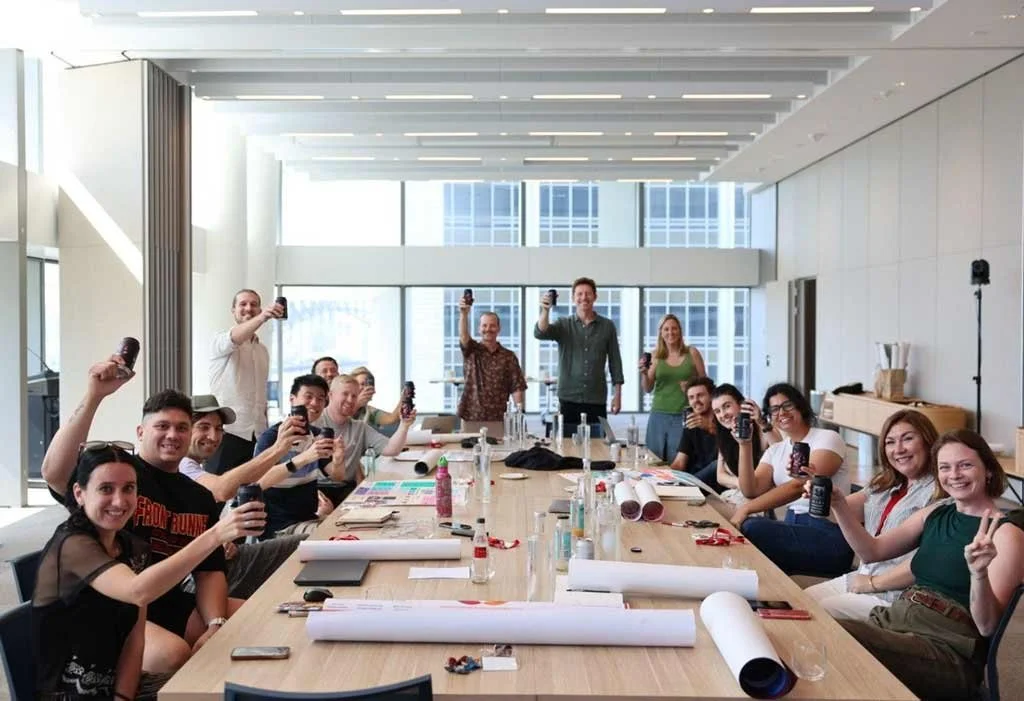
There is a moment, early in every social venture, where conviction meets uncertainty.
It is the point where a founder moves from knowing something needs to change to asking, how do I actually make this work? The idea feels urgent. The purpose (often) feels clear. But the pathway forward is anything but.
This is where many promising ventures quietly stall. Not for lack of passion, but for lack of connection, structure, support, accountability and space to think clearly.
Accelerator programs sit precisely in this gap.
Well designed programs do not simply speed things up. Instead, they [the good ones] create the conditions for founders to slow down in the right ways. To interrogate their assumptions. To sharpen their thinking. To move from instinct to intention.
Programs like Hatch: Taronga Accelerator Program, AMP Foundation’s Tomorrow Maker Programs and Elevate+ bring together early-stage social entrepreneurs tackling complex challenges across communities and ecosystems. What they offer is not just knowledge, but a recalibration. A chance to rebuild ideas so they can hold weight in the real world. And importantly, deep connection with others on the journey.
What emerges is not just better ventures, but more grounded leaders. People who are not only driven by purpose, but equipped to deliver it.
Drawing on insights from social entrepreneurs, this article examines how peer community, mentorship and structured learning empower founders to turn ideas into viable ventures, strengthen their impact, and scale solutions to complex social and environmental challenges.
Clarifying the “Why” Behind the Work
Many impact-driven founders and communities begin with a deeply personal motivation. A problem witnessed firsthand. A frustration that refuses to fade. A belief that something can be done better.
But early passion can sometimes blur focus.
Accelerator programs create space for founders to step back and ask harder questions. What is the real problem here? Who is being served? And what does meaningful impact actually look like?
This process of refinement can be uncomfortable, but it is essential.
Kimberly Bolton from Carapac captured this shift powerfully when she reflected that purpose alone is not enough. Intent matters, but impact is what ultimately counts.
This distinction reshapes how founders approach their work. It moves them from aspiration to accountability.
For Noah Davey, the experience of Elevate+ reinforced the importance of anchoring everything in a strong sense of purpose. That clarity becomes something to return to when things feel uncertain, which they inevitably do.
A well-defined “why” does more than guide internal decisions. It also shapes how a venture communicates externally. It helps founders articulate their vision to partners, funders, and communities in ways that resonate.
Accelerators support this process by encouraging reflection early. They challenge founders to test their assumptions before scaling them. And in doing so, they help transform raw passion into purposeful direction.
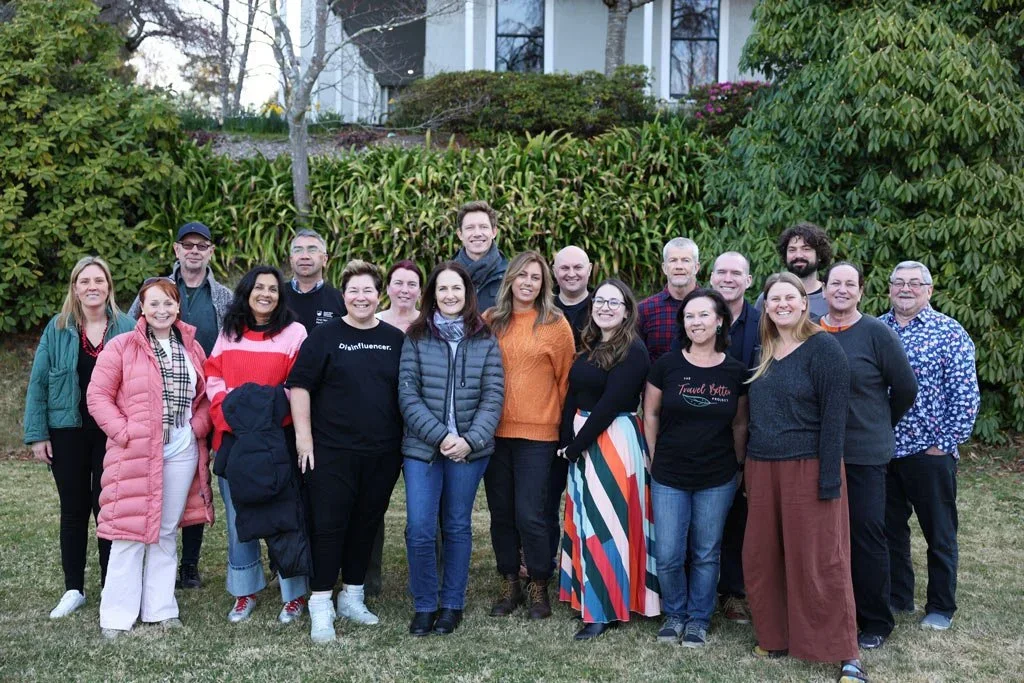
The 14 AMP Foundation SPARK 2023 Tomorrow Makers.
Building Structure Without Losing Soul
If purpose is the foundation, structure is what allows an impact-driven enterprise to stand.
Many founders enter the space driven by mission rather than business training. They are deeply committed to solving a problem, but less familiar with the mechanics required to sustain a venture over time.
Accelerator programs help bridge this gap.
As Alastair Duncan from Owls Eat Rats reflected, participating in the Hatch: Taronga Accelerator program was a turning point, introducing him to “networking and many core business concepts” that had previously been out of reach.
They introduce frameworks that make the complex more manageable. Financial modelling, legal considerations, pricing strategies, governance, design, branding, marketing. Each piece becomes part of a bigger picture.
For Matt Davey, this was one of the most valuable aspects of the experience. The program provided a sense of structure in what can otherwise feel like an overwhelming process.
Importantly, this structure does not dilute purpose. Instead, it strengthens it.
Amanda Shepherd from Green Fox Studio shared how participating in Elevate+ led to a significant restructuring of their organisation. By separating their not-for-profit and social enterprise activities, they were able to operate with greater clarity and effectiveness.
Rebecca Keeley from Yarn Speech and Paul Mizzi of the Virtual Contact Centre both highlighted how programs like the AMP Foundation’s Tomorrow Maker initiative support founders to navigate and build sustainable business models to underpin the impact they create.
These kinds of shifts are not uncommon.
Accelerators encourage founders to rethink how their models are designed. They highlight that impact and financial sustainability are not opposing forces. Rather, they are interconnected.
As Rachel Whitworth noted, a social enterprise must be a functioning business, not just a passion project. Without revenue, impact cannot be sustained.
Learning to embrace this reality is a turning point for many founders. It reframes commercial thinking not as a compromise, but as a necessary enabler of long-term change.
Finding Strength in Shared Experience
While strategy and structure are critical, connection proves just as transformative.
Entrepreneurship can be very lonely. For social entrepreneurs, this isolation can feel even heavier, given the complexity of the challenges they are trying to address.
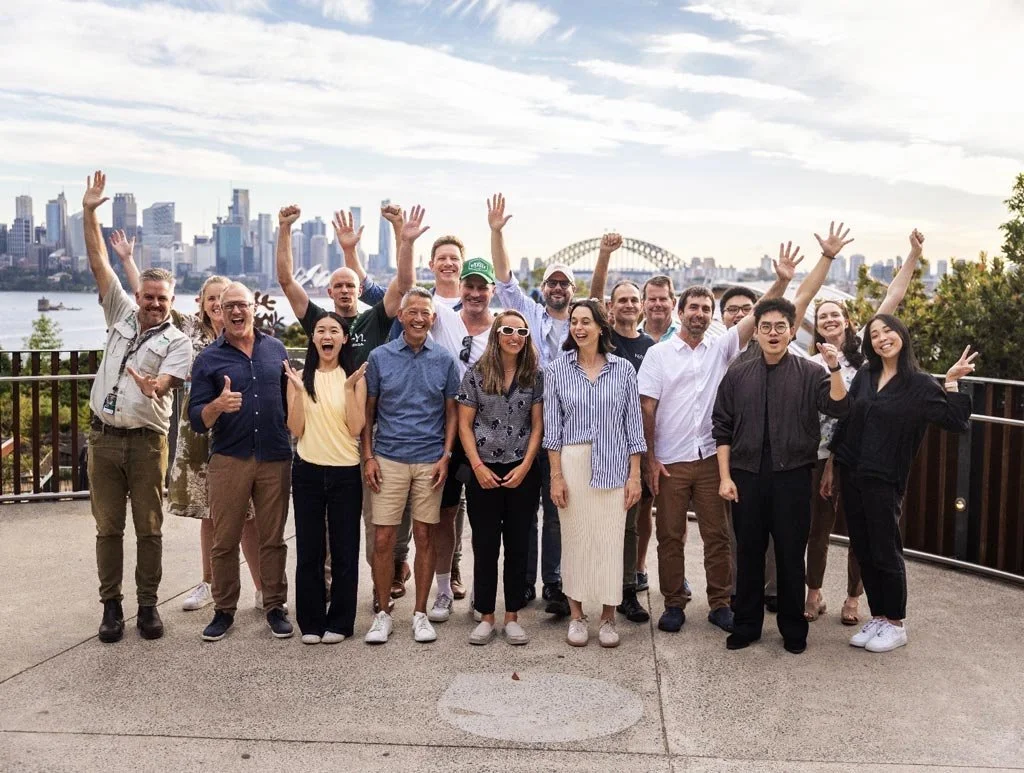
Hatch: Taronga Accelerator Program 2026 participants and team.
As Luke Anderson, Founder of Fair Threads shared, “Starting a business is one of the most isolating experiences you can have… then you add another layer of complexity by saying you’re running a social enterprise.”
Accelerator programs bring people together in ways that shift this experience entirely.
Suddenly, founders are surrounded by others navigating similar uncertainties. They hear familiar doubts, shared frustrations, and parallel breakthroughs.
As Renee Shea reflected, “The benefit of the program is that because you were in a room with lots of other people facing the same challenges, you didn’t have that sense of being alone.”
This sense of community has a profound impact.
Levi-Joel Tamou described it as being “surrounded with a family of social entrepreneurs… a good way to do life,” highlighting the depth of connection that can emerge through these shared experiences.
Kelly McJannett from Food Ladder added a practical lens, noting the value of learning from others directly: “What’s the point of making the same mistakes as somebody else in the past when you can share experiences and learn from one another?”
Milly Bannister from ALLKND reflected on how being in a room with like-minded founders helped her feel seen and supported at a critical moment. That validation stayed with her long after the program ended.
It is a reminder that building a social enterprise is not just a technical process. It is also an emotional one.
Kelly Willmott from Green Fox Studio spoke to this directly, noting how important it was to witness both the struggles and successes of others. It normalised the highs and lows of the journey.
These connections often extend beyond the program itself. Cohorts become ongoing support networks, spaces where founders can continue to share challenges, celebrate wins, and learn from one another.
In a field where burnout is common, this kind of support can make all the difference.
Learning Through Others: The Role of Mentorship
Alongside peer connection, accelerator programs offer access to mentors, industry experts, and experienced founders bring perspectives that can accelerate learning in ways that would otherwise take years.
Catherine Hutchins from Good-Edi described the Hatch program as “incredible,” highlighting how mentors supported them to build their start-up and achieve their goals.
Alice Kendall from Pledge for the Planet similarly reflected on the “genuine support” received through the Hatch program, describing how people who believed in the idea actively helped to fill critical gaps.
But mentorship is not just about advice. It is about perspective.
Melissa Abu-Gazaleh shared that one of the most valuable aspects of her experience as an AMP Foundation Tomorrow Maker was being encouraged to take “good, calculated risks,” with support systems that were willing to “fail forward” alongside her.
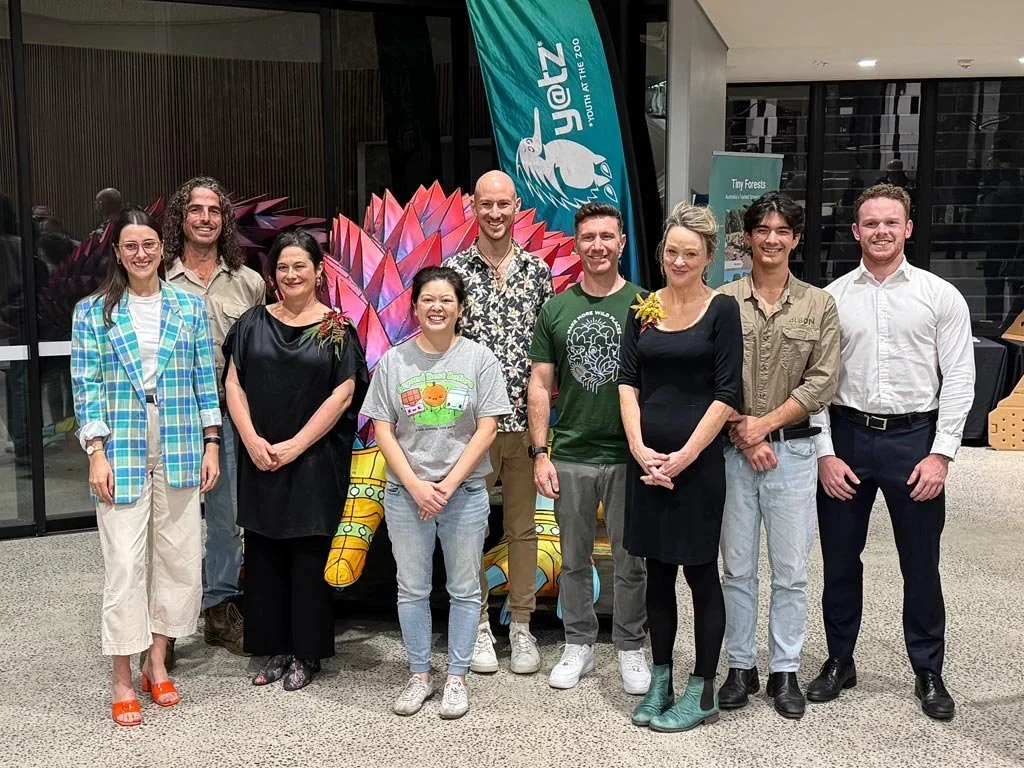
The 2025 Hatch Taronga Accelerator Program Cohort.
Clare Lane of Save Our Supplies found inspiration in hearing honest stories from leaders who openly shared their challenges.“I like it when they’re real and they show the journey is not just sunshine and rainbows… sometimes it’s difficult, but it’s worth it.”
This kind of transparency is powerful. It reframes setbacks as part of the process rather than something to be avoided at all costs.
Accelerators curate these relationships intentionally. They create environments where founders can ask questions, test ideas, and receive feedback from those who have walked similar paths.
In doing so, they shorten the distance between uncertainty and insight.
From Intention to Evidence: Measuring What Matters
As impact enterprises grow, one question becomes increasingly important.
Is this actually working?
In a landscape where impact claims are often scrutinised, the ability to measure and communicate outcomes is essential.
Accelerator programs help founders develop this capability early.
They encourage ventures to move beyond storytelling and into evidence. To define what success looks like, and how it will be tracked.
Camille Goldstone-Henry reflected that one of the biggest lessons from the Hatch: Taronga Accelerator program was the importance of behaviour change when building a social enterprise, expanding the idea of impact beyond outputs into deeper systemic influence.
Kris Spann reflected on how Elevate+ helped clarify not just his purpose, but his pathway to impact. It prompted deeper thinking about who he serves, what he aims to achieve, and how that change will be measured.
This shift is critical for building credibility.
Clear impact measurement supports stronger partnerships, attracts funding, and builds trust with stakeholders. It allows social enterprises to demonstrate not just intention, but results.
Accelerators provide the frameworks and guidance needed to make this possible. They help founders embed accountability into their models from the beginning, strengthening the integrity of the entire sector.
Beyond the Program: Entering the Ecosystem
An accelerator may have a defined timeline, but its impact often extends far beyond it.
One of the most valuable outcomes is connection to a broader ecosystem.
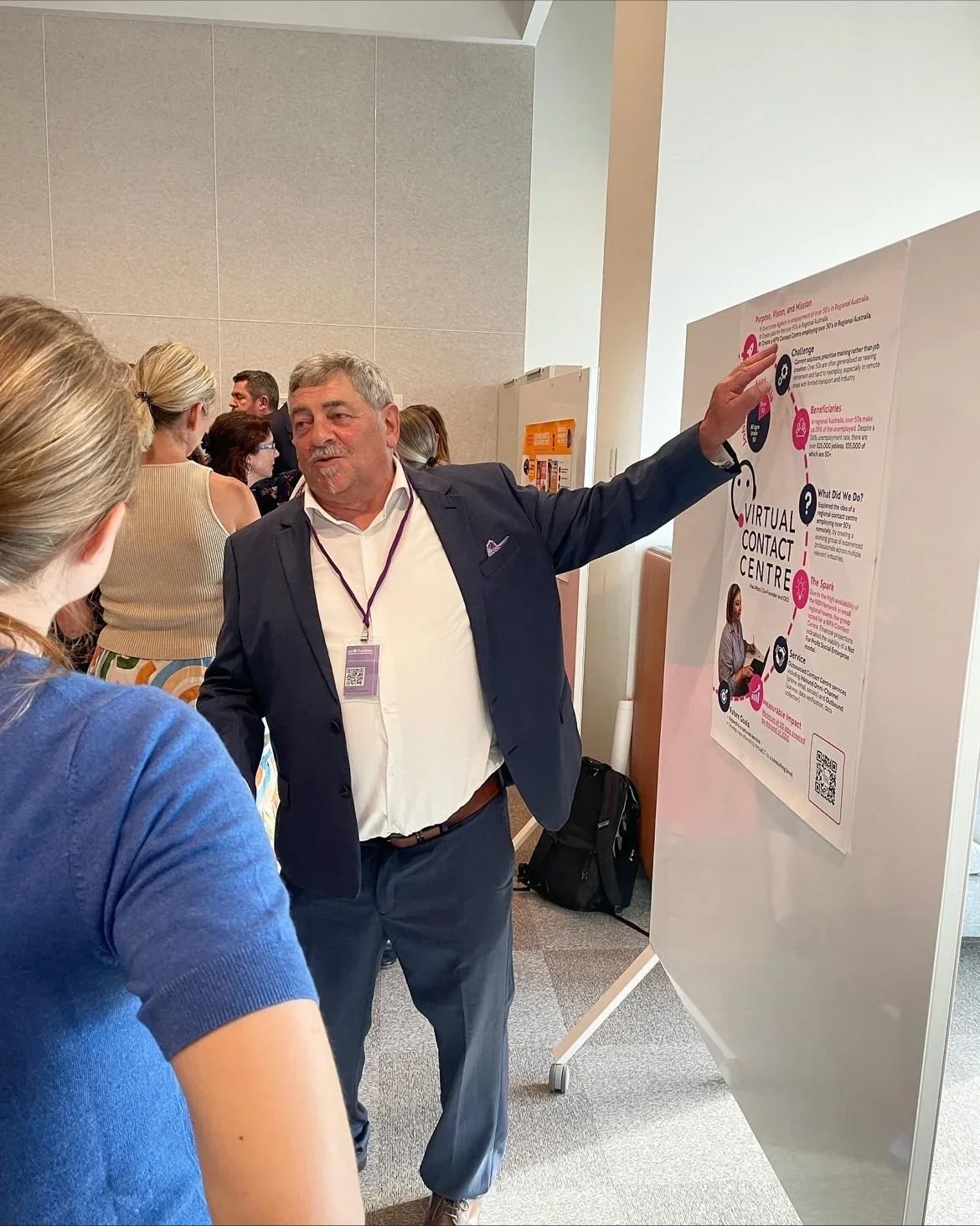
Paul Mizzi sharing insight into Virtual Contact Centre at the AMP Foundation Showcase.
Investors, collaborators, community leaders, and fellow founders become part of an ongoing network of support.
Sarah Ripper emphasised the importance of continuing to engage with this community.
“Network with your community… support each other.”
For many founders, discovering this ecosystem is a turning point.
Fergus Woollcombe reflected one of the most important lessons was to “surround myself with like-minded people,” recognising there are many brilliant individuals doing impactful work, but connection is what brings those efforts to life.
Maria Jerez from Accessilife echoed this, sharing how being part of a broader community meant she was constantly learning: “I always learn something from them after every conversation, without fail.”
Accelerators act as gateways into this world.
They create opportunities for visibility, facilitate introductions, and help founders position themselves for growth. They also foster a collaborative mindset, encouraging ventures to work together rather than compete.
This shift is essential for scaling impact.
Because the challenges social enterprises aim to solve are too complex for any one organisation to address alone.
A Catalyst for Something Bigger
At first glance, accelerator programs might appear to be about speed.
But their real impact lies in what they make possible.
They help founders move from uncertainty to clarity. From isolation to connection. From intention to evidence.
As Melita Shirley shared, programs like Elevate+ provide “invaluable information, practical tools & some amazing connections,” alongside a community that sustains founders through the realities of building something new.
In doing so, they strengthen not just individual ventures, but the broader ecosystem of social innovation.
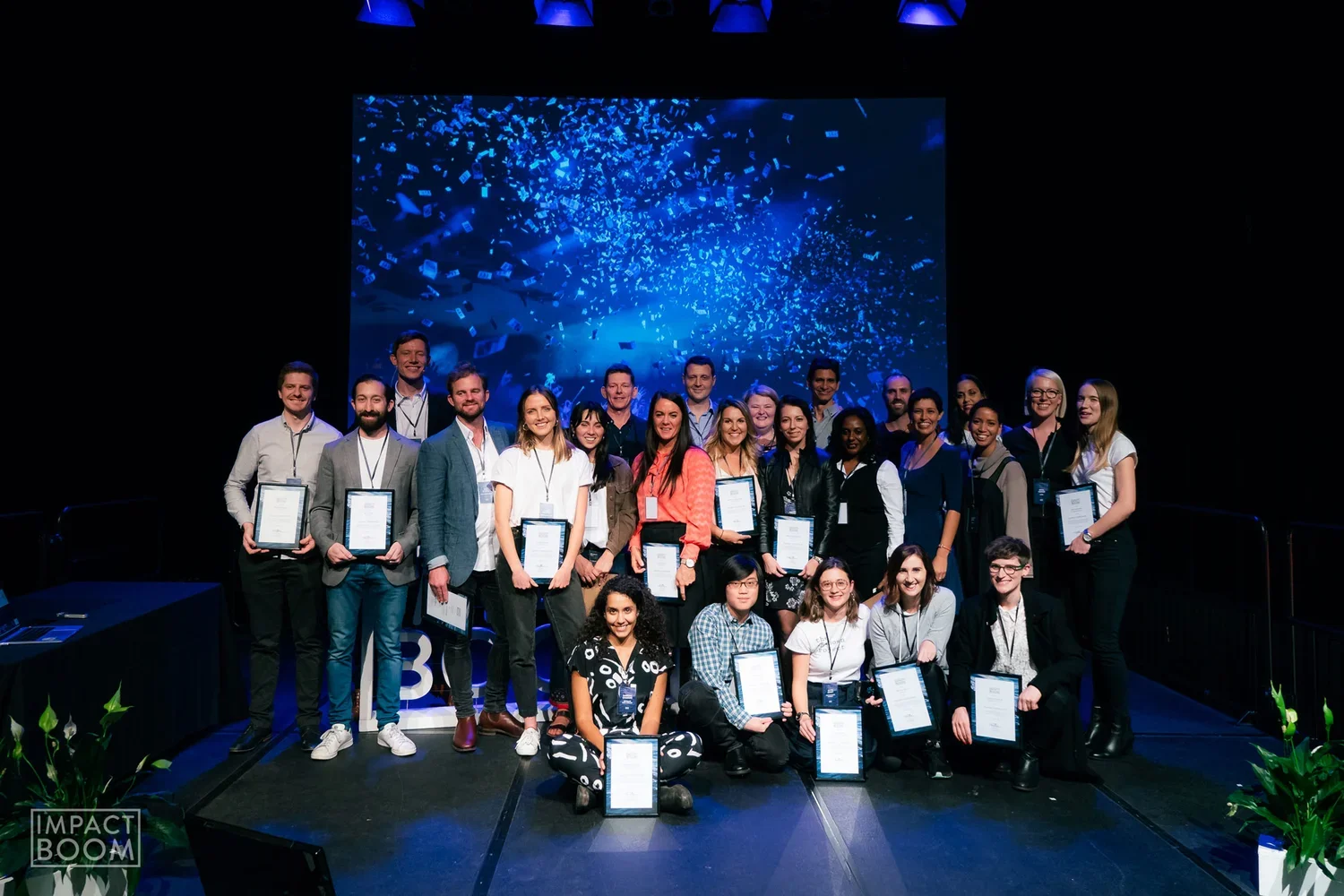
The 2023 Impact Boom Elevate+ Accelerator Cohort,
Because when founders are supported to build resilient, thoughtful, and scalable organisations, the ripple effects extend far beyond any single program.
Accelerators are not just nurturing businesses, but they are shaping the future of how impact is created.
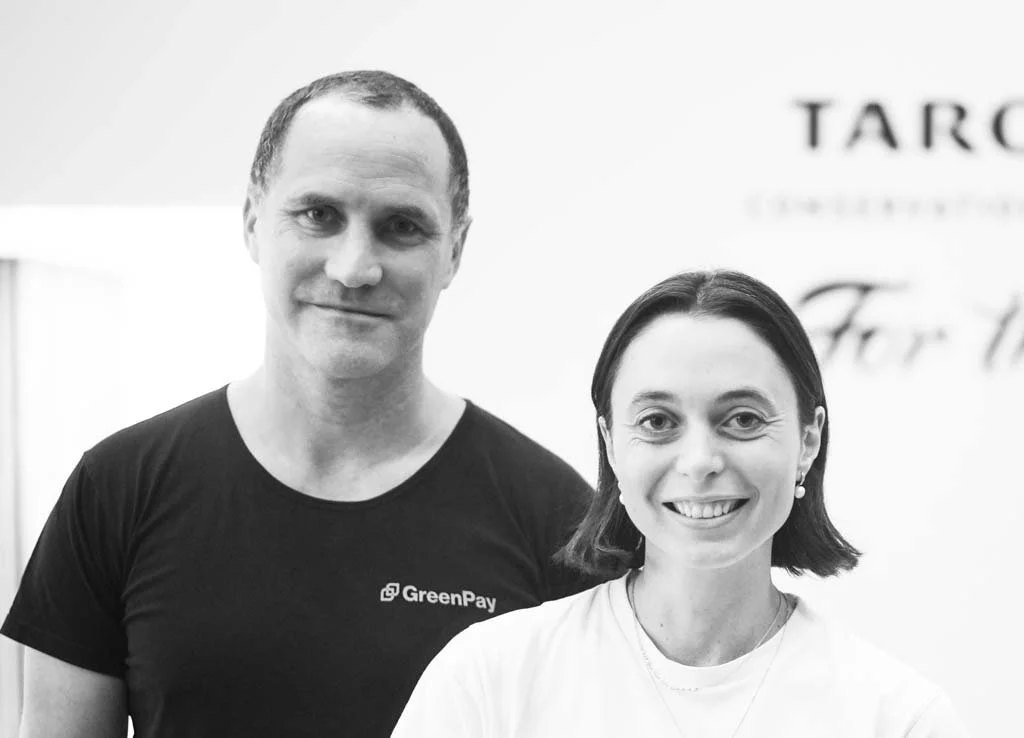

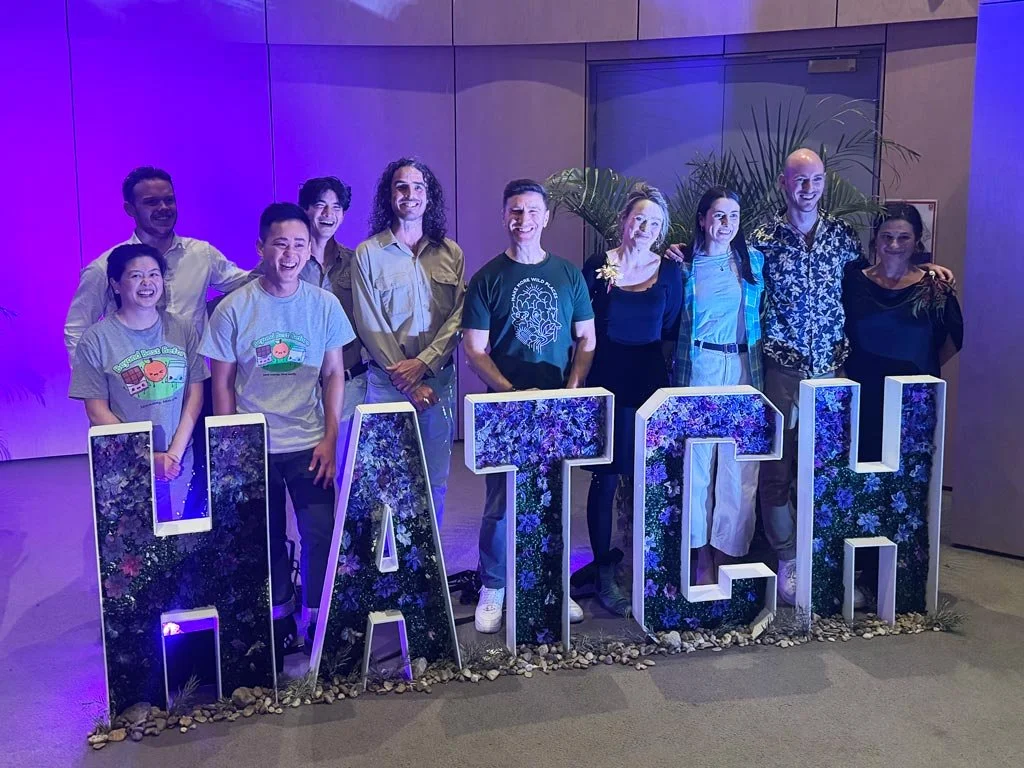
How might we address some of the globe’s most pressing environmental and conservation challenges? Discover outcomes and pitches from the 5 impact enterprises of the HATCH: Taronga Accelerator Program and learn how Taronga Conservation Society Australia is supporting Australian changemakers.