
Alice Kendall On Motivating Collective Action To Tackle The Climate Crisis
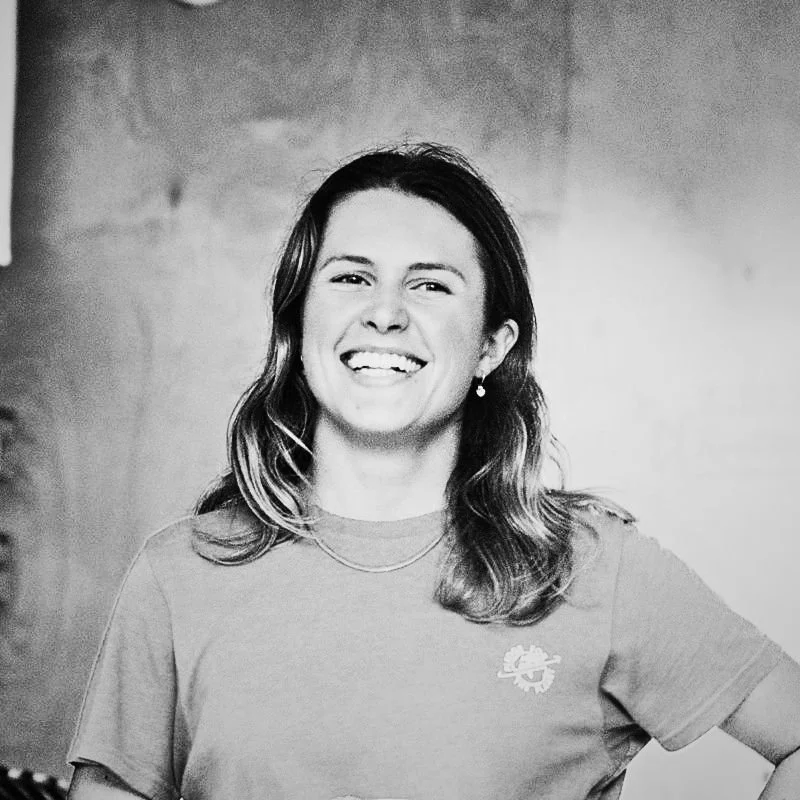
Alice Kendall is the Founder of Pledge for the Planet, an environmental charity using sport and community spirit to motivate measurable climate action.
After starting her career in design, Alice moved into the climate space to help people feel empowered, not overwhelmed, about taking action.
The idea for Pledge for the Planet began on a marathon training run in 2019, when a mix of endorphins, exhaustion, and climate anxiety sparked its signature action-as-currency model. Instead of raising money, Alice asked people to support her marathon by taking action, simple climate pledges that quickly proved both motivating and measurable.
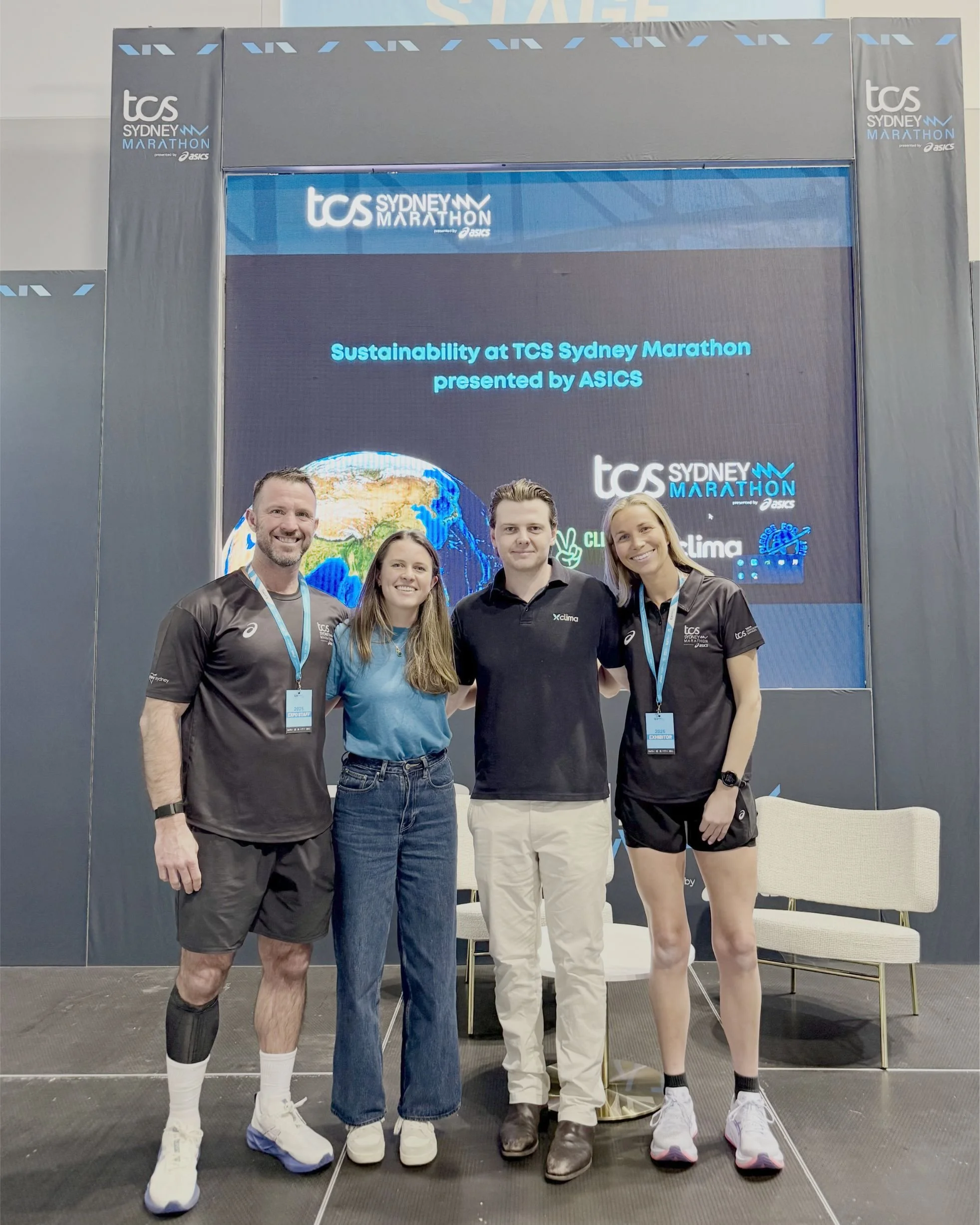
Since then, she has grown the organisation into a national movement working with sports clubs, businesses, and values-aligned partners including Fractel, Future Super, and the TCS Sydney Marathon. A Taronga HATCH Fellow, Alice now leads missions that empower thousands of “pledgends” to move, connect, and protect the places they play.
Alice discusses how creative, team-based engagement strategies can mobilise communities To drive environmental impact, and why building a culture of shared responsibility through sport is key to making climate action inclusive, motivating, and fun.
Highlights from the interview (listen to the podcast for full details)
[Indio Myles] - To start off, can you please share a bit about your background and what brought you to being in this wonderful world of social entrepreneurship?
[Alice Kendall] - It’s been an interesting journey, and not always an intentional one. I started out my career studying design and working in the design industry. I always had this climate lens on everything I was doing; even with the projects I worked on at university and the work I was doing outside of full-time employment.
Coupled with that, I’ve always been a keen runner and loved how sport and running can bring people to causes they care about. I was running marathons and raising money for charity, and in 2019, when I was running the Edinburgh Marathon, I wanted to find a way to motivate people to take climate action.
I looked at using the peer-to-peer fundraising model in a slightly different way, what I started calling “action raising” instead.
Being a designer, I had the ability to turn ideas from my brain into something tangible that others could use. I created what is now Pledge for the Planet, and I used my own learnings along the way, particularly what I wanted to discover from an environmental perspective, and fed that into the platform too.
In a way, it kind of started accidentally. For the first few years, I just ran Pledge for the Planet as a passion project alongside full-time work. But then in 2024, I quit my full-time job working at a FinTech startup and moved into working on Pledge for the Planet full time.
That was both terrifying and exciting. It’s been an interesting and non-linear journey; I’ve learned so much along the way, and I’m still on that path now.
As founder of Pledge for the Planet, can you share more about this organisation and how it is catalysing collective climate action?
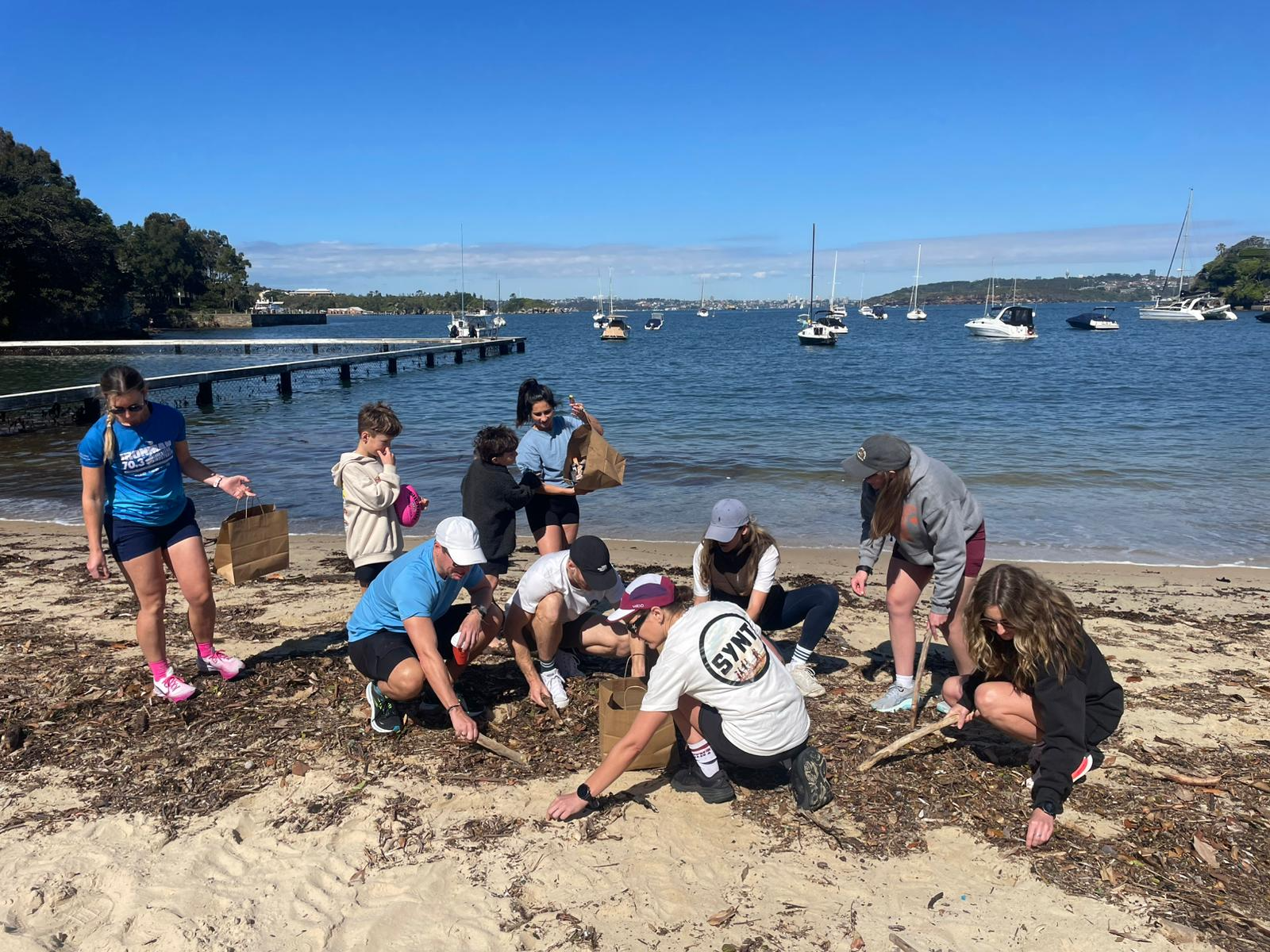
We are on a mission to get people moving, to protect the places that we play. What that means in practice is that we work with sports clubs, workplaces, races, and individuals to bring our model to different communities and create exciting challenges and pathways to take action. There’s also a healthy competitive side to it, which resonates with the audiences we’re trying to tap into.
It’s all about making climate action feel team-based, motivating, and something people do together, not something they do alone. As I mentioned earlier, it all started as an alternative to fundraising, something we called “action raising.” We actually launched that part of the platform in 2020, which, of course, was when COVID hit. All the marathons, races, and triathlons were cancelled.
We basically sat on our hands for a year asking, “What do we do? How do we take this model we’re trying to create and make it fit for the world as it exists now?”
What that ended up being was a virtual challenge for sports clubs and community groups. They participated by running, swimming, cycling, or walking as far as they could within a set timeframe. Instead of paying an entry fee, they made an environmental pledge.
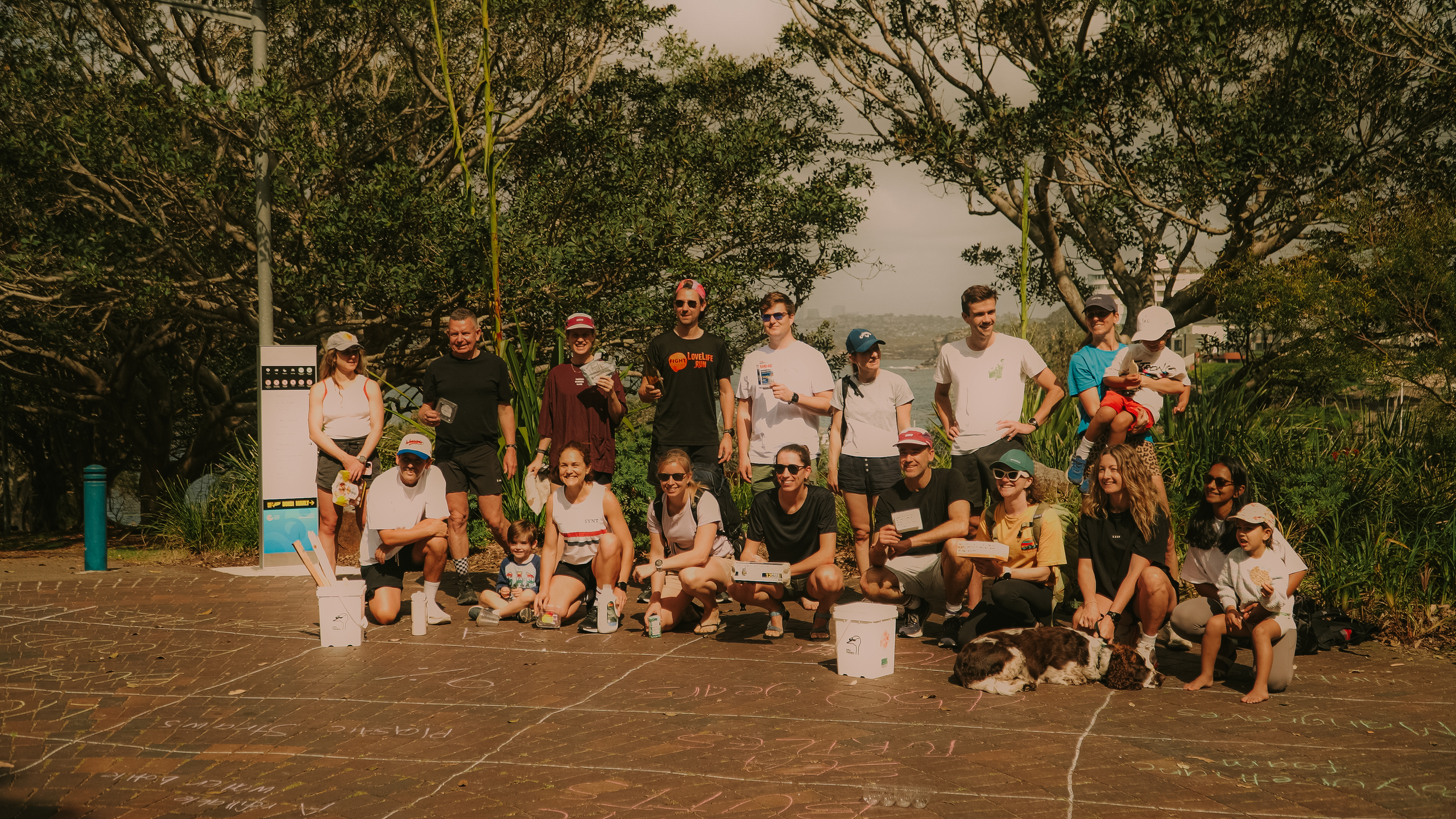
We’re still using this “action as currency” model to catalyse collective action. The idea of pairing sport with climate action is to show the power of many people coming together and what’s possible when you act as a team.
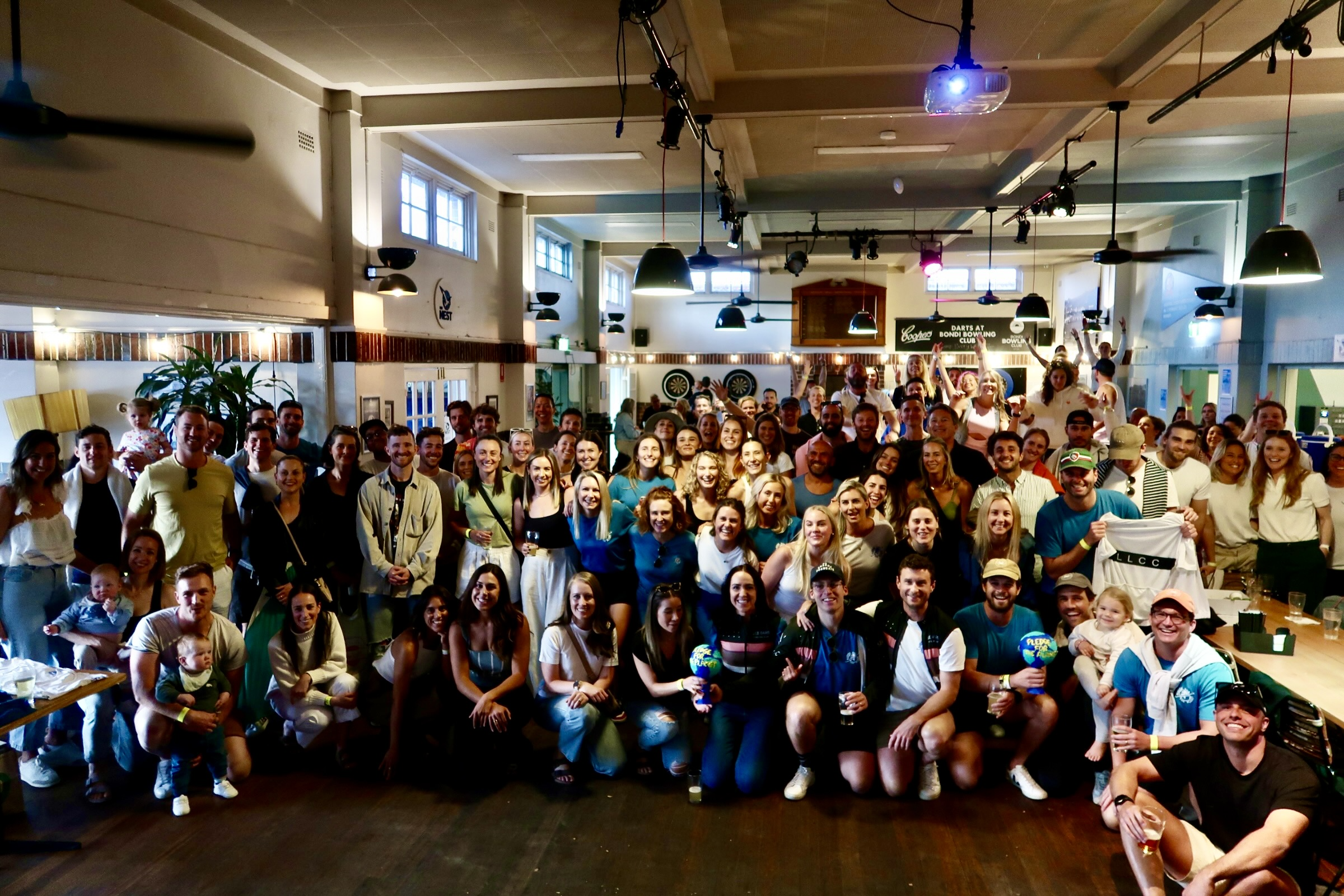
In our most recent event, for example, over 48 hours we had 40 sports clubs collectively travel the distance from Sydney to London by walking, swimming, cycling, and running. At the same time, every club made environmental pledges. In total, over 3,000 pledges were made to reduce their impact on the places where they play.
Our bread and butter is what we do with sports clubs, but we also roll out programs for corporates and collaborate with partners.
We’re trying to make climate action accessible to everyone, no matter where they are on their climate journey. It’s about making it fun, collective, and using this “climate action as a team sport” mentality so everyone understands they have a role to play.
What have been some of the most effective strategies you’ve found for motivating behaviour shifts to positively contribute to environmental impact?
There have been many learnings along the way in that space.
Behaviour change is a tricky thing, especially in the space we’re working in. One of the most important strategies for us has been meeting people where they already are. That means going into sports clubs and community groups and sharing our message in a way that leads with what they already care about.
Often, that’s talking about sport and health. For example, there was a recent piece of research done by World Athletics that found marathon PB times are going to be negatively impacted by rising temperatures. That’s something people training for their next marathon can relate to, and it helps them understand how climate change is going to impact them and the sport they love.
Starting with those messages is a powerful way to get people to stop and think. It earns their trust and helps us move into that climate solutions phase. From there, we can introduce competitive elements like leaderboards and impact rankings; things that get the juices flowing because many in our audience are inherently competitive and enjoy a bit of a challenge.
We also focus on community-led action. A good example of this is our recent 48-hour mission. One of the clubs, Kings Cross Track Club, came to us and said, “We want to create our own pledge.” We already had 40 pledges on our platform, but they wanted one specifically for their club to help stop using single-use cups after their long Saturday runs.
That’s a key moment. It’s when they all come together, often using takeaway cups, and we work with them to create a pledge and upload it to the platform. When their community members joined the event, they could see there was something up there made specifically for them.
It’s about working with communities to understand what they want to achieve and how they can come together as a collective, to be each other’s accountability buddies during the challenge. They all jumped on and committed to the action.
It’s in those moments when they come back together and can say things like, “You said you were going to use a keep cup, so why have you got a takeaway cup?” That creates a fun, supportive environment, but also a real space for behaviour change.
What inspired you to frame environmental impact as a '“team sport”? Why do you see strong partnerships and collaborations as essential for creating sustainable change?
In answer to that first question, climate communication is actually really hard. It’s often very negative, and rightly so, because what’s happening is terrifying. But that negativity can lead people to turn off rather than turn on, because it’s overwhelming, it’s abstract, and often, it’s guilt-driven.
It points fingers at individuals when, in reality, we know it’s not just our fault. There are many players in the game that have brought us to where we are now.
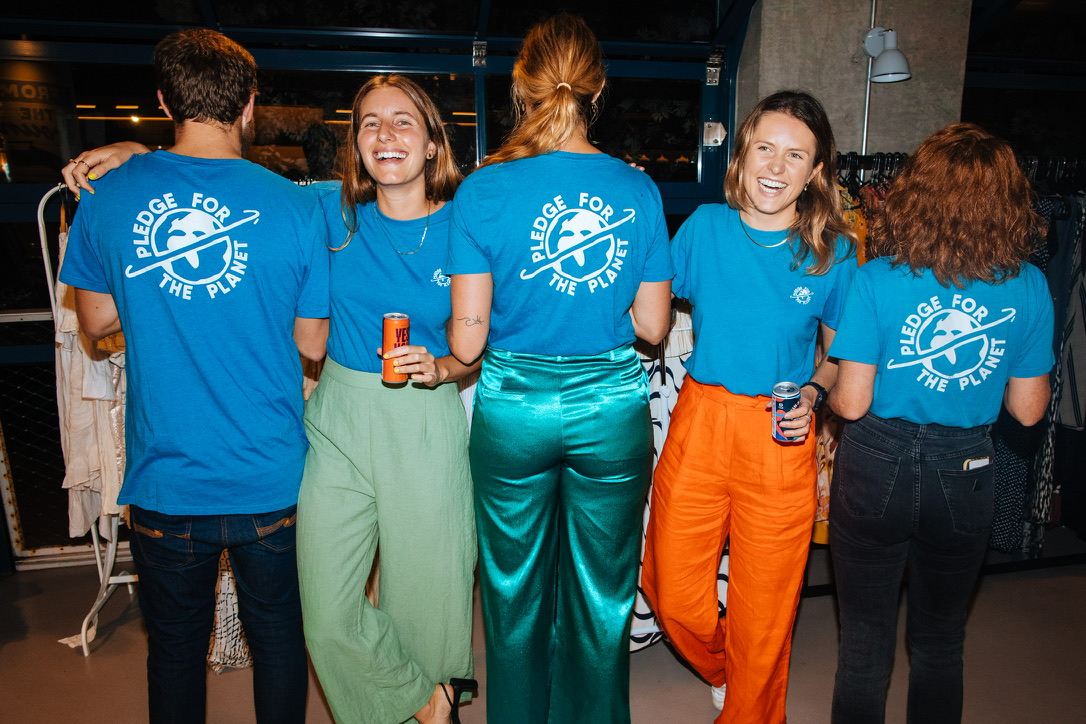
By using the language of team sport, it reframes climate action as something shared, energising, collective, and positive. It’s not isolating, and we don’t want people to feel alone or blamed, because that’s not a motivating space for anyone to want to do something different or make a change.
The second part of our reasoning is the sport itself. Sport is culturally powerful in Australia, whether it’s a run club you join at six in the morning or weekend footy. I’m from London originally, and people weren’t doing that level of community sport when I lived there six years ago! There’s something really powerful about people wanting to get up early, be in those spaces, and do those things together.
Building on that community and identity around sport creates a very accessible and powerful gateway into other conversations like climate action. That’s why this team sport framing is so important to us.
Our model absolutely depends on working with existing communities. We’re out there on the ground, talking to sports clubs and workplaces that already exist. For us, a single run club leader, a coach, or a workplace champion can unlock access to an entire community of people we’d never be able to reach on our own.
Those partnerships create a ripple effect of change. By engaging one person, we can reach 50 more, and from there, involve whole communities in our programs in ways that are fun, motivating, and team-focused.
How have you seen the role of climate initiatives evolve over the past few years, and what future opportunities do you see for growing these organisations or social enterprises?
I was actually at a talk recently where Damon Gameau put it perfectly. He spoke about “cultural acupuncture points” as ways to get people to care about climate action; whether that’s through sport, art, music, or food.
There’s a real opportunity to bring people in by meeting them where they are, talking to them about things they already care about, and relating climate action back to those interests. We can think deeply about what resonates with people and how we can apply a climate lens to that in a way that’s invitational; something that makes people want to come together, take action, and do something meaningful.
That’s where the excitement lies for me, there are so many emerging ideas and opportunities in this space right now. Looking ahead, the biggest opportunity is to go even deeper into those pathways, because there are countless avenues for engagement. It just needs to be an “everybody, everywhere, all at once” kind of action. That’s where the true potential lies across all these different spaces.
Is there any advice you’d give to someone who wants to use their skills to help solve complex environmental challenges like climate change?
There are so many things I’ve learned along the way, but probably my biggest piece of advice is: don’t be afraid to start. Work out what you know how to do well (what your superpower might be) and then reach out to others to help fill the gaps.
For example, in my journey, being a designer has helped me take ideas from my brain and get them into people’s hands. It allowed me to communicate visually. But I knew nothing about finances, running a business or charity, sales, or much around communications and tech. So much of what now makes up the fabric of Pledge for the Planet is still something I’m learning about.
I was open and honest early on about what I didn’t know, and in doing that, I asked for a lot of help along the way. When you have a passion for something and you genuinely want to create something, people actually want to help. They want to be part of the journey and contribute where they can.
Some of the biggest breakthroughs I’ve had have come from that kind of support. An amazing example (obviously one that Tom Allen/Impact Boom is involved with) is the Hatch program through Taronga Conservation Society. The amount of help and genuine support we received from people who believed in the idea and wanted to help plug those gaps was incredible.
Earlier this year, I was struggling with understanding what sales actually is and how to approach it. I just put a post on LinkedIn saying, “I don’t know what I’m doing, can someone please help me?” From that, I connected with six incredible sales mentors, some of whom are now ongoing advisors for Pledge for the Planet.
So I suppose my advice is understand what you’re good at and do that well. Then understand what you’re not good at, put your hand up, and ask for help. You’ll learn a huge amount by engaging with others who have expertise in areas you’re still figuring out.
What inspiring projects or initiatives have you come across recently creating a positive change?
Many actually (which is fantastic). I think it’s important to stay optimistic about what’s happening in this space, even though there’s often a lot of doom and gloom.
There are three initiatives from this year that have really stuck with me. One is Build a Ballot by the Project Planet team. They created this incredible tool to inform Australians ahead of the federal election, and they’re now doing fantastic work looking at upcoming state elections as well.
The second is an organisation called TRIMOB. They’re a First Nations charity focused on getting First Nations people into the sport of triathlon, a sport that’s traditionally been very underrepresented from a First Nations perspective.
Since they started, they’ve actually doubled the number of First Nations people participating in triathlons, and they’re just going from strength to strength. Anna, the founder, is someone I really look up to. She’s doing amazing things in the space.
The third one I mentioned earlier, Damon Gameau’s film Future Council. It’s such a powerful concept. He takes a group of school kids across Europe and puts them in front of CEOs from multinational corporations, and the kids ask them blunt, pointed questions like, “Why are you still investing in fossil fuels?” You have to watch these CEOs squirm and try to come up with answers! It makes them stop and reflect, and in some cases, it even shifts their mindsets.
In moments where it can feel a bit heavy or overwhelming, things like this have helped uplift me. They’ve restored some faith and reminded me that powerful change is happening all around us.
To finish off, what books or resources would you recommend for our audience?
One that I always recommend (because I absolutely love it) is a podcast called Outrage + Optimism. It’s hosted by three incredible people who were involved in the United Nations and the Paris Agreement, and it’s really on the pulse in terms of legislation and the broader climate and sustainability movement. I highly recommend it.
A book I’m reading at the moment (and really enjoying) is called Moral Ambition. It’s all about how we can use our talent to make a difference. It’s quite a stark read and definitely makes you stop and think about what we’re doing with our time, but it’s a great one to get your teeth into as well.
Initiatives, Resources and people mentioned on the podcast
Recommended books
Moral Ambition: Stop Wasting Your Talent and Start Making a Difference by Rutger Bregman

On Episode 639 of Impact Boom, Alison and Jan Schutt of Stationery Aid discuss how interconnected impact can be across social inclusion, education, and the environment, and the importance of exploring and contributing to your community.