
Mary Kelly And Matt Bowie On Scaling Reusable Packaging Systems For Environmental Change
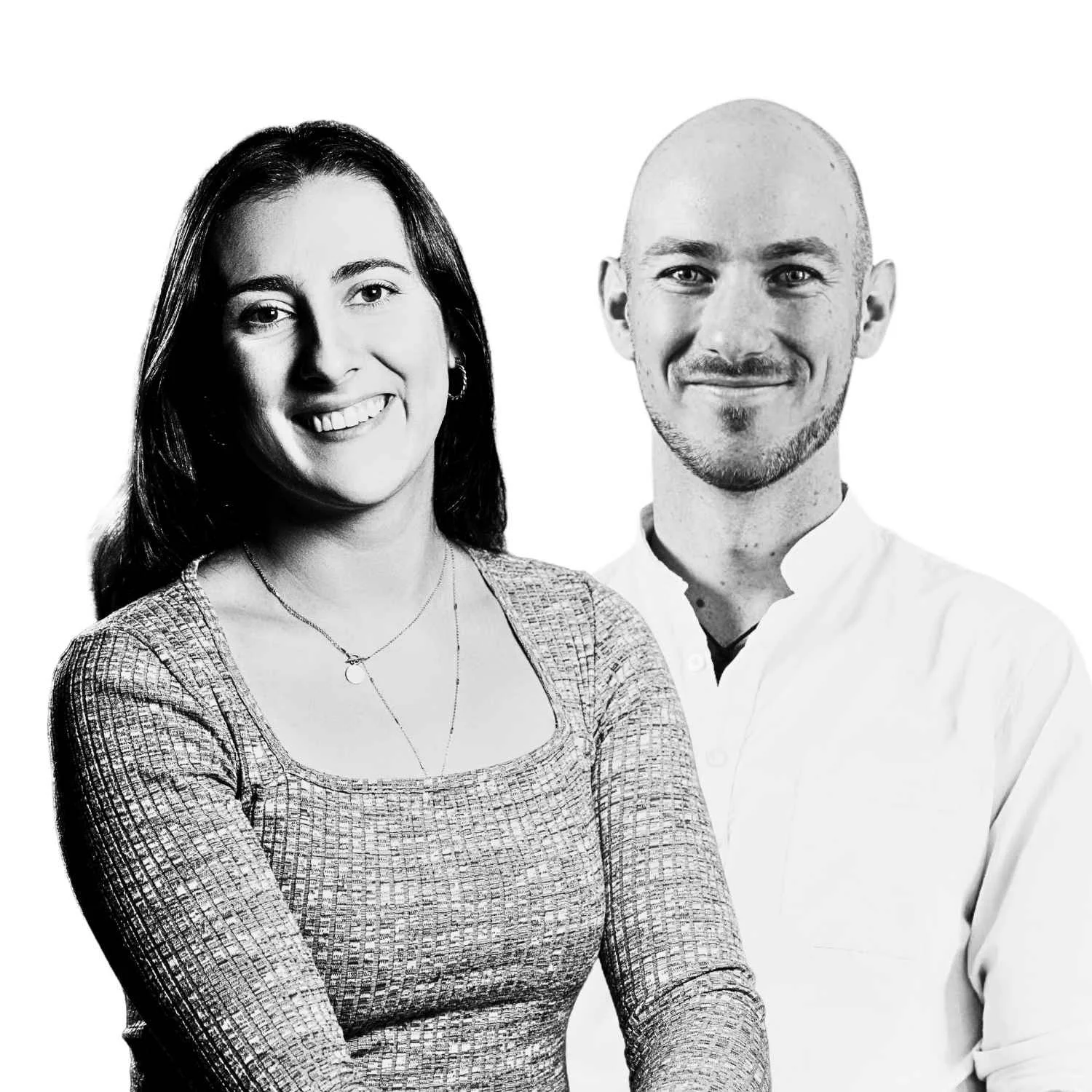
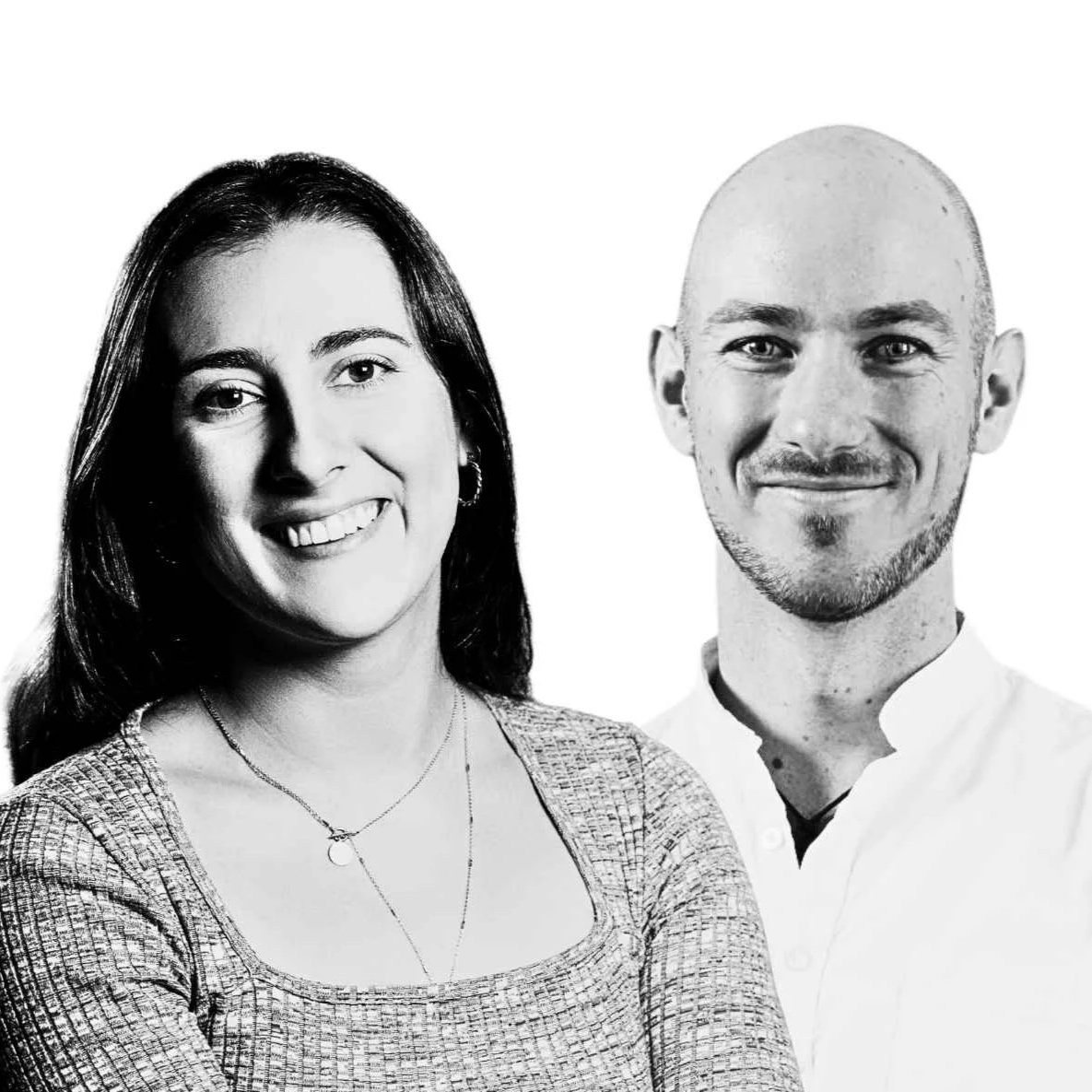
Mary Kelly is a customer experience and partnerships leader with more than seven years experience supporting early-stage ventures from idea to execution.
With deep experience connecting innovators with industry partners, investors, and growth opportunities, she specialises in guiding teams through the messy path from prototype to adoption. Mary came up with the original idea for Reusably back in 2018 with the idea of a reusable cup anyone can borrow with an app on their phone.
Today, Mary leads product development and drives the rollout of reusable packaging programs, including Reusably's work with the Fleurieu Milk Company on their reusable glass milk bottle system. She excels at building relationships, aligning diverse stakeholders, and turning complex supply-chain challenges into simple, user-friendly experiences that accelerate real-world impact.
Matt, aka Bowie, brings more than a decade of experience across project management, data analytics, and product development, backed by a PhD in sustainability and consumer behaviour change.
He co-founded Reusably to mainstream reuse by making it simpler and more cost-effective for consumers, companies, and communities. Bowie works with retailers, packaging manufacturers, and innovators to replace single-use systems with trackable, circular solutions. His focus is on creating practical, data-driven tools that make reuse scalable, measurable, and commercially viable. Alongside Reusably, Bowie is also helping scale the social enterprise Blurred Minds, which delivers short, sharp, evidence-backed youth drug, and alcohol prevention programs for young people across Australia.
Mary and Matt discuss how data-driven reuse technology is transforming packaging systems to reduce environmental waste, and how circular systems can scale through strong partnerships and effecting consumer behaviour change.
Highlights from the interview (listen to the podcast for full details)
[Indio Myles] - To start off, can you please share a bit about your background and what led both of you to social entrepreneurship?
[Mary Kelly] – That’s a really long-winded answer! I went through so many degrees while I was at university. I started in nursing and went to accounting and a few other things, but I eventually landed in entrepreneurship because my friend introduced me to the entrepreneurship club. Initially, I thought it was dorky, but then I ended up doing an internship focused on the circular economy and entrepreneurship, and something just clicked.
I thought that this just makes so much sense. Sustainability isn’t just about being eco and green; there’s so much more to it. Yes, there is the environmental aspect, but also there are the social and economic dimensions: What does that mean in the bigger picture? Circular models completely changed how I looked at the world.
I spent most of my career actually supporting startups, so I was originally on the other side of the fence helping other people grow, build and develop their ideas. Eventually, I just said, “I think it’s time to give it a crack myself.” Along the way, I met lots of cool people. I think it takes a village to raise a child, and similarly, building a business isn’t something one person can do alone. Where we are today with Reusably is really a reflection of our lives and the people we’ve crossed paths with, so part of that is Bowie, and the rest is our team.
[Matt Bowie] – For me, I guess the journey was a bit different. I came from an environmental science background. I always grew up loving nature, forests, hiking, and just being outside. I did my university degree in Earth sciences, and realised I preferred being out in the field rather than stuck in a lab. That led me into environmental work, focusing on botany and ecology.
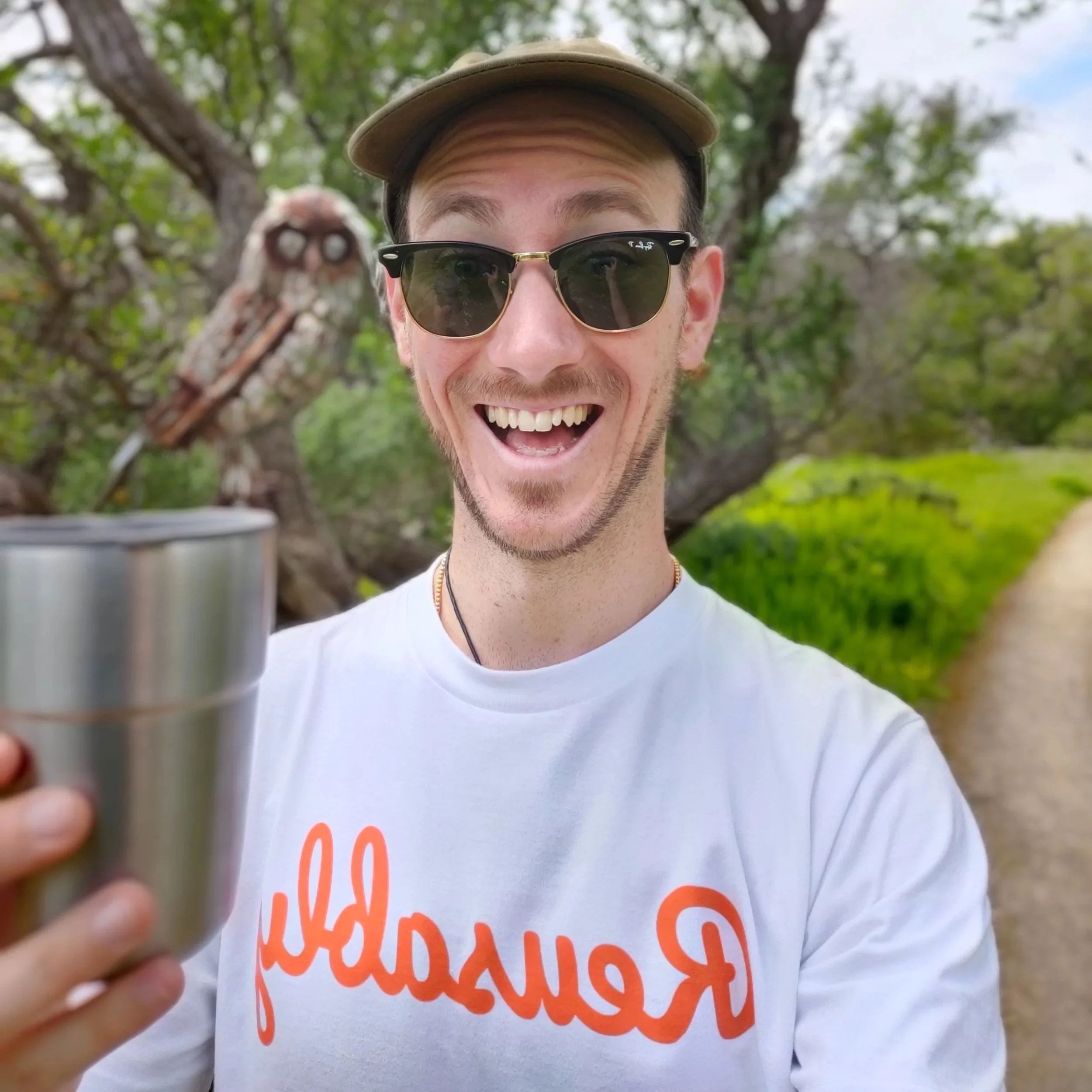
As I got into that space, I started asking myself, “How do I actually have a positive impact on the world?” The environmental space has a lot of not-for-profits, so I worked and volunteered with several of them. Then, while doing my PhD, I met Mary, and I started exploring the idea of creating a business that could generate the kind of impact I wanted to see in the world.
Eventually, I came across the term “social enterprise” and I realised that’s exactly what I’d been trying to do all along. It doesn’t have to be that you’re only creating impact by volunteering or working for a not-for-profit. For me, the social enterprise model means you can have profit and purpose, or, profit for purpose.
As the founders of Reusably, can you share more about the organisation and how it’s mainstreaming reusability and driving environmental impact?
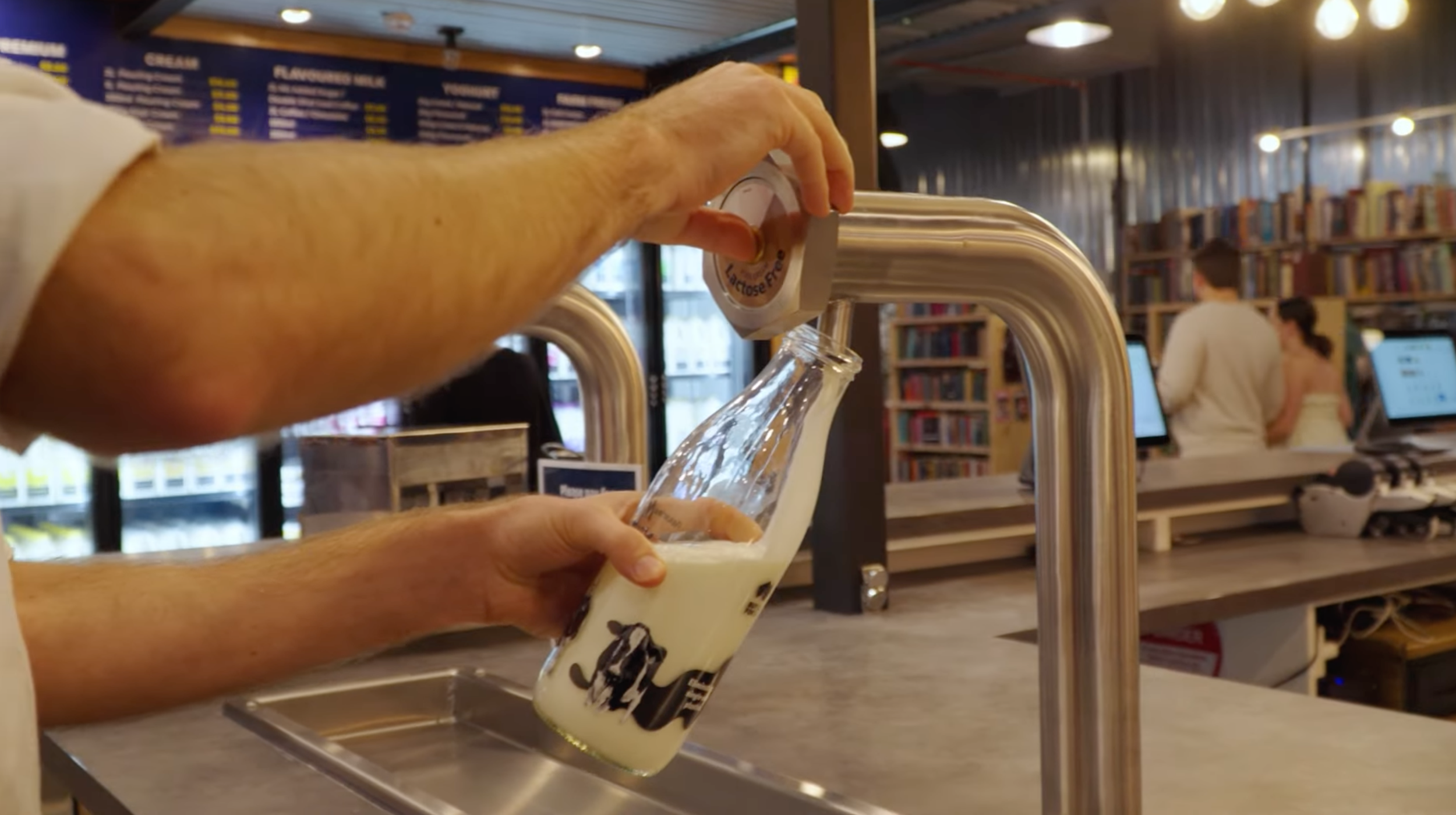
[Mary Kelly] – I’ll take you back to where we started a number of years ago while we were still at university. We participated in a few programs, and at the time, reusable coffee cups were all the craze. But there was also a lot of discussion around things like banning reusable cups or concerns that composting wasn’t the answer for everything. There were a lot of challenges, so we thought, let’s tackle this in the reusable coffee cup and container space.
We worked with some local businesses, including those on Kangaroo Island, and looked at how we could create a system around reusability that was convenient, cost-effective, and solved some of the existing problems. That’s where we developed the Reusably app. We collaborated with lots of cafes and restaurants and built a network around this concept.
Over the years, we learned a great deal about consumer behaviour change and the challenges businesses face when implementing reuse systems. Many of our counterparts across the country and around the world were learning the same lessons, and we realised there was a much bigger opportunity to have a broader impact, particularly with the software we had developed to support our own system.
Our software turned out to be the missing piece for many other businesses in the reuse space, not just those already operating in it, but also those who could benefit from unlocking reusability within their existing models. As Bowie mentioned earlier, we’re committed to proving that reusability isn’t just a “nice to have”.
Our ethos is all about making reusability accessible at scale and demonstrating that it’s not only good for the environment, but also good for the bottom line.
[Matt Bowie] – Mary has given you a bit of the origin story, but we’ve come a long way from those early days of reusable coffee cups. Now Reusably is becoming a platform for any company wanting to implement reuse at scale and manage reusable assets; whether that’s pallets, crates, kegs, boxes, bottles, or cups.
These packaging items might be consumer-facing, but more often now, we’re focused on things the consumer may never see. They’re behind the scenes, but they’re packaging nonetheless, and often single-use packaging used in business-to-business contexts, like a wooden pallet.
I don’t know how many times you see a building site where piles of pallets get stacked up and sit outside for months, but those are all potentially reusable. In many cases, they are reused, but not necessarily to their fullest value. How long are they sitting there? There’s a house being built across the street from me, and there’s a pile of pallets that’s been there for six months. That’s wood from trees not being used to its best value.
The same goes for something like a polystyrene produce box. It’s used to pack broccoli at the farm, kept on ice, sent to the store, unpacked, and then maybe reused (maybe not). If not, you try to dispose of it, but you can’t really recycle polystyrene. You just have to melt it down, hide it away, and hope it doesn’t blow into the ocean.
Even something like a cardboard box, sure, it’s recyclable. But think about how much energy and how many resources go into producing something that might only be used once. When instead, we could design something just a little bit better that can be reused over and over again.
That’s where we are now, helping businesses do this better. We’re doing it in a way that makes business sense. These companies can manage their reusable assets more efficiently, and it’s not costing them more. In fact, we can often save them money.
[Mary Kelly] – The role we play along that journey with our software is really in helping businesses measure and keep track of what they’re doing. We help reduce their loss rates, improve operational processes, and we aim to do that across as many touch points in the supply chain as possible.
When we have that broader picture, we can see where things are getting lost along the way or where the most waste is being generated. That allows us to help these businesses make informed decisions about how to reduce waste or improve their systems.
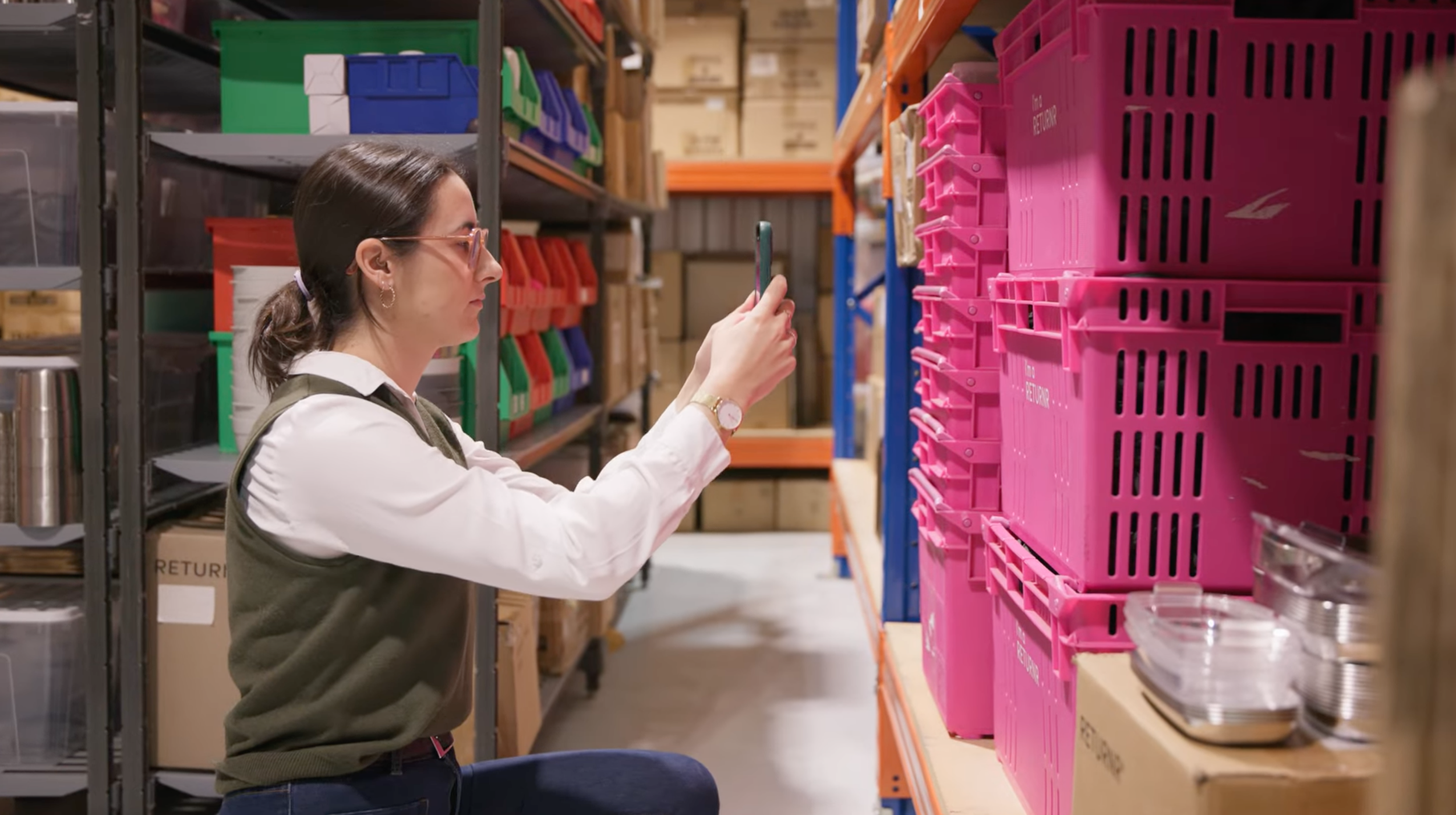
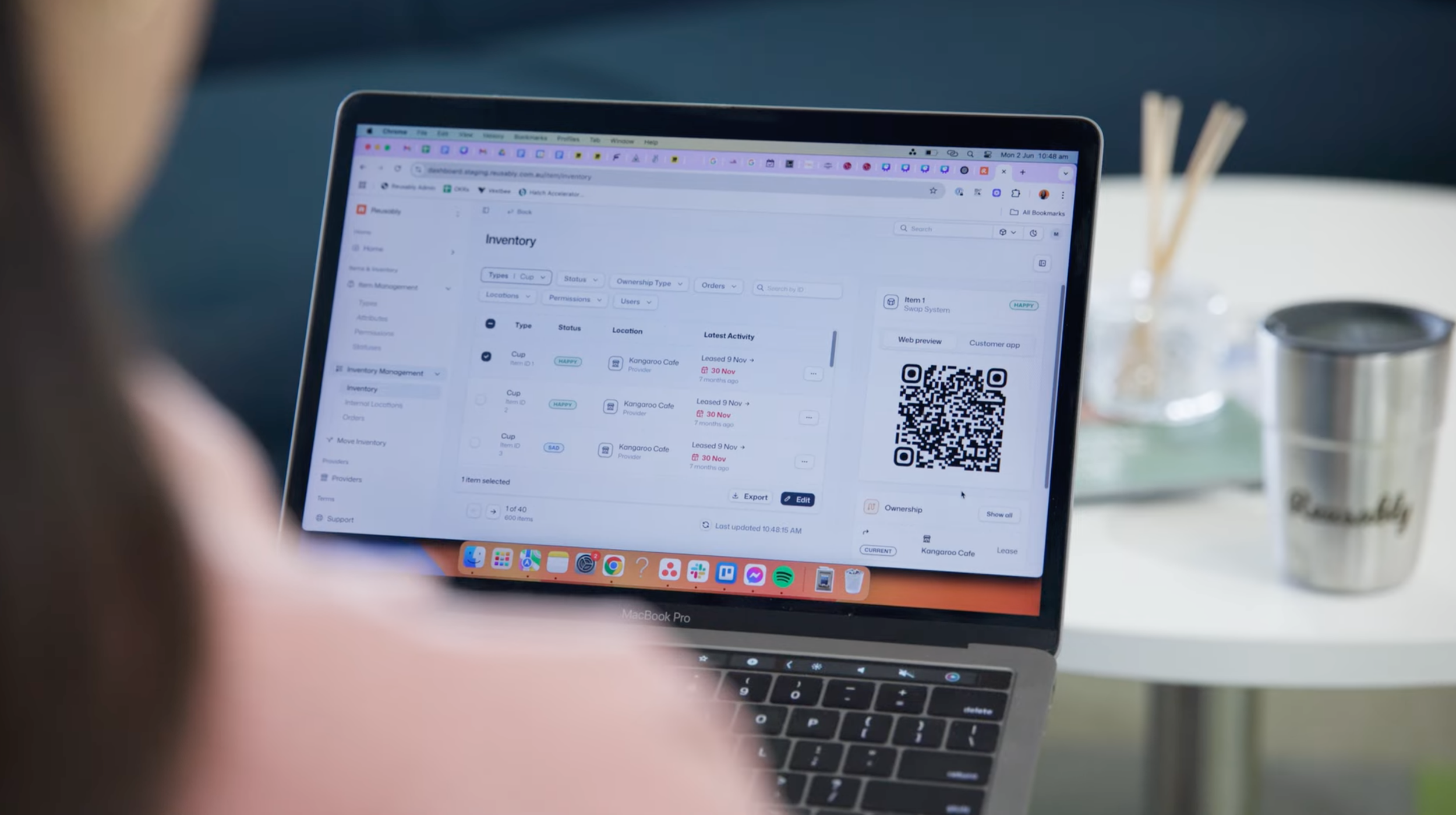
We do this through data analytics, dashboards, and multiple touch points with technology. We also help them measure the environmental benefits of their actions, whether that’s CO2 diversion or plastic waste avoided. While it depends on the nature of their operations, ultimately we come in to provide a high-level view of what your business's reuse system looks like.
How have you seen the ethos behind Reusably evolve as it’s grown into a fully-fledged social enterprise, particularly against the backdrop of today’s daunting environmental challenges?
[Mary Kelly] – From day one, the purpose that’s driven us as a team (and personally for each of us) has been around sustainability and waste diversion. It’s always been about asking, how can we divert as much single-use plastic and packaging from landfill as possible? Through both our reusable coffee cup and container system, and our work with businesses more broadly, we learned reusability is often seen as a “nice to have”.
In a world where we’re dealing with multiple global crises: cost of living, wars, and environmental collapse, reusability often falls to the bottom of people’s decision-making lists. This insight shifted the way we started positioning what we do; we began looking at our work through a financial lens. While we’ve remained driven by waste diversion, reframing our message has changed the conversations we’re having, the organisations we’re talking to, and how we present the value we bring.
Our core mission hasn’t changed over the past six or seven years. But the messaging we share with customers has evolved. Of course, they appreciate the sustainability benefits when you can show and measure that they’re making a difference, especially now with Scope 3 emissions reporting becoming a bigger priority. I think sustainability is always there in the back of their minds.
But the reality is, for most businesses and consumers, that alone isn’t a strong enough driver to change behaviour or justify the investment. Implementing a reuse system can cost hundreds of thousands, even millions, when you look at the infrastructure required.
[Matt Bowie] – Those large-scale projects can be a lot, but I think that shift in language is crucial. We’re still trying to achieve the same positive outcomes. I was talking to a farmer a few weeks ago who’s already managing a fleet of 900 of these 1,000-litre reusable Pallecons. Instead of shipping products in single-use packaging, they use these 1,000-litre reusable crates. They make apple purée in them, and other companies use that as a feedstock ingredient. So, these 900 assets are constantly moving, going from the farm to their next clients and then coming back again.
The farmer told me, “We had a truck loaded up. It went out to the clients, and then one of the clients didn’t receive their 13 Pallecons. They were delivered to the wrong place and went missing.” Each of these is worth about a thousand dollars, so that’s $13,000 worth of packaging asset gone, plus the product that was inside, and potential reputational damage with the client. A few weeks later, someone approached them saying, “I’ve got 13 of these Pallecons, do you want to buy them?”
But how do you know if they’re actually yours? There’s no easy way to verify, unless there’s something like a VIN code (like cars have) or an AirTag. That’s effectively what we’re doing, putting unique identifiers onto these assets. Whether it’s a QR code, RFID tag, or IoT technology, we enable companies to track and manage those items and record a digital handshake for when they’re handed over.
If a mistake happens (or if something untoward takes place, like theft) you can identify who last had possession of the item. From a business and financial perspective, that helps reduce financial losses. But the net result is also environmental: companies are reducing lost packaging waste, and doing it in a cost-effective way. That means they’re more likely to stick with reusable systems, rather than reverting to single-use as a way to minimise perceived risk.
Matt, you have a PhD in sustainability and consumer behaviour change. Can you share what your research told us about the barriers and enablers to shifting everyday consumer habits towards sustainability?
[Matt Bowie] – It comes down to the same core things. Whether it’s sustainability, fair trade, or no child slavery, people want to believe they’re choosing products that don’t have a negative impact on the world. But the reality is, it’s very hard to tell.
Unless the box or packaging explicitly says, “This is child-slavery free,” or “This is deforestation-friendly,” or “This helps orangutans,” most people won’t know.
What my research showed is that when there’s any kind of certification on a product, people tend to think it covers everything. For example, if something is Fairtrade certified, all that really means is it meets minimum wage standards, but consumers often conflate that with other environmental or ethical guarantees.
At the end of the day, people’s decisions are still based on cost, convenience, and quality. Those factors are always in the top three. Sustainability and environmental impact usually rank way lower, more like 13th, 12th, or 11th. They’re really the cherry on top, so if two items cost the same and are both available where you shop, and one has an environmental claim, then sure, you’ll probably choose that one. But if we want to actually shift behaviour, sustainability claims have to meet core consumer needs first.
If someone has to drive out of their way for a sustainable option, or even if it costs $1 more, they’re less likely to do it. That’s what my research found, and it’s exactly what we found at Reusably too.
When we were running the cup swap network, I spoke to hundreds of people grabbing their morning coffee. They’d say, “This is amazing! Someone should have solved this. I’m so glad you’re doing it!”
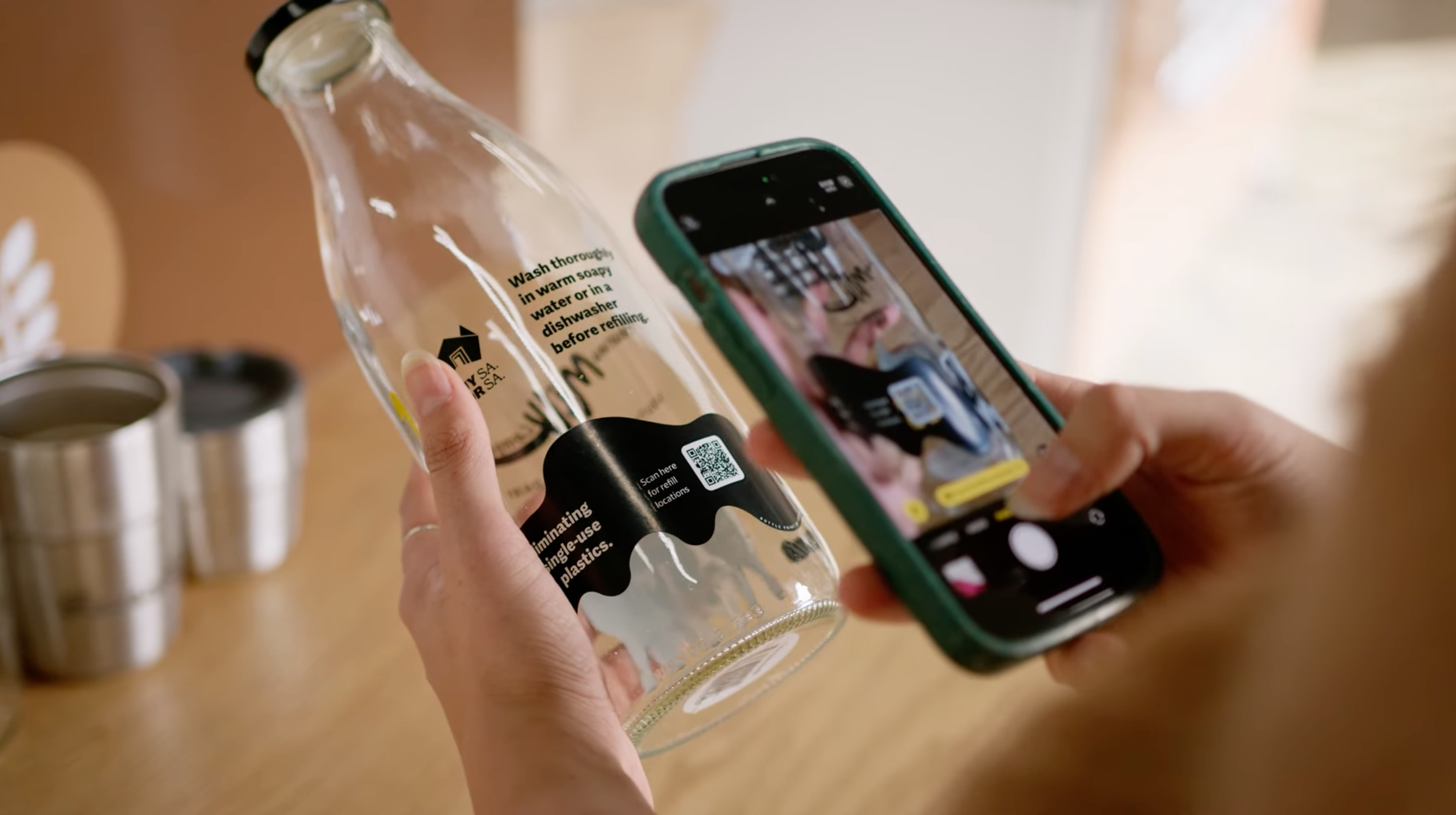
I’d reply, “Great! Would you like to download the app? It’s totally free.” They’d respond, “Oh… not today.” Or, “Cool, I’ll download it… but if you were at my local café, I’d use it all the time! I’m not here that often.”
It’s that same thing: convenience. If we were available where they were, they’d use us. We’d go to that café, set up and partner with them, and then I’d see the same person again, and I’m very good at remembering faces! I’d say, “Hey, it’s me again,” and they’d go, “Oh yeah.” They’d almost feel guilted into using it.
Even if they did download the app, maybe their job changes, they move house, or that café is no longer convenient, so it’s no longer practical for them to get a reusable cup there. These were the challenges we faced, because even though people were willing, honestly, as the cost of living crisis has intensified, people have cut back on subscriptions. They even cut back on buying coffee altogether. All of these pressures made it much harder to scale that business.
[Mary Kelly] – I’d add to that something. Over the past few years, we’ve seen people become more fatigued with technology. They don’t want more apps on their phones or to download another thing. Everyone is just overwhelmed with how much is going on around them, and that creates a big barrier too.
Technology is what has helped us solve many of the problems that made these reuse systems viable, and there are some truly incredible tech solutions out there. The key is designing for the end user, whether that’s the consumer or the person in a business who will actually use the system. What’s the experience like for them? How do we make it as low-friction as possible? Once you’ve nailed the price and the quality, then it becomes about removing every other barrier. It’s really hard to ask someone to change behaviour when that change requires multiple adjustments.
Tech (unfortunately) is one of those things that’s a blessing and a curse.
How do you approach building strong partnerships as a social enterprise? What have you found to be the keys to aligning people around sustainable solutions?
[Mary Kelly] – It’s a complex question, and for a bit of context, reuse networks themselves are complex. They require so many different components and puzzle pieces to come together in order to work: product engineering, manufacturing, cleaning, logistics, technology. Reusably is just one piece of that, we’re the tech side.
While we bring a lot of knowledge and experience from across those other areas, the success of a reuse network depends on all those parts coming together at the right time, with the right resources. A great example of that is our partnership with Fleurieu Milk Company in South Australia. That collaboration worked because all those puzzle pieces aligned.
One of the biggest factors in that partnership’s success was we were local. We weren’t just an Australian company, we were South Australian. Building personal relationships makes a huge difference, especially when you’re a startup. We don’t have 30 years of credibility or a massive client portfolio to get us in the door everywhere. It’s harder to convince people or even get that first meeting.
But once you do, and once you start forming those relationships, people often have a lot of respect for small businesses that are genuinely trying to make a big impact. In Fleurieu’s case, we were simply the right solution at the right time.
[Matt Bowie] – At the end of the day, they’re a family-owned business that’s genuinely committed to creating positive impact in their community. They operate dairy farms across South Australia and have always been focused on doing the right thing, not just for their customers, but for the broader South Australian community.
Milk usually comes in two-litre plastic bottles, and they knew that carried an environmental cost. So for years, they’d been looking at how to reduce that impact. They were already rolling out a reusable glass milk bottle system when they approached us. A lot of groundwork had already been done before we came on board.
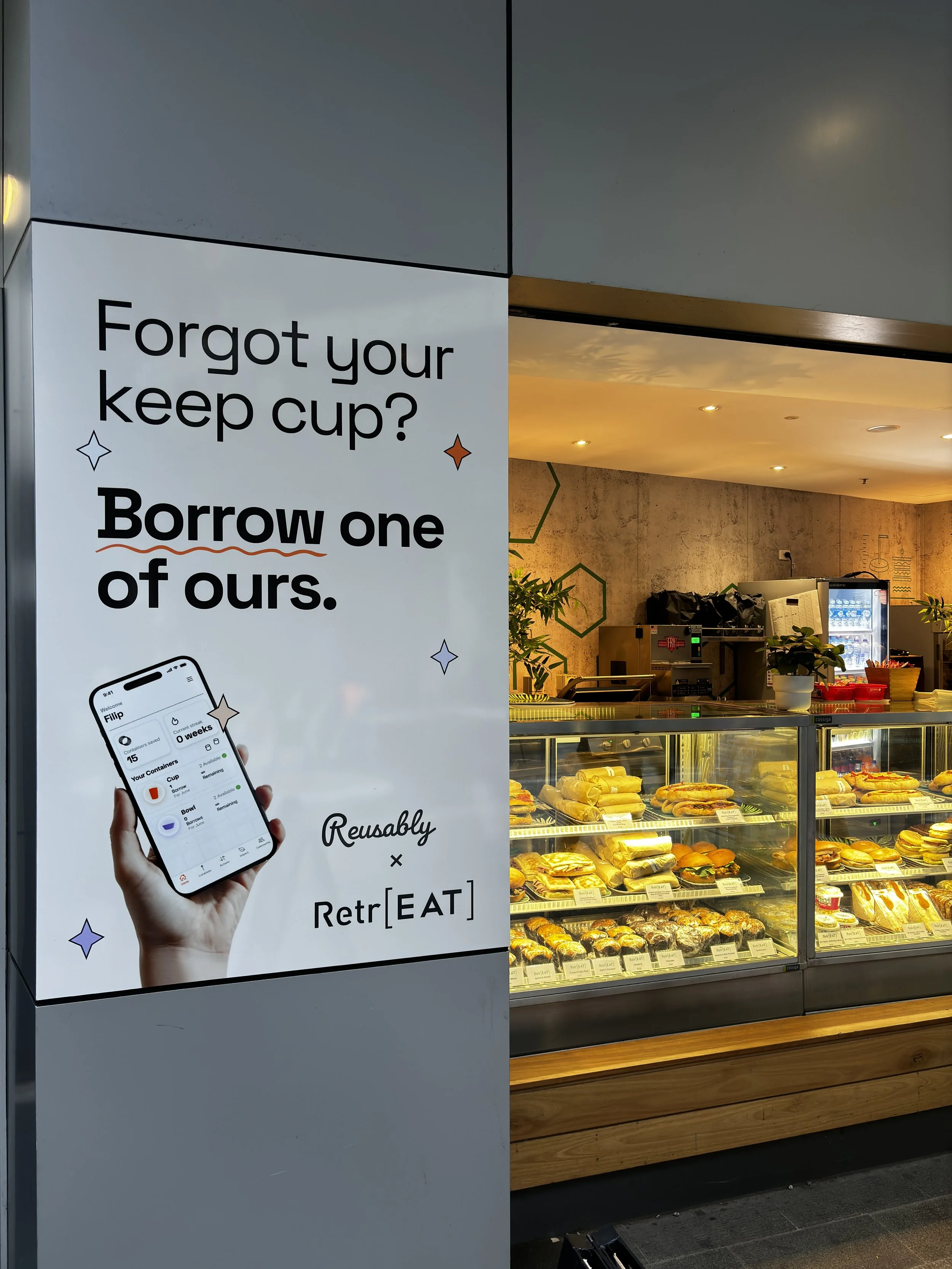
What we brought to the table was the technology. We gave them the data insights to help them answer questions like: How many times are these glass bottles being reused? What’s the actual impact? How many people are engaging with the system? Is it one person filling up 10 bottles each week, or 10 people each filling up one bottle? They didn’t have that visibility before. But now, with those insights, they’re able to scale that enterprise.
They’ve got over 60 participating locations across the state. Remember, this is a dairy that only operates in one state of Australia. But they’ve already avoided (I believe) using in the range of 500,000 plastic milk bottles. I’m pretty sure they recently cracked that milestone, and that’s a huge impact.
[Mary Kelly] – Another key role we’re playing in the reuse space right now is education. It’s still a relatively new concept here in Australia (Europe is probably a few years ahead of us), so we’re focused on having lots of conversations with a wide range of businesses.
Realistically, many of those we’re talking to may not become customers for another four or five years, but opening the door to these conversations and planting the seeds around what’s possible is still incredibly important.
We’re also engaging with industry bodies and advocacy groups: discussing how to influence or prepare for upcoming legislative changes. There are some fantastic people working in this space, and for us it’s been about building those relationships and creating a strong referral network.
For example, we don’t do physical product development or manufacturing, but if someone comes to us asking for help with that, we have trusted partners we can refer them to. In turn, we receive referrals as well.
That’s one of the beautiful things about working in the social impact space, particularly reuse. Everyone’s trying to grow the pie together. There’s a strong spirit of collaboration: “Let’s support each other. Let’s connect each other with the right networks.” Even if it doesn’t lead to an immediate sale, it helps grow the movement and educates the market on what’s possible.
That’s actually how we came across Fleurieu Milk. They turned out to be the right partner at the right time, and it’s such an exciting space to be in right now. There’s so much potential, growth, and creativity. The question is just: how do we make it all happen?
What advice would you give to an aspiring impact-led founder or individual looking to tackle a complex problem or build a purpose-driven business?
[Matt Bowie] – For me, my biggest advice is: don’t overcomplicate it. Just start small.
So often, people want to solve these massive, wicked problems all at once. The reality is, you can’t change the world overnight. The best thing you can do is take a tiny step that might even feel too small to matter. By doing that, you prove to yourself and the people around you that you can make positive change. That’s how momentum builds. That’s how you avoid burnout.
Honestly, the biggest barrier to making real impact is people believing they can’t make a difference. So if you start small and build from there, step by step, you’re already on your way.
[Mary Kelly] – I’d say it’s all about balance. When you’re trying to tackle a big issue, you need to hold on to your sense of purpose. Know your mission and why you’re doing what you’re doing., but also find a practical pathway that fits the current market.
You can have a huge long-term vision, and that’s amazing. But don’t be afraid to take the steps that are necessary right now, even if they don’t feel like they’re making a massive impact straight away. Sometimes those smaller steps are what will get you in front of the right people or into the right organisations. Sometimes it’s about starting a small project that can grow into something bigger.
Just make sure you’re bringing people along on that journey. Like Bowie said, surround yourself with others. This work is hard. It’s a long road. But if you keep that sense of purpose at the center, it’s absolutely worth it.
What inspiring projects or initiatives have you come across recently creating some change?
[Matt Bowie] – In my role at Reusably, I do a lot of business development, so I’m constantly scouring the world for interesting projects in the reuse space. I come across so many cool business models, especially ones that revolve around reusable solutions!
One of the most impressive I’ve seen lately is a company in Europe that’s created reusable postal satchels. When you order something online (like from Amazon or a fashion retailer) here in Australia, it usually arrives in a single-use plastic or compostable satchel. This European business has flipped that model. Instead, you receive your item in a reusable branded bag, possibly even one designed by the brand you purchased it from!
Once you’ve unpacked your order, there’s a prepaid return tab you can flip out, and then just drop the satchel into any postbox across the UK or Europe. It’s returned to a centralised location, where it’s cleaned, repaired if needed, and then reused again. I absolutely love that business because it’s a simple but powerful example of how rethinking everyday systems can make a huge difference.
[Mary Kelly] – I’ll take a more high-level view. Some of the most inspiring things I’ve come across lately have been conversations, particularly global discussions around policy and alternative business models. Sometimes we feel like we’re in this little bubble, and there are moments when things feel like they’re moving really fast… and other moments when it all feels a bit doom and gloom.
But I’ve been really energised listening to policymakers and changemakers who are exploring new ways to rethink economic models, especially how we measure value and returns. Traditionally, investment has focused on profit and financial ROI. But in places like Europe, there’s growing interest in factoring in social impact.
What does it mean, for example, to invest in early preventative healthcare? How do we quantify the long-term savings that brings to the system? That’s just one example, but this kind of thinking is also being applied to sectors like recycling, waste, and reuse.
It’s about changing the assumptions built into models we’ve used for decades, and that’s what I find really motivating. It helps us go back to the drawing board and ask: “Right, that didn’t work, so how can we rethink it?”
To finish off, are there any books or resources you’d recommend for our audience?
[Matt Bowie] – One of my all-time favourite books is The E-Myth Revisited. It’s an old one, but honestly, the wisdom in it is timeless. Whether you’re running a business or just thinking about starting one, there are so many powerful insights in there.
It was originally written decades ago, but it hasn’t dated. I listened to it as an audiobook, and it really shifted the way I think about how I spend my time each day and what I prioritise in business. I recommend it to anyone feeling stuck or overwhelmed. It’s a game changer.
[Mary Kelly] – I’ll admit, I have a stack of business books next to my bed that I always intend to read one day! But for me, the most valuable resource has always been being physically present in the right spaces. Whether it’s participating in incubator programs or working from a co-working space, that’s where I learn the most.
If I had to pick one book though, I’d go with The Business of Belonging. It’s a great intersection of business strategy and community-building. The core idea is about creating a community that is your business. If your co-working space is your community, or you’re going to events and connecting with others, that becomes your support network. That’s where your insights and growth come from; soaking it all in.

On Episode 616 of Impact Boom, Louise Tran of OzHarvest Ventures discusses the unique ways businesses for good approach designing and implementing sustainable systems to tackle food waste, and why empowering consumers through purposeful products and storytelling leads to tangible and lasting impact.