
Trang Chu Minh On Building Inclusive Sports Communities Empowering People With Disabilities
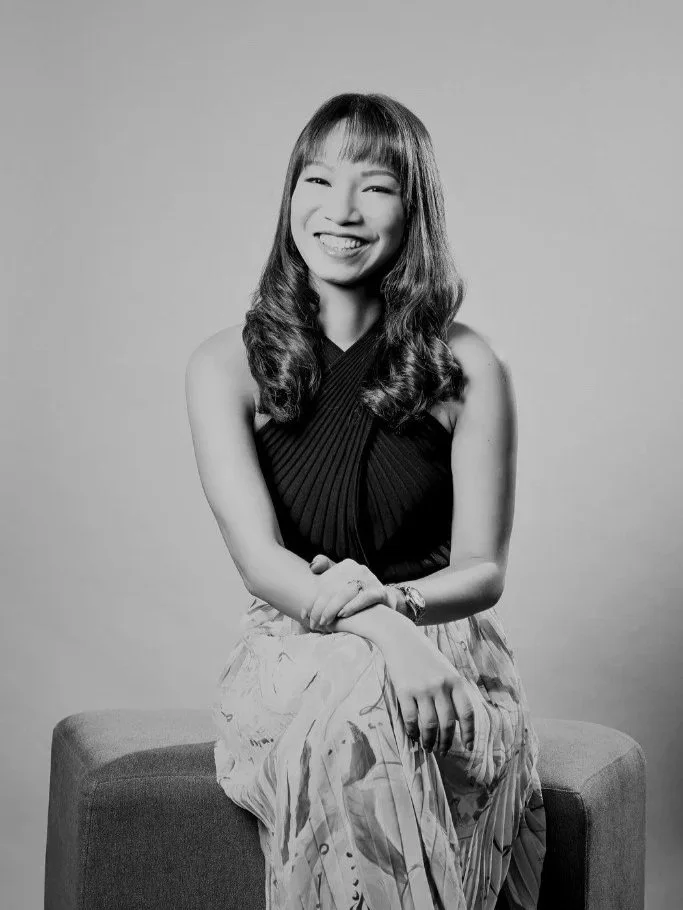
Trang Chu Minh is a sustainability and inclusion advocate whose work spans human rights, environmental protection and disability inclusion.
Her earlier efforts contributed to the first US state law banning child marriage, the opening of the UK’s first safe house for LGBTQ+ refugees and Indonesia’s first provincial plastic bag ban.
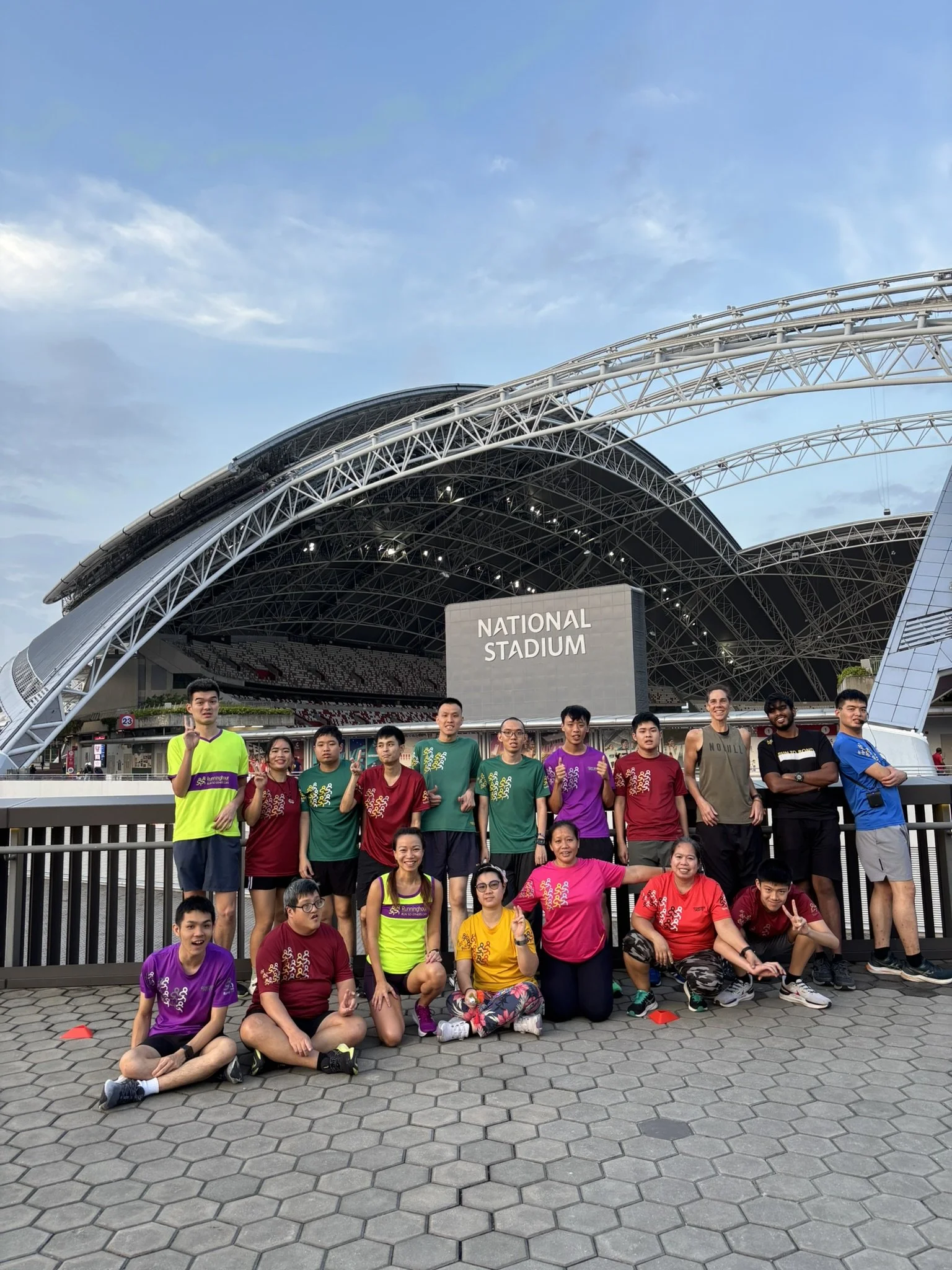
Today, she focuses on disability inclusion through sports. She volunteers as a coach for people with disabilities and serves on the management committee of Runninghour, Singapore’s largest inclusive sports co-operative, building open-access, community-based programmes that bring people with and without disabilities together to improve physical health, mental wellbeing and social integration.
A former journalist with bylines in Channel News Asia, Mongabay and Eco-Business, she now leads thought leadership and sustainability communications at Singapore’s sovereign wealth fund, and previously co-designed the organisation’s new social impact programmes.
Trang discusses building inclusive sports communities that strengthen mental wellbeing and social cohesion, the power of authentic storytelling to shift perceptions, and how collaborative systems can drive meaningful, sustainable impact.
Highlights from the interview (listen to the podcast for full details)
[Indio Myles] - To start off, can you please share a bit about your background and what led you to working in impact?
[Trang Chu Minh] - As a second-generation immigrant and a Vietnamese girl who grew up in a small town in Hungary, I was on the receiving end of countless instances of sexism, racism, and discrimination because of my race, gender, and background. Those early experiences of exclusion taught me that dignity and opportunity should never depend on where someone comes from.
They also shaped my lifelong commitment to using stories to stand with those whose voices are rarely invited into the room.
As a journalist and advocate, I aimed to bring underreported social and environmental issues to light and strengthen legal protections for communities whose rights were routinely overlooked. I campaigned on a range of issues, from child marriage in the US and acid violence in the UK to plastic pollution in Indonesia and threats facing endangered wildlife species globally.
As I moved into international development, sustainability, and social impact, that thread continued. I worked to translate complex issues such as climate finance, long-term investing, and impact investing into narratives that could shift institutional behaviour and unlock resources for the communities that needed them most.
My ‘why’ became deeply personal as I began coaching athletes with disabilities, influenced by my own experiences and my family’s experience with neurodiversity. Runninghour truly showed me the transformational power of community and sports, and it’s why I am so dedicated to growing and scaling the organisation, even when our resources are limited and the challenges can feel insurmountable.
I often say that I champion underdogs because I too have been called one - often been told I was too inexperienced, different, or soft-spoken to lead.
I truly believe we have a responsibility to speak up for those without a voice, and it is this north star that guides my work in impact and in everything that I do. It is why I have dedicated my life to building a world where people are empowered to reach their full potential and where no one is left behind.
Can you share more about your work with Runninghour and how you are building inclusive, community-based impact initiatives?
At Runninghour, our main mission is to address the gap in disability sports that many people are unfamiliar with. According to the World Health Organization, around 1.6 billion people (or 16% of the global population) live with some form of disability.
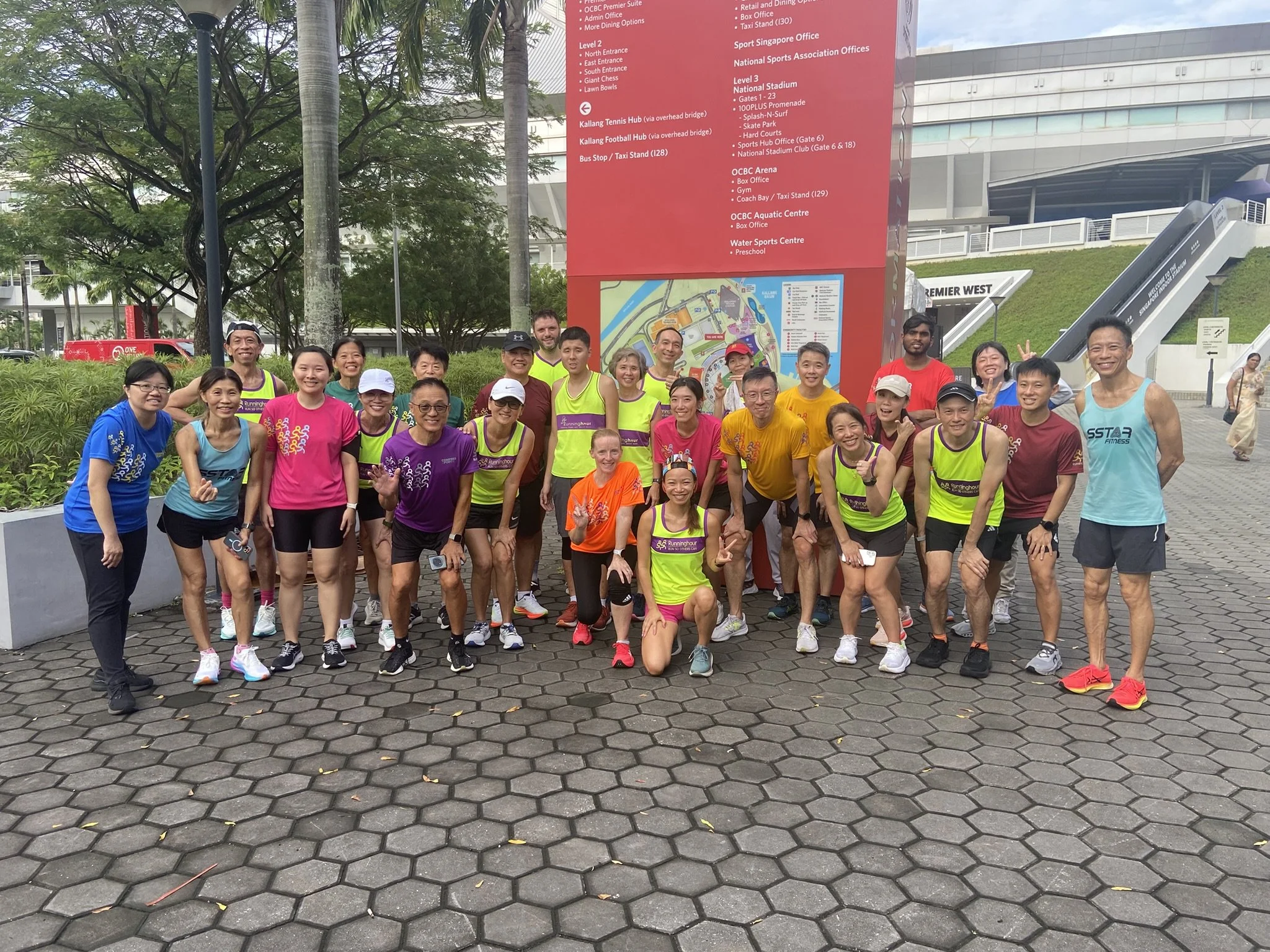
Many studies show that people with disabilities tend to be more physically inactive, which can lead to various medical conditions. This is often because they do not qualify for performance or school-based disability sports programs. While para-sports organisations offer vital competitive pathways, they tend to exclude those who are seeking community rather than competition.
This is the gap we are trying to address at Runninghour. We are developing an open-access, community-based disability sports program where people with and without disabilities can train together, build meaningful connections, and experience the physical and mental health benefits of sport.
We are the only disability sports organisation in Singapore that does not require a diagnosis, does not set performance benchmarks, does not charge participation fees, and does not discriminate across disabilities. Our athletes include people with autism, intellectual and developmental disabilities, visual or hearing impairments, and other physical disabilities.
We cater to a wide range of needs, which makes our work both unique and, at times, challenging. Over the years, we have grown from a small informal running group into one of Singapore’s most active inclusive sports communities, with more than 800 athletes, volunteers, and caregivers in our network.
Today, our programs have expanded beyond running to include fitness, yoga, hiking, and adaptive sports such as dragon boating and rock climbing. This opens up access to activities that many of our athletes may not otherwise have had the opportunity to experience. In 2025 alone, we engaged over 10,000 participants across more than 220 activities.
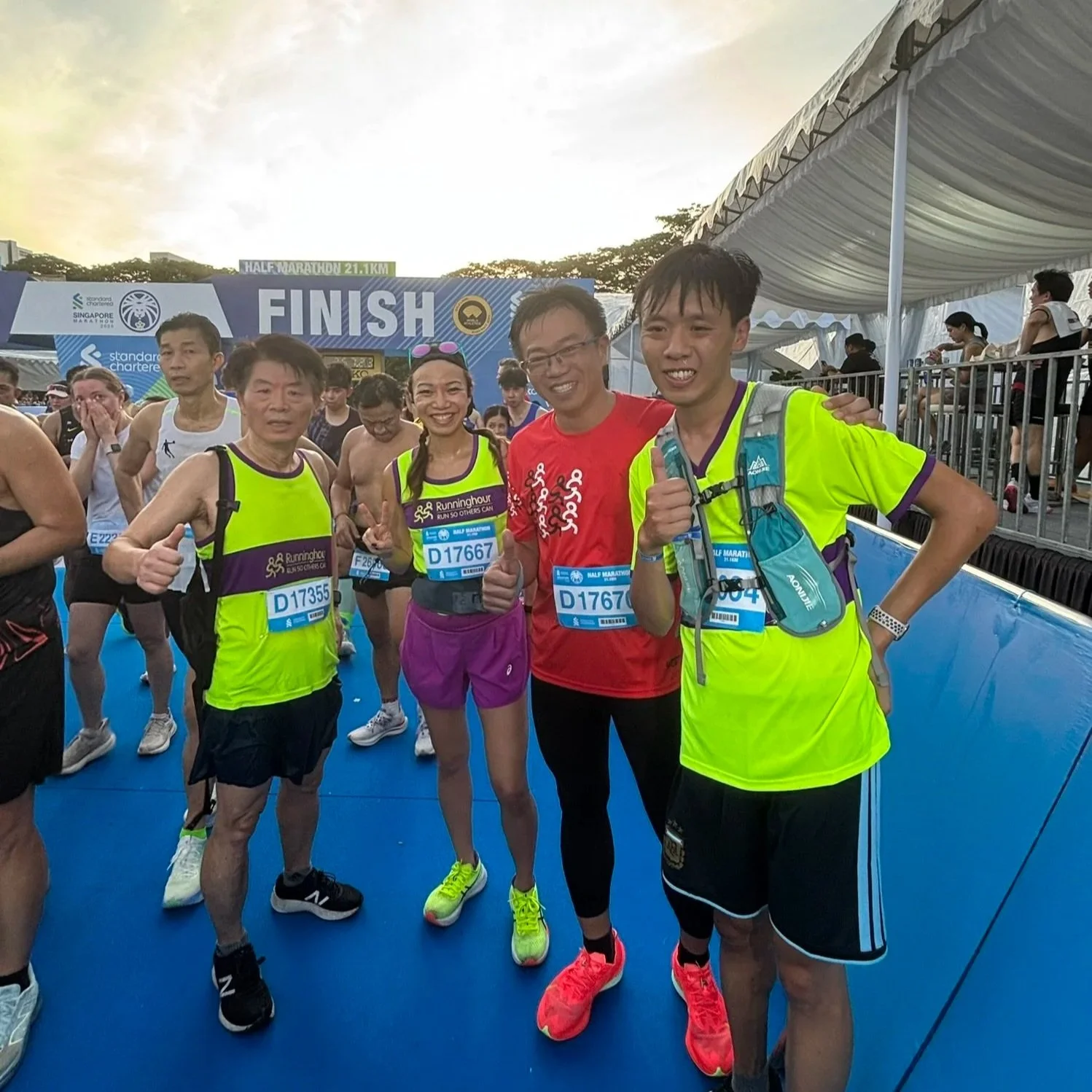
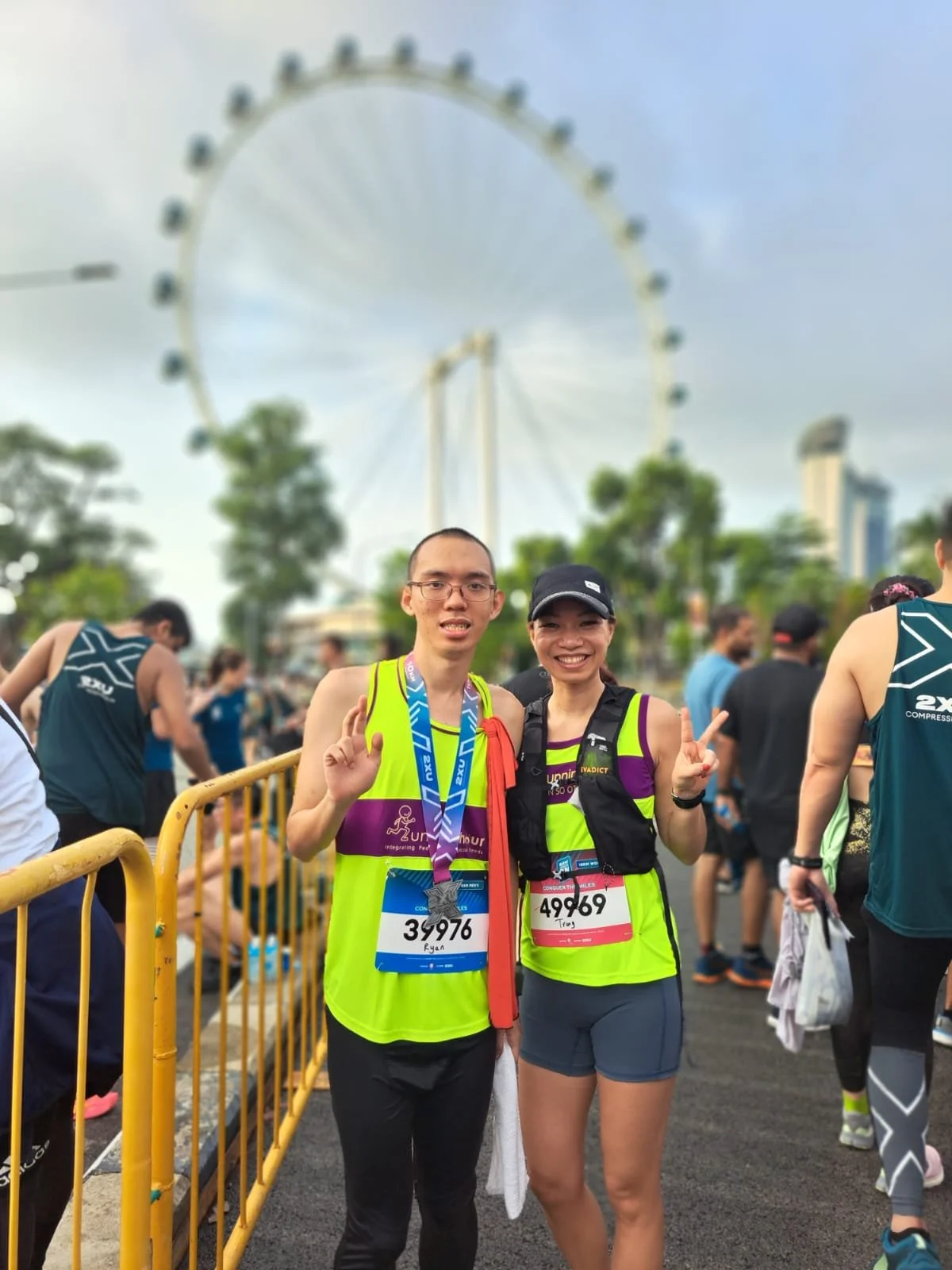
My focus is on strengthening the quality and sustainability of our programs, particularly as we continue to scale. This includes designing more structured training pathways. Last year, I launched our first half marathon training program, which enabled many of our athletes to complete their first 21-kilometre race.
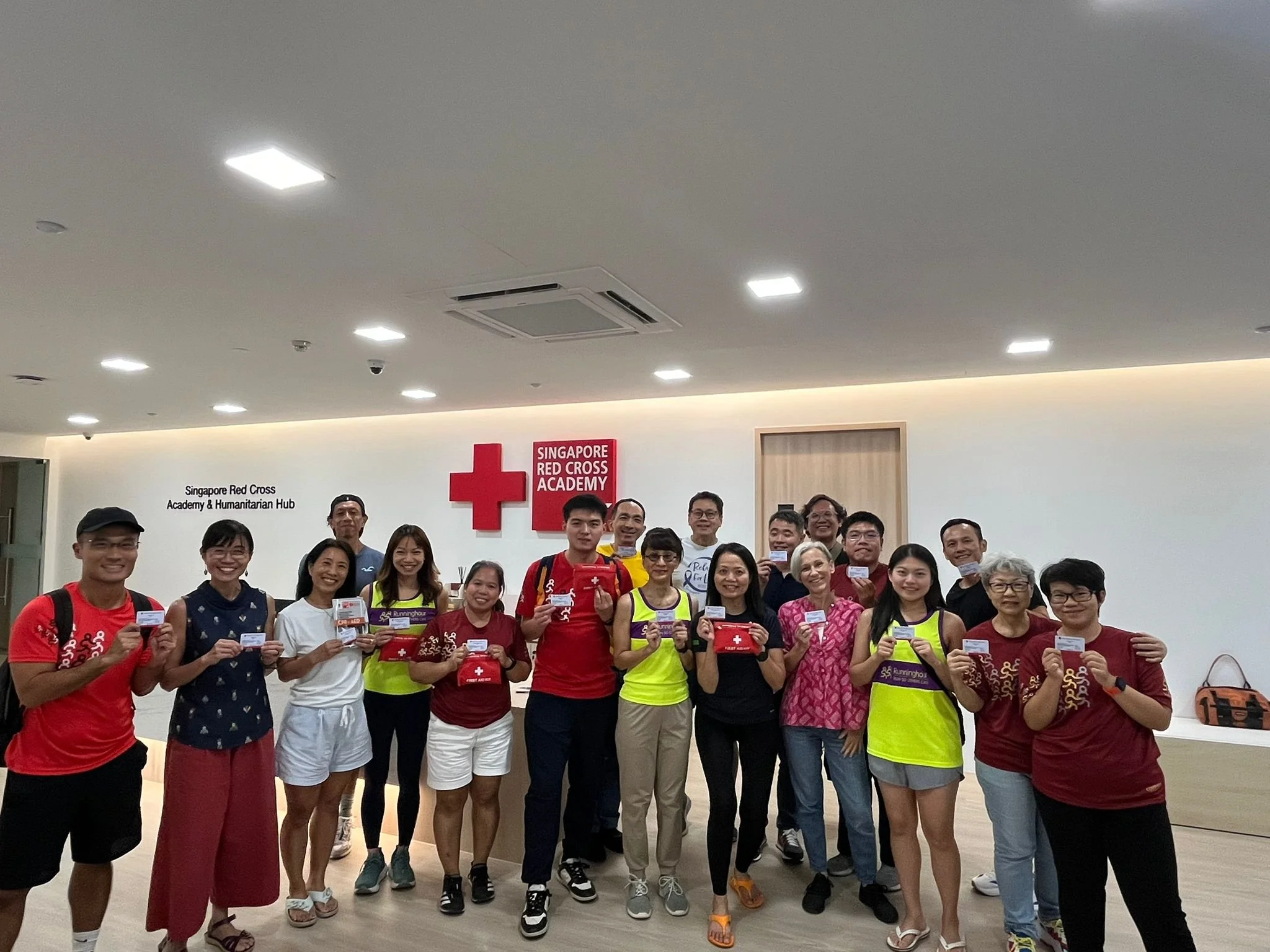
I am also passionate about upskilling our volunteers through initiatives such as First Aid training and running workshops, empowering them to become better coaches. In addition, I lead fundraising efforts and build long-term partnerships with corporates, grant makers, and race organisers.
These collaborations allow our athletes to participate in mainstream races and achieve milestones they may never have thought possible, in a safe and meaningful way.
What has drawn you to sport as a powerful lever for inspiring systems change, social cohesion, and integration?
For the longest time, while my work was centred around policy reform and storytelling, much of it happened at a distance. Even though I was working on important and often niche issues, I wanted to engage more directly with communities on the ground.
Shifting into inclusive sports and disability inclusion was my way of combining my experience influencing systems and organisations with a more tangible, community-based impact through my work with Runninghour.
Sports have also been a personal passion of mine. I have been a runner for most of my life, but it was during COVID that I rediscovered my love for long-distance running and endurance sports. During the pandemic lockdowns in 2020, I remember spotting Runninghour’s trademark bright yellow T-shirts, and the rest is history.
What started as a casual volunteer opportunity, where I could run and give back at the same time, quickly became a lifeline during one of the most challenging periods of my life, both personally and professionally. As cliché as it may sound, Runninghour and its community truly saved me.
It became an obvious choice to stay and continue this work, allowing me to combine my love for running, my passion for inclusion, and my belief in the community-building power of sports. I truly believe that sports have a unique way of bringing people of all abilities and backgrounds together.
Sustained access to movement can significantly improve physical health, mental wellbeing, social integration, and overall quality of life and independence for people with disabilities. The United Nations has also recognised sports as an effective tool for the social inclusion of people with disabilities in its 2030 Agenda.
This becomes especially important as people with disabilities age out of traditional support systems, which typically happens after 18 when they graduate from special education or mainstream schools.
We refer to this as the “post-18 cliff”, where opportunities for meaningful employment, relationships, and personal growth narrow significantly. Many individuals are left unemployed and socially isolated, which can negatively impact both their physical and mental health.
Through Runninghour, we aim to use movement-based and community-centric activities to create safe spaces where adults with disabilities can build friendships, regain confidence, and develop a strong sense of belonging.
Why is storytelling important for shifting societal perceptions, and how can narratives influence community participation, policy, and positive change?
I first came to appreciate the value of storytelling at the Thomson Reuters Foundation (TRF), the charitable arm of Reuters. TRF established one of the first global news desks reporting on issues that were overlooked in mainstream media, from modern slavery and human trafficking to climate change and women’s rights.
Using storytelling to surface voices and issues that might not otherwise have been heard, we were able to shift narratives, unlock critical funding, support training programs for journalists, and even influence policy change. This experience shaped my own commitment to addressing underreported social and environmental issues.
One lesson I learned early in my career is that while research, data, and statistics are important, what truly resonates is the lived experience of people on the ground. Telling these stories in an authentic and meaningful way is what creates connection, particularly when dealing with niche or complex issues that may feel distant to the average person.
For example, while campaigning against child marriage in the US, a country where many would not expect the issue to persist, activists staged protests wearing bridal gowns and veils, with their mouths taped and arms chained. This created a powerful visual representation of the human rights abuses these girls face every day.
Similarly, when advocating for safe shelter for LGBTQ+ refugees, we shared stories of individuals forced to flee their home countries where being themselves is punishable by death. I believe that even today there are still at least 12 countries where the death penalty is applied to LGBTQ+ individuals.
These stories helped make abstract policy debates far more tangible, and the outcomes were significant: They contributed to the first law banning child marriage in the US, as well as the opening of the first safe house for LGBTQ+ refugees in the UK.
However, it is also important to ensure that storytelling does not exploit people’s experiences, victimise them, or sensationalise their lives.
In disability inclusion, for example, there is often a tendency to focus on vulnerability. This can reinforce a charity-based model where people with disabilities are framed purely through their limitations. Instead, I aim to highlight strengths, achievements, and milestones.
This could be a runner completing her first marathon while gradually losing her eyesight, or someone I know who had meningitis at birth and could barely walk, but now regularly joins us for two-hour hikes at Runninghour. I coach a fitness class, where she has been participating fully, doing jumping jacks, running drills, and conditioning exercises alongside everyone else.
Witnessing these transformations and sharing these stories are incredibly important. It reflects a broader shift from a medical model of disability - which treats disability as something to be fixed - to a social model that recognises how environments are often more disabling than the disability itself.
This shift in perspective is what should ultimately inform how we design interventions and create more inclusive systems.
What advice would you give to aspiring changemakers and entrepreneurs looking to drive inclusive change?
I am happy to share a few principles that have informed my own changemaking journey. Some may seem simple, but they are worth consistently reminding ourselves of.
First, let go of the hero complex. Real change is not about being the saviour in someone else’s story. I am uncomfortable with the power imbalance that can exist between funding organisations and the communities or nonprofits they support. People closest to the issue usually understand it best, so our role as storytellers, advocates, and changemakers is to listen, amplify, and co-create alongside them.
Secondly, start small and pilot locally. Take the time to deeply understand the issue before thinking about scaling. Even as you grow, as we have at Runninghour, it is important to prioritise quality and safety over quantity. This can sometimes go against what funders expect, particularly those focused on quantitative KPIs, but it is critical for long-term impact.
Third, stay humble and recognise that we do not know everything, and we never will.
Fourth, focus on the ecosystem, not your “egosystem”.
Leave your ego at the door. There are many organisations, even within the social sector, working on similar issues but operating in silos and competing for the same limited funding. This is counterproductive. Instead of focusing solely on the problem you want to solve, look at who else is already doing the work and explore how you can collaborate or build alongside them.
Finally, and perhaps most importantly, build emotional resilience. Impact work is non-linear. You may lose team members, funding can be cut, and self-doubt will inevitably arise. It is important to create space for yourself and surround yourself with people who can mentor you or simply offer a listening ear.
Protect your inner sustainability just as much as your aspiration to drive external impact.
What inspiring projects or initiatives have you come across recently creating a positive change?
In Singapore, I am inspired by organisations like ART:DIS and Foreword Coffee, which create meaningful training and employment opportunities for people with disabilities through the arts and coffee.
This is particularly important in addressing the “post-18 cliff” I mentioned earlier, where many people with disabilities are left unemployed, socially isolated, or limited to narrow and often menial job options.
While the Singapore government has set an ambitious target of employing four in ten people with disabilities by 2030, this has sometimes resulted in individuals being placed in roles simply to meet quotas, rather than ensuring meaningful and dignified employment.
ART:DIS and Foreword Coffee are taking a different approach by creating a more enabling and supportive environment. They provide continuous job coaching, opportunities to upskill, and pathways to develop skills that align with each individual’s strengths and abilities.
Rather than expecting people to conform to traditional workplace structures, they design environments that empower individuals to succeed and reach their full potential. For example, a typical nine-to-five workday in a busy, open-plan office may not suit someone with ADHD or autism who experiences sensory or emotional regulation challenges.
ART:DIS offers more flexible, gig-based opportunities such as commissioned artwork, design projects, and workshops. These allow individuals to work in ways that suit their needs while still receiving structured support to protect their rights and wellbeing.
I also admire the work of Hello Flowers!, a social enterprise that delivers therapeutic flower workshops for people from vulnerable backgrounds. They recently facilitated a session for Runninghour caregivers, which was a powerful reminder of the importance of also caring for those who care for others. Caregivers are truly the pillars of our community, and it is essential that we also create spaces for their wellbeing and support.
To finish off, what books or resources would you recommend to our audience?
One organisation that has really transformed the way I think about impact work is One Young World, and I would highly recommend it to aspiring changemakers.
Their mission is to bring together young leaders from around the world and equip them with the networks, mentorship, and visibility needed to scale their impact.
I was fortunate to receive their Campaigner of the Year Award in 2023, and the community that came with attending their Summit has led to lifelong friendships and many meaningful collaborations.
They host an annual summit, so I would encourage listeners to explore whether their organisation participates, or look into the scholarships that One Young World offers.
Another resource I would recommend, particularly for those working in social impact and philanthropy, is the asset-based community development approach, or ABCD. This framework focuses on the strengths and capabilities already present within communities, rather than framing people solely through their needs or deficits.
More recently, I have been learning more about neurodiversity and autism and would recommend two books on the topic. NeuroTribes offers a fascinating history of autism and challenges many of the misconceptions shaped by outdated science and social attitudes. Uniquely Human takes a more human-centred approach, focusing on empathy, strengths, and acceptance rather than deficits.
For those interested in sustainability and climate, I would recommend the podcasts Zero and Catalyst. In terms of wildlife conservation, I enjoy listening to WWF’s Nature Breaking podcast.
Finally, whenever I need a reminder that there is still positivity in the world, I turn to the BBC World Service’s The Happy Pod.
Initiatives and people mentioned on the podcast
Recommended books & Resources
Neurotribes: The Legacy of Autism and the Future of Neurodiversity by Steve Silberman
Uniquely Human: A Different Way of Seeing Autism - Revised and Expanded by Barry M. Prizant & Tom Fields-Meyer


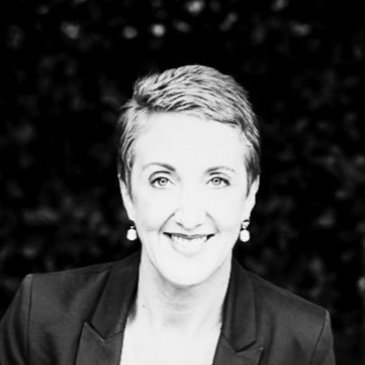
On Episode 623 of Impact Boom, Trang Chu Minh of Runninghour discusses building inclusive sports communities that strengthen mental wellbeing and social cohesion, the power of authentic storytelling to shift perceptions, and how collaborative systems can drive meaningful, sustainable impact.