
Crafting Narratives for Change: How Storytelling Amplifies Social Impact
In the social enterprise world, the pressure to demonstrate impact can be relentless. Boards want metrics. Funders want outcomes. Investors want data.
Yet, for all the rigour of evidence-based practice, the organisations that truly cut through, those that build movements, attract loyal communities, and shift the systems they set out to change almost always share one thing in common: they know how to tell a story.
This is not a coincidence. Humans are, at the most fundamental level, narrative creatures. Long before spreadsheets and impact reports, we made sense of the world through story. We encoded wisdom, transmitted values, and forged community bonds through the power of shared experience told aloud. As Matthew Wright-Simon of Engage Change puts it:
"We make sense of the world built around story, and I challenge anyone to name any successful venture, product or initiative that doesn't have a strong story behind it."
For social entrepreneurs, storytelling is not a marketing add-on to be considered once the business model is figured out. It is foundational - the catalyst that transforms a technically sound solution into a social movement, and a well-meaning organisation into one that genuinely changes lives.
Shaped by the experiences of global changemakers featured on the Impact Boom Podcast, this article unpacks how social entrepreneurs utilise storytelling as a strategic asset and advantage, amplifying authentic voices, and building the emotional connections required to shift systems and inspire change.
The Architecture of Belief: Why Story Is Central to Impact
There is a commonly held misconception that data is enough. Publish the right statistics, commission the right report, and the world will take notice. But impact leaders who have built genuine movements understand that data, on its own, rarely moves people to act. Jenae Tien, a multidisciplinary consultant and author, captures why:
"People connect far more deeply with stories than they do with data alone. Stories make information real. They help us remember, they help us see ourselves, and they activate emotion."
This activation of emotion is not a soft, peripheral outcome. It is the mechanism through which belief changes, and it is changed belief that drives behaviour. When Ken Oloo of Filamujuani reflects on the role of communication in his work, he speaks to something deeper than marketing strategy:
"When you understand the power of communication and story, then you're able to change your narrative. When you can change your narrative, then you can change your community's narrative."
This is the architecture of impact. Not a linear pipeline from program to outcome, but a web of belief, identity, and shared meaning that storytelling helps to construct. Social enterprises that understand this move from simply reporting what they do to actively building the perspectives that compel others to join them.

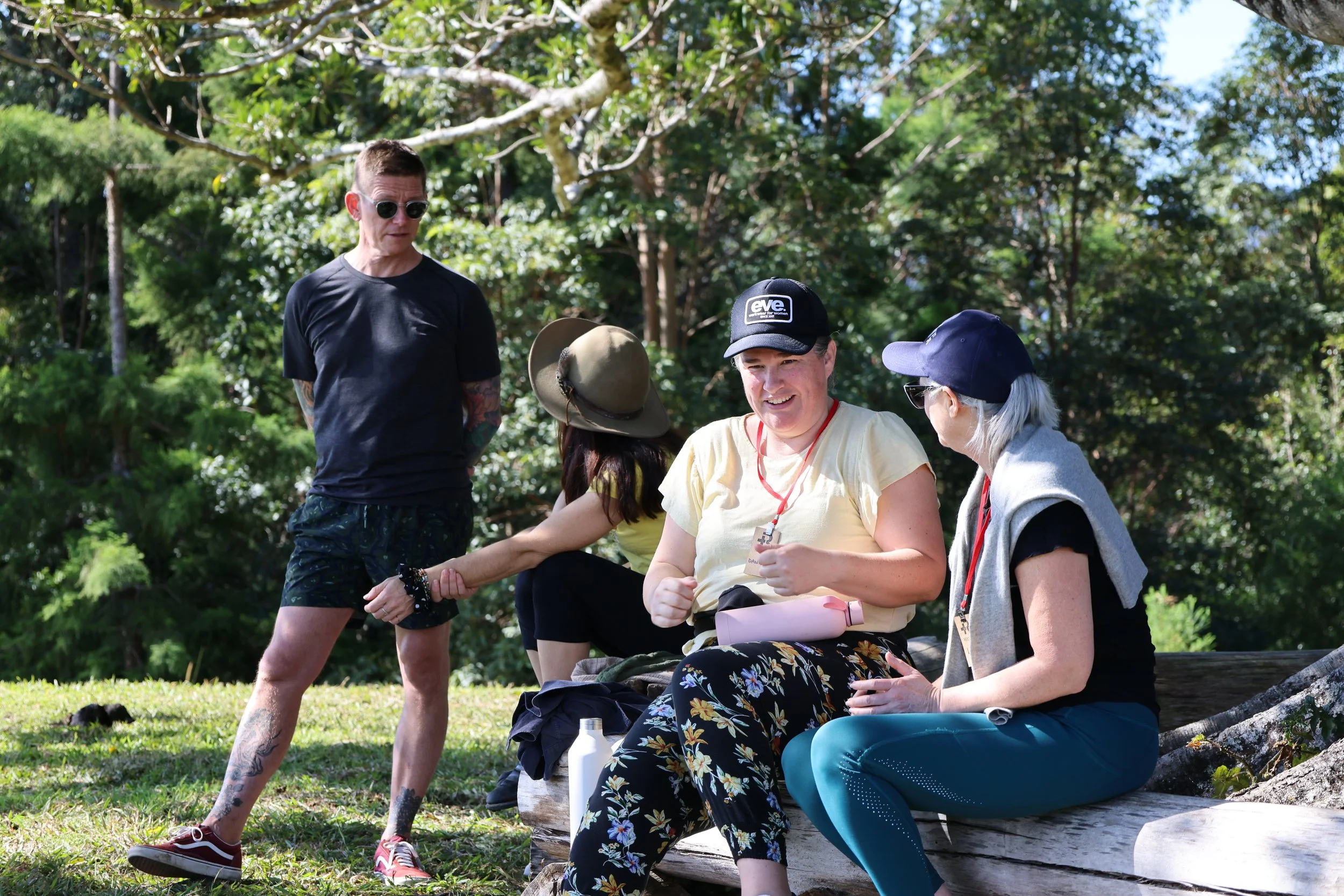
Changemakers sharing stories at the Reignite Retreat 2024.
Breaking Through the Attention Economy
Understanding why storytelling matters is only the beginning. The harder challenge is doing it well in an environment that is noisier than at any point in human history.
The digital landscape has created extraordinary opportunities for social enterprises. But while the tools to reach global audiences have never been more accessible, a crisis of attention has been created.
For organisations with limited budgets competing against global brands with vast communications infrastructure, this is an urgent strategic problem. Eric Ressler of Cosmic articulates these stakes plainly: if you don't seriously consider the attention economy, you are operating at a structural disadvantage before you've even begun.
But here is where social enterprises hold an advantage that money cannot buy. While commercial brands invest enormous resources manufacturing authenticity, the social enterprise has a mission that is genuine, urgent, and human. As Ressler notes:
"The superpower of the social impact organisation is that your mission is authentic and it always will be."
The social enterprise that can translate its authentic mission into compelling narrative has a competitive advantage no budget can build.
The Core Strategy: Authenticity and the 'Messy Middle'
For many changemakers, the instinct when it comes to storytelling is to present the best possible version of their work: polished outcomes, inspiring transformations, and a hero's journey. This impulse is understandable, but it is often counterproductive.
Audiences, as Tim Leeson of Gippslandia describes it, possess a finely tuned 'BS meter'. The more curated and sanitised a narrative, the more suspicious these organisations become. What builds genuine trust and deep engagement is not perfection, but honesty.
"I think that Australians particularly, are really good at it, and that's authenticity... we really have such a good 'BS meter'. If the connections that are developed are genuine, they're just unbelievably stronger."
Natasha Akib of Digital Storytellers pushes this further, arguing the most powerful stories are often the least polished:
"I really do think that the most powerful stories are not necessarily the most produced or overly-edited or technically perfect stories. They are the ones which at the heart of them are authentic and with that, that means really raw rough stories."
What this calls for is what might be termed a willingness to inhabit the 'messy middle': to share the challenges, doubts, pivots, and moments of uncertainty alongside the wins.
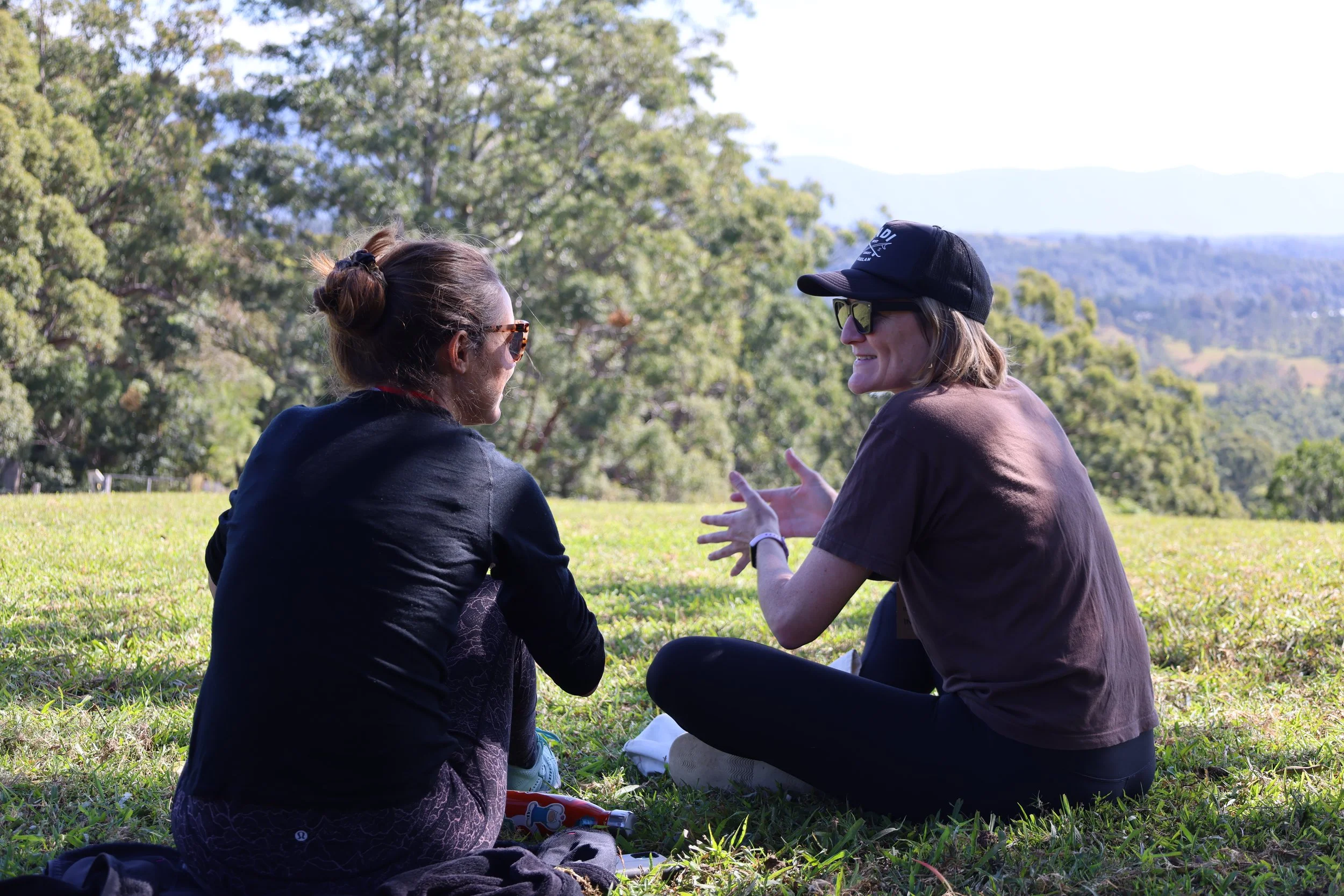
Changemakers sharing stories at the Reignite Retreat 2024.
This is not self-indulgence; it is strategic. The founder who reveals their battle scars creates empathy. The organisation that admits what isn't working invites collaboration. Sarit Sandler of MangoSoul Productions offers a liberating reframe for entrepreneurs who feel their story isn't remarkable enough:
"Make it coherent, make it good, make it inspirational. You don't need to have a crazy story to have a good story. Everyone has a good story and I think people forget that - they don't realise how awesome they are already."
Facilitation Over Translation: Uplifting Lived Experience
One of the most important shifts an impact leader can make in their approach to storytelling is to move from being the voice for a community to becoming the facilitator of that community's own voice. This distinction matters profoundly - not only ethically, but practically.
Stories told from the inside carry a different weight. They carry the authority of lived experience, the specificity of real detail, and an emotional authenticity that no secondhand account can replicate. This is especially critical in work with First Nations communities, where storytelling has been the primary vehicle for preserving knowledge, culture, and identity across more than sixty thousand years of continuous history.
Mikey Leung of Digital Storytellers articulates what this shift looks like in practice:
"Facilitating other people's stories is really how we believe we can create impact through storytelling. How when people tell their own stories and it's not being told by somebody else, they have the ones with the most authentic lived experience... and also in many times the inspiration that's created by someone who gets up and shares their story."
This facilitative approach does something else; it builds narrative resilience within communities. When a community can articulate its own needs and celebrate its own strengths, it can actively shape its future. Social enterprises that centre community voices in their storytelling do not merely communicate impact; they catalyse it.
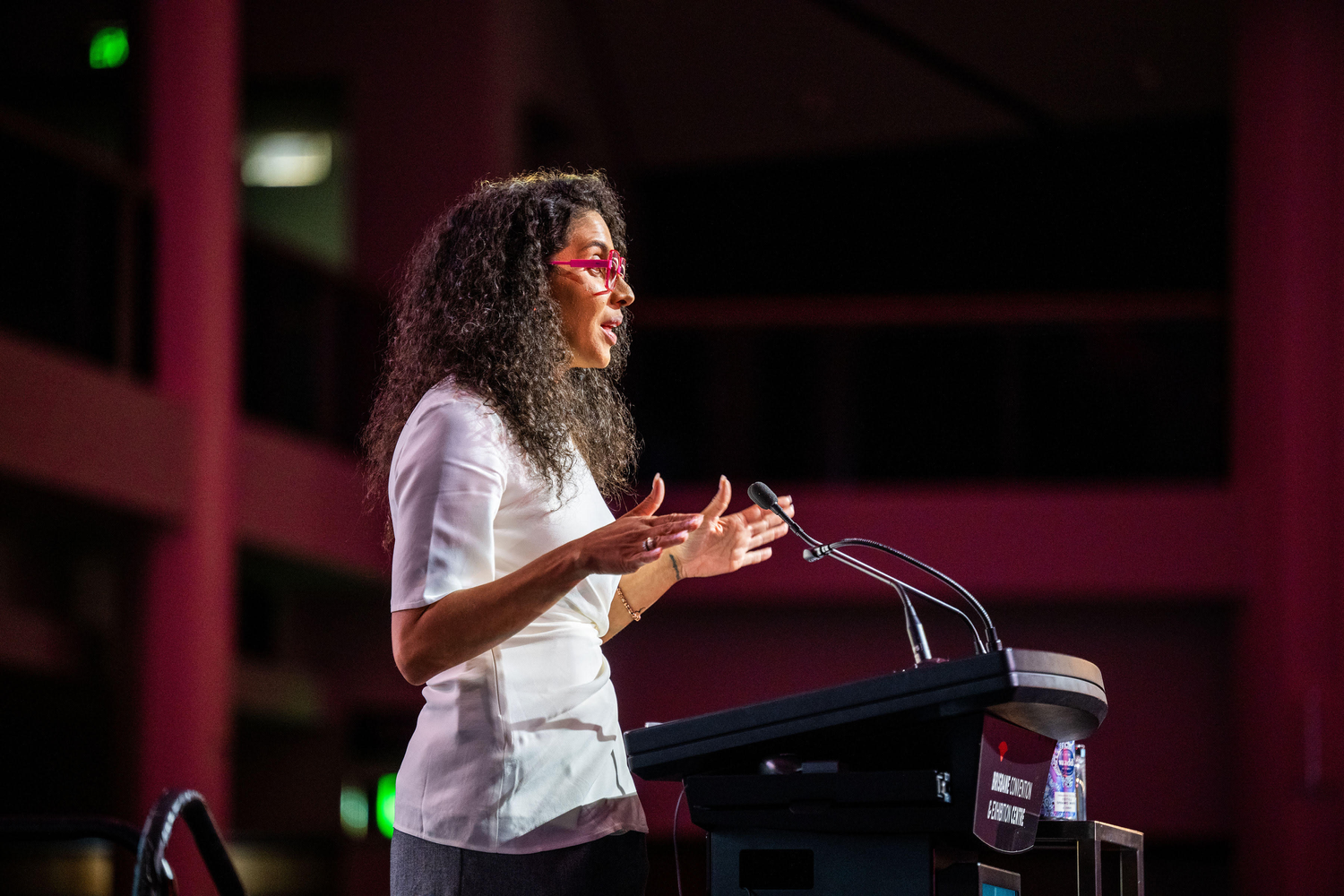
Episode 612: Jenae Tien On Embedding Allyship And Inclusive Cultures Within Classrooms And Corporates.
The implications extend to the systems level. Leung's broader vision connects individual story to collective transformation:
"If we want to grow the social enterprise movement... we have to tell our stories bigger, better and beyond ourselves outside of the sector. To do that, the seed is storytelling."
Community Building: The 'Give Before You Get' Principle
Storytelling for social enterprise is never a one-way broadcast. Its real power lies in the relationships it creates, the communities it gathers, and the sense of shared ownership it generates. Understanding this shifts the entire strategic orientation of how an impact organisation communicates.
Tom Dawkins of StartSomeGood has watched this dynamic play out across hundreds of social enterprise crowdfunding campaigns. His distillation of what works is deceptively simple:
"The principal with social media is always give before you get... The way to build a community is not to convince them to care about something they don't, but to identify the things that you have in common."
This principle reframes storytelling from persuasion to invitation.
Mardi Brown of PonyUp for Good captures the relational quality of this kind of storytelling:
"Tell those beautiful little stories and help really engage people along the way because it helps to create that loyalty and that engagement for the long term."
Cinnamon Evans of CERES offers a usefully expansive definition of what counts as storytelling in this context:
"Everything you do is a communications activity, from the stories that you tell, to the way that you interact with your community."
The implication is significant: your story is not just what you say in your annual report or social media posts. It’s the sum of every interaction, decision, and moment of transparency or evasion. Organisations that understand this build communications not as a department, but as a culture.
Stories as a Tool for Systems Change
The most ambitious use of storytelling reaches beyond individual organisations and their communities to the systems that govern how we live together. And this, perhaps, is where narratives becomes most radical.
Damon Gameau, the filmmaker behind 2040, works at precisely this level. His observation about the relationship between story and structural harm is worth dwelling on:
"Collective narratives - stories we tell ourselves about being separate from nature or inherently greedy - often hold harmful systems in place... there's a role of story and art in particular to wake people up from that."
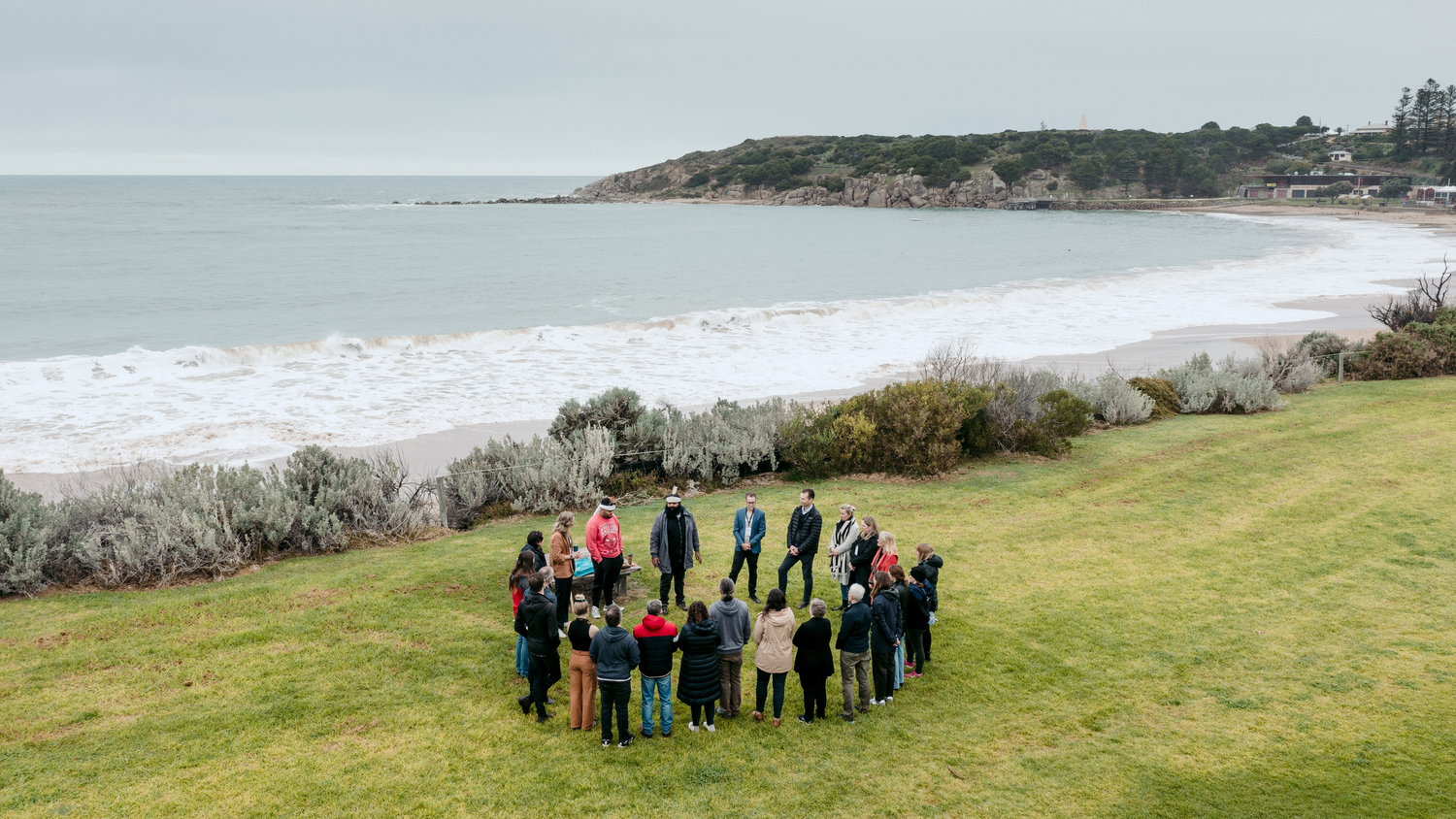
Episode 611: Matthew Wright-Simon On Storytelling and Building Culturally Connected Systems for Impact.
If the narratives we inherit shape the systems we inhabit, then creating new stories is is an act of establishing social architecture. Entrepreneurs who can articulate a compelling vision for the future are doing something more than marketing; they are expanding the horizons of what people believe to be possible.
Matthew Wright-Simon of Engage Change sees this as the very foundation of change work:
"Storytelling is the key to this change work. We dream in stories, and I think it's hard to have a vision without dreaming."
Karis Gill of Social Stories Club connects this directly to the mechanics of social movements:
"Stories are one of the best ways to change belief systems, transform societies and really get people involved in movements and charged up to make a change."
Louise Tran of OzHarvest Ventures also reminds us that this power compounds across organisations and sectors:
"The more stories we can share and the more impact we communicate through storytelling, the more we can inspire better business practices."
Not just a campaign, but a long-term investment in the shared imagination of a better future.
Storytelling as a Foundation for Lasting Change
There is a practical dimension to all of this that is worth stating plainly: communication is not an afterthought. The most technically sophisticated social enterprise in the world will struggle to survive, let alone scale, if it cannot tell its story in a way that resonates.
Ashley Sharp of Dwell with Dignity captures the essential strategic logic:
"Statistics are great, but you need to create the quickest path between your mission and your audience and that's going to be through empathy and human stories."
That path, followed with empathy, human connection, shared meaning, is the one storytelling builds. It is also, as the 'business for good' movement continues to gather momentum, increasingly the path that separates organisations that thrive from those that merely survive.
Luke Faccini of Sponge offers a final, quietly powerful note about where storytelling ultimately leads: not to a story you tell about yourself, but to a story others tell about you.
"What you do needs to be simple, it needs to be clear, and it needs to come from the heart. It's not really about how well you tell it, but it's about how others are going to tell that story for you."
Simple, heart-centred stories resonate profoundly with audiences, take on a life of their own, and inspire communities to support positive change. Storytelling is not just something your organisation does, but it can be an irreplaceable strategic asset and component of its identity.
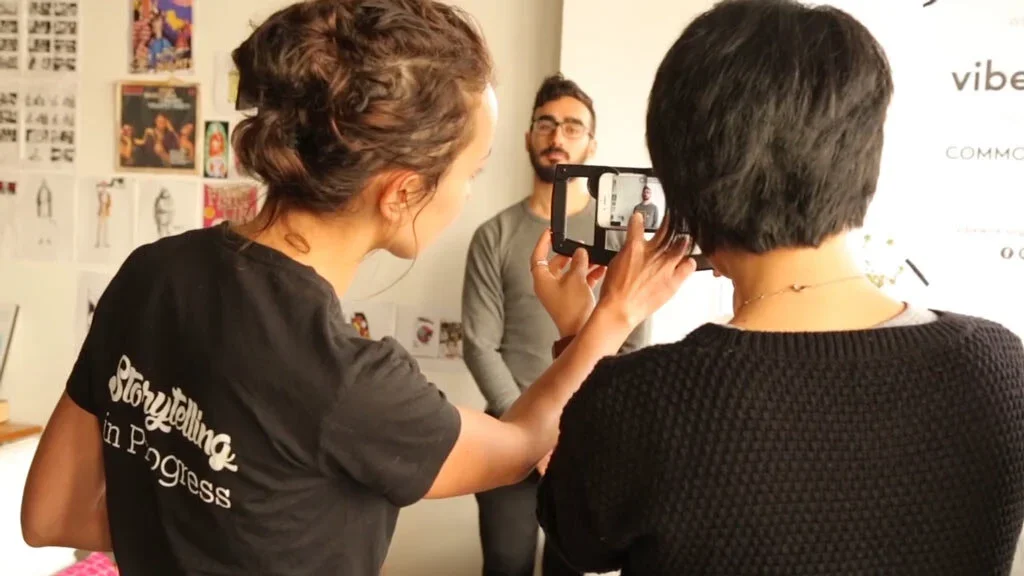
Episode 207: Mikey Leung & Natasha Akib On How To Tell Stories That Create Impact.
The invitation is clear: lead with your why, centre the voices of those you serve, and embrace the complexity of the journey you are on. If you trust that a story told with honesty and care can change what people believe is possible, than that’s where every lasting transformation must begin.



Shaped by the experiences of global changemakers featured on the Impact Boom Podcast, this article by Tom Allen and Indio Myles unpacks how social entrepreneurs utilise storytelling as a strategic asset and advantage, amplifying authentic voices, and building the emotional connections required to shift systems and inspire change.