Kat Dekker On How Everyday Businesses Can Convert Profits Into Lasting Impact With Effective Giving
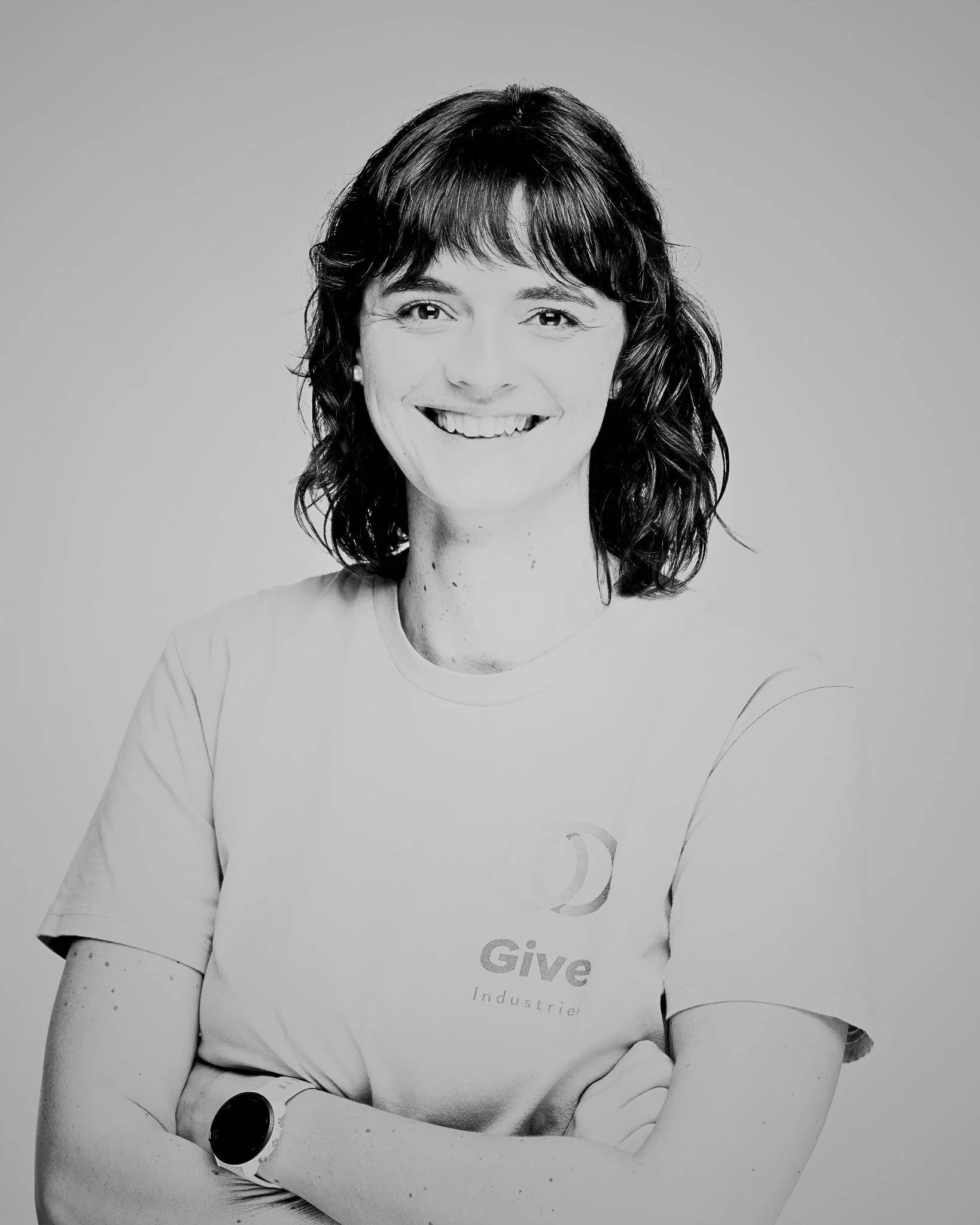
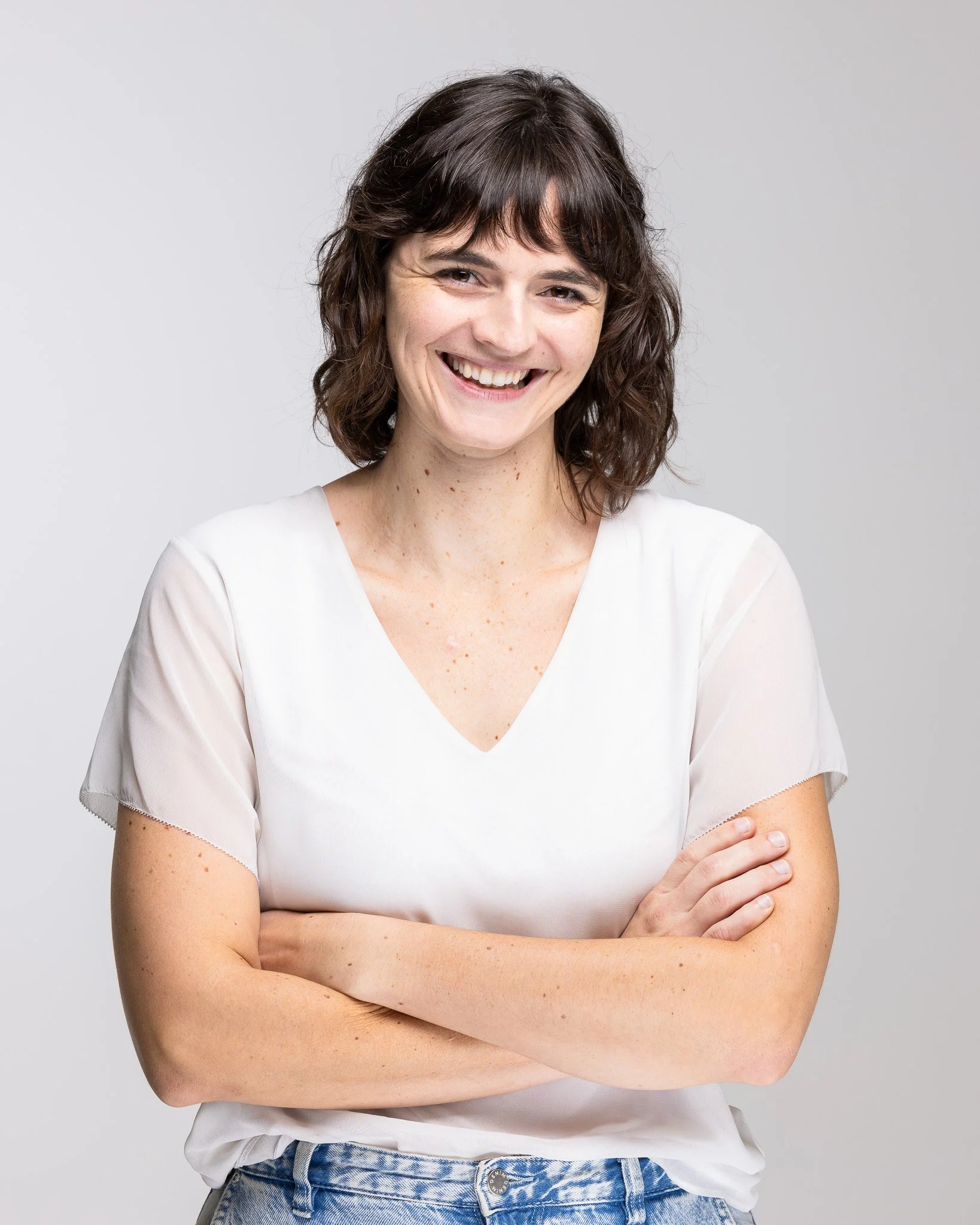
Kat Dekker is the co-founder of Give Industries, a social enterprise transforming the way we think about business and giving. With a background in theatre and community engagement, working everywhere from prisons to marginalised communities, Kat never expected to be running a trades company.
Today, she leads an organisation that operates like a high-quality electrical contractor but exists solely for the benefit of others. Under her leadership, Give Industries directs 100% of its profit toward the world's most effective charities, proving that profit-for-good isn't just a concept, but a powerful, scalable reality.
Kat discusses building commercially sustainable businesses that embed effective giving into their business models, and where there are opportunities to encourage entrepreneurs from traditional industries to join the business for good movement.
Highlights from the interview (listen to the podcast for full details)
[Indio Myles] - To start off, can you please share a bit about your background and what led you to social entrepreneurship?
[Kat Dekker] - As you shared in the introduction, I haven’t had a linear journey to running an electrical trades company. My background is in theatre and community work, and I kind of stumbled into this role. It wasn’t on the career pathway, but I’m happy to be where I am.
I spent my early twenties working in theatre and community. My only kind of official academic training is in theatre, and so I went and worked in the prison system in what I’d now call a social enterprise, although we weren’t using that term at the time. It was an arts company that worked with people who were incarcerated to put on Shakespeare shows. It was a whole lot of fun and one of my favourite things I’ve done in my life.
Around the time that I was doing that and moving into community work, I met my co-founder and partner Calvin and my other co-founder Jeremy. It was just conversations between the three of us that led to my rather big career shift from theatre work into running Give Industries.
I was looking at the options I had for my career ahead of me and the ways in which I wanted to positively influence the world I lived in. This seemed like a way to use some skills I had and, let’s be honest, some overconfident twenty-something year old energy. I was young and dumb and ambitious enough to try something new.
As a co-founder of Give Industries, share more about what inspired you to start business and how it approaches creating impact?
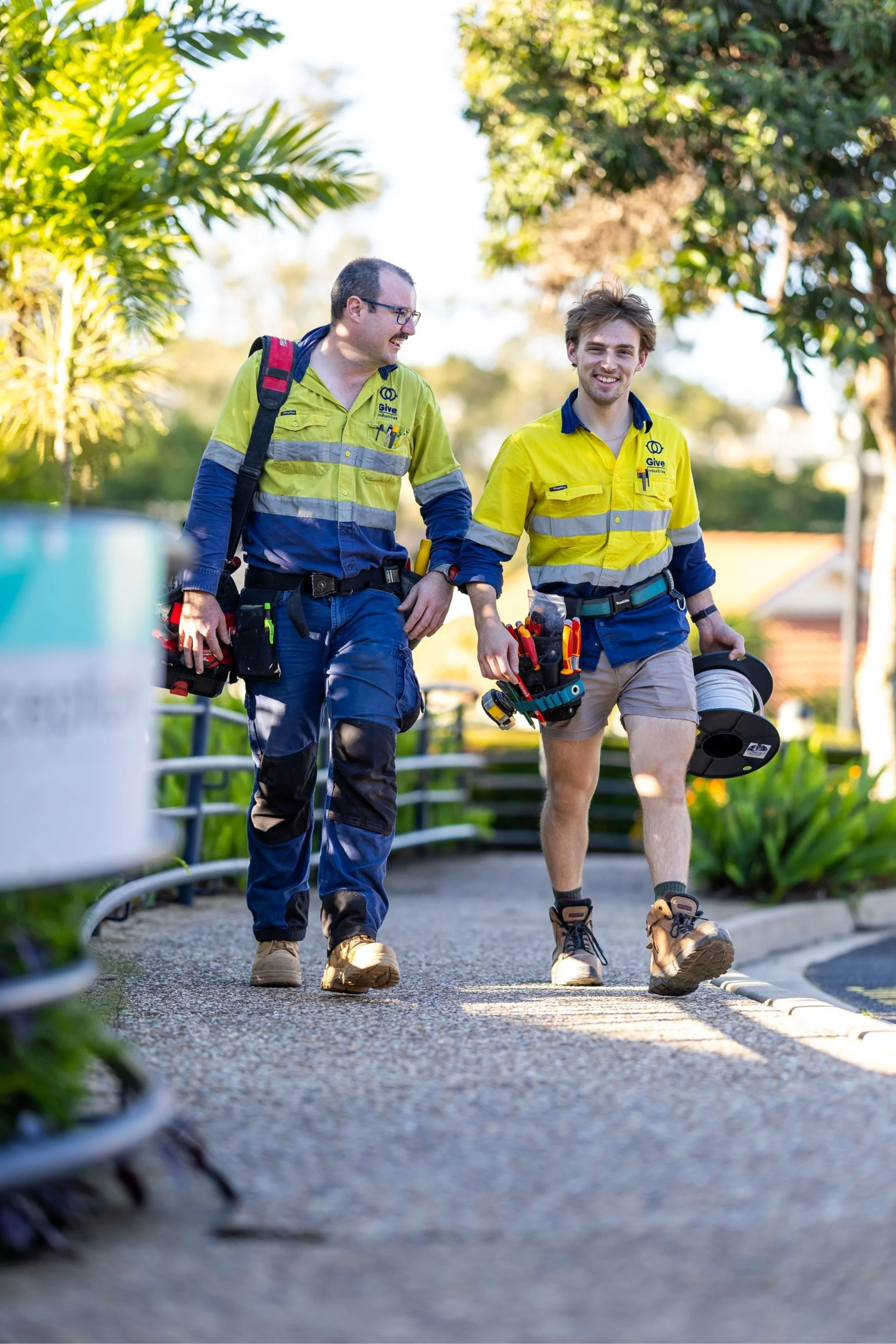
At its heart, Give Industries is a pretty simple idea, and we put most of it in the name. I’ll tell you about the industries part first. We’re electricians, mostly working for commercial and government clients, although we do some work for homeowners and residential clients as well.

Our commercial model is pretty traditional; we hire and train electricians, and we make sure they’re nice people who do good work. Otherwise, it is a pretty standard business. Where we become a bit of an unusual organisation is the other part of our name, the ‘Give’ part. We exist to be a money-making machine.
As founders, we wanted to be philanthropists, but we weren’t wealthy, so this was our way to do that. We raise funds by completing commercial electrical work. We don’t have owners, and we don’t have shareholders. We’re structured as a not-for-profit, and all of our profits left over after paying our staff and suppliers go to fund our charity partners.
We don’t deliver any charity work directly ourselves. We figured that we could be much more useful doing the money side of things and then handing it over to people who are already doing beautiful work solving some of the world’s biggest problems in some of the smartest and most cost-effective ways.
You’ve raised more than $1 million for charity. How has your understanding of effective giving evolved, and what can other purpose-driven organisations learn from it?
My relationship with this idea of effective giving is still evolving, and I’m excited to continue to learn more about this space. I’ll go back to the beginning and talk a little bit about the logic of when we started and why. I think it’s a good recommendation for people who want to try giving.
The term ‘effective giving’ is something I’ve borrowed from some communities I’m part of. There’s an organisation called Giving What We Can, and another called The Life You Can Save. These organisations are focused on encouraging people to give when they can, and secondly, to be really considered about where they give.
Some charity interventions or organisations can have a significant return on investment for your donation, and it’s okay for us to be kind of mathematical when it comes to philanthropy. It doesn’t make it any less heartfelt if we’re trying to run the numbers and work out how many people we can help. In fact, that should be seen as an empathetic way of approaching this work.
In many ways, it helped in the early stages because, as I’ve been saying, we were donating to ‘safe bets’. We were donating to organisations with a proven track record and rigorous data. We were running our business here in Brisbane without the ability to go and see what was happening on the ground, and a lot of our donations go overseas. Giving to those safe bets was a strong way to just start creating impact and build that habit.
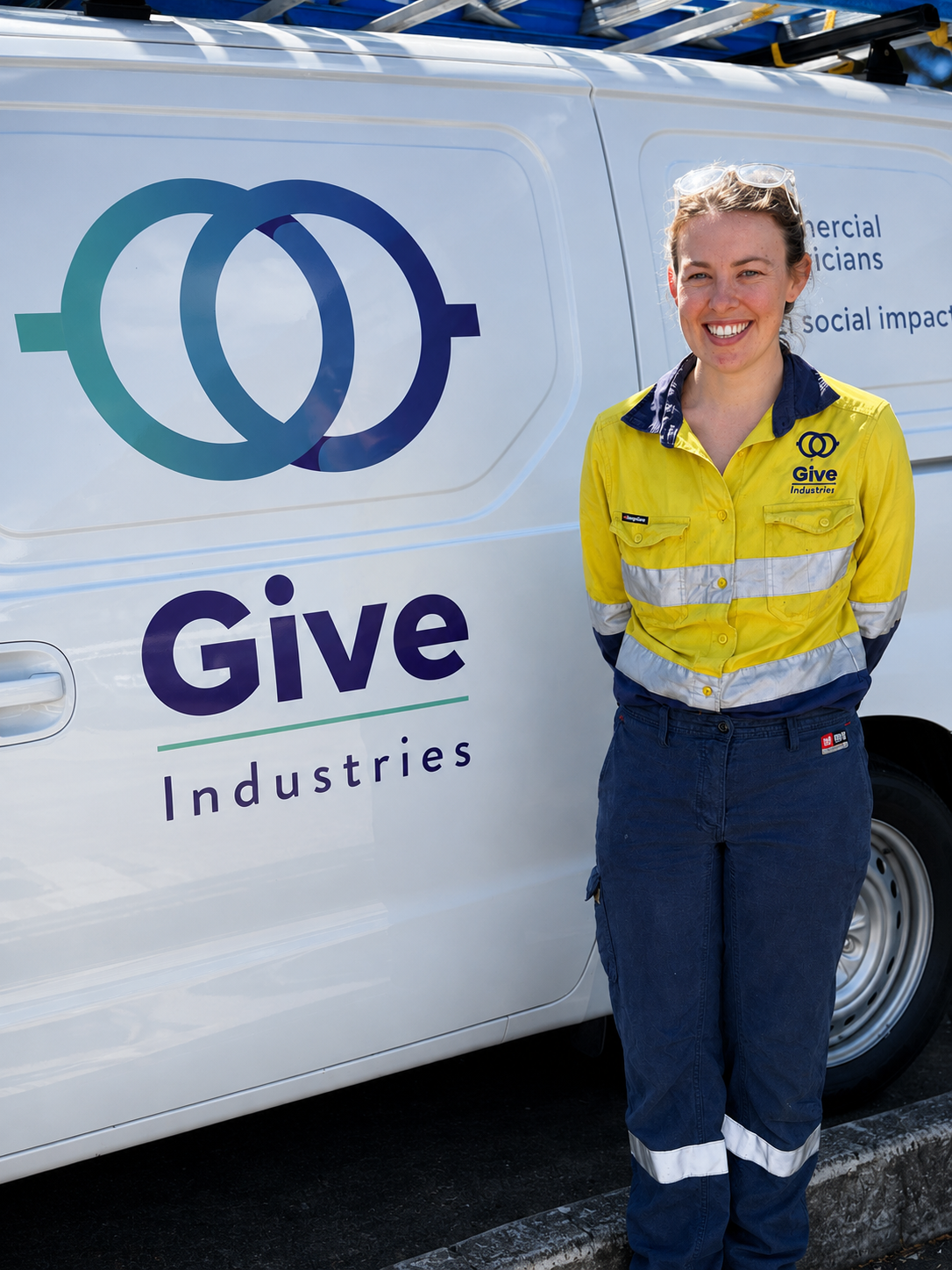
As we grow and our understanding of the philanthropic sector evolves, we’re looking to expand some of our philanthropy and give more broadly as well. But we’re still focused on some of those safe bets as part of our giving portfolio, and I encourage people to see that as a nice way to start giving.
There is a lot of understandable fear when people want to give to charities. They get locked into decision paralysis because there are so many things this world needs to solve, and deciding where to give is hard. For me, this is a nice first step; give to the safe bets where there’s strong data that shows you can make a massive difference to someone’s life or many people’s lives.
Once you build that muscle, consider other ways of giving as well. Give to causes that personally resonate with you or where you might actually have expertise.
What common pitfalls do you see for people starting out in social impact, and what advice would you give them?
I’ve only ever done it this way, so I’m not comparing experiences. I haven’t done it one way and then failed and ended up this way and succeeded, so I can only talk to my experience. I just want to put that caveat out there.
The advice we were given in the early stages, and to some extent still get, often focuses on direct impact. We got a lot of encouragement to use some of our skills to do direct work as electricians instead of donating. There are a lot of organisations doing this beautifully, but there are also organisations that fail or struggle when they try to both generate profit and fund a new charity arm or something like that. I think it’s okay to just be the money people, and that’s where we’ve seen our role.
We want to be a money-making machine, and we know how to do that well. We trust our skills on that side, and we don’t need to be the experts in the actual hands-on impact work so long as we are choosing those partners well. That’s from my one-sided perspective, but I think we’ve been able to succeed where other people have struggled because we didn’t try and do it all. We just tried to do this one piece of the puzzle well.
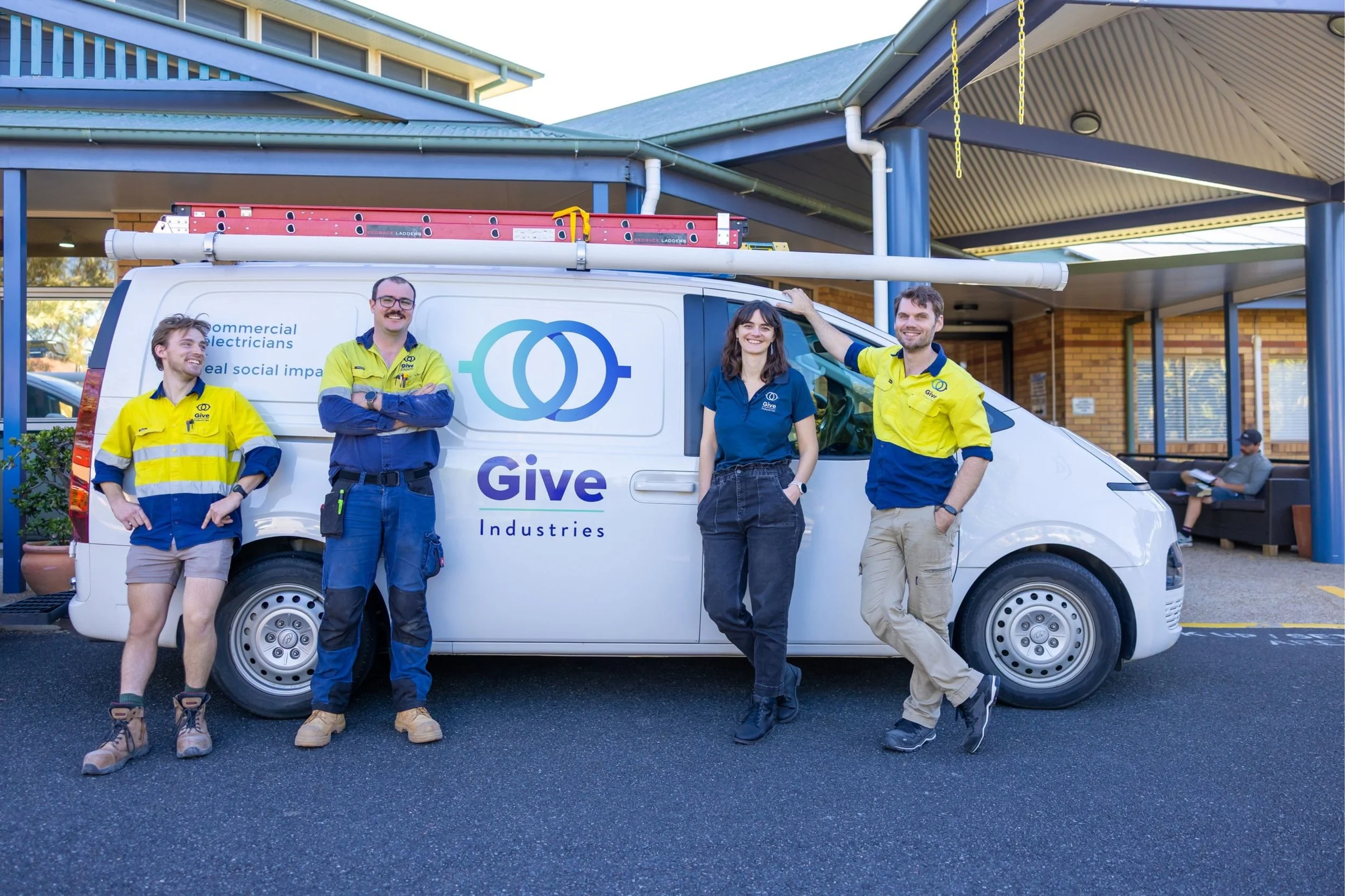
What opportunities and barriers do you see for the business for good movement, and what would help it go mainstream?
It’s an exciting time in the movement, particularly from my perspective, because I’m seeing a lot of momentum in the profit-for-good space. There are organisations similar to us that are looking at developing a structure that is focused on revenue in and profit out. There have been a couple of amazing organisations doing this for years. We’ve got some heavy hitters here in Australia. You’ve interviewed a bunch of them, and there’s real momentum in this. space. A lot of people from some of those original organisations are now really trying to encourage others to join.
I see it as an excellent pathway for young entrepreneurs who may have a traditional skill set like electrical work. You don’t need to be an innovator to be creating impact, you just need to know how to run a profitable business. I see that as a big opportunity and something I’m keen to encourage people to do. Consider what skills you have or what you’re passionate about, and whether there’s a way to build a business around it. Any business can be a profit-for-good business.
It doesn’t need to do anything different except change where the money goes. In many ways, I find that a simple way of participating in the business for good movement.
It’s an exciting time for the movement, with more room for entrepreneurs from traditional business sectors to get involved.
At my core, I’m a bleeding-heart lefty, a burn-it-all-down kind of person when it comes to social structure! But the thing that we can do right now is look at the system we have, which is capitalism, and work out how to use it to build something closer to the world we want. Let’s use the tools and the structures to find a way to disrupt and subvert capitalism. I think the social enterprise community is fantastic at this, and profit for good is a strong opportunity in the space.
What advice would you give an aspiring social entrepreneur who wants to build a financially resilient business that also creates impact?
Trades are a pretty solid contender for this, and there are probably a few other fields where you can do a version of this model.
Start lean, start agile and learn what you’re doing with low risk. This is what we did, and I think it’s one of the only reasons we survived that early start-up stage. I mean, Give Industries, when we began, was half a garden shed, a van and two guys. The actual capital involved to get that on the road and making a profit was pretty minimal. Jeremy and I were volunteer directors in the early days, just doing our board meetings over a beer every now and then, while Calvin was the one out on the road doing the real work before we got big enough to need more hands on deck.
It should go without saying, but for a profit-for-good business to be viable, you need to know how to make a profit. Getting the actual business part tight is pretty important. The only way I know how to do that is the way we did it, which is by staying lean and small to begin with while you’re working out all the kinks, then starting to grow once you have that solid foundation.
As we’ve already said, there’s a beautiful community of entrepreneurs and people wanting to do this, so tap into the people who are around you. I’ll put an open invitation out there. People can jump into my inbox if they’d like to have a bit of a chat about a thing they want to kick off.
One of the things I would love to see happen is to have someone tell me that Give Industries inspired them to start their own profit-for-good company. That would be the coolest tick on the wish list. We’ve learned some stuff, and if we can help, we’d love to put that offer out into the universe if anyone wants to take me up on it.
What inspiring projects or initiatives have you come across recently creating a positive change?
I’ll shout out a couple of the charity partners we’ve been lucky to support over the years, but I’m also going to jump ahead and slightly answer your next question about books as well. Both my recommendation for a book and a project we’re inspired by is The Life You Can Save. This was a book written by Australian philosopher Peter Singer, who I believe was a recent guest on Impact Boom.
Peter is a key part of Give Industries’ origin story, and that book in particular inspired the way we think about giving. I’d recommend it to anyone who has skipped Peter’s episode and listened to mine, which would be insane, but definitely listen to Peter. We also direct a lot of our charitable funding through The Life You Can Save, which is a parent organisation for a number of smaller charity partners.
This next organisation is actually a new find for us, and we’re in conversations about ways we can support them and partner with them. They’re based in Brisbane and called PowerWells. They’re part of the Substation33 family, so they work out of Substation33 here in Brisbane, which is another amazing social enterprise.
PowerWells is a Brisbane-based initiative exploring renewable energy and battery technology to help communities experiencing energy disadvantage. Jump on their website and check them out, they’re doing some really cool stuff, and with the overlap in energy, solar and renewables, we’re excited to discover more about what they’re doing.
Initiatives, Resources and people mentioned on the podcast
Calvin Baker and Jeremy Chirpaz (co-founders of Give Industries)
Recommended books
The Life You Can Save by Peter Singer

On Episode 654 of the Impact Boom Podcast, Kat Dekker of Give Industries discusses building commercially sustainable businesses that embed effective giving into their business models, and where there are opportunities to encourage entrepreneurs from traditional industries to join the business for good movement.